11 Genius Safe Dog Enrichment Toys That Will Save Your Shoes (And Sanity)
Let’s be real—our dogs deserve fun, but we also deserve furniture that isn’t chewed into kindling. I’ve tested dozens of enrichment toys with my hyperactive Lab mix, Luna, and I’ve learned that “safe” doesn’t mean boring. These 11 solutions will keep your pup engaged without you worrying about choking hazards or toxic materials.
Whether you have a power chewer, a bored senior, or a puppy with endless energy, I’ve got you covered. These are the toys I actually trust and use daily. No fluff, just real solutions that work.
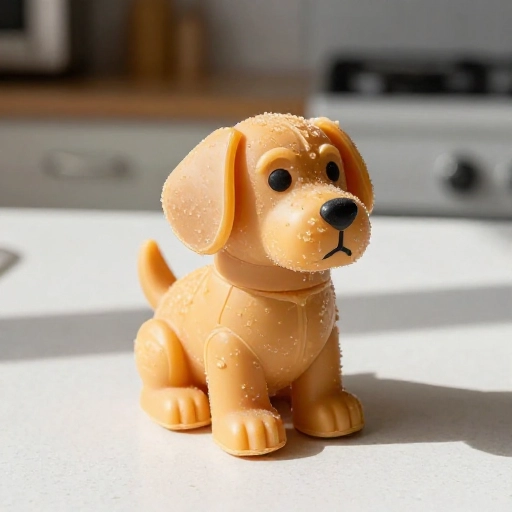
1. The Freeze-Filled Rubber Core
This is my go-to for rainy days. A thick rubber toy with a hollow center—fill it with plain yogurt, peanut butter (xylitol-free!), or wet dog food, then freeze it. The cold soothes teething pups and keeps even the most determined chewer busy for 30+ minutes.
Pro tip: I use a Kong or a similar brand with a wide opening. Make sure the rubber is tough enough that your dog can’t bite off pieces. Always supervise the first few times to check for wear.
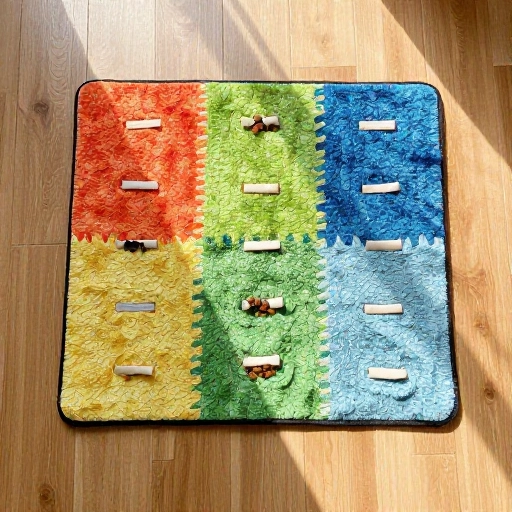
2. The Snuffle Mat Maze
Dogs love to sniff. It’s their superpower. A snuffle mat is basically a fleece rug with hidden pockets where you sprinkle kibble or treats. My dog spends 20 minutes rooting around for every last crumb—and then passes out from mental exhaustion.
Safety check: Look for mats with tightly sewn fleece strips. If your dog is a shredder, use it only under supervision. Wash it weekly to avoid bacteria buildup.
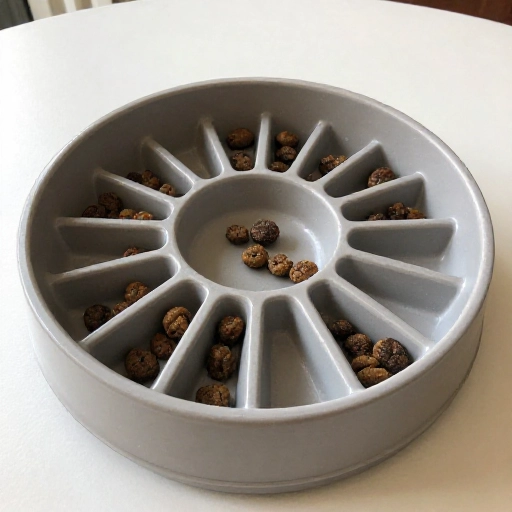
3. The Slow Feeder Puzzle Bowl
If your dog inhales food like a vacuum cleaner, this is a lifesaver. These bowls have raised ridges and mazes that force your pup to work for every bite. It slows down eating by 5x and reduces bloating risk.
Material matters: Choose food-grade silicone or ceramic. Avoid cheap plastic that can crack or have sharp edges. Dishwasher-safe is a huge bonus for lazy owners like me.
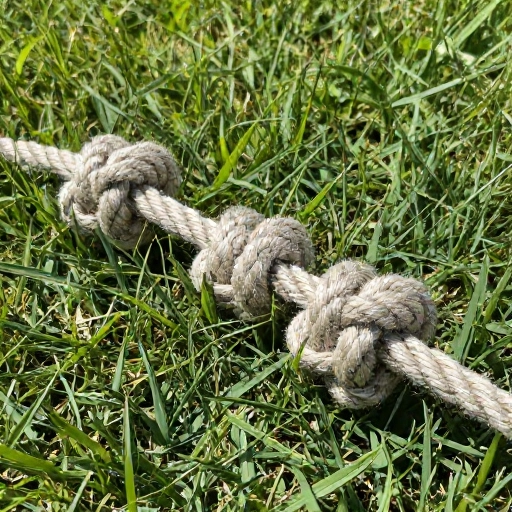
4. The Rope Tug With Knots
A classic for a reason. Thick cotton rope toys satisfy the urge to tug and chew. The knots also help clean teeth slightly. I soak mine in low-sodium chicken broth and freeze it for a cooling summer toy.
Watch for fraying: Once the rope starts unraveling, throw it away. Ingested strings can cause intestinal blockages. I replace mine every 4–6 weeks.
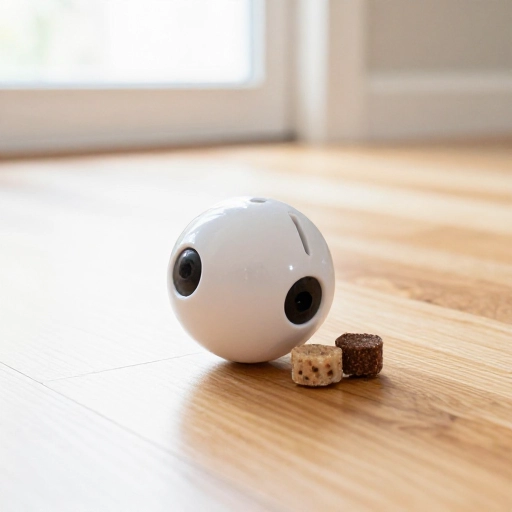
5. The Treat-Dispensing Ball
This is the laziest enrichment ever—and I mean that as a compliment. A hollow ball with a hole that releases kibble as it rolls. Your dog pushes it around the house, and food magically appears. Keeps them moving and thinking.
Size matters: Get one too small, and it could be a choking hazard. For medium dogs, a 3-inch ball is safe. Adjust the hole size so treats come out slowly.
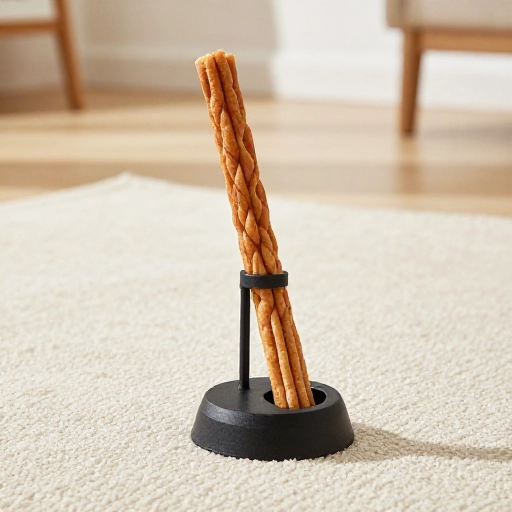
6. The Braided Bully Stick Holder
Bully sticks are high-value chews, but they get slimy and small. A holder (usually a rubber ring with a hole) keeps the last inch from becoming a choking hazard. My dog can’t swallow the end piece, and I don’t have to fish it out of her throat.
Pick a holder with ventilation holes so the stick dries between uses. Wash it in hot soapy water every few days.
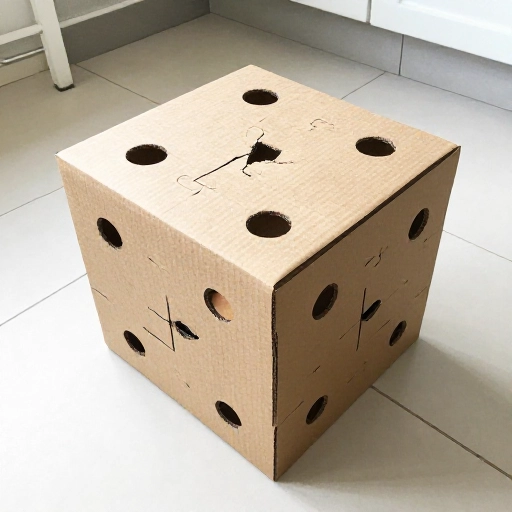
7. The DIY Cardboard Box Puzzle
Before you recycle that Amazon box, turn it into a toy. Crumple paper, hide treats, and seal the box. Let your dog rip it open. It’s messy but incredibly satisfying for them. Cardboard is digestible in small amounts, but monitor to prevent large swallows.
Safety edit: Remove tape, staples, and labels. Use only plain brown cardboard—no glossy or printed boxes that might have toxic inks.
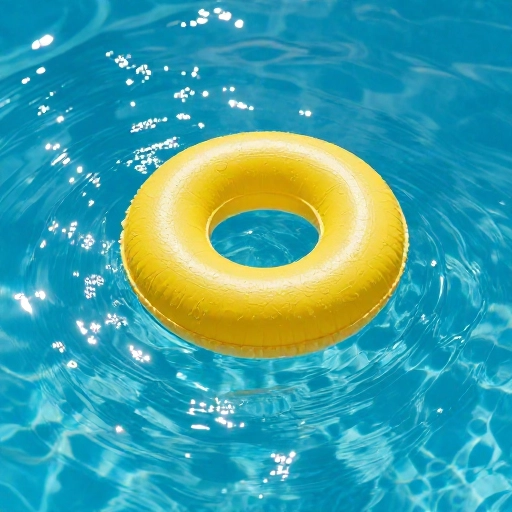
8. The Floating Fetch Toy
Water play is underrated enrichment. A floating rubber toy that doesn’t sink or get waterlogged is perfect for pools, lakes, or even the bathtub. The erratic movement on water mimics prey, triggering your dog’s chase instinct.
Check for drainage holes: Some toys trap water inside and grow mold. Squeeze-test before buying. I rinse mine with diluted vinegar after each swim session.
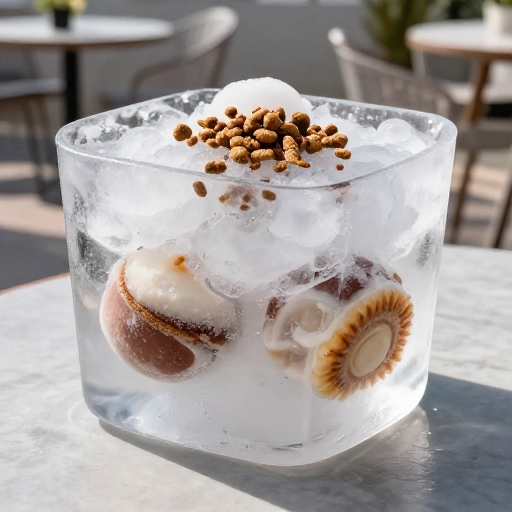
9. The Ice Block Treasure Hunt
Take a large freezer-safe container, layer water with treats, kibble, and safe fruits (blueberries, apple slices). Freeze solid, then pop out the ice block. Your dog will lick, paw, and chew for an hour trying to release the goodies.
Important: Use a container with smooth edges to avoid sharp ice corners. Supervise to prevent brain freeze or overexcited licking. I do this outdoors because it melts.
10. The Silicone Lick Mat
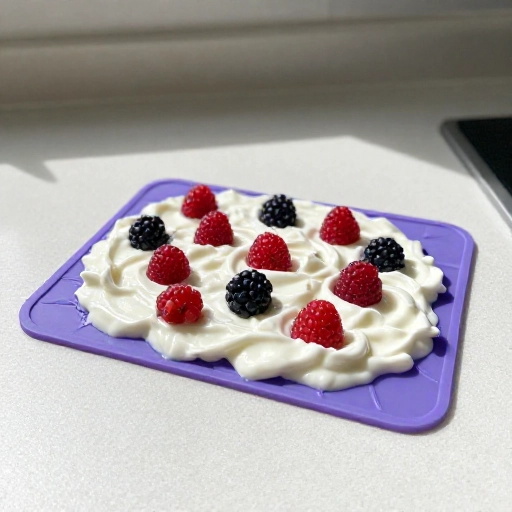
Spread peanut butter, pumpkin puree, or mashed banana on a textured silicone mat. Freeze it or serve as-is. The licking action releases calming endorphins—perfect after a vet visit or during thunderstorms.
Stick to one piece: Some lick mats have detachable parts. Avoid those. A solid mat with suction cups is safer. I stick mine to the fridge door for hands-free entertainment.
11. The Interactive Tug Pole
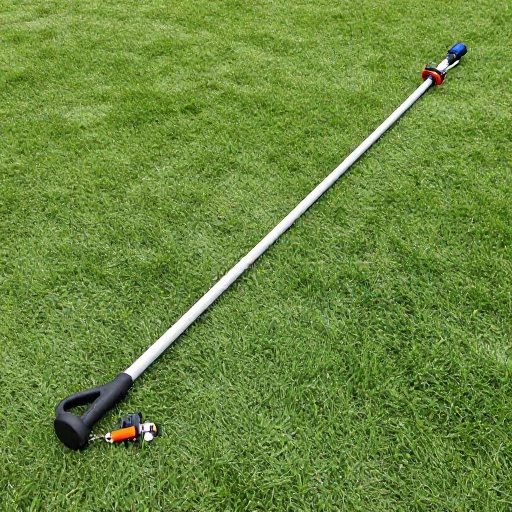
A long pole with a toy attached to a rope. You dangle and move it, your dog chases and pounces. It’s like playing with your dog using a giant cat toy. Builds focus and burns energy without you running.
Durability test: Only buy poles with a flexible shaft (fiberglass or sturdy plastic). The toy end should be sewn on, not glued. I replace the rope part monthly because my dog bites through it.
Conclusion: Play Smart, Not Hard
Enrichment doesn’t have to be expensive or complicated. The safest toy is the one you supervise and inspect regularly. Rotate toys weekly to keep things fresh—your dog will appreciate the novelty, and you’ll appreciate the peace.
Remember: No toy is indestructible. When in doubt, toss it out. Your dog’s safety is worth more than any toy.
Frequently Asked Questions
Q: How do I know if a toy is safe for my dog?
A: Check for small parts that could break off. Run a “thumbnail test”—if your nail can dent the material, your dog’s teeth can too. Always supervise new toys for the first 15 minutes.
Q: Can I leave my dog alone with enrichment toys?
A: Only with toys designed for independent play, like rubber treat balls or slow feeders. Avoid rope toys or puzzle toys with tiny pieces when unsupervised.
Q: How often should I clean enrichment toys?
A: Wash rubber and silicone toys weekly in hot soapy water. Fabric toys every 2 weeks. If your dog uses a toy outdoors, rinse it after each use to remove dirt and bacteria.
Q: My dog destroys toys in 5 minutes. What should I do?
A: Focus on toys rated for “power chewers.” Use frozen stuffed toys to slow them down. Avoid plush toys entirely—stick to rubber or nylon. Rotate toys so they don’t get bored.
Q: Are DIY toys as safe as store-bought ones?
A: They can be, if you use safe materials. Avoid glue, tape, and small objects. Cardboard boxes and fabric scraps are fine under supervision. Never use toys with batteries or magnets.