Hand Signals to Train Your Dog: A Heartfelt Guide to Building a Stronger Bond
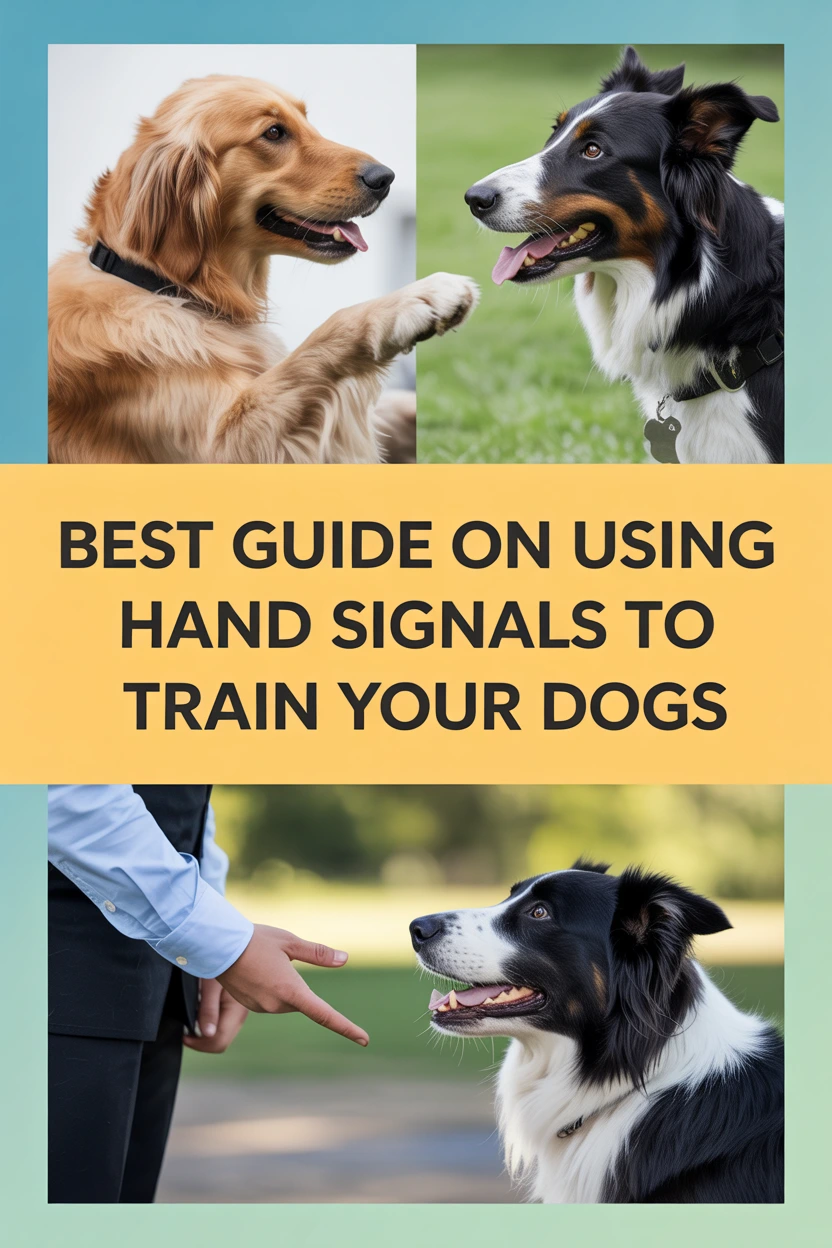
There’s something magical about the connection you share with your dog when you’re able to communicate in a way that feels truly understood. When I first began training my dog using hand signals, I never imagined how profoundly it would change not only his behavior but the way we relate to each other. I know firsthand how powerful these simple gestures can be—not just for teaching your dog commands, but for deepening your emotional connection with them.
Training your dog isn’t just about getting them to listen—it’s about understanding them on a deeper level. And when I introduced hand signals into our training routine, it felt like I unlocked a new layer of communication. It’s one of those things that you have to experience to truly appreciate—the way your dog’s eyes light up when they finally “get it,” and how you both feel a rush of joy and pride when they respond to that simple hand motion.
Why Hand Signals Became My Secret Weapon in Dog Training
I’ll be honest—I was skeptical at first. Hand signals to train your dog? It seemed too simple. How could waving my hand really make a difference in my dog’s behavior? But after just a few sessions, I felt like I had uncovered a game-changing tool that not only made training more effective but also brought me closer to my dog.
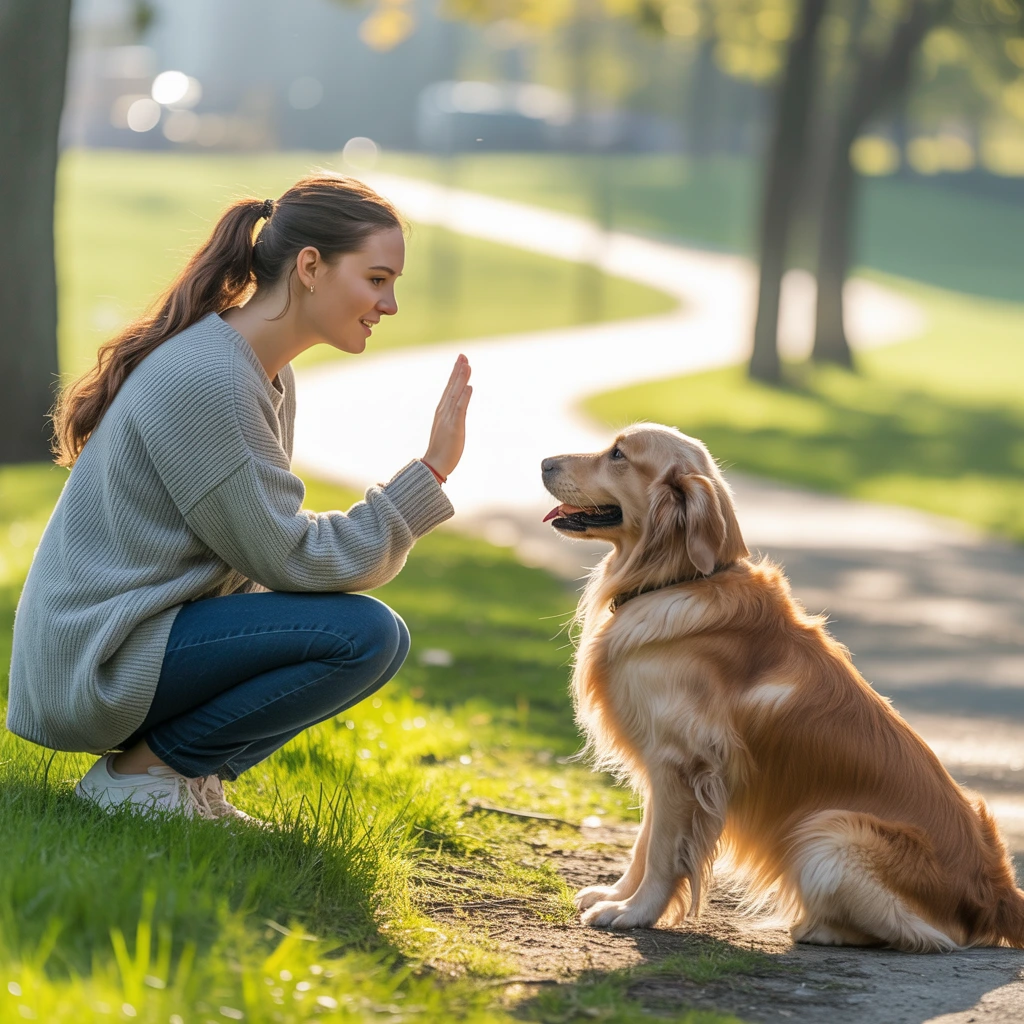
Here’s what I quickly realized: Dogs are visual learners. Yes, they listen to us, but they also rely heavily on what they see. And hand signals? They’re a beautiful way to bridge the communication gap between us and our pets. I remember the first time my dog responded to one of my hand signals—it was as if we were speaking the same language. I saw the look of understanding in his eyes, and it was an unspoken moment of connection that made me realize just how powerful visual cues could be.
The moment my dog sat down at my signal, without me having to repeat myself over and over, I couldn’t help but feel a wave of pride. It wasn’t just about the training. It was about the trust we had built. I had shown him love and patience, and he had reciprocated by learning to understand me in a new way. I felt like I wasn’t just teaching him “commands”—I was teaching him to trust me and communicate with me, too.
How to Begin Using Hand Signals to train your dog (And Why It’s So Worth It)
If you’re feeling hesitant or unsure about hand signals, trust me when I say it’s easier than you think. Using Hand signals to train your dog is so simple, and the beauty is in their clarity. I remember starting with basic signals, feeling that tiny spark of excitement as my dog began to catch on. Here’s how I began, and how you can too:
- Start with Clear, Simple Gestures: The first hand signal I taught my dog was for “sit.” I simply raised my hand, palm open, and slowly moved it toward the sky. At first, he was confused, but as soon as he made the connection, the joy in his eyes was contagious. It felt like we were finally on the same page, and that moment of mutual understanding was pure magic.
- Be Consistent and Patient: Consistency was key. I kept the signals simple and used them in the same way every time. It was a process of trial and error, but the moments when he finally responded correctly were so incredibly rewarding. Watching him make the connection filled me with so much happiness—I felt like we were growing together, not just in training but as a team.
- Use Positive Reinforcement: Each time he responded correctly, I rewarded him with treats, praise, and my undivided attention. The bond we shared grew stronger with every session. It wasn’t just about the reward—it was about seeing him light up with pride and excitement. He could feel how much I cared, and that energy transferred into his eagerness to learn more.
- Celebrate the Small Wins: There were plenty of times when it felt like we were stuck, when I was tempted to give up or get frustrated. But I quickly learned that the small victories mattered. Even if he didn’t get it perfectly, each step forward was worth celebrating. It was a reminder that dog training isn’t about perfection—it’s about progress, patience, and trust.
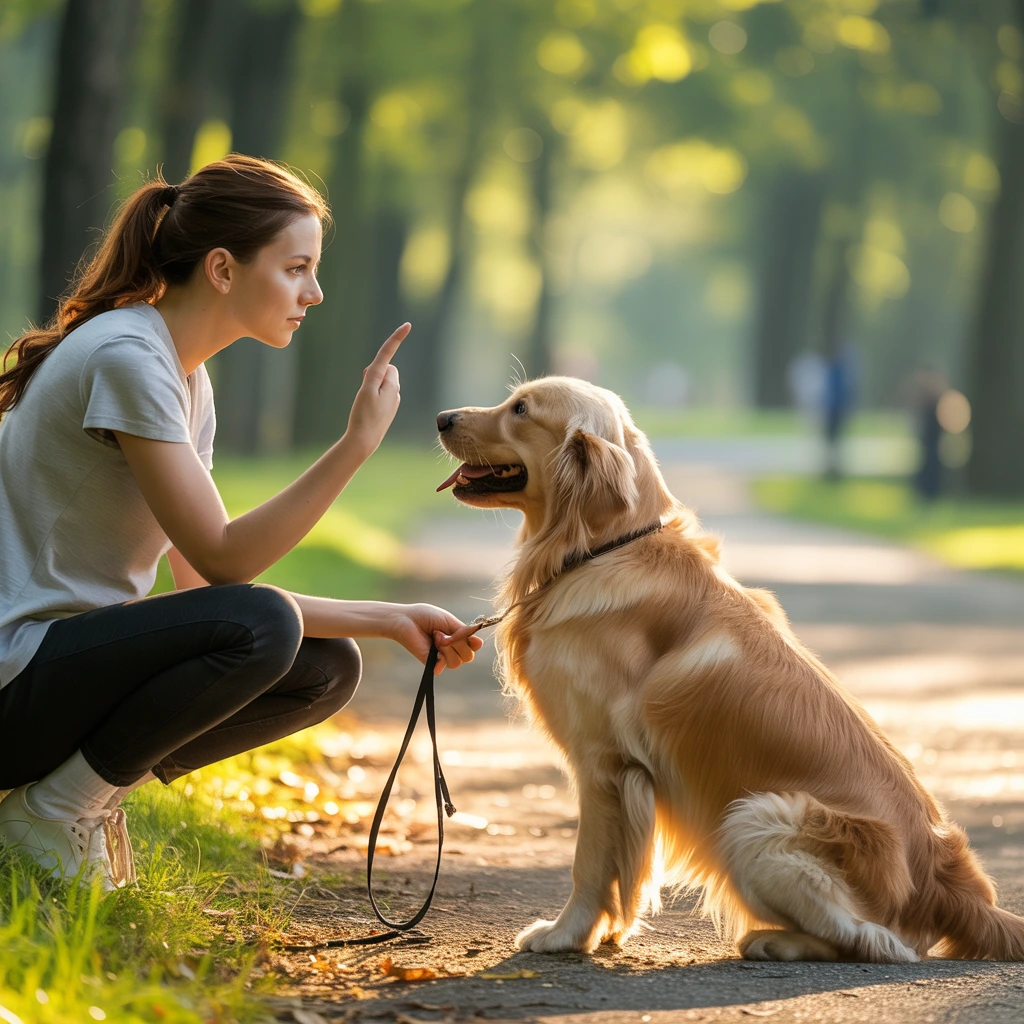
The Hand Signals My Dog Loves (And So Do I)
I’ll be honest—there’s nothing quite like the moment your dog responds to a well-timed hand signal. Here are some of the signals I use most often, and I can’t tell you how much joy it brings to see my dog happily obey them:
- Sit: I raise my hand above his head, palm open, and gently move it upward. He knows exactly what this means. That little moment of him sitting with a proud look on his face? It melts my heart every time.
- Stay: Holding my hand out in front of me with the palm facing forward feels like I’m creating a barrier, a safe space for him to stay calm. There’s something so comforting about knowing he’s following my guidance.
- Come: I reach my hand out, then pull it back toward me in a gentle motion. The look of joy in his eyes when he rushes over is worth every second of training.
- Down: I slowly lower my hand, palm down, guiding him to lie down. It’s a peaceful, calming gesture that he’s learned to associate with relaxation and security.
- Heel: I place my hand close to my side, palm backward, guiding him to stay right by me. It’s a signal that brings us closer as we walk side by side, perfectly in sync.
The Emotional Rewards of Hand Signal Training
The truth is, using hand signals to train your dog aren’t just about teaching commands—they’re about creating a deep, emotional bond with your dog. When I use these signals, it feels like we’re speaking a silent language that only we understand. And every time my dog responds, I feel this rush of love and pride—it’s as if we’re both saying, “I trust you.”
When training becomes a meaningful experience like this, it stops feeling like a chore. It becomes an opportunity for connection, for shared joy. Watching my dog grow and learn has been one of the most rewarding parts of our relationship, and I can’t imagine my life without those moments of pure connection.
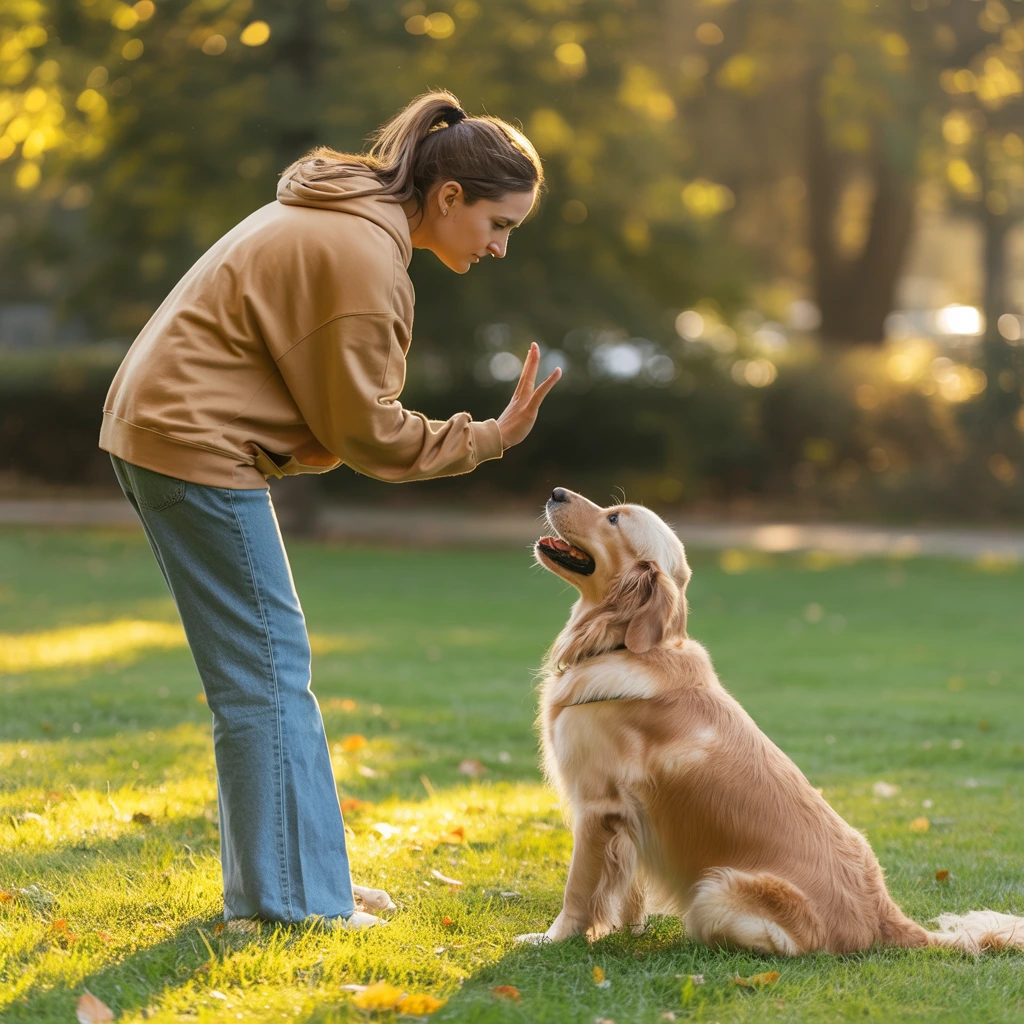
Conclusion: Using Hand Signals to train your dog Is More Than Just Teaching Commands
Using hand signals to train your dog has completely transformed the way I communicate with my furry best friend. It’s not just about getting him to obey—it’s about building trust, understanding, and a bond that goes beyond words. Every time we train, I’m reminded of how lucky I am to have a dog who responds to me with such love and loyalty. And every success, big or small, is a celebration of the trust we share.
If you haven’t tried using hand signals to train your dog yet, I encourage you to give it a go. Trust me, there’s nothing more beautiful than watching your dog respond to a simple gesture with the joy and understanding that only dogs can show.