10 Easy DIY Cat Projects You Can Make Today
Let’s be real—our cats deserve the best, but that doesn’t mean we have to spend a ton of money at the pet store. I’ve been there, staring at a $60 cat tree and thinking, “I could totally make that.” And guess what? You can. These projects are simple, use stuff you probably already have around the house, and your cat will love them just as much (if not more) than anything store-bought.
I’ve rounded up ten of my favorite DIY cat projects that are genuinely easy. No power tools required for most of them, and none of them will take you more than an afternoon. Grab some cardboard, old t-shirts, or that empty wine box, and let’s get crafting for our furry friends.
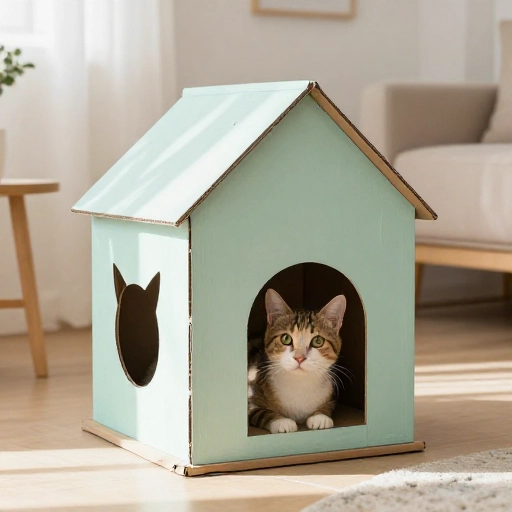
1. The Classic Cardboard Cat House
This is the ultimate starter project. Find a medium-to-large cardboard box. Cut out a door and a few windows. You can even punch some small holes in the top to hang a toy from a string. My cat spends more time in her cardboard castle than on her actual bed.
Optional upgrade: glue two boxes together to make a two-story condo. Your cat will feel like a tiny king or queen.
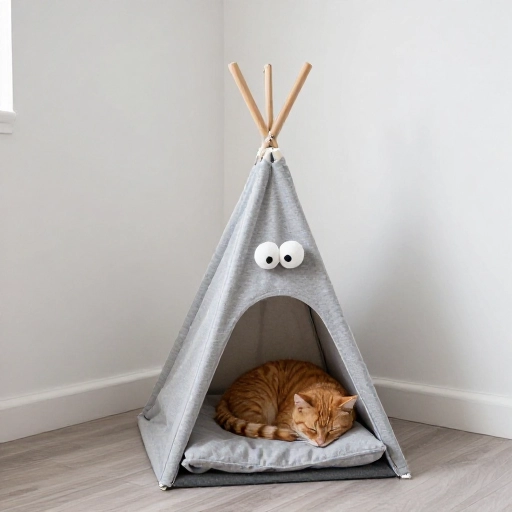
2. T-Shirt Cat Tent
You’ll need an old t-shirt, a wire hanger, and a small square of cardboard. Bend the hanger into a half-circle shape and tape the ends to the cardboard. Stretch the t-shirt over the frame, tucking the sleeves underneath the cardboard. It creates a cozy little cave that smells like you. Perfect for anxious cats or kittens who love to burrow.
Pro tip: use a flannel or fleece shirt for winter months. It’s like a wearable blanket fort for your cat.
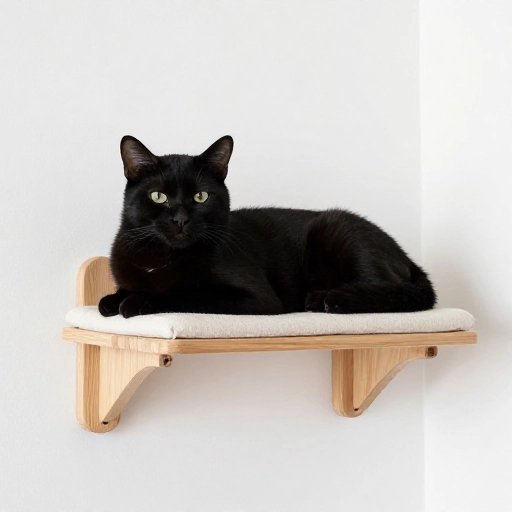
3. Wall-Mounted Cat Shelf
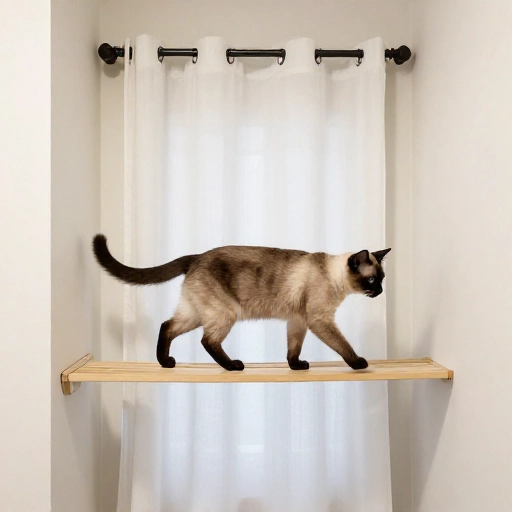
Pick up a simple wooden shelf from a thrift store. Sand it down if it’s rough. Attach it to the wall near a window using sturdy brackets. Add a soft cushion or an old towel on top. Your cat will have a private lookout spot. This is a game-changer for apartment cats who crave vertical space.
Make sure you find the studs in your wall so it’s secure. I once skipped this step and learned the hard way.
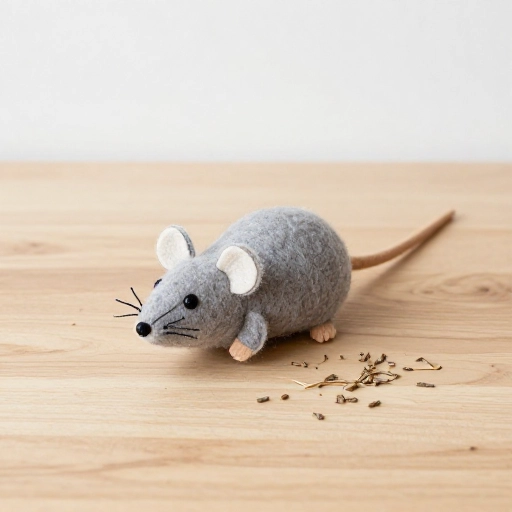
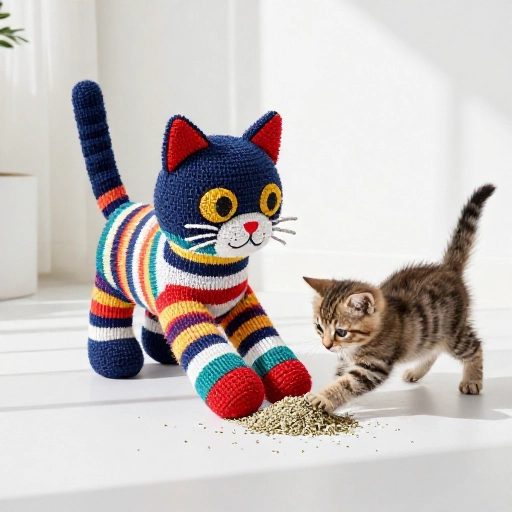
4. DIY Catnip Mouse Toy
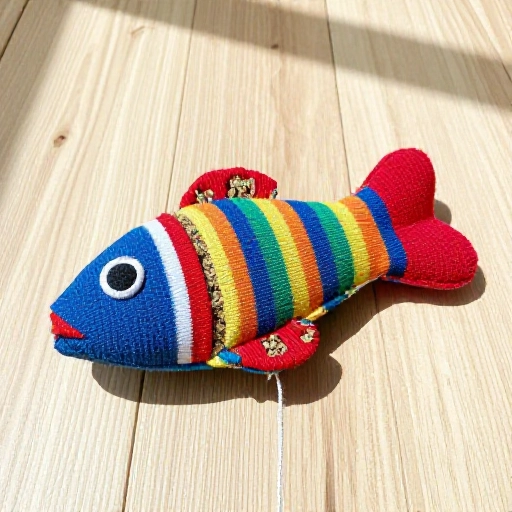
Cut two small mouse shapes from old felt or fleece scraps. Sew them together (or use fabric glue if you’re not handy with a needle) leaving a small opening. Stuff it with cotton balls and a generous pinch of dried catnip. Sew it shut. That’s it. You just made a toy that costs pennies.
I make a batch of these every few months. They’re perfect for stuffing in Christmas stockings or giving as little gifts to cat-owning friends.
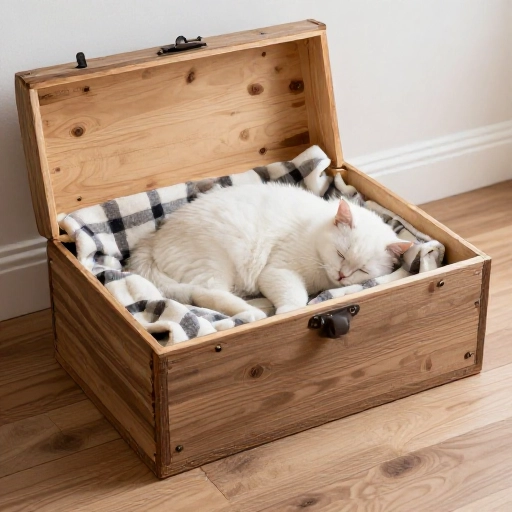
5. Wine Box Cat Bed
Wooden wine boxes are the perfect size for a cat bed. Sand any rough edges. Add a soft cushion or folded blanket inside. That’s literally all you have to do. The high sides make cats feel safe and secure. Place it in a quiet corner, and your cat will claim it within minutes.
I found my wine box at a craft store for three dollars. Best three dollars I ever spent on my cat.
6. Sock Cat Toy
Take a clean, long sock. Fill it with a handful of polyfill or old fabric scraps. Add a sprinkle of catnip. Tie a knot at the top. You now have a floppy, kickable toy that your cat can wrestle with. If you want, you can attach a short string to the knot for interactive play.
This is the easiest project on the list. It takes less than five minutes. I keep a few of these in a basket by the couch for spontaneous play sessions.
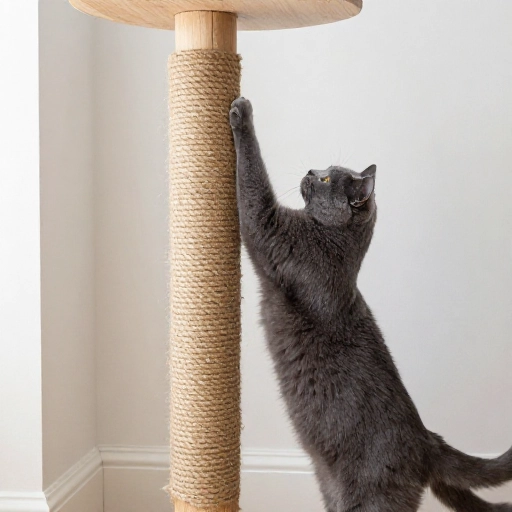
7. Rope-Wrapped Scratching Post
Find a sturdy piece of wood or a thick PVC pipe. Wrap sisal rope tightly around it from top to bottom, gluing as you go with hot glue. Attach it to a square wooden base. That’s a scratching post. If you want to get fancy, you can add a dangling toy to the top.
Place it near where your cat already scratches. Redirecting their claw energy saves your couch. I wrapped mine in about 50 feet of rope, and my cat uses it every single day.
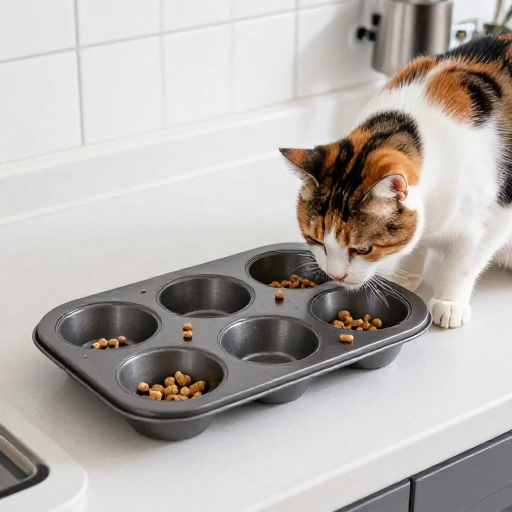
8. Puzzle Feeder from a Muffin Tin
Grab an old muffin tin. Place a few kibble pieces or treats in a few of the cups. Cover each cup with a small ball, a ping pong ball, or a crumpled piece of paper. Your cat has to bat the covers away to get to the food. This is fantastic for mental stimulation and slowing down fast eaters.
You can make this harder by using more covers or putting treats in only a few cups. My cat gets so focused, it’s hilarious to watch.
9. Curtain Rod Cat Bridge
Install two tension curtain rods between two walls or doorways at the same height. Wrap them with sisal rope if you want extra grip. Drape a small piece of fleece or a towel across the rods to create a hammock-like bridge. Your cat can walk across it or nap on it.
This is a great way to use unused space above a hallway. My cat uses hers as a secret highway to avoid the dog on the floor.
10. Cat Grass Planter
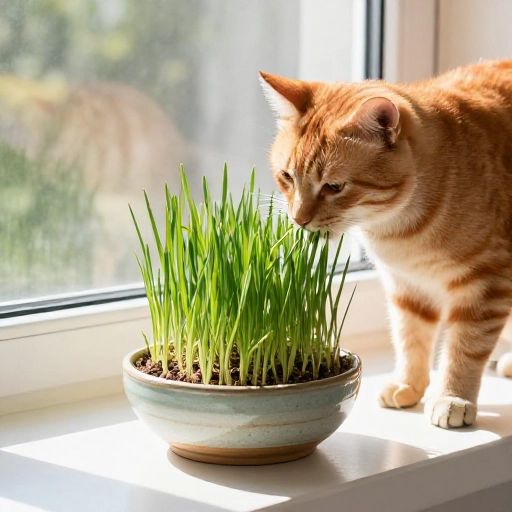
Buy a bag of oat grass or wheatgrass seeds from a garden center. Fill a shallow, wide pot with potting soil. Sprinkle the seeds on top and cover with a thin layer of soil. Water it and put it in a sunny spot. In about a week, you’ll have fresh cat grass. Cats love nibbling on it, and it’s good for their digestion.
Keep the planter out of reach until the grass is about four inches tall. Then let your cat go to town. I replant mine every three weeks so there’s always fresh growth.
Conclusion
I hope these projects inspire you to make something fun for your cat today. You don’t need to be a master crafter or spend a lot of money. The best part is seeing your cat react to something you made with your own hands. Whether it’s a simple sock toy or a wall shelf, your cat will feel the love. Pick one project, gather your supplies, and get started. Your cat is waiting.
FAQ
1. Are these projects safe for all cats?
Yes, but always supervise your cat the first time they use a new toy or bed. Remove any loose strings or small parts that could be swallowed.
2. What if my cat ignores the project I made?
That’s totally normal. Try rubbing catnip on it or placing a treat inside. Some cats take a few days to warm up to new things.
3. Can I use hot glue for cat toys?
Yes, but make sure the glue is fully cooled and no strings are left hanging. Avoid using glue on parts your cat might chew directly.
4. How often should I replace DIY cat toys?
Check them regularly for wear. Replace any toy that is torn, has loose parts, or looks dirty. Homemade toys usually last a few months.
5. What’s the easiest project for a beginner?
The sock cat toy or the wine box cat bed. Both take under ten minutes and require almost no skills. Perfect for a quick win.