15 Dog Obedience Training Techniques That Actually Work
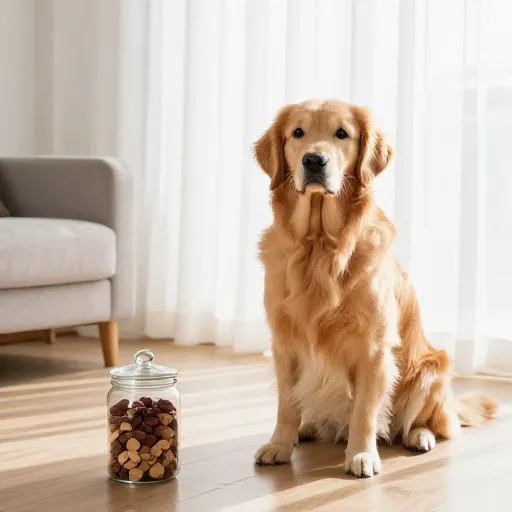
Ever feel like your dog is running the house? I’ve been there—staring at a pup who knows exactly what “sit” means but chooses to zoom past me instead. Training doesn’t have to be a power struggle, though. It’s really about trust, timing, and tiny victories.
I’ve gathered 15 techniques that helped me turn chaos into calm. Some are classic, some are sneaky, but all are gentle. No yelling, no force—just clear communication and a lot of treats. Let’s dive into the methods that finally clicked for me and my furry friend.
Whether you’re starting with a new puppy or brushing up an older dog’s manners, these tips are meant to feel doable. Grab some kibble, put on your patience hat, and let’s get started.
1. The Magic of Marker Words
Instead of clicking a clicker, I use a simple “yes!” as my marker. It tells my dog the exact second she does something right. The key is saying it the moment she performs the action—not after. That split second makes all the difference.
I started by pairing “yes” with a treat, repeating it ten times. Now she knows that word means a reward is coming. It’s fast, free, and never runs out of batteries.
2. Luring with a Treat
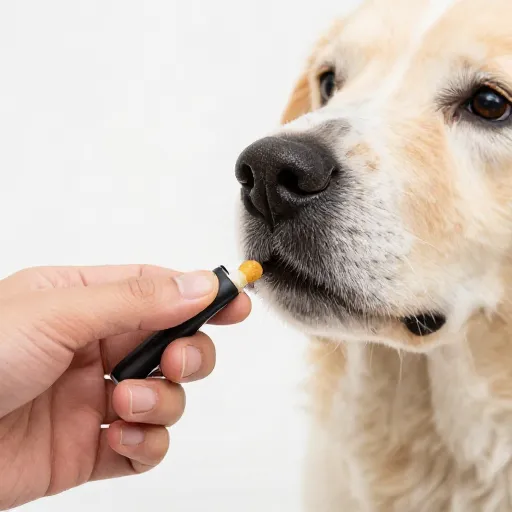
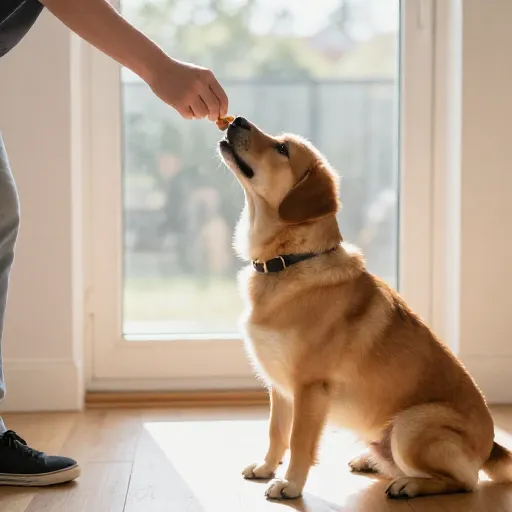
Hold a small treat right at your dog’s nose, then slowly move it where you want them to go. For “sit,” lift it up and back over their head. Their butt will naturally drop down.
Don’t yank the treat away too fast. Let them follow it gently. Once they’re in position, say your marker word and reward. This technique is the foundation for almost every trick I know.
3. Capturing Good Behavior
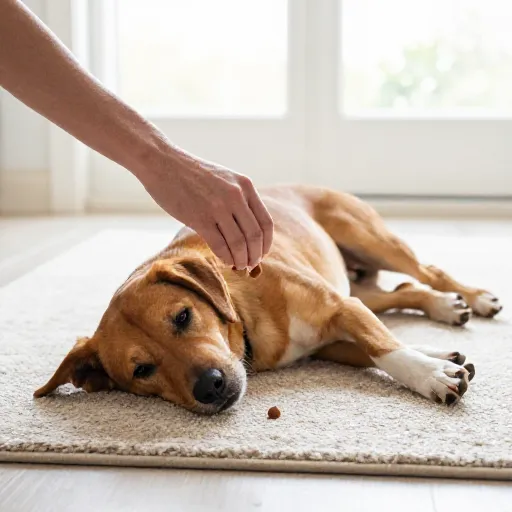
Sometimes we forget to reward the things our dog already does right. If I catch my dog lying down quietly, I drop a treat near her paws. No command, just a surprise.
This makes her want to repeat the calm behavior. Over time, she offers “down” more often on her own. It’s like training without trying—you just pay attention to the good moments.
4. Hand Signals Over Voice
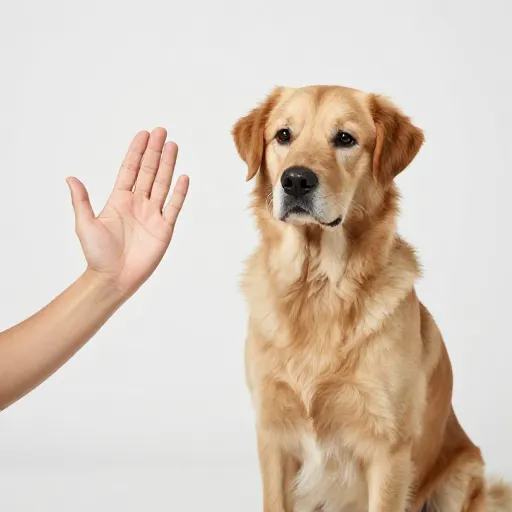
Dogs read body language better than words. I use a flat palm for “stay” and a pointed finger for “down.” In noisy parks, hand signals cut through the chaos.
Teaching both voice and hand cues at the same time builds a backup plan. When my dog is distracted, a silent signal works faster than repeating “sit” ten times.
5. The Three-Second Rule
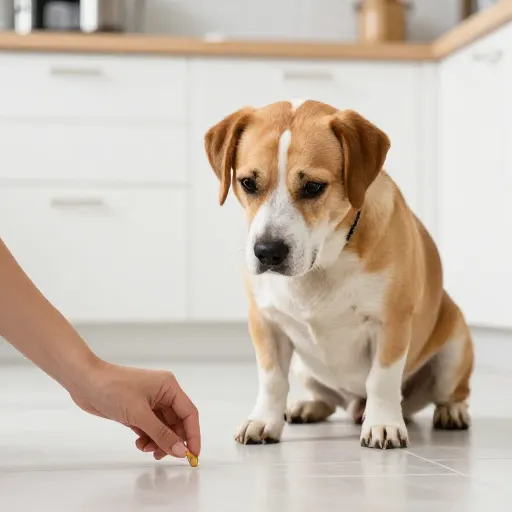
Treats must appear within three seconds of the behavior. If I wait longer, my dog won’t connect the dots. I keep treats in a pouch on my waist so I don’t fumble.
This rule rewires their brain fast. Soon they’ll start offering behaviors just to earn that quick reward. It’s like a slot machine for dogs—and they love playing.
6. Shaping Complex Behaviors
When I wanted my dog to roll over, I broke it into tiny steps. First, reward a head turn. Then a shoulder drop. Then a full flop. Each small step builds toward the final trick.
Don’t rush to the finished move. If your dog gets confused, step back one level. Shaping feels slow, but it creates rock-solid understanding.
7. The Name Game
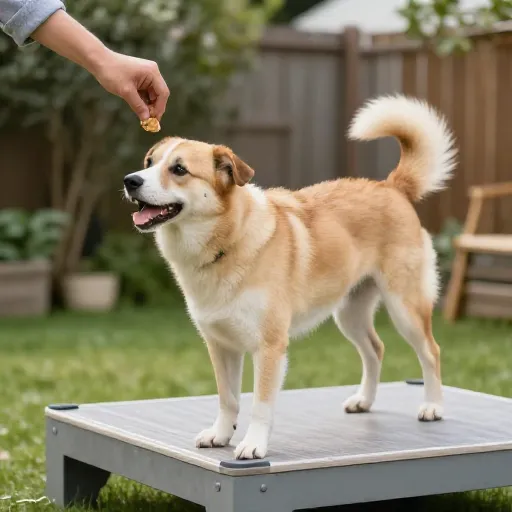
Your dog’s name should mean “look at me for something good.” I say my dog’s name, then immediately drop a treat. No command, just name = treat.
After a week, she whips her head around every time I say it. This becomes your emergency attention-getter. Use it for recall or before giving any other cue.
8. Premack Principle (Grandma’s Law)
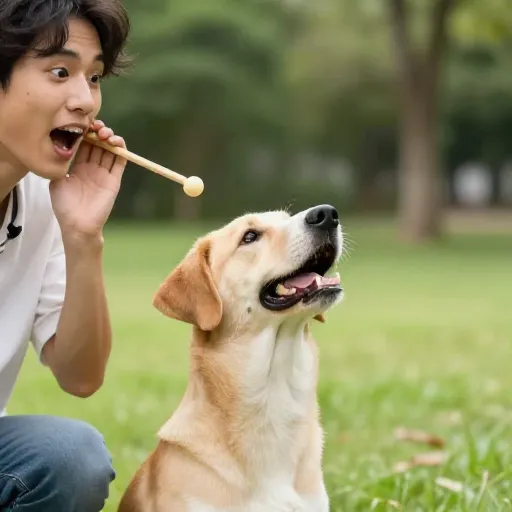
This sounds fancy but it’s simple: do what I want first, then you get to do what you want. Want to sniff that bush? First, sit. Want to chase the squirrel? First, look at me.
I use this for dogs who are too excited to focus. It turns their favorite activities into rewards. No treats needed—just life itself.
9. Leave It with a Trade
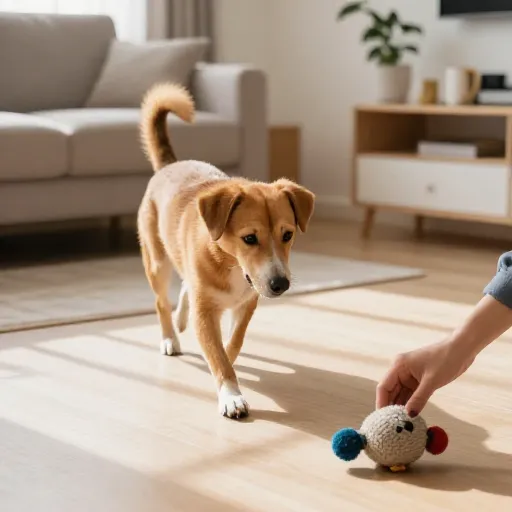
Teaching “leave it” doesn’t mean your dog never gets the thing. I start with a treat in my closed hand. When she stops pawing, I mark and give a different treat from my other hand.
Later, I practice with dropped food. She learns that leaving something alone actually gets her something better. This technique has saved my socks, shoes, and sanity.
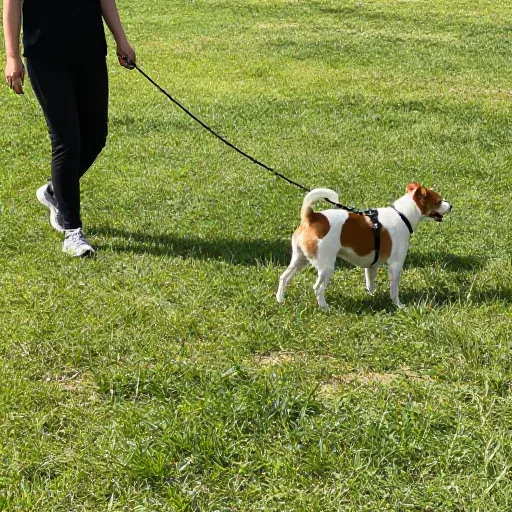
10. Loose Leash Walking in Circles
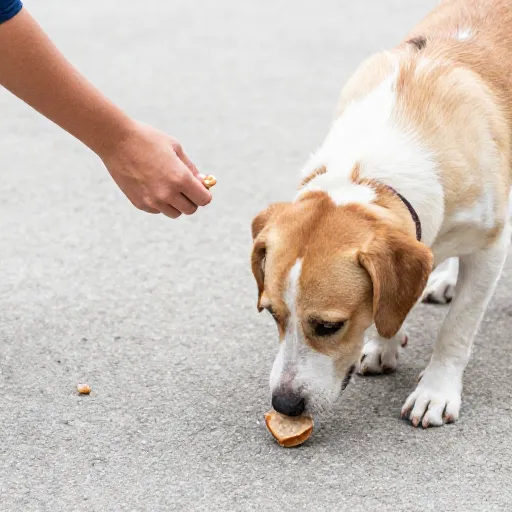
Instead of pulling my dog forward, I change direction every time the leash tightens. I just pivot and walk the other way, calling her name cheerfully.
She learned fast that staying close means we actually move forward. No yanking, no choking. Just a fun game of “follow the leader” that builds great walking habits.
11. The Relaxation Protocol
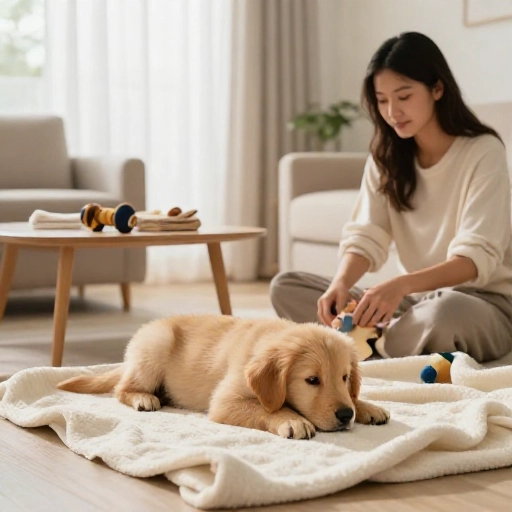
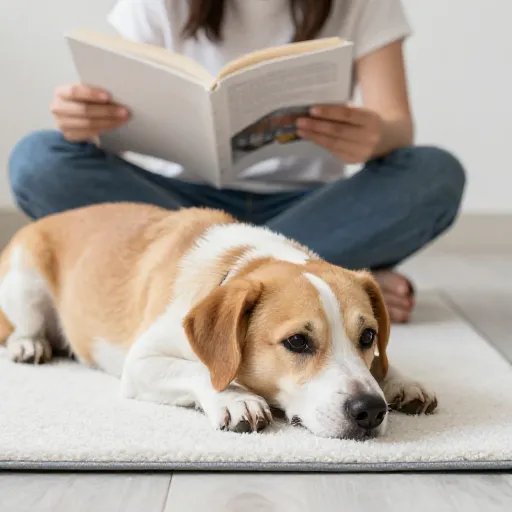
I taught my dog to settle on a mat by rewarding her for lying down there longer and longer. I started with three seconds, then ten, then a full minute.
Now the mat is her calm zone. When guests come over, she goes to her mat automatically. It’s not a punishment—it’s a cozy spot where good things happen.
12. Recall with a Party
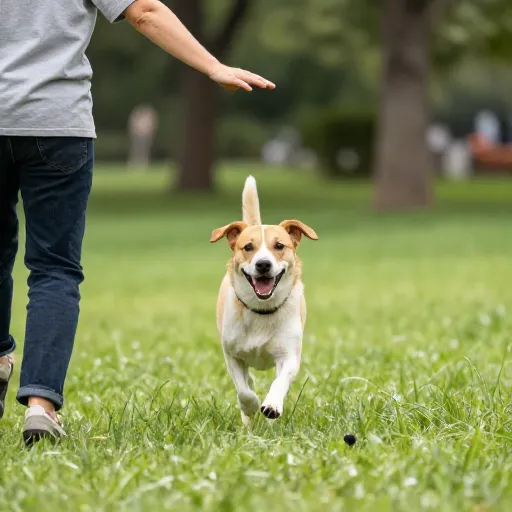
Coming when called should be the best thing ever. I always reward recall with high-value treats and happy praise. Never call your dog to scold them—that ruins the cue.
I practice indoors first, then in quiet yards. Each successful recall gets a jackpot of three treats. Now my dog races to me like I’m holding a steak.
13. Crate Games for Happy Confinement
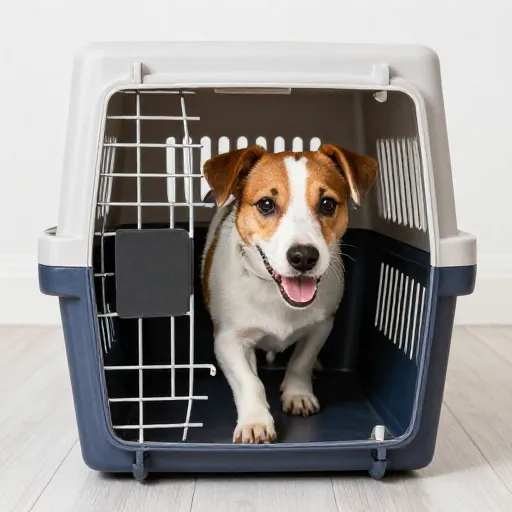
I toss treats into the crate and let my dog run in and out freely. Then I close the door for one second, open it, and reward. Slowly I build duration.
Now she naps in her crate with the door open. It’s her den, not a prison. Crate training works best when you never use it as punishment, only as a peaceful retreat.
14. Proofing with Distractions
Once my dog knows “sit” in the living room, I practice in the backyard, then on a quiet sidewalk, then near a park bench. Each step adds more distraction.
If she fails, I move closer to home and try again. Proofing is about setting your dog up to succeed, not testing them. Slowly expand their comfort zone.
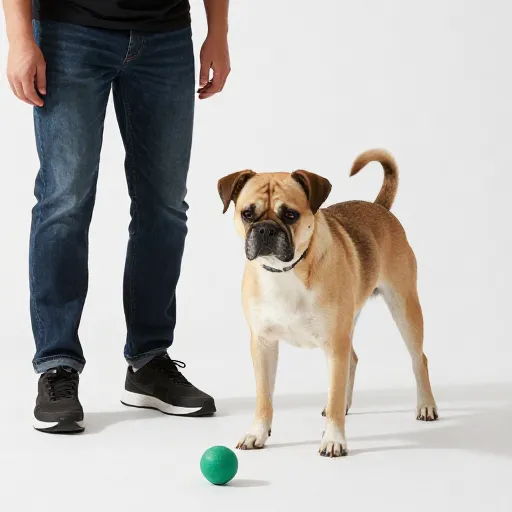
15. The Power of Play Breaks
Training shouldn’t be all work. After five minutes of drills, I toss a ball or play tug. This keeps my dog eager for the next session.
Play also strengthens our bond. When training feels like a game, my dog offers behaviors with enthusiasm instead of boredom. A happy dog learns faster.
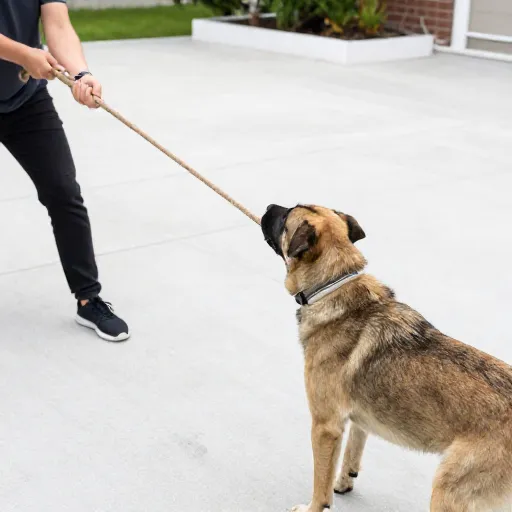
Conclusion
These 15 techniques turned my chaotic dog into a reliable buddy—but more importantly, they made training fun for both of us. You don’t need perfect timing or a treat bag full of filet mignon. You just need consistency, patience, and a willingness to see the world from your dog’s perspective.
Start with one technique that excites you. Practice it for three days. Then add another. Small steps add up to a well-mannered dog and a deeper connection. Your dog wants to understand you—you just have to speak their language.
Frequently Asked Questions
How long should each training session be?
Short and sweet is best. Aim for 3 to 5 minutes for puppies, up to 10 minutes for adult dogs. End while your dog is still excited—not when they’re tired or bored.
What if my dog isn’t food motivated?
Try toys, praise, or access to sniffing. Some dogs work for a squeaky ball or a chance to explore. Find what makes your dog’s tail wag and use that as the reward.
Can I train an older dog?
Absolutely. Older dogs can learn new tricks—it just might take a little more patience. They often have shorter attention spans, so keep sessions extra brief and positive.
My dog gets too excited during training. What do I do?
Lower the value of your rewards or slow down your movements. If your dog is jumping, wait calmly until all four paws are on the ground before marking and treating. Calm behavior earns rewards.
Should I use punishment if my dog doesn’t listen?
No. Punishment creates fear and breaks trust. Instead, ask yourself what you missed. Was the distraction too high? Was your treat not exciting enough? Adjust the environment, not your anger.