14 Dog Safety Tips for Summer Every Pet Parent Needs to Know
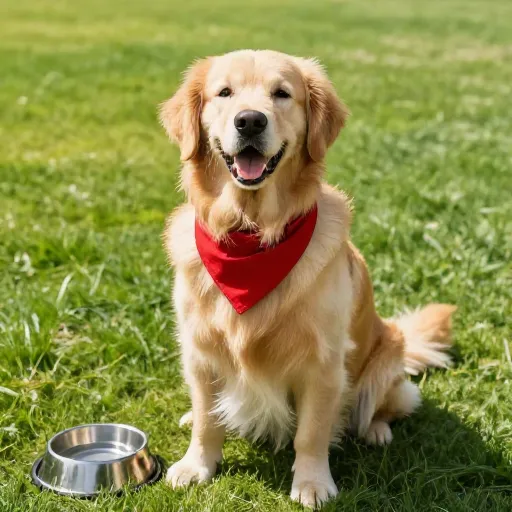
Summer is finally here, and I don’t know about you, but I live for those long, sunny days with my dog. Whether we’re hitting the trails, lounging in the backyard, or heading to the beach, the warm weather just makes everything feel more fun. But let’s be real—summer also brings some serious risks for our furry friends.
I’ve learned the hard way that what feels like a perfect summer day to me can actually be dangerous for my pup. From scorching pavement to hidden pool dangers, there’s a lot to keep in mind. That’s why I put together this list of 14 dog safety tips for summer. These are the things I actually do to keep my dog happy, healthy, and safe all season long.
Let’s jump in, because I want you and your pup to have the best summer ever—without any scary vet visits.
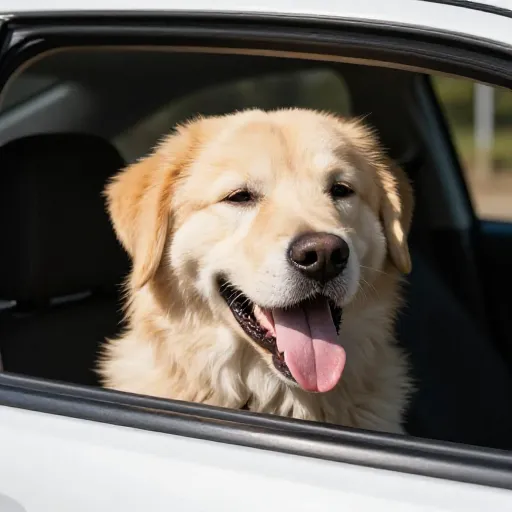
1. Never Leave Your Dog in a Parked Car
I know this seems obvious, but it’s worth repeating every single summer. Even with the windows cracked, the inside of a car can heat up to dangerous levels in just minutes. On an 85-degree day, the temperature inside a car can hit 102 degrees in ten minutes.
That kind of heat can lead to heatstroke or even death. If you’re running errands, just leave your dog at home where it’s cool. It’s always better to be safe than sorry.
2. Walk During Cooler Hours
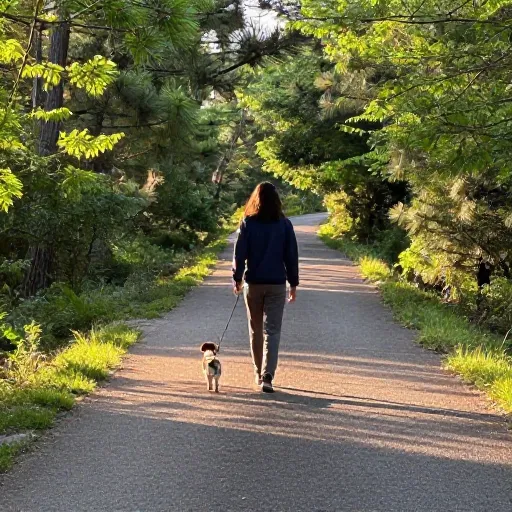
I used to take my dog for a midday walk without thinking twice, but now I plan around the heat. Early mornings and late evenings are your best bet. The sun isn’t as intense, and the air feels way more comfortable for both of you.
If you absolutely have to go out during peak heat, keep it short and stick to shaded areas. Your dog will thank you for not dragging them through a hot sidewalk marathon.
3. Check the Pavement Temperature
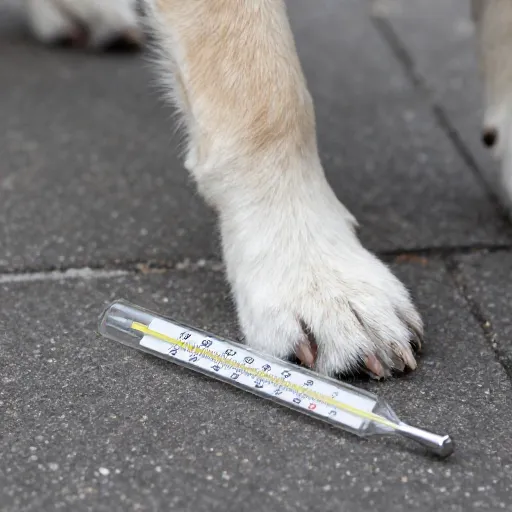
Here’s a quick test I do before every walk: I press the back of my hand against the pavement for five seconds. If it’s too hot for me, it’s too hot for my dog’s paws. Burns can happen fast, and they’re incredibly painful.
Stick to grass or dirt paths when the sun is high. If you have to walk on pavement, consider booties. They look a little silly, but they really do protect those precious paws.
4. Always Bring Fresh Water
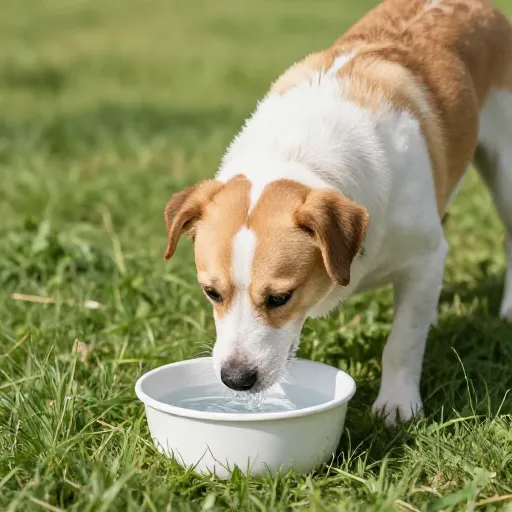
I never leave the house without a portable water bottle and bowl for my dog. Dehydration can sneak up quickly in the summer heat. Signs include excessive panting, dry gums, and lethargy.
Offer water frequently—even if your dog doesn’t seem thirsty. It’s one of the simplest ways to keep them safe and comfortable during your adventures.
5. Watch for Signs of Heatstroke
Heatstroke is scary, and it happens faster than you’d expect. Look out for heavy panting, drooling, red gums, vomiting, or stumbling. If you see any of these, get your dog to a cool place immediately.
I always keep a close eye on my dog during hot days, especially if we’re playing fetch or running around. Brachycephalic breeds (like pugs and bulldogs) are extra vulnerable, so be extra careful with them.
6. Provide Plenty of Shade
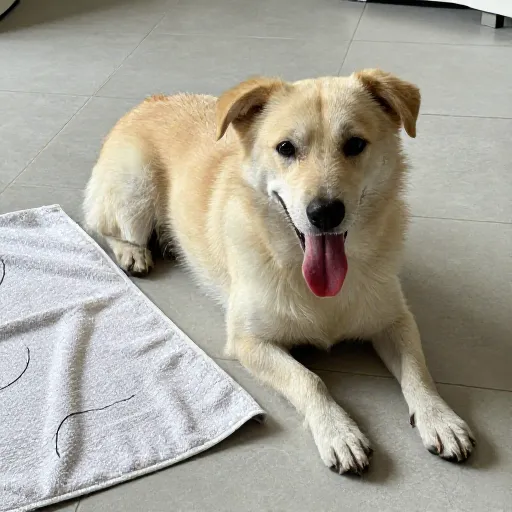
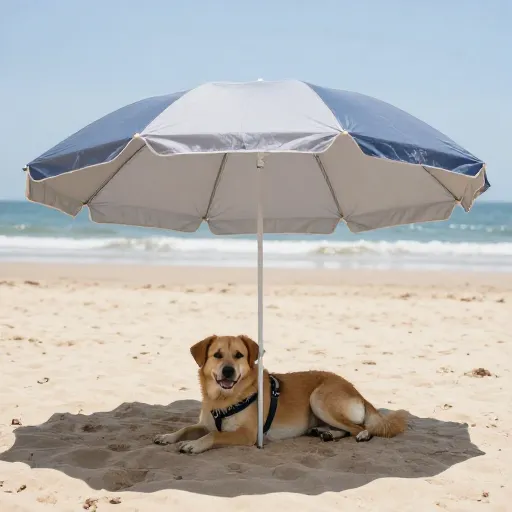
If you’re spending time in the backyard, make sure there’s a shady spot where your dog can escape the sun. A tree, a covered porch, or even a pop-up canopy works great.
I’ve noticed my dog will find the shade on her own, but I still check to make sure she isn’t stuck in direct sunlight for too long. A kiddie pool in the shade is also a game-changer.
7. Use Pet-Safe Sunscreen
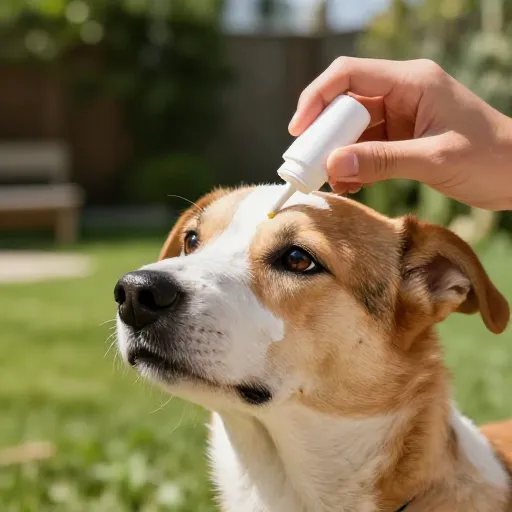
Yes, dogs can get sunburned too—especially on their noses, ears, and bellies. I use a sunscreen made specifically for pets. Human sunscreen often contains ingredients like zinc oxide that are toxic to dogs.
Apply it to exposed areas before heading out for extended time in the sun. This is especially important for dogs with light-colored fur or thin coats.
8. Keep Your Dog Away from Fireworks
Fireworks are a big no for most dogs. The loud noises can cause extreme anxiety, and some dogs will try to run away. I always keep my dog indoors during fireworks displays, and I create a cozy, quiet space for her.
Turn on some music or the TV to drown out the noise. If your dog is really anxious, talk to your vet about calming aids. Safety first, fun later.

9. Be Careful Around Water
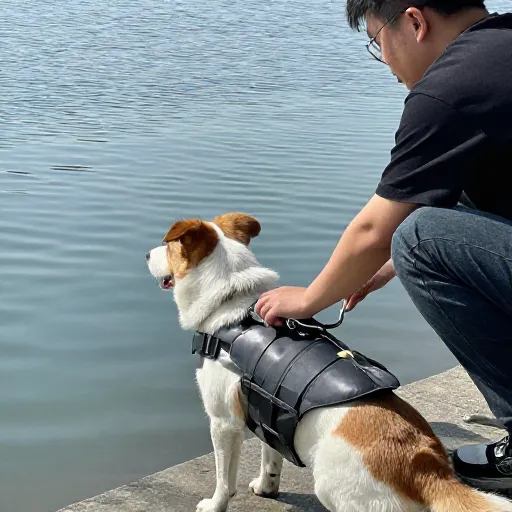
Not all dogs are natural swimmers, and even good swimmers can get tired or panicked. I never leave my dog unsupervised near pools, lakes, or the ocean. A life jacket is a great investment if you’re going boating or playing near deep water.
Also, rinse your dog off after swimming to remove chlorine, salt, and bacteria from their coat. It’s a simple step that prevents skin irritation.
10. Watch Out for Pests
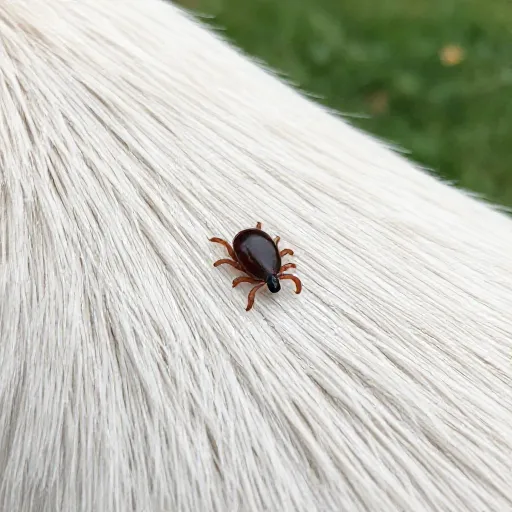
Summer means fleas, ticks, and mosquitoes are out in full force. I make sure my dog is on a year-round preventive, but I double-check during the warmer months. Ticks can carry Lyme disease, and heartworm is spread by mosquitoes.
After every walk in tall grass or woods, I do a quick tick check. Pay special attention to ears, armpits, and between toes.
11. Avoid Overexertion
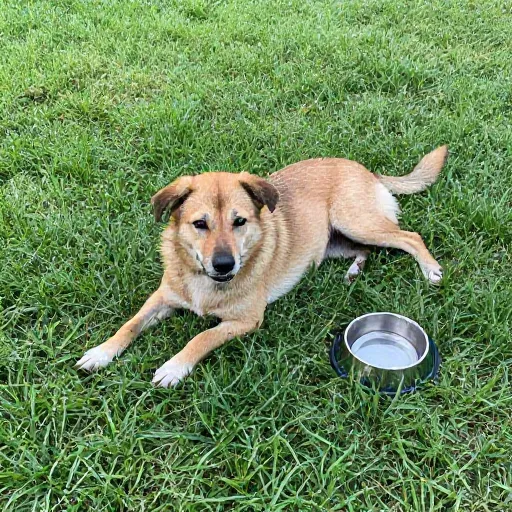
It’s easy to get carried away with summer fun, but dogs don’t always know when to stop. I keep play sessions shorter on hot days and watch for signs of fatigue. If my dog starts lagging behind or panting excessively, we take a break.
Remember, age and breed matter. Senior dogs and brachycephalic breeds tire out faster. Listen to your dog—they’ll tell you when they’ve had enough.
12. Skip the Ice Water Myth
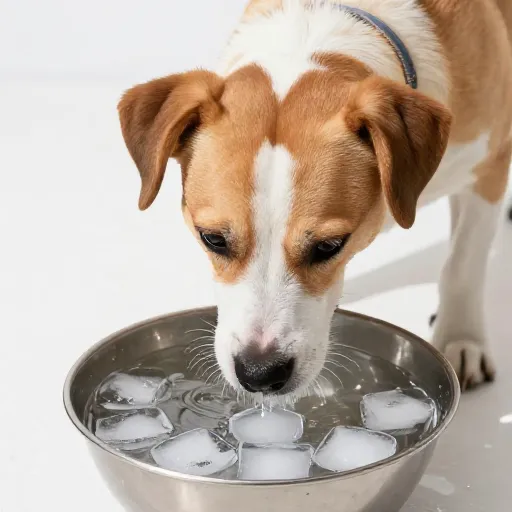
You might have heard that giving dogs ice water is dangerous, but that’s mostly a myth. Ice water is fine for most dogs, but gulping down large amounts of cold water too fast can cause bloating. I give my dog cool (not ice-cold) water in small amounts.
If your dog loves ice cubes, that’s okay too. Just supervise and don’t let them inhale a whole bowl at once. Moderation is key.
13. Keep Toxic Plants and Foods Away
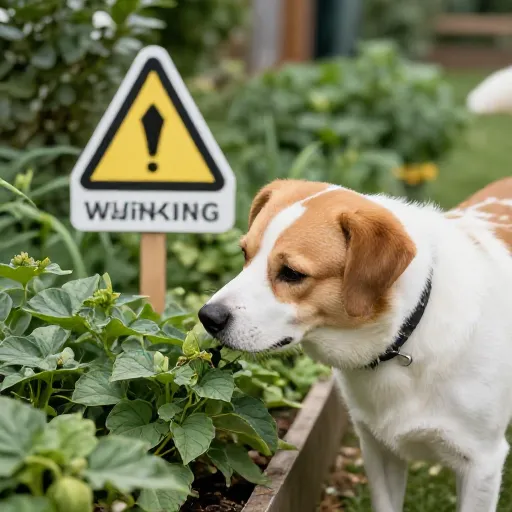
Summer barbecues and garden time mean more access to things that are bad for dogs. Grapes, raisins, onions, and chocolate are common culprits. Also, some summer plants like lilies and sago palms are toxic.
I keep a mental list of what’s off-limits and make sure guests know not to feed my dog scraps. A quick scan of the yard for dangerous plants is also a good habit.
14. Have a Summer Emergency Kit
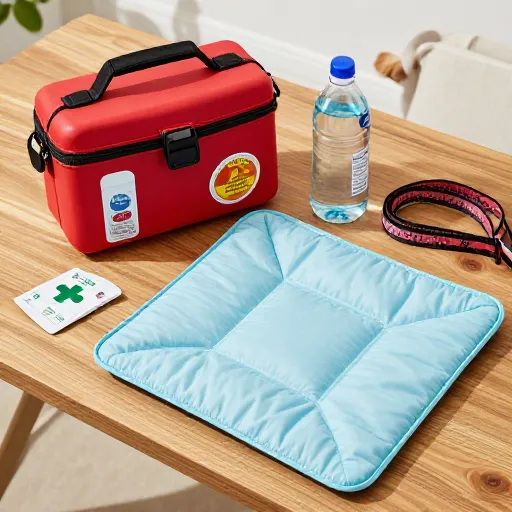
I put together a small kit for summer outings. It includes a first aid kit, extra water, a collapsible bowl, a cooling towel, and a list of emergency vet numbers. It lives in my car so I’m always prepared.
You never know when you’ll need it, but having it gives me peace of mind. Throw in some treats and a favorite toy, and you’re all set for any adventure.
Conclusion
Summer is meant to be enjoyed with your best furry friend, but a little planning goes a long way. These 14 dog safety tips for summer have helped me keep my pup safe, happy, and healthy through many hot seasons. I hope they do the same for you.
Remember, your dog relies on you to make smart choices. Stay alert, stay prepared, and soak up all the sunshine safely. Here’s to a summer full of wagging tails and happy memories.
Frequently Asked Questions
Can I walk my dog in 90-degree weather?
I’d avoid it if possible. If you must, walk early in the morning or late in the evening, keep it short, and stick to shaded areas. Always check the pavement first.
How do I know if my dog is dehydrated?
Look for dry gums, excessive panting, loss of appetite, and lethargy. You can also gently pinch the skin on their back—if it doesn’t snap back quickly, they may be dehydrated.
Is it safe to give my dog ice cream?
Most human ice cream contains sugar and dairy that can upset your dog’s stomach. Instead, try a frozen treat made for dogs or freeze some plain yogurt with fruit.
What should I do if my dog gets heatstroke?
Move them to a cool place immediately, offer small amounts of cool water, and wet their paws and belly with cool (not cold) water. Then call your vet right away.
How often should I apply pet sunscreen?
Reapply every few hours or after swimming. Check the label on your pet-safe sunscreen for specific instructions. I usually reapply if we’re out for more than two hours.