12 Dog Exercise and Fitness Tips That Actually Work
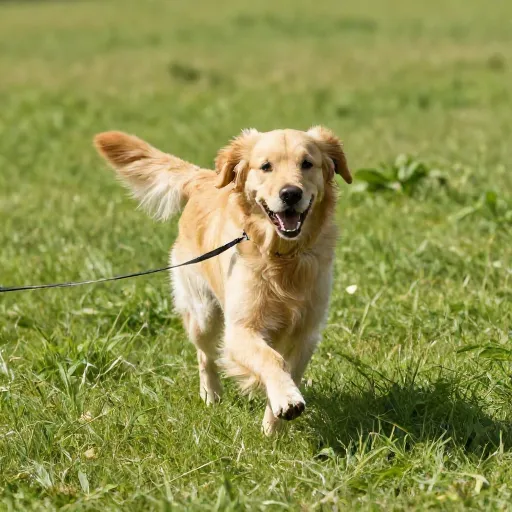
Keeping your dog active isn’t just about burning energy—it’s about building a happy, healthy bond. I’ve learned through trial and error that a tired dog is a good dog, but a well-exercised dog is a truly content one. Whether you have a high-energy herder or a couch-loving bulldog, these tips have transformed my daily walks into real fitness sessions.
Exercise prevents boredom, destructive behavior, and even health issues. But it doesn’t have to be complicated. You don’t need fancy gear or a gym membership. Just a little creativity and consistency. Let’s explore twelve practical ways to get your pup moving and loving every minute.
1. Start With a Warm-Up Walk
Just like us, dogs need a gentle start. I always begin with a five-minute slow walk before any running or fetching. This loosens their muscles and gets their heart ready for action.
On cold mornings, I let them sniff and stretch naturally. A warm-up reduces the risk of strains and makes the whole workout safer. Plus, it sets a calm tone before the fun begins.
2. Mix Up Your Walking Routes
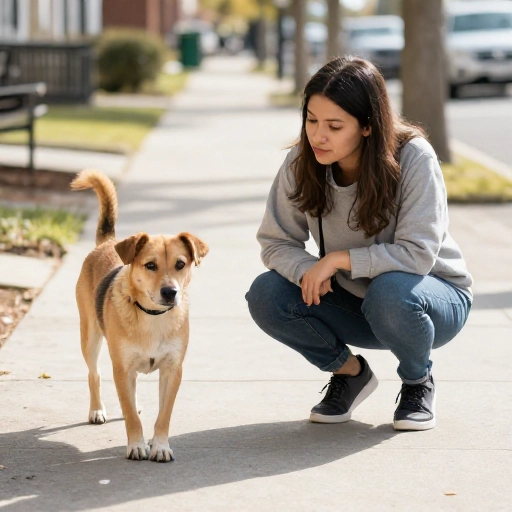
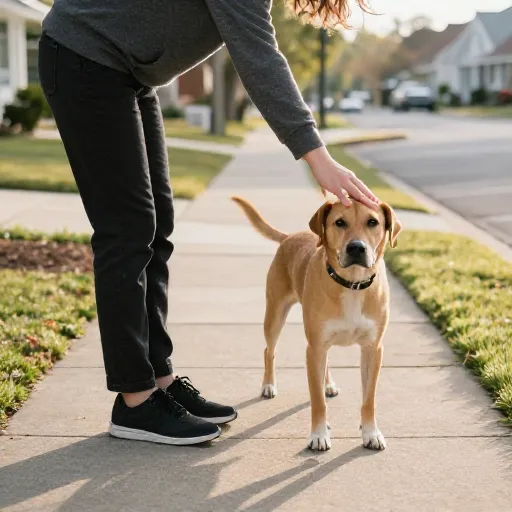
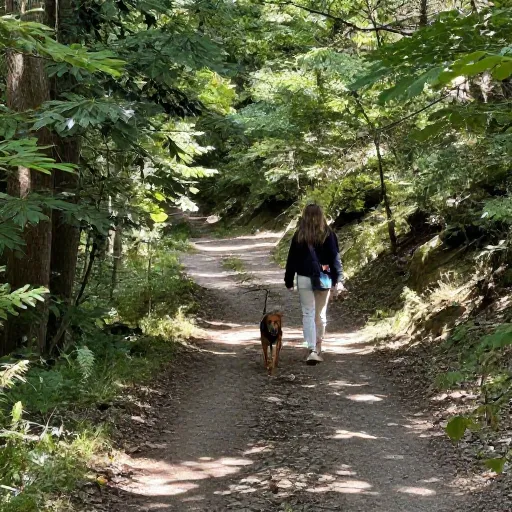
Same sidewalks every day can bore both of you. I switch between parks, neighborhoods, and even a quiet trail. New smells and sights create mental stimulation, which is just as tiring as physical effort.
Try walking backward one day or taking a different turn each block. Your dog will be more engaged, and you’ll both get a better workout from the varied terrain.
3. Play Fetch With Purpose
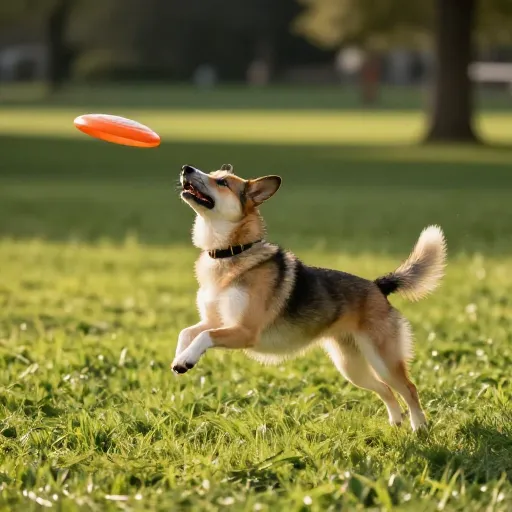
Fetch is classic, but I add rules. I throw the ball only after my dog sits or lies down. This adds mental discipline and prevents frantic, uncontrolled chasing.
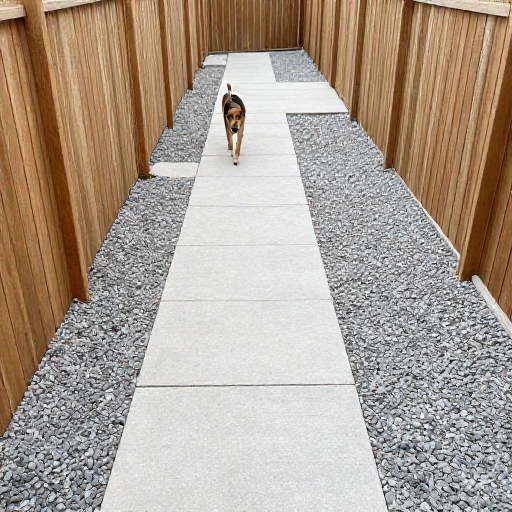
Use a long hallway or a fenced field. Short, intense sessions of ten minutes work better than an hour of half-hearted tossing. It builds focus and burns energy fast.
4. Try Interval Training on Walks
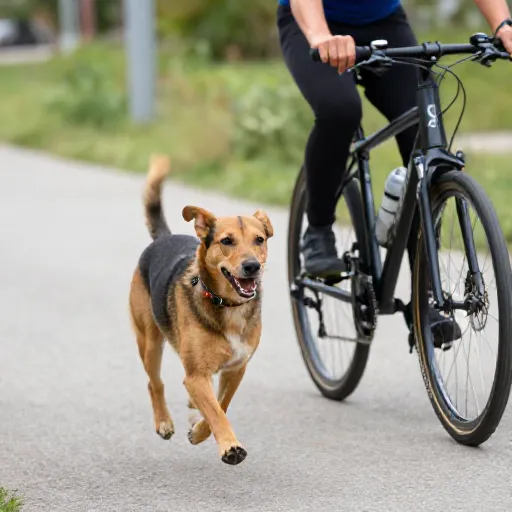
I alternate between brisk walking and slow sniffing. For example, two minutes of fast walking, then one minute of easy pace. This mimics natural movement patterns and boosts cardiovascular fitness.
My dog loves the unpredictability. It keeps her alert and makes our walks feel like a game. Start with short intervals and increase as your dog’s stamina grows.
5. Incorporate Stairs and Hills
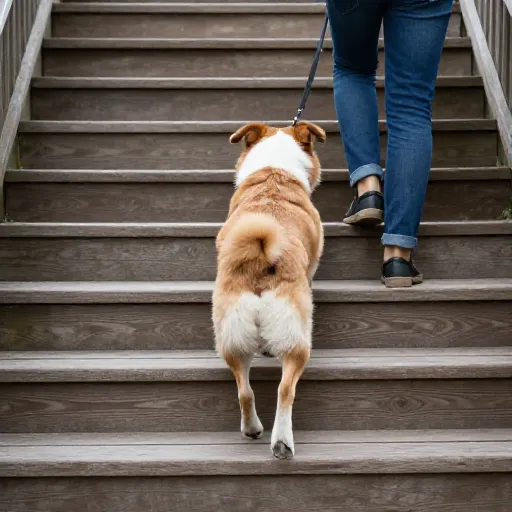
If you have stairs at home or a hill nearby, use them. I do a few rounds of stair climbing with my dog, rewarding her at the top. It’s a fantastic hind-leg strengthener.
Hills build endurance without high-impact running. Walk up slowly, then jog down. This low-impact workout is gentle on joints but tough on muscles.
6. Use Puzzle Toys for Indoor Exercise
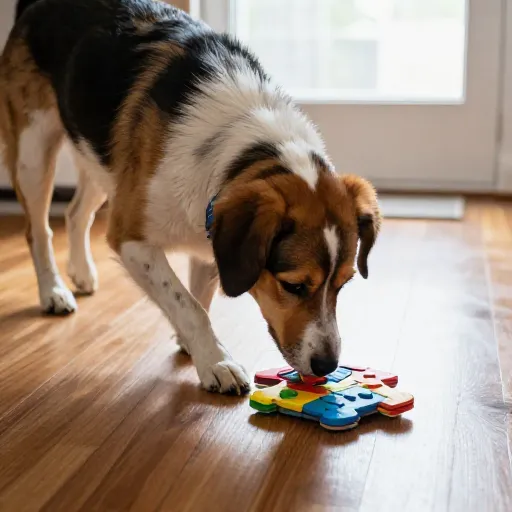
Not all fitness happens outside. I hide treats in a snuffle mat or a wobble toy that dispenses kibble. This engages their brain and body as they paw and nudge for rewards.
It’s perfect for rainy days or when you’re short on time. Fifteen minutes of puzzle play can tire a dog more than a long walk. Mental exercise counts too.
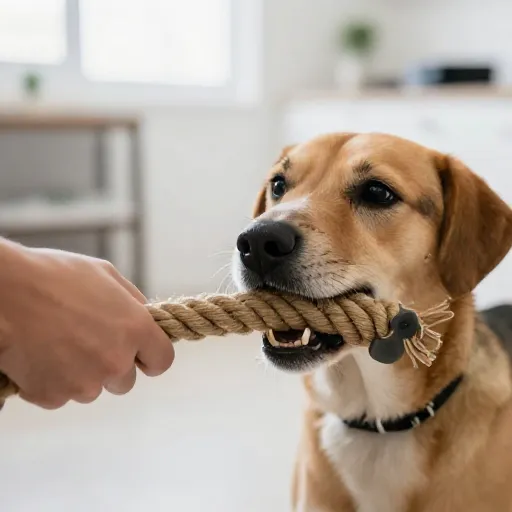
7. Practice Tug-of-War Safely
Tug-of-war is a great strength workout when done right. I use a designated rope toy and teach a “drop it” command. We play in short, controlled bursts.
Let your dog win sometimes, but also ask for a release. This builds impulse control and strengthens their neck and shoulders. Keep sessions under five minutes to avoid overstimulation.
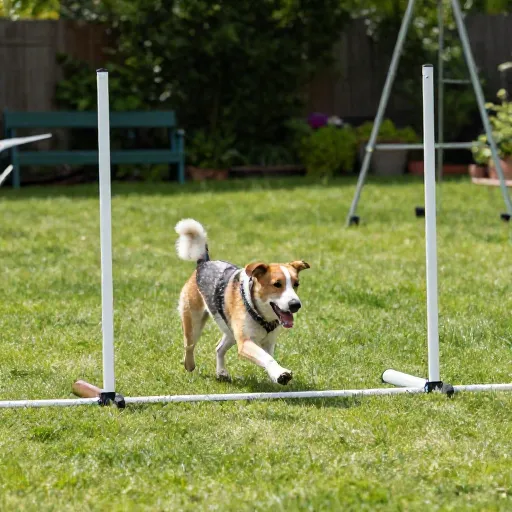
8. Set Up a DIY Agility Course
You don’t need professional equipment. I use cushions for jumps, a broomstick between chairs for a hurdle, and a cardboard box for a tunnel. My dog learns to follow my hand signals.
Agility boosts coordination, confidence, and cardiovascular health. Start with one obstacle, then add more. Reward every attempt, even if they knock things over.
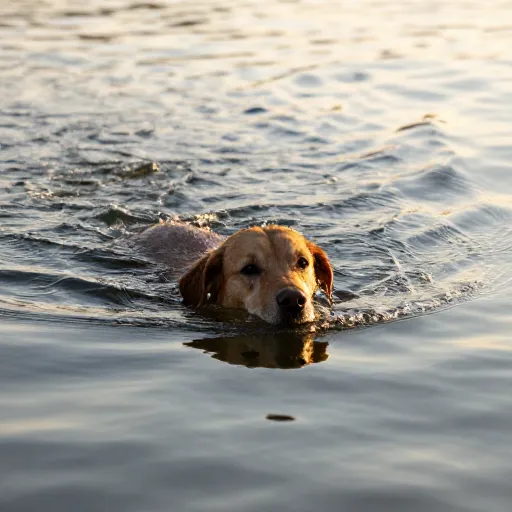
9. Incorporate Swimming for Low-Impact Fitness
Swimming is a full-body workout that’s easy on joints. I take my dog to a safe, calm lake or a dog-friendly pool. It’s especially good for older dogs or breeds prone to hip issues.
Always supervise and use a life vest for safety. Start with five minutes, then gradually increase. The resistance of water builds muscle without the pounding of running.
10. Schedule Rest Days and Active Recovery
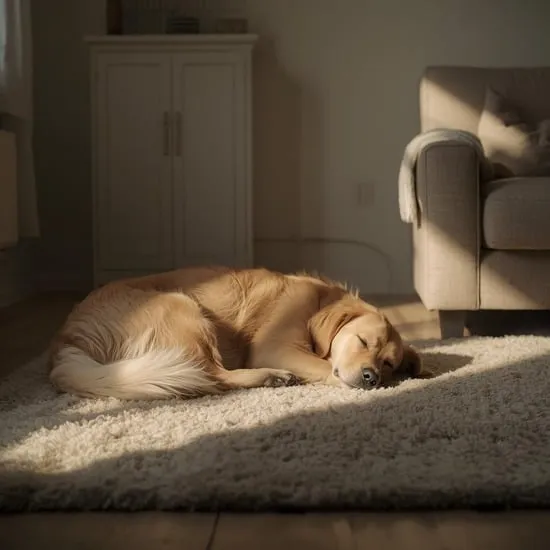
Overtraining can lead to injury. I plan one or two days per week of lighter activity, like a gentle sniff walk or a massage session. Active recovery helps muscles repair.
Watch for signs of fatigue: excessive panting, lagging behind, or reluctance to play. A rested dog is a stronger dog. Listen to their body as much as your own.

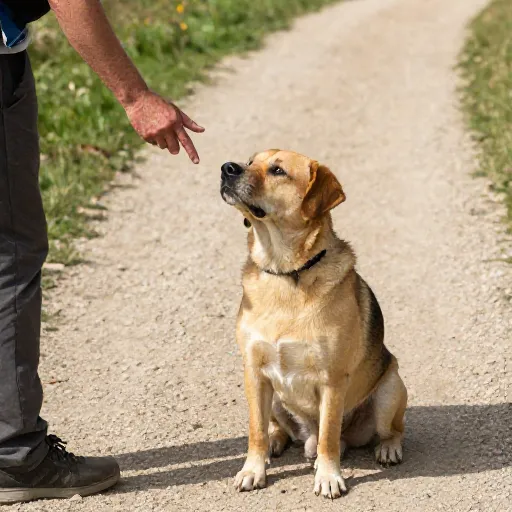
11. Use Hand Signals and Verbal Cues During Exercise
Communication makes workouts safer and more fun. I teach “left,” “right,” “slow,” and “stop” using hand signals. It’s like having a silent conversation while we move together.
Start with one cue at a time, using treats to reinforce. This mental engagement adds an extra layer of focus. It also strengthens your bond and makes off-leash adventures possible.
12. Track Progress With a Simple Log
I keep a small notebook or use a phone note to record daily activity: duration, type, and how my dog seemed. This helps me see patterns and adjust routines.
Notice when they seem more energetic or sluggish. Tracking helps you celebrate small wins, like a longer walk or a new trick. Consistency becomes easier when you see the results.
Conclusion
Exercise doesn’t have to be a chore. With these twelve tips, you can turn every day into a fun, healthy adventure for you and your dog. Start small, stay consistent, and always prioritize safety and enjoyment.
The best routine is the one you both look forward to. Your dog’s wagging tail will tell you everything you need to know. So grab that leash, lace up your shoes, and get moving together.
Frequently Asked Questions
How much exercise does my dog need each day?
It depends on breed, age, and health. Most adult dogs need 30 to 60 minutes of moderate activity daily. High-energy breeds may need more, while seniors may do well with shorter, gentler sessions.
Can I over-exercise my dog?
Yes, especially with puppies or brachycephalic breeds like bulldogs. Watch for heavy panting, limping, or refusal to move. Always include rest days and adjust based on weather and your dog’s signals.
What if my dog doesn’t like traditional exercise?
Try low-impact options like swimming, nose work, or slow sniffing walks. Some dogs prefer mental games. Experiment with different activities until you find what excites them.
Is it safe to run with my dog?
Yes, but start slow. Wait until your dog is fully grown (check with your vet). Begin with short intervals and use a harness for control. Always bring water and avoid hot pavement.
How do I keep my dog safe in hot weather?
Exercise early morning or late evening. Bring water, stick to shaded areas, and avoid asphalt. Know the signs of heatstroke: excessive drooling, panting, or weakness. When in doubt, skip the run.