8 Quick & Easy Balanced Homemade Dog Food Recipes for Busy Owners (Vet-Approved Ingredients)
Let’s be honest—between work, errands, and trying to squeeze in a workout, making homemade dog food can feel like a luxury you just don’t have time for. But here’s the thing: I’ve learned that with the right recipes, you can whip up healthy, balanced meals and treats in about the same time it takes to brew your morning coffee. No fancy equipment, no complicated steps, just real food your pup will absolutely devour.
Over the years, I’ve tested dozens of recipes in my own kitchen, and these eight are the ones I keep coming back to. They’re perfect for busy owners who want to skip the mystery ingredients in store-bought food, save a little money, and know exactly what’s going into their dog’s bowl. Whether you’re looking for a full meal replacement or a healthy training treat, this list has something for every tail-wagger. Let’s get cooking!
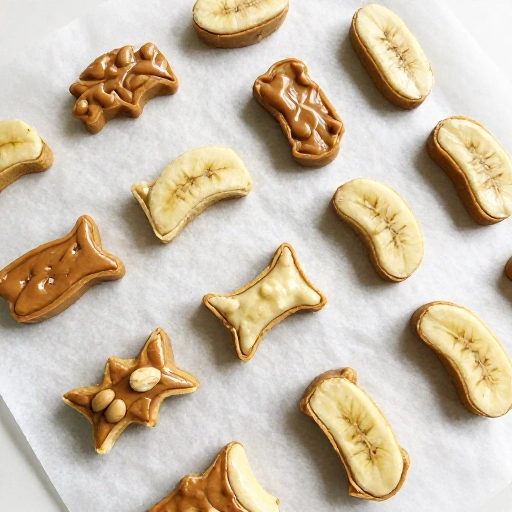
1. Peanut Butter & Banana Freezer Pups
These are my go-to for hot summer days or when I need a quick distraction for a hyper pup. The combination of creamy peanut butter and sweet banana is irresistible to most dogs, and the natural potassium from bananas supports muscle health and heart function.
- 1 ripe banana, mashed
- 3 tablespoons natural peanut butter (no xylitol, no added sugar)
- 1/2 cup plain Greek yogurt
- 1 tablespoon coconut flour (optional)
- Mix all ingredients in a bowl until smooth.
- Spoon the mixture into silicone molds or an ice cube tray.
- Freeze for 3-4 hours, then pop them out and store in a freezer bag.
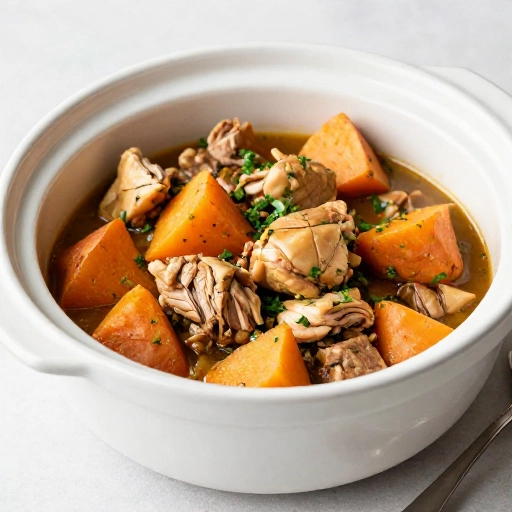
2. Chicken & Sweet Potato Slow-Cooker Stew
When I’m slammed and don’t have time to stand over a stove, my slow cooker does all the heavy lifting. This stew is packed with lean protein and fiber-rich sweet potatoes, which are gentle on sensitive tummies and great for maintaining steady energy levels throughout the day.
- 1 lb ground chicken (or diced chicken breast)
- 2 medium sweet potatoes, cubed
- 1 cup chopped green beans
- 1/2 cup frozen peas
- 2 cups low-sodium chicken broth
- Add everything to your slow cooker and give it a good stir.
- Cook on low for 4-5 hours, breaking up the meat halfway through.
- Let cool completely, then portion into airtight containers for the fridge or freezer.
3. Pumpkin & Oatmeal No-Bake Bites
If your dog has a sensitive stomach, these little bites are a lifesaver. Pumpkin is packed with soluble fiber that helps regulate digestion, while oats provide a gentle, gluten-free source of carbs that keeps them full without the bloat.
- 1/2 cup canned pumpkin (not pie filling)
- 1/2 cup rolled oats
- 2 tablespoons almond butter
- 1/4 teaspoon cinnamon (optional, for flavor)
- Combine all ingredients in a bowl and mix until a thick dough forms.
- Roll into small bite-sized balls using your hands.
- Refrigerate for 30 minutes to firm up, then serve or store in the fridge.
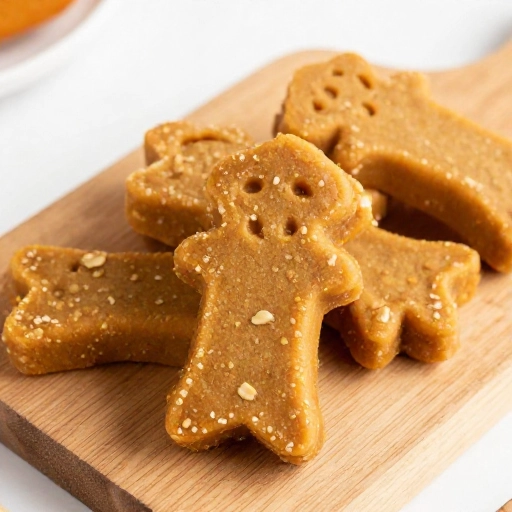
4. Beef & Brown Rice Everyday Bowl
This is the recipe I make for my own dog when I want a complete, balanced meal that covers all the bases. Ground beef provides iron and protein, while brown rice offers slow-release carbs for steady energy. It’s simple, filling, and uses ingredients you probably already have in your pantry.
- 1 lb lean ground beef (90% lean)
- 1 cup cooked brown rice
- 1/2 cup chopped carrots
- 1/2 cup chopped spinach
- 1 tablespoon olive oil
- Brown the ground beef in a large skillet over medium heat, draining excess fat.
- Add the carrots and spinach, cooking for 5 minutes until softened.
- Stir in the cooked rice and olive oil, then let cool before serving.
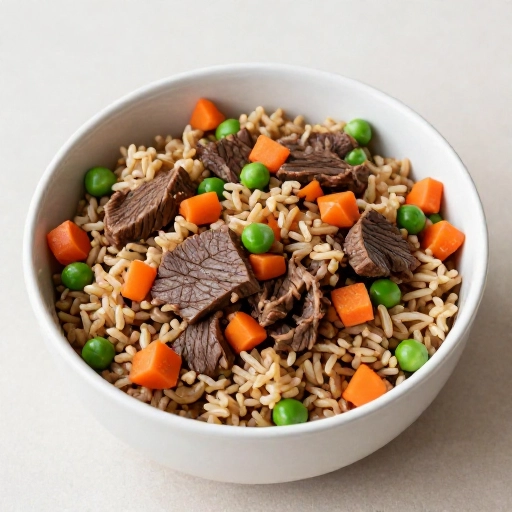
5. Salmon & Quinoa Omega-3 Delight
For dogs with dry, itchy skin, this recipe is a game-changer. Salmon is loaded with omega-3 fatty acids that promote a shiny coat and reduce inflammation, while quinoa provides a complete protein source that’s easy to digest. My picky eater goes crazy for this one.
- 1 can of wild-caught salmon (drained) or 1 baked salmon fillet
- 1/2 cup cooked quinoa
- 1/4 cup chopped zucchini
- 1 tablespoon flaxseed oil
- Flake the salmon and remove any bones.
- Mix the salmon with quinoa and zucchini in a bowl.
- Drizzle with flaxseed oil and serve fresh, or refrigerate for up to 3 days.
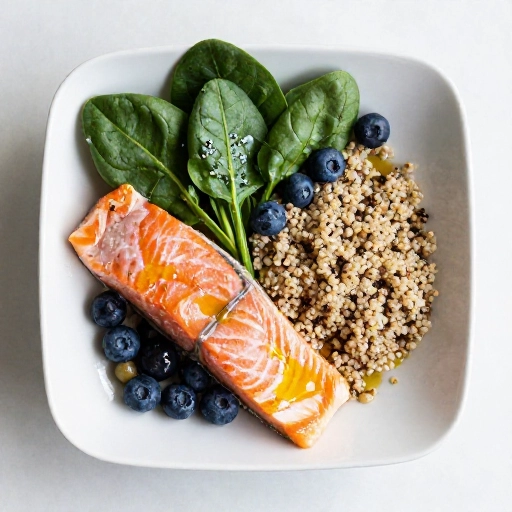
6. Turkey & Apple Training Treats
I always keep a jar of these in my treat pouch during training sessions. Lean turkey keeps the calorie count low, while apples provide a natural sweetness that dogs love. The baking process creates a crunchy texture that’s perfect for rewarding good behavior.
- 1 lb ground turkey
- 1/2 cup grated apple (no seeds)
- 1 egg
- 1/2 cup oat flour
- Preheat your oven to 350°F (175°C).
- Mix all ingredients in a bowl until well combined.
- Roll into small balls, flatten slightly, and bake for 15-18 minutes until golden.
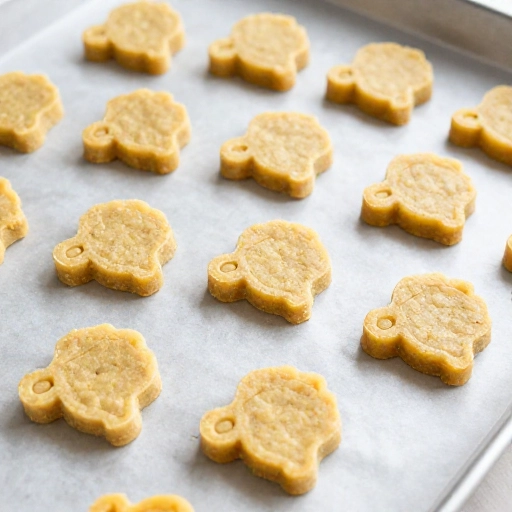
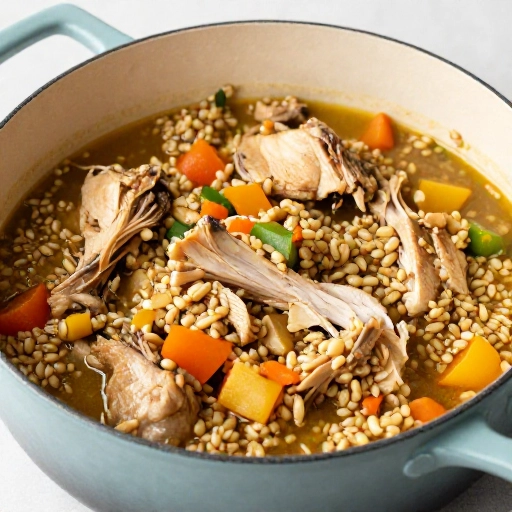
7. Veggie-Packed Turkey & Barley Stew
This hearty stew is a great way to sneak extra veggies into your dog’s diet. Barley is a fantastic source of soluble fiber that supports gut health, and the mix of colorful vegetables provides a wide range of vitamins and antioxidants to boost their immune system.
- 1 lb ground turkey
- 1 cup cooked pearl barley
- 1/2 cup diced butternut squash
- 1/2 cup chopped broccoli florets
- 2 cups water or low-sodium broth
- Brown the turkey in a large pot over medium heat.
- Add the vegetables, barley, and liquid, then bring to a simmer.
- Cook for 20 minutes until vegetables are tender, then cool and serve.
8. Blueberry & Chia Energy Balls
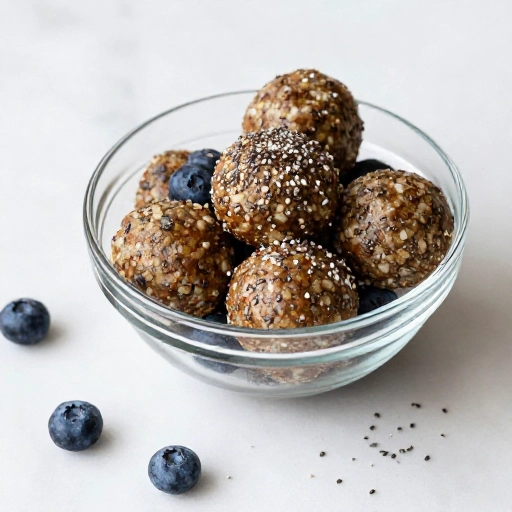
These no-bake energy balls are packed with antioxidants from blueberries and omega-3s from chia seeds, making them a superfood snack for your furry friend. They’re perfect for a post-walk pick-me-up or a quick bite before heading out the door.
- 1/2 cup fresh or frozen blueberries
- 1/4 cup chia seeds
- 1 cup unsweetened shredded coconut
- 1/4 cup tahini or sunflower seed butter
- Blend the blueberries in a food processor until mashed.
- Mix in the chia seeds, coconut, and tahini until a sticky dough forms.
- Roll into small balls and refrigerate for at least 1 hour before serving.
Tips & Safe Baking Guidelines
Before you start batch-cooking for your pup, here are a few golden rules I always follow to keep things safe and shelf-stable.
First, always let any cooked food cool completely before storing. I like to portion meals into individual containers right away so they’re grab-and-go ready for busy mornings. Most of these recipes will keep in the fridge for 3-4 days or in the freezer for up to 3 months. Just thaw overnight in the fridge before serving.
When it comes to ingredients, always avoid xylitol (a common sweetener that’s toxic to dogs), onions, garlic, grapes, raisins, and chocolate. For peanut butter, make sure it’s the natural kind with no added sugar or artificial sweeteners. And when in doubt, run any new recipe by your vet—especially if your dog has specific health conditions or dietary restrictions.
One more tip: start with small portions when introducing any new food to your dog’s diet. This helps you monitor for any allergies or digestive upsets. I usually do a 50/50 mix of the new homemade food with their regular kibble for the first few days.
I honestly never thought I’d be the person who cooks fresh meals for my dog, but once I saw the difference in his coat, energy levels, and overall happiness, I was hooked. It doesn’t have to be complicated or time-consuming—these eight recipes prove that you can give your dog amazing, healthy food even on your busiest days. Start with just one recipe this weekend and see how much your pup appreciates the effort. Trust me, the tail wags are worth it.
Frequently Asked Questions
Can I feed my dog homemade food every day?
Yes, you absolutely can, but it’s important to make sure the recipes are nutritionally balanced. I recommend rotating between a few different protein sources and including a variety of vegetables to cover all the essential nutrients. For long-term feeding, it’s always smart to consult with your vet or a veterinary nutritionist to tailor the recipes to your dog’s specific needs.
How do I know what portion size to give my dog?
A good starting point is about 2-3% of your dog’s ideal body weight per day, divided into two meals. For example, a 30-pound dog would eat roughly 10-15 ounces of food daily. However, every dog is different, so monitor their weight and adjust accordingly. If they’re gaining weight, reduce portions; if they’re losing weight, increase them.
Can I use frozen vegetables in these recipes?
Definitely! Frozen vegetables are often just as nutritious as fresh ones since they’re flash-frozen at peak ripeness. Just make sure to thaw them before using and avoid any that are seasoned or contain added salt or sauces.
How long can I store homemade dog food in the refrigerator?
Most of these recipes will stay fresh in an airtight container in the fridge for 3-4 days. If you want to keep them longer, I highly recommend freezing individual portions. They’ll keep for up to 3 months in the freezer, and you can simply thaw them overnight in the fridge when needed.
What should I do if my dog has allergies?
If you suspect your dog has food allergies, start with a single-ingredient recipe like the Turkey & Apple treats and see how they react. Common allergens for dogs include beef, chicken, dairy, and wheat. Stick to novel proteins like turkey, salmon, or duck, and always introduce new ingredients one at a time so you can pinpoint any sensitivities. And of course, consult your vet before making major dietary changes.