12 Healthy Dog Signs From Bright Eyes to Steady Energy (Every Owner Should Know)
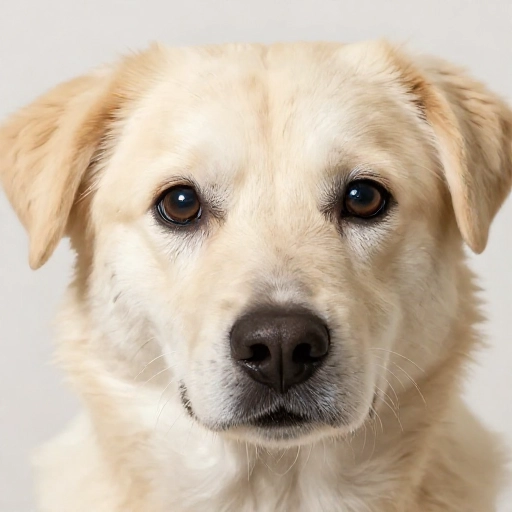
As a dog owner, I’m always playing detective with my pup’s health. A tiny change in energy or a dull look in their eyes can send me straight to Google. But over the years, I’ve learned that a truly healthy dog shows certain reliable signs — and they’re often simple to spot once you know what to look for.
These 12 healthy dog signs range from bright eyes to steady energy, and they cover everything from coat condition to digestion. None of them require a vet degree. You just need a few minutes of daily observation and a little intuition.
I’ve put together the exact checklist I use for my own dog. It helps me catch small issues early and celebrate the good days even more. Let’s dive in.
1. Bright, Clear Eyes
When I look into my dog’s eyes, I want to see sparkle, not cloudiness. Healthy dog eyes are bright, moist, and free of thick discharge. The whites should be white, not red or yellow.
A little bit of clear tearing after a nap is normal. But if I see green gunk, squinting, or my dog pawing at their face, that’s a red flag.
I check my dog’s eyes every morning during our cuddle session. It takes two seconds, and it tells me a lot about how they’re feeling.
2. A Shiny, Healthy Coat
A soft, glossy coat is one of the most visible healthy dog signs. When I run my hand over my dog’s back, it should feel smooth and slightly oily — not dry, flaky, or greasy.
Dull fur often means something’s off: poor nutrition, allergies, or even thyroid issues. I also look for bald patches, dandruff, or constant scratching.
I’ve found that a good diet with omega-3s keeps my dog’s coat looking like a show dog’s. And regular brushing spreads natural oils from the skin to the ends of the hair.

3. Steady Energy All Day
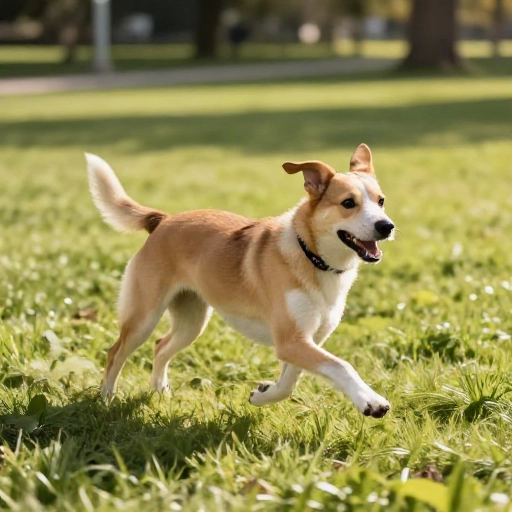
I love a dog who’s up for a walk but also happy to nap while I work. That balance is a huge sign of health. Steady energy means my dog has stamina for play, then settles down without crashing.
If my dog suddenly becomes a couch potato or paces nonstop, I pay attention. Both extremes can signal pain, anxiety, or illness.
For me, the sweet spot is a dog who greets me with a wagging tail, enjoys a good sniffari, and then curls up peacefully. That rhythm tells me their body and mind are in sync.
4. A Healthy Appetite
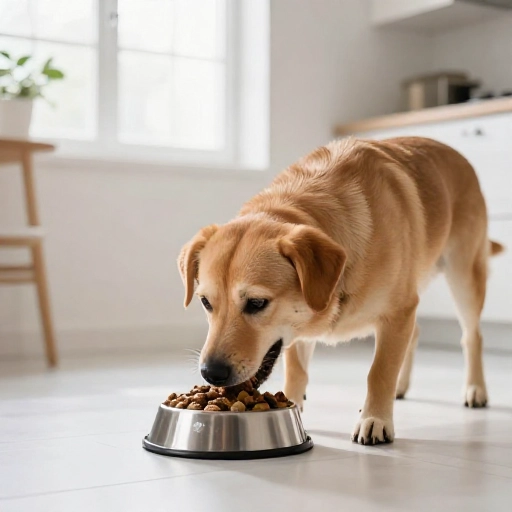
My dog rarely skips a meal, and that’s a good thing. A consistent appetite — finishing food without gulping or grazing — is a simple healthy sign. It means their digestion and metabolism are working well.
I watch for sudden changes: refusing food for more than a day, or eating like they’re starving all the time. Both can be clues to dental pain, stomach issues, or even diabetes.
Treats are fine, but I keep them small so I don’t accidentally ruin my dog’s dinner. A balanced appetite is worth protecting.
5. Good Hydration Habits
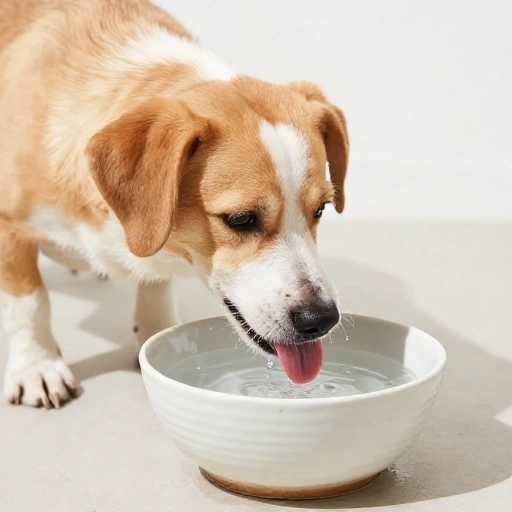
Water is the easiest health marker I track. A healthy dog drinks regularly and pees normal amounts. I refill the bowl at least twice a day and notice if it’s suddenly empty or untouched.
Excessive drinking can point to kidney problems or diabetes. Too little water can lead to dehydration, especially in summer. I also check my dog’s gums and skin elasticity if I’m worried.
Adding a little water to kibble or offering a pet fountain has helped my picky drinker stay hydrated without fuss.
6. Fresh Breath (Mostly)
I don’t expect minty-fresh dog breath, but it shouldn’t smell like rotting fish. Mild “doggy breath” is normal. A strong, foul odor usually means dental disease or gut trouble.
I brush my dog’s teeth a few times a week — not perfect, but it helps. Healthy gums are pink, not red or bleeding. I also give dental chews that actually work.
If my dog’s breath suddenly changes, I check for tartar buildup or a loose tooth. Sometimes a vet cleaning is all it takes to fix the smell.
7. Pink, Moist Gums
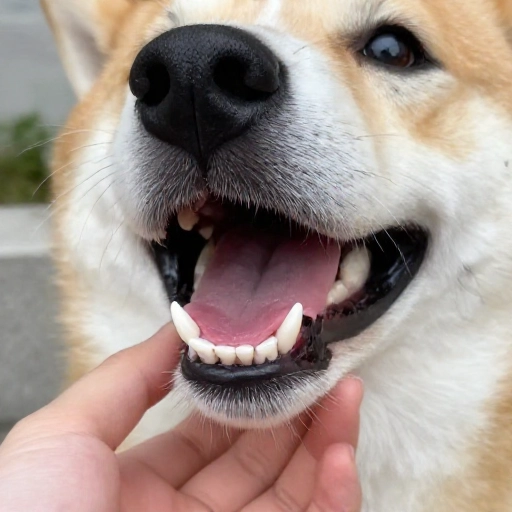
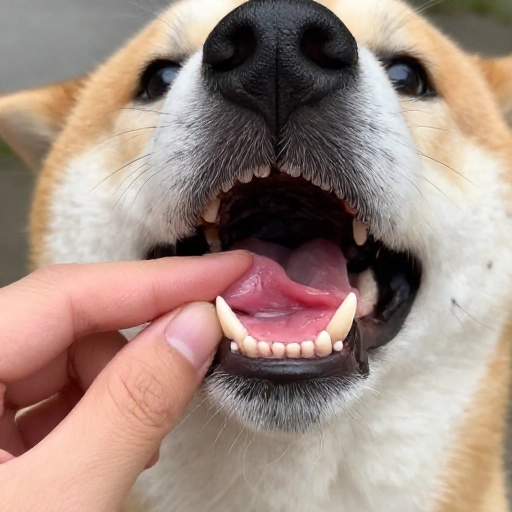
Gums tell a quick story about circulation and hydration. I gently lift my dog’s lip and press a finger on the gum. It should turn white, then pink again within two seconds. That’s good capillary refill.
Pale, white, or blue gums are emergencies. Bright red gums can mean inflammation or overheating. I also look for bleeding or swelling along the gumline.
My dog’s gums are usually a healthy bubblegum pink. When they’re dry and tacky, I know it’s time to offer water and maybe a vet call.
8. Regular, Easy Digestion
Poop isn’t glamorous, but it’s one of the best healthy dog signs. I want well-formed, chocolate-brown logs that are easy to pick up. No mucus, no blood, no watery mess.
My dog goes at roughly the same times each day. Sudden diarrhea, constipation, or gas can mean a diet change, parasite, or stress. I keep a simple food diary when things get weird.
Probiotics and pumpkin puree have saved us more than once. But if digestion issues last more than a day or two, I call the vet.
9. Alert, Curious Behavior
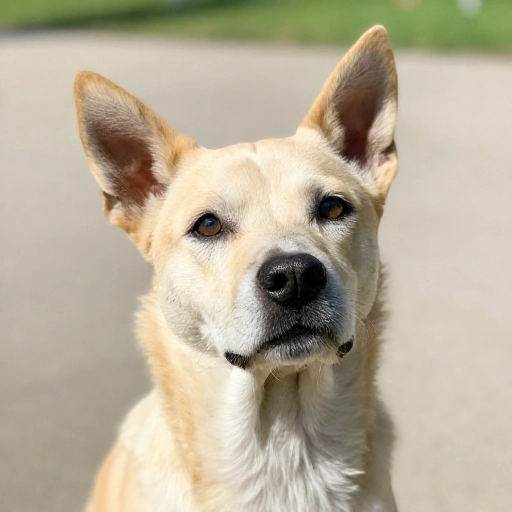
A healthy dog is interested in the world. My dog perks up when I grab the leash, sniffs every new smell, and watches birds out the window. That curiosity is a quiet sign that their brain and senses are sharp.
If my dog stops responding to sounds, avoids eye contact, or seems “checked out,” I take note. Pain, hearing loss, or cognitive decline can look like laziness.
I keep training sessions short and fun to keep my dog engaged. A curious dog is usually a comfortable dog.
10. Healthy Weight and Body Condition
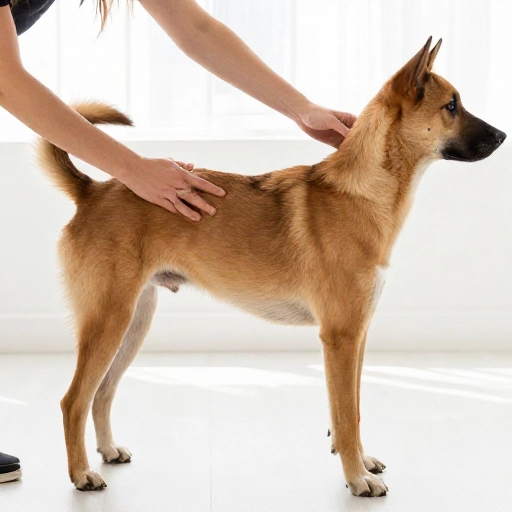
I can feel my dog’s ribs easily without seeing them. From the side, there’s a slight tuck at the belly. From above, a visible waist. That’s ideal body condition — not too thin, not too round.
Obesity is one of the most common health problems I see in dogs. It leads to joint pain, heart issues, and diabetes. I measure my dog’s food with a cup, not a scoop-and-guess method.
Weigh-ins at home every month keep me honest. If the collar feels tight or my dog slows down on walks, I adjust portions and treats first.
11. Restful Sleep and Recovery
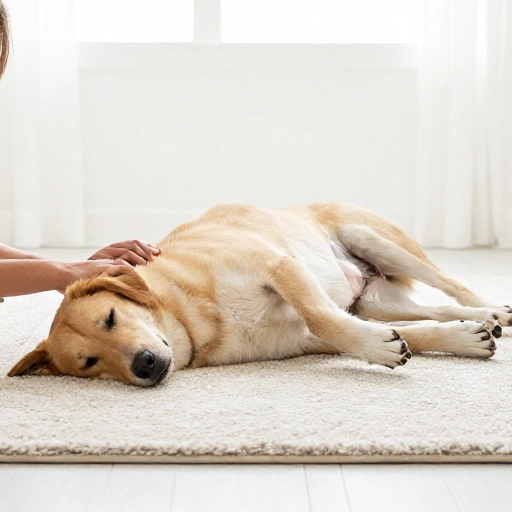
My dog sleeps a lot — 12 to 14 hours a day is normal for many adults. But the quality matters. A healthy dog sleeps deeply, stretches when they wake, and doesn’t toss and turn all night.
Restless sleep, pacing at night, or sudden insomnia can signal pain, anxiety, or aging changes. I keep a cozy bed in a quiet corner and stick to a bedtime routine.
After a long hike, my dog naps hard and wakes up refreshed. That recovery ability is a great sign that their body is repairing itself well.

12. Pain-Free Movement and Play
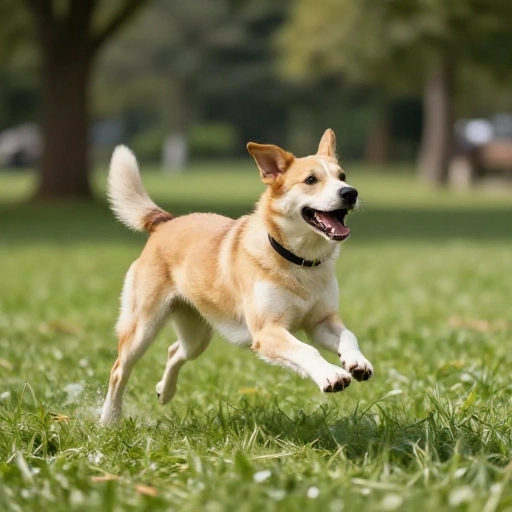
I love watching my dog run, jump, and do the “zoomies.” Smooth, symmetrical movement without stiffness or yelping is a top healthy sign. They should rise easily and climb stairs without hesitation.
Limping, reluctance to jump, or slowing down on walks can mean arthritis, injury, or something else. I check paws for cuts and feel joints for heat or swelling.
Joint supplements and regular, moderate exercise keep my dog moving comfortably. If they ever cry out or refuse to move, I don’t wait — I call the vet.
Conclusion
None of these 12 signs require a medical degree. They’re just everyday observations I’ve turned into a simple health check. Bright eyes, steady energy, a shiny coat, and easy digestion are my green flags.
When something feels off, I trust my gut. My dog can’t tell me what’s wrong, but their body usually whispers before it shouts. Watching for these signs helps me act early and keep tails wagging.
Print this list or save it to your phone. A quick weekly scan can make a huge difference in your dog’s long, happy life.
Frequently Asked Questions
How often should I check my dog’s health signs?
I do a quick once-over daily during cuddle time, and a more thorough check weekly. Monthly weigh-ins and a yearly vet exam round it out.
What’s the first sign that my dog might be sick?
For me, it’s a change in energy or appetite. If my dog skips a meal or seems unusually tired for two days, I start paying close attention.
Is a cold, wet nose a sign of health?
Not really. A cold, wet nose is normal for many dogs, but a warm, dry nose can also be normal. It’s not a reliable health indicator on its own.
Can bad breath mean something serious?
Yes. Persistent foul breath often points to dental disease, which can affect the heart and kidneys if untreated. A vet cleaning usually helps.
When should I call the vet instead of watching at home?
If I see blood, repeated vomiting, limping that lasts more than a day, or my dog seems painful, I call right away. Trust your instinct — you know your dog best.