Puppy Schedule by Age: 8 Weeks to 12 Months (The Routine That Actually Works)
When I brought my first puppy home, I had a folder full of advice and zero idea what an actual day should look like. I remember standing in my kitchen at 6 a.m. wondering if it was too early to feed her, too late to take her out, or if I’d already ruined everything.
Turns out puppies don’t need a perfect schedule. They need a predictable one that changes as they grow. A 9-week-old and a 9-month-old are basically different species, and the routine that worked at one stage will feel ridiculous at the next.
So here’s the age-by-age plan I’ve pieced together over the years, from that exhausting first week to the “oh wow, you’re actually a dog now” phase at a year old. Adjust the exact times to your life — the rhythm matters more than the clock.
8 Weeks: The First Week Home Is About Survival, Not Perfection
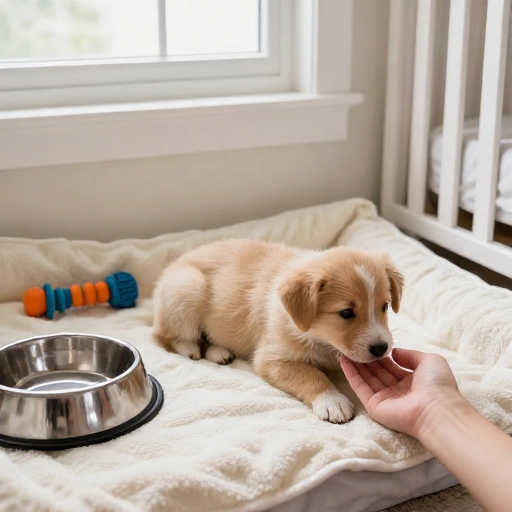
Your puppy just left everything she knew. She’s tiny, she’s confused, and her bladder is roughly the size of a walnut. This week, forget obedience and focus on three things: potty breaks, naps, and feeling safe.
At 8 weeks, expect to take her out every 1 to 2 hours while awake, plus once or twice overnight. Yes, really. Feed three to four small meals a day, and take her out within 10 minutes of every meal.
A simple day might look like this:
- 6:30 a.m. — potty, breakfast, potty again
- 7:30 a.m. — short play, then crate nap
- 10:00 a.m. — potty, lunch, gentle cuddle time
- 11:30 a.m. — nap
- 2:00 p.m. — potty, play, nap
- 5:30 p.m. — dinner, potty, calm chew time
- 8:30 p.m. — potty, wind down, bed
Puppies this age sleep 18 to 20 hours a day. If she’s biting like a tiny shark, she’s probably overtired — not naughty.
9 to 10 Weeks: Short Training Sessions and a Potty Rhythm That Sticks
By now your puppy has figured out where the food comes from and that you’re the warm one. This is your window to build a potty rhythm she’ll actually remember.
Take her out at the same times every day — first thing, after every meal, after every nap, after every play session, and right before bed. Say the same word each time and reward immediately when she goes. Within a couple of weeks you’ll see her start heading for the door.
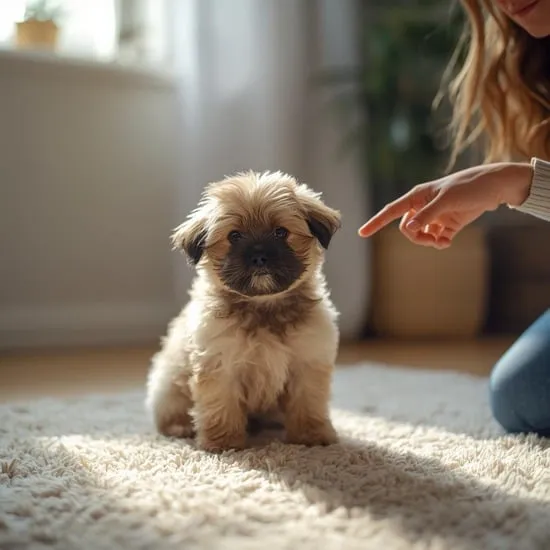
Training sessions should be 2 to 3 minutes, several times a day. That’s it. Sit, name recognition, and coming when called are plenty. End every session while she still wants more.
Also start gentle handling practice: touch her paws, ears, and mouth for a few seconds and reward her for staying calm. Future-you at the vet’s office will be grateful.
11 to 12 Weeks: The Socialization Window Is Wide Open
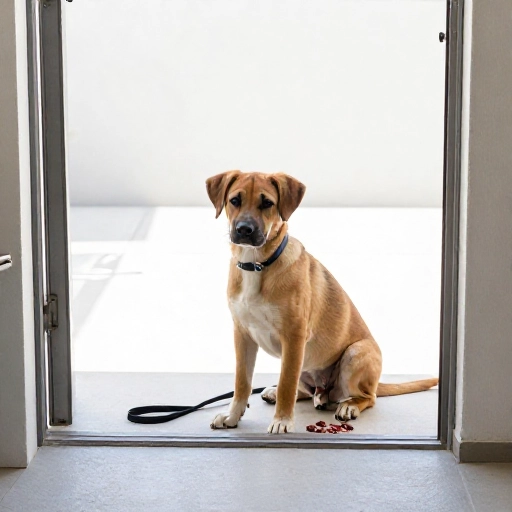
This is the big one. Between roughly 8 and 16 weeks, puppies form lifelong impressions about the world. After that window narrows, new things get a lot scarier.
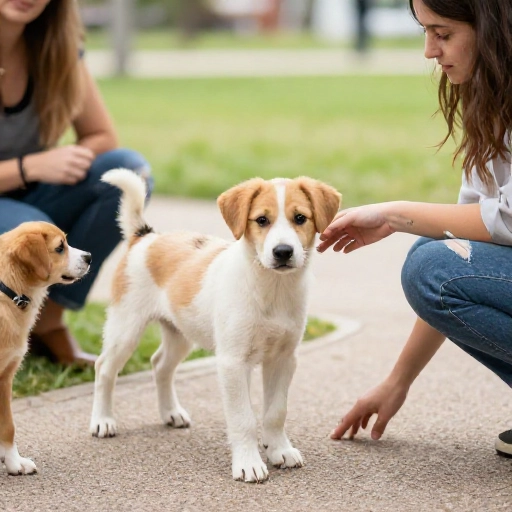
You don’t need to take her everywhere. You need her to safely experience a variety of sounds, surfaces, people, and gentle dogs. Carry her if she isn’t fully vaccinated yet.
Ideas for the week:
- Walk on grass, gravel, pavement, and a metal grate
- Hear vacuums, blenders, traffic, and thunder recordings at low volume
- Meet people in hats, sunglasses, and beards
- Ride in the car for five minutes just for fun
Keep everything positive. If she freezes or backs away, slow down and add distance instead of pushing through.
3 to 4 Months: Teething, Chewing, and Serious Nap Protection
Welcome to the land of needle teeth. Your puppy’s baby teeth are loosening and her mouth hurts, so everything looks chewable — including your favorite sneakers.
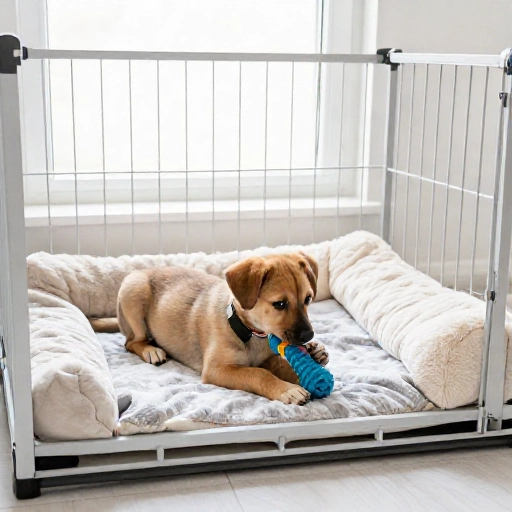
Give her frozen carrots, chilled washcloths, or puppy-safe chew toys. Rotate toys so they feel new. And if she’s nipping at you, redirect to a toy and take a short break instead of yelling.
Naps become your secret weapon around now. A puppy who’s awake too long turns into a bitey tornado. Aim for a nap after every 1 to 1.5 hours of activity, and don’t feel bad about enforcing crate quiet time.
Meals can drop to three a day at this stage, and potty breaks can stretch to every 2 to 3 hours. Overnight, she may finally start sleeping through — if you’ve been keeping her crate small and her last potty late.
4 to 5 Months: Leash Manners and Real Walks
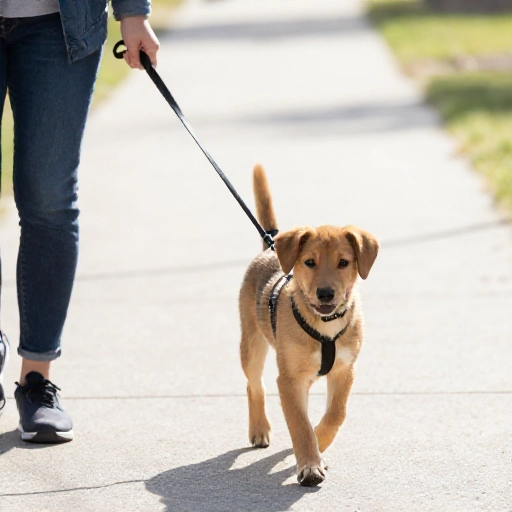
This is where walks start to feel like actual walks instead of a wrestling match. Your puppy’s confidence is growing, and she can handle a bit more structure.
Start with 5 to 10 minute leash sessions in a low-distraction spot. Reward her for walking beside you. If she pulls, stop moving until the leash loosens. She’ll learn fast that pulling gets her nowhere.
Keep walks short — a general rule is five minutes of structured walking per month of age, twice a day. That’s plenty for growing joints and still leaves energy for training and play.
Around this age I also start simple commands like “leave it,” “wait,” and “drop it.” Reward heavily. These are the commands that save you later.
5 to 7 Months: Adolescent Energy and a Whole Lot of Boundary Testing
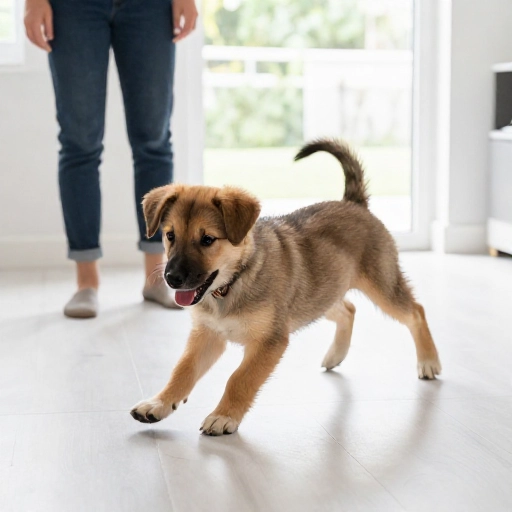
Your sweet puppy just discovered attitude. She’ll ignore you, “forget” her training, and act like she’s never heard the word “sit.” This is normal. Her brain is being rewired by hormones.
Hold the line on structure. Meals, walks, naps, and training stay roughly the same time each day, because predictability is what keeps a teenager calm.
Add more mental work now — puzzle feeders, snuffle mats, hide-and-seek, and short trick sessions. A tired brain wears out a puppy faster than a long run.
Also expect a second round of chewing. Keep the good stuff out of reach and give her plenty of legal things to destroy.
7 to 9 Months: Fear Periods and Confidence Building
Many puppies hit a fear period somewhere in here. Something totally normal — a trash can, a statue, a man in a hoodie — suddenly seems terrifying.
Don’t force it. Let her look, keep your voice light, and reward any curious step toward the scary thing. Never drag her closer or soothe in a worried tone, because that tells her there really is something to fear.
Keep socializing, just gently. New places, new surfaces, calm new people. Confidence comes from small wins stacked up over weeks.
Training-wise, this is a great time for duration work. Longer sits, longer stays, and settling on a mat while you eat dinner.
9 to 12 Months: Almost a Dog, So Refine the Routine
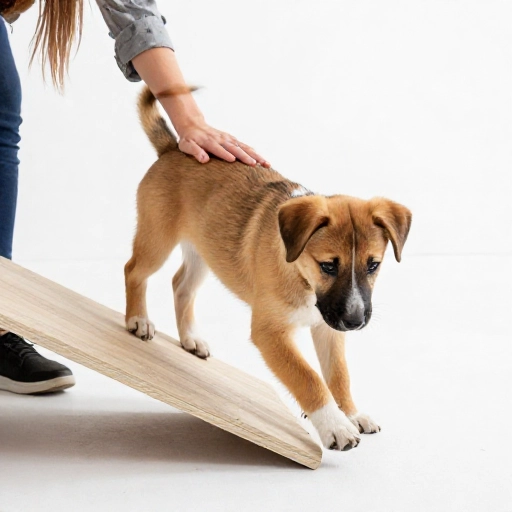
By now your puppy can hold her bladder overnight, handle longer walks, and mostly remember the rules. This stage is about polishing instead of teaching from scratch.
A typical day has settled into something like two walks, two meals, a training session, some chews, and a lot of naps on the couch. Honestly, it looks a lot like a normal dog’s day — because it is.
Use this time to tighten the things that annoy you. Jumping on guests, pulling toward other dogs, counter surfing. Pick one behavior at a time and reward the behavior you want instead, ten times more than you correct the one you don’t.
Also keep an eye on the teenage phase around 9 to 10 months, where some puppies act up again. It passes. Consistency doesn’t.
My Bottom Line on Puppy Schedules
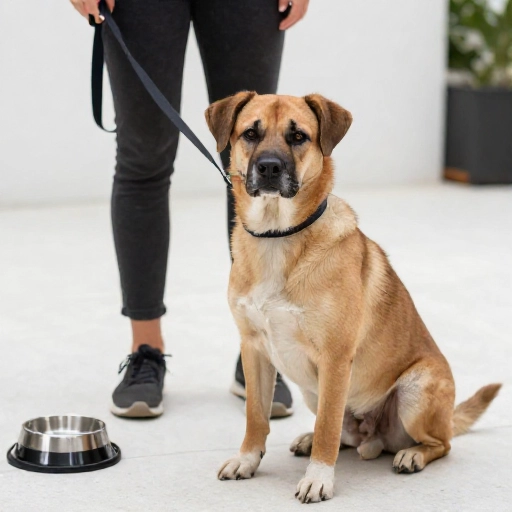
The schedule changes, but the skeleton stays the same: potty breaks, meals, naps, exercise, and a little training, repeated at roughly the same times every day. That’s what makes a puppy feel secure.
Cut yourself slack, too. You’ll miss a potty break. You’ll be late with dinner. Your puppy won’t hold it against you. What she’ll remember is the routine, the rewards, and the fact that you showed up every day.
Frequently Asked Questions
How many times a day should I feed my puppy?
At 8 to 12 weeks, three to four small meals. From around 3 months, three meals work well. Most puppies do fine on two meals a day from about 6 months, though some do better staying on three.
How long can my puppy hold her bladder?
A rough rule is one hour for every month of age, plus one. So a 3-month-old can usually manage about four hours during the day. Overnight, most puppies sleep through by 4 to 5 months.
Should I wake my puppy for potty breaks at night?
Yes, at 8 to 10 weeks. Set an alarm once or twice overnight so she doesn’t have to soil her crate. As she gets older and stays dry, stretch the intervals until you can drop them.
How much exercise does a puppy need?
A common guideline is five minutes of structured walking per month of age, twice a day. Free play and sniffing time in the yard doesn’t count against that and is great for burning energy.
What if my puppy won’t follow the schedule?
Adjust it. Puppies have different energy levels and bladder sizes. Shorter awake windows, more naps, and smaller meals spread through the day usually fix most schedule chaos.