How to Raise a Confident Dog
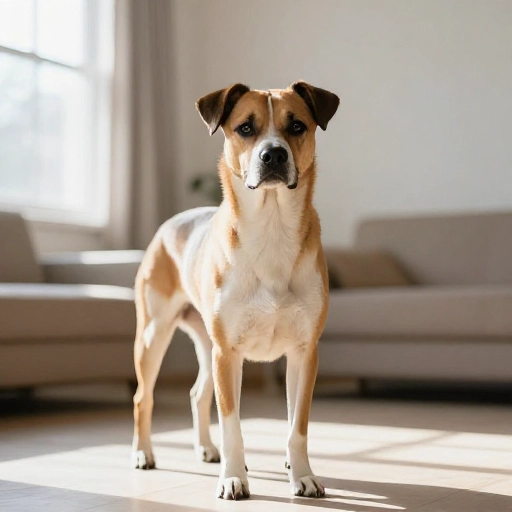
I remember bringing home my first puppy, a little ball of nerves who hid behind the couch. I thought I just needed to love her enough, but I quickly learned confidence isn’t something dogs are born with. It’s something we build together, like a muscle we exercise every day.
When your dog feels safe and capable, everything changes. Walks become adventures, training feels like a game, and that nervous tail starts wagging high. I have gathered my best practical tips from years of trial and error. These are the small, consistent actions that truly make a difference.
Let’s walk through the steps that helped my shy pup become the bravest dog on the block. You can do this for your dog, too.
Start with a Safe Space
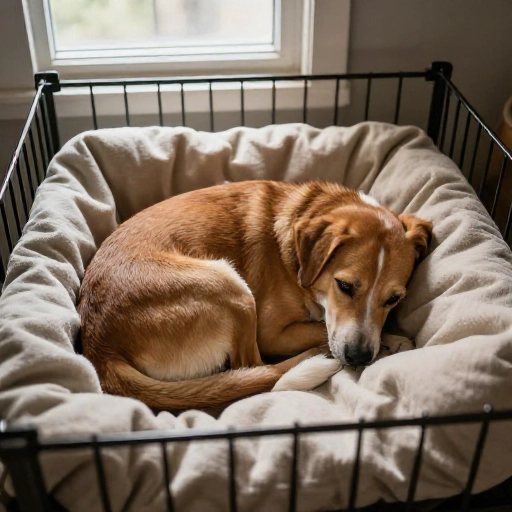
A confident dog needs a home base where they feel completely secure. This isn’t about fancy beds or expensive crates. It is about consistency.
I set up a quiet corner in my living room with a soft blanket. It’s never used for punishment. When my dog retreats there during a busy day, I let her be. She knows it is her sanctuary.
Respecting this space teaches your dog that the world has predictable, safe spots. That feeling of safety is the foundation for all other confidence.
Let Them Explore at Their Pace
I used to pull my dog toward new things I wanted her to meet. That backfired. She learned that new things meant pressure.
Now, I wait. On walks, I let her stop and stare at a strange mailbox or a noisy truck. I don’t rush her. Sometimes we stand there for a full minute. When she decides to move forward on her own, that is a win.
Giving your dog the gift of choice is powerful. It tells them, “I trust you to figure this out.”
Teach One Simple Trick Really Well
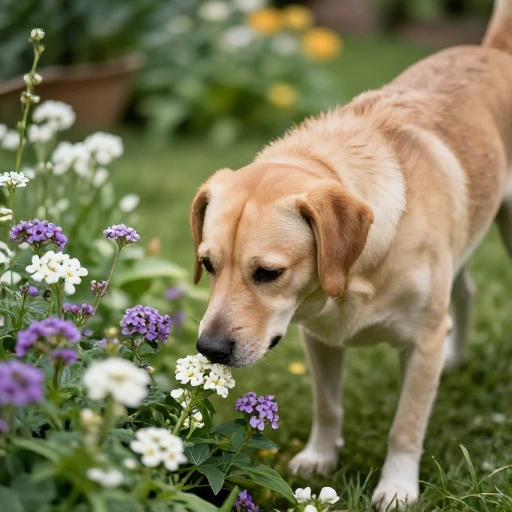
Every dog needs a “win button.” For my dog, it is “touch” (touching her nose to my palm). We practiced it a hundred times in the living room.
When she feels unsure at the vet, I ask for a touch. She nails it every time. That little success floods her with happy feelings. She remembers she is good at things.
Pick a trick—sit, spin, or paw—and practice until it is bulletproof. That mastered skill becomes their secret superpower in scary moments.
Use Food for Problem Solving
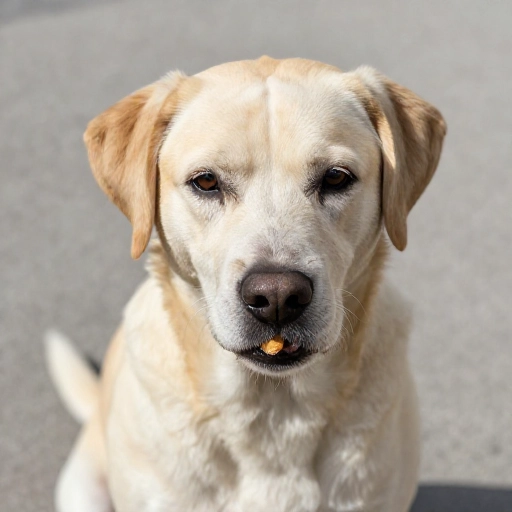
I stopped putting food in a bowl years ago. Instead, I scatter kibble in the grass or hide it in a rolled-up towel. This turns mealtime into a treasure hunt.
When my dog snuffles around and finds a piece of food, she solves a tiny problem. Her brain lights up. She learns that using her nose and thinking pays off.
This is not just about feeding. It is about teaching your dog that they have the skills to get what they need. That builds real, lasting confidence.
Don’t Coddle During Frights
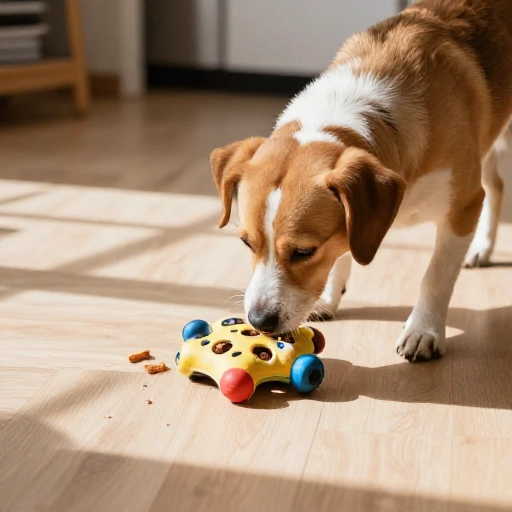
This was the hardest lesson for me. My instinct is to scoop up my scared dog and say, “It’s okay, baby.” But that can accidentally reinforce the fear.
When my dog startles at a loud noise, I stay calm and move on. I act like nothing happened. If I look worried, she thinks the noise is a real threat.
Your calm, neutral energy is contagious. Be the steady rock your dog can lean on, not the worried friend who feeds their anxiety.
Introduce New Dogs the Right Way
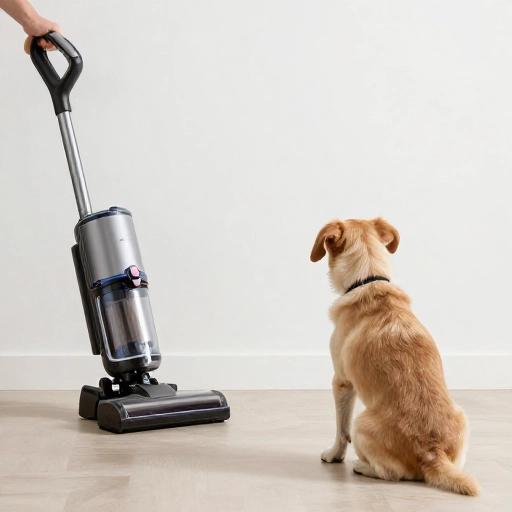
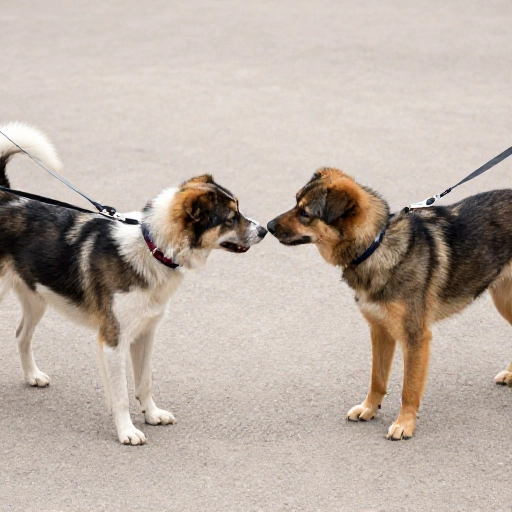
Dog parks can be confidence crushers. I learned to do one-on-one playdates instead. I pick a calm friend dog and we walk together before any play happens.
Walking side by side creates a neutral, non-threatening introduction. After ten minutes of walking, the dogs often decide to play naturally. There is less pressure.
Controlled, positive dog meetings teach your pup that other dogs are fun, not frightening. One bad park experience can set you back weeks.
Celebrate the Small Brave Moments
Does your dog step onto a slippery floor without panicking? Did they sniff a plastic bag blowing in the wind? That deserves a quiet party.
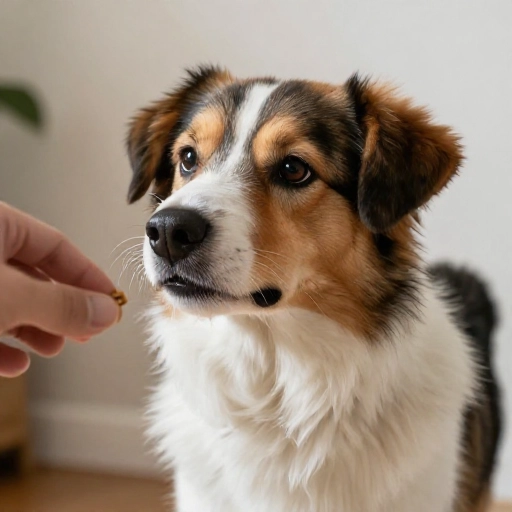
I keep a little pouch of high-value treats on me at all times. When my dog shows any sign of bravery, even a tiny one, I mark it with a “yes!” and a treat.
This isn’t about bribery. It is about noticing. When you consistently reward courage, your dog starts looking for more things to be brave about.
Keep Training Sessions Short and Fun
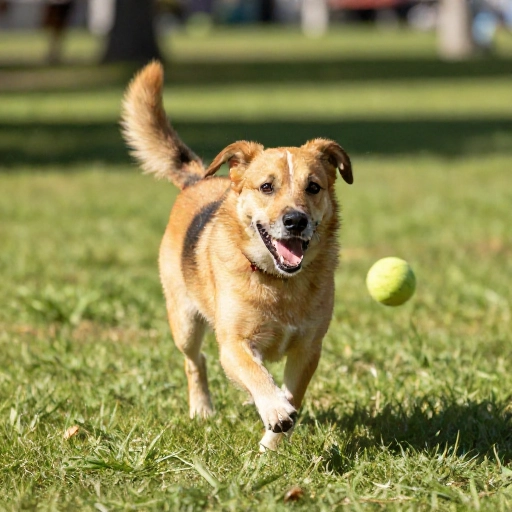
I used to try for twenty-minute training sessions. My dog would get bored and frustrated. Now, I do three minutes of tricks after breakfast and three minutes after dinner.
Short sessions keep the pressure off. They end while your dog is still excited and wanting more. This builds a love for learning.
Confidence grows when your dog associates you with fun games, not boring drills. Make it a game and watch their personality bloom.
Give Them a Job (Even a Small One)
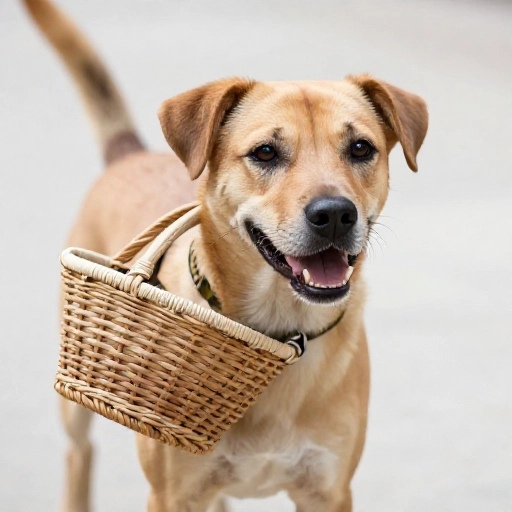
Dogs with jobs are happy dogs. My dog’s job is to carry her leash to the door when we go out. It sounds silly, but she takes it very seriously.
Having a purpose gives dogs a sense of control. It could be carrying a toy, checking the mailbox with you, or waiting at the curb before crossing.
When your dog knows their role in your pack, they feel needed and important. That feeling is a huge confidence booster.
Respect Their No
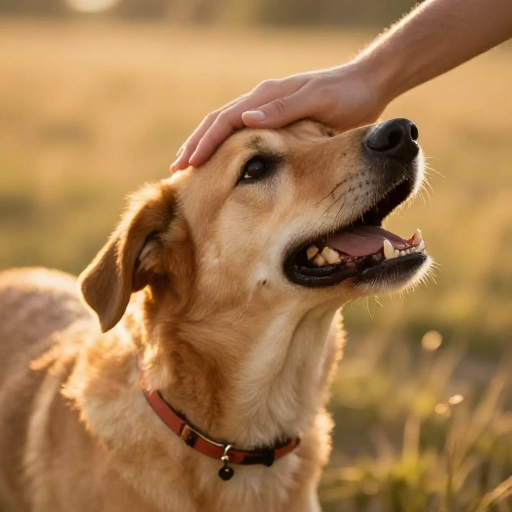
If my dog pulls away from a petting hand, I stop. If she doesn’t want to go down a certain street, I don’t force her. Listening to her “no” is one of the kindest things I can do.
When a dog learns that their signals are heard, they trust you more. They also trust themselves. They learn that their feelings matter.
A confident dog knows they can say “I don’t like this” and you will listen. That trust is the glue that holds everything together.
Conclusion
Raising a confident dog is not about turning them into a fearless superhero. It is about giving them the tools to handle life’s little bumps. It is about being their safe base and their biggest fan.
Start small. Pick one idea from this list and try it today. Watch your dog’s eyes light up when they figure something out. That spark of confidence is contagious.
Your dog has everything they need inside them. Your job is just to help them see it.
Frequently Asked Questions
How long does it take to build a dog’s confidence?
It depends on the dog and their history. Some shy dogs show improvement in a few weeks. Others, especially rescues with past trauma, may take months. The key is consistency, not speed.
Can I ruin my dog’s confidence by being too strict?
Yes, harsh corrections can damage a dog’s trust and confidence. Focus on positive reinforcement and clear, calm communication. Harshness teaches fear, not bravery.
Is it okay to comfort a scared dog?
It is okay to comfort, but do it calmly. Avoid baby talk or excessive petting. A gentle touch and a neutral voice work best. Your calm energy is the real comfort.
What if my dog never becomes confident?
Every dog has a different baseline. Some dogs will always be a bit cautious. That is okay. Your goal is to help them feel safe and capable within their own personality, not to change who they are.
Should I use treats to build confidence?
Absolutely. Treats are a great tool for rewarding brave behavior. Just make sure you are rewarding the effort, not just the result. The treat is a bridge to a braver mindset.