16 Cozy Feral Cat House Ideas for Winter Protection
Winter can be brutal, especially for the community cats who rely on us for a warm spot. I’ve spent many cold mornings checking on the ferals in my neighborhood, and I know a dry, insulated house can make all the difference between life and death. These cats don’t need a palace—they need a simple, safe shelter that traps their body heat and keeps out the wind and wet.
I’ve gathered 16 of the best ideas that are easy to build, budget-friendly, and seriously cozy. Some are made from things you probably already have in your garage, while others require a quick trip to the hardware store. Let’s get those outdoor kitties ready for the coldest months ahead.
1. The Classic Plastic Bin Shelter
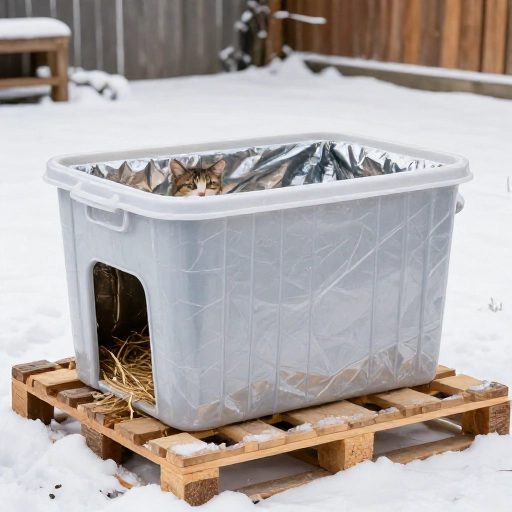
This is my go-to for a quick, waterproof shelter. Grab two large plastic storage bins—one slightly smaller than the other. Fill the gap between them with rigid foam insulation board for incredible warmth.
Cut a 6-inch doorway in the smaller bin, line the inside with straw (never hay or blankets), and nest it inside the larger one. Add a lid on top to keep out snow and rain.
It’s affordable, easy to clean, and surprisingly toasty. The double-wall design is a game-changer for wind protection.
2. Styrofoam Cooler Condo
Those large Styrofoam coolers you get at the grocery store are perfect for a quick winter house. They are naturally insulated and lightweight. Cut a small entrance hole about 5 inches wide.
Place the cooler inside a heavy-duty trash bag for waterproofing, then put it inside a larger cardboard box for structure. Fill the bottom with plenty of straw.
Make sure to tape the cooler lid shut so it doesn’t blow open. This one is a lifesaver in a pinch.
3. The Wooden A-Frame House
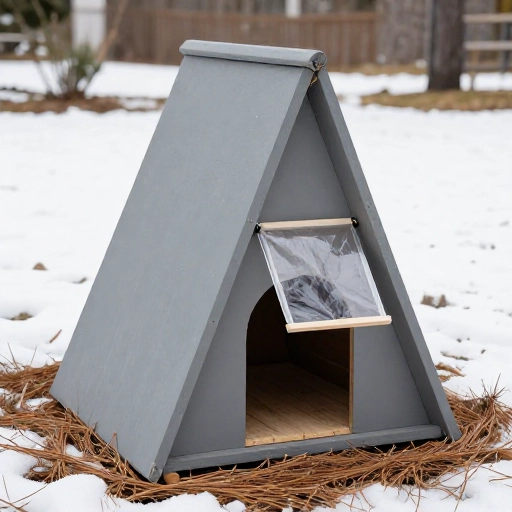
For a more permanent solution, build a simple wooden A-frame. Use untreated plywood and a 2×2 frame. The slanted roof lets rain and snow slide right off.
Add a small lip at the entrance to keep out wind and ground moisture. Paint the outside with a weatherproof, non-toxic stain or paint.
Inside, make sure it’s big enough for two or three cats to snuggle but small enough that their body heat fills the space. A tight space is a warm space.
4. The Repurposed Dog House
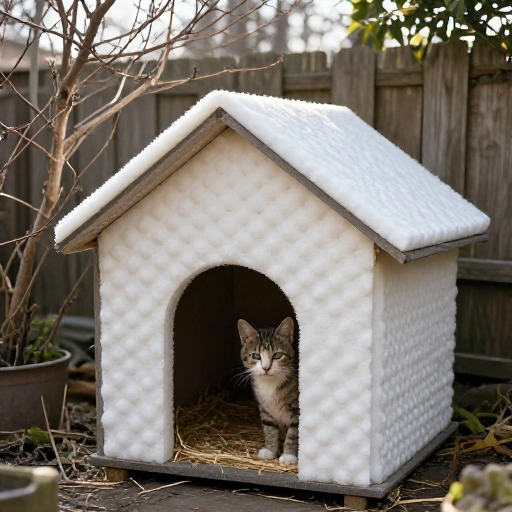
Got an old wooden dog house? It can work perfectly for ferals. First, tilt it slightly forward so water runs off. Then, shrink the doorway by adding a piece of wood with a smaller hole cut out.
Seal any cracks with caulk or foam sealant. Add a thick layer of straw inside and a flap over the door made from thick rubber or carpet.
Elevate it on bricks or cinder blocks to keep the floor dry. This simple upgrade makes a huge difference.
5. The Under-Deck Hideaway
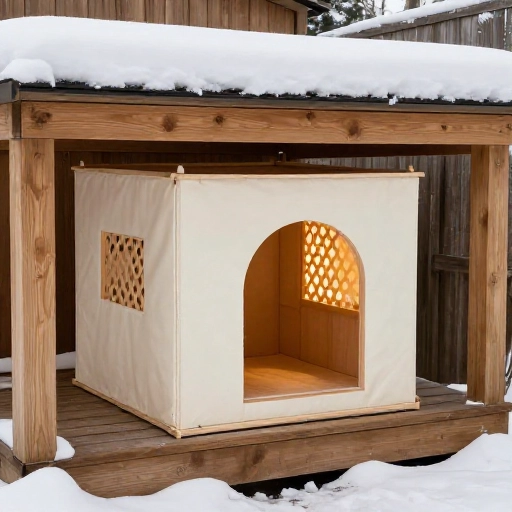
If you have a deck, you already have a perfect shelter location. Use the space under the stairs or a low corner. Build a simple three-sided box that fits in the gap.
Face the opening away from the prevailing wind. Use scrap plywood and leftover insulation. The deck above provides a natural roof and snow barrier.
Add a heavy curtain of thick plastic or carpet over the entrance. This is one of the most discreet and effective spots I’ve ever made.
6. The Igloo Cat House
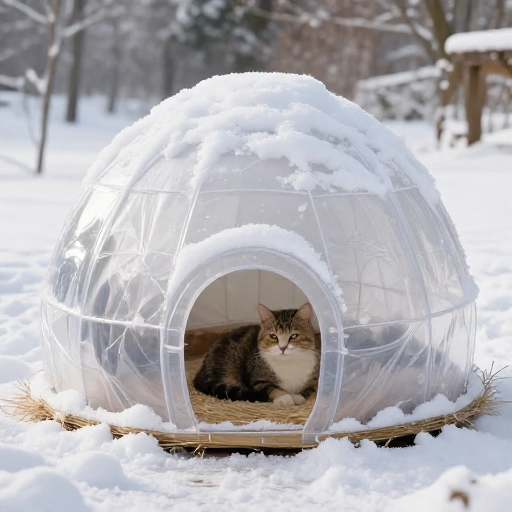
You can find igloo-style cat houses at most pet stores, but they often aren’t insulated enough alone. I like to wrap the outside in a layer of Reflectix (bubble foil insulation) and then a tarp.
Line the inside with a thick layer of straw. The dome shape naturally sheds water and wind.
For extra warmth, place it inside a larger bin or box filled with straw. It gives the cats a double layer of protection.
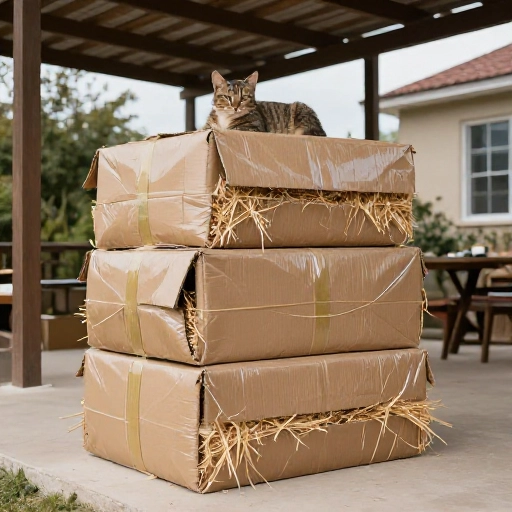
7. The Cardboard Box Village
Don’t underestimate a simple cardboard box. Use a large box and cut a small entrance. Line the bottom and sides with thick layers of newspaper or cardboard for insulation.
Fill it completely with straw. Then, place that box inside a larger box, filling the gap with more crumpled newspaper or foam pieces.
Wrap the whole thing in a heavy-duty trash bag or tarp for waterproofing. Replace it every few weeks if it gets wet.
8. The Five-Gallon Bucket House
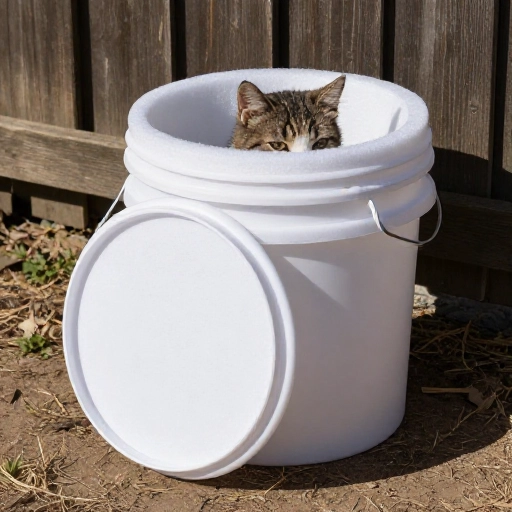
This is perfect for a single cat. Take two 5-gallon buckets. Cut a hole in the side of one, near the bottom. Fill that bucket with straw.
Place the second bucket upside down on top of the first one as a lid. The plastic is waterproof and the shape is very stable.
You can paint the outside for camouflage. It’s a portable, super durable option that fits in tight corners.
9. The Straw Bale Fort
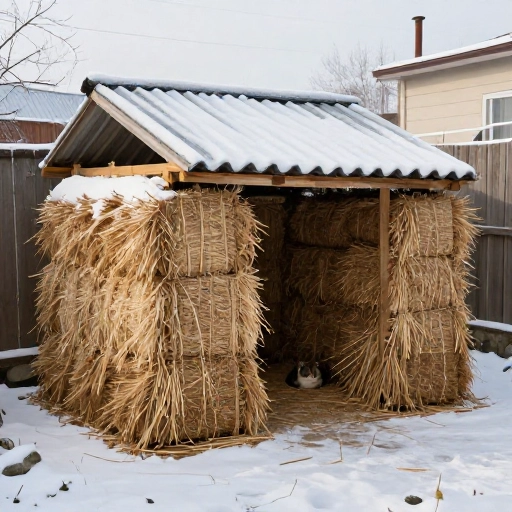
If you have a large space, straw bales make excellent walls. Arrange them in a U-shape, leaving the opening facing south for sun. Place a wooden pallet on top as a roof.
Fill the inside with loose straw for bedding. The bales provide incredible insulation from wind and cold.
This is a great option if you have multiple cats. Just make sure the straw is clean and not moldy.
10. The Insulated Rubbermaid Shed
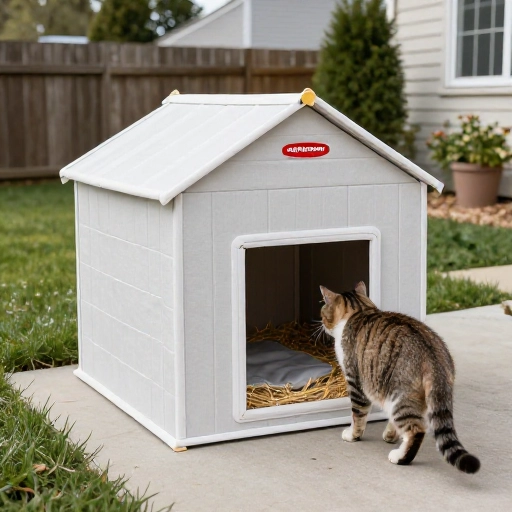
A small Rubbermaid storage shed can be converted into a luxury cat house. Cut a small cat door in the side. Line the entire inside with rigid foam insulation board.
Use spray foam to seal gaps around the door and corners. Add a thick layer of straw on the floor.
These are very sturdy and can hold several cats. They are also easy to move around your yard.
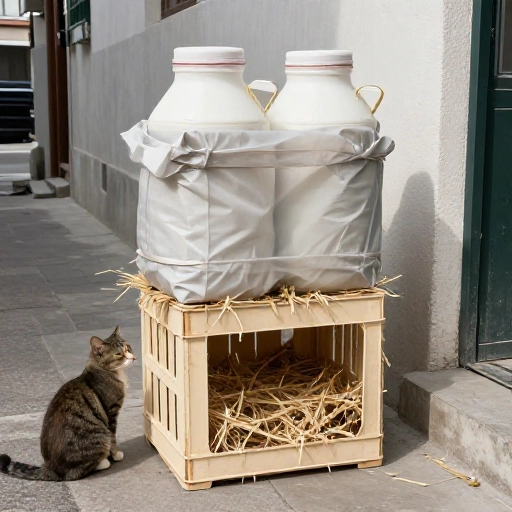
11. The Milk Crate House
Plastic milk crates are sturdy and have great ventilation. Stack two or three crates on top of each other and zip-tie them together.
Line the inside with cardboard or foam sheets for insulation. Wrap the entire outside in a tarp or heavy-duty trash bag.
Cut a small opening in the tarp for the door. Fill the bottom with straw. It’s a quick, modular option.
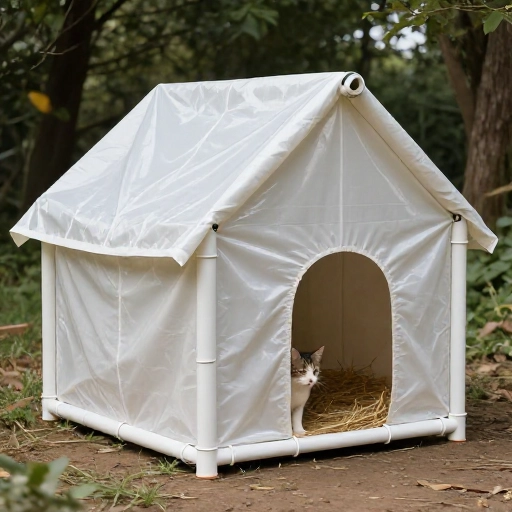
12. The Pvc Pipe Frame House
Build a simple frame using PVC pipes and connectors. Drape a heavy-duty tarp over the frame and secure it with bungee cords or zip ties.
Place a thick layer of straw or a foam pad inside. Make sure the tarp is tight so it doesn’t flap in the wind.
This is very lightweight and can be dismantled easily for storage. It’s great for a temporary setup.
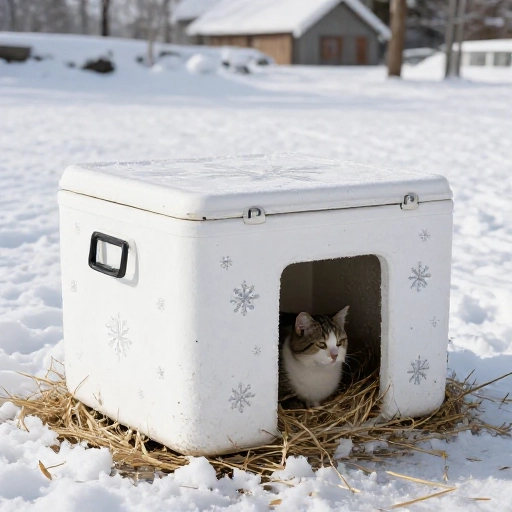
13. The Old Cooler Igloo
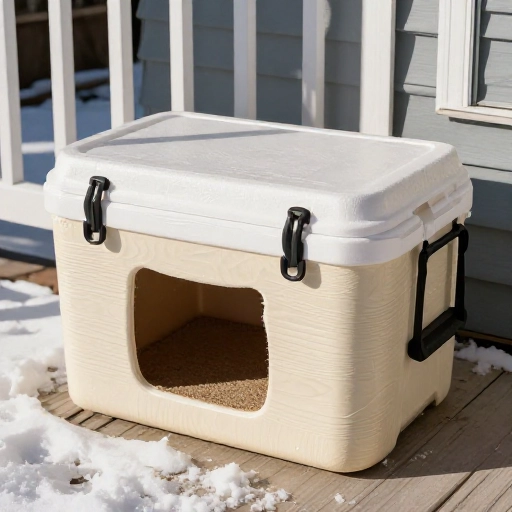
A large, old hard-sided cooler (like a Coleman) is basically a ready-made insulated shelter. Cut a small hole in the side for an entrance.
Line the bottom with straw. The thick insulation keeps the heat in and the cold out. It’s incredibly durable and waterproof.
You can find these at thrift stores for a few dollars. They are one of the best value shelters I’ve ever used.
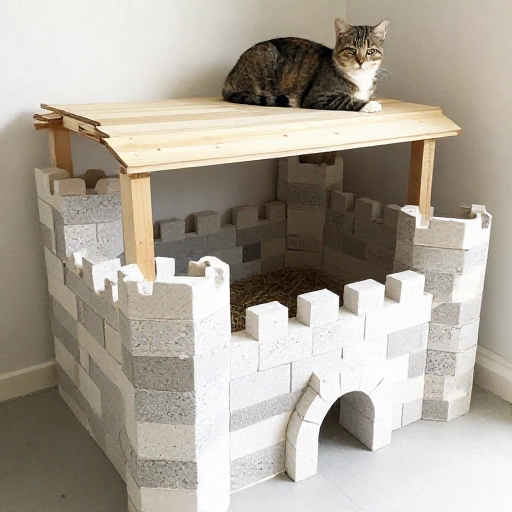
14. The Cinder Block Castle
This is for a more permanent, heavy-duty shelter. Stack cinder blocks in a square or rectangle, leaving a gap for the entrance.
Fill the holes in the blocks with straw for extra insulation. Place a thick wooden board or a piece of plywood on top as a roof.
Add a heavy tarp over the roof and weigh it down with more blocks. This creates a very stable, wind-proof fort.
15. The Carpet Roll House
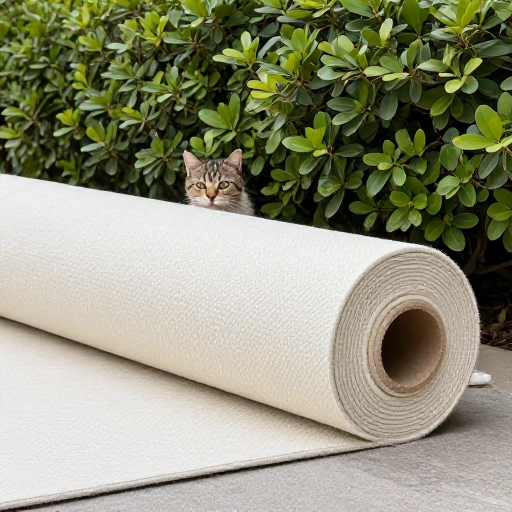
Take an old piece of carpet and roll it into a tube shape. Secure it with zip ties or rope. Stand it upright.
Place a piece of plywood on top as a roof. The carpet provides natural insulation and is soft to sleep on.
Place the roll inside a larger box or bin for extra protection. It’s a very simple, soft shelter.
16. The Elevated Pallet House
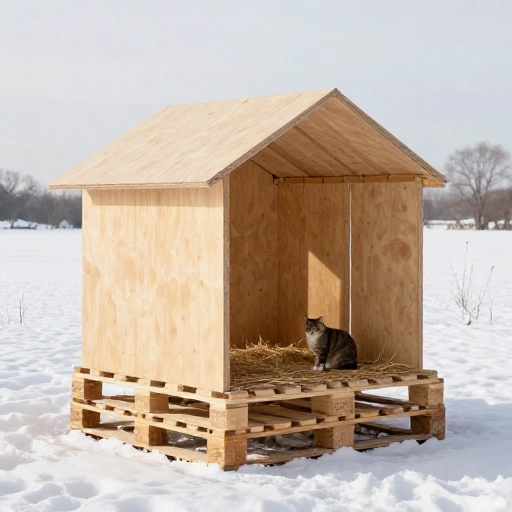
Start with a wooden pallet as the base. Build a simple box frame on top of it. Add a plywood roof and walls.
Elevate the whole thing off the ground on cinder blocks. This keeps the floor dry and prevents heat loss to the frozen ground.
Fill the inside with straw. The pallet base gives great airflow underneath while keeping the cat warm.
Conclusion
Every feral cat deserves a fighting chance in winter. I’ve seen how much a simple, dry shelter can change their lives. You don’t need to be a carpenter or spend a lot of money. Use what you have, keep it dry, and always choose straw over blankets.
Check on your shelters regularly, especially after a heavy snow. A little effort from us can mean a warm, safe winter for them. You’ll feel amazing watching a cat curl up in a house you built with your own hands.
Frequently Asked Questions
What is the best bedding for a feral cat house?
Straw is the absolute best. It’s hollow, traps heat, and wicks away moisture. Never use hay (it can mold) or blankets (they get wet and freeze solid).
How big should the entrance hole be?
Make it about 5 to 6 inches wide. This is big enough for a cat to get in but too small for predators like raccoons or dogs. A flap over the door helps keep wind out.
Should I put the shelter on the ground?
No, always elevate it. Place it on bricks, cinder blocks, or wooden pallets. This keeps the floor dry and stops cold from rising up through the ground.
How many cats can fit in one shelter?
It depends on the size. A bin shelter usually holds 2-3 cats. Cats like to snuggle for warmth, so a slightly cramped space is better than a huge, cold one.
How often should I clean the shelter?
Once a week is ideal. Remove wet or dirty straw and add fresh, dry straw. In very cold weather, try to disturb them as little as possible but keep an eye on the bedding.