16 Genius Vet Clinic Decor Tips That Instantly Calm Pets and Impress Pet Parents
I’ve spent years tweaking every corner of my own veterinary practice, and I can tell you this: decor isn’t just for humans. When a dog’s paws slip on shiny tile or a cat can’t escape the smell of another animal, their stress goes through the roof. The right design choices can turn a scary vet visit into a much calmer experience for everyone.
Whether you’re opening a brand-new clinic or giving your current space a refresh, these 16 vet clinic decor tips are practical, Pinterest-worthy, and tested in the real world. I’ll walk you through the changes that made the biggest difference in my practice — and they’re all doable without a massive renovation budget.
1. Choose Calming, Muted Wall Colors
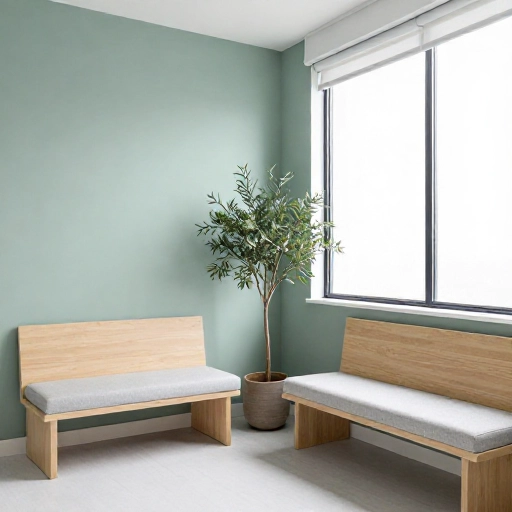
Bright white walls might look clean, but they can feel sterile and alarming to pets. I swapped my waiting room’s stark white for soft sage green and warm greige, and the change was immediate. Dogs panted less, and cats seemed less twitchy.
Stick to earthy tones like dusty blue, pale terracotta, or gentle lavender. Avoid high-contrast patterns or overly dark shades — those can make small rooms feel cramped and stressful for animals who already feel cornered.
2. Install Non-Slip, Easy-Clean Flooring
One of the biggest hidden stressors in vet clinics is slippery flooring. I used to watch dogs scramble and slide on polished vinyl, which made their anxiety spike. Now I recommend textured luxury vinyl planks or sealed rubber flooring in every exam and waiting area.
Look for materials that are durable, waterproof, and gentle on paws. A little texture goes a long way. Plus, it saves you from constant mopping after accidents — and your staff will thank you.

3. Create Separate Cat and Dog Waiting Zones
I cannot stress this enough: separate waiting zones are non-negotiable. Even the calmest dog can trigger a cat’s flight response. In my clinic, I use a low half-wall with a frosted glass panel to divide the two areas without making the room feel small.
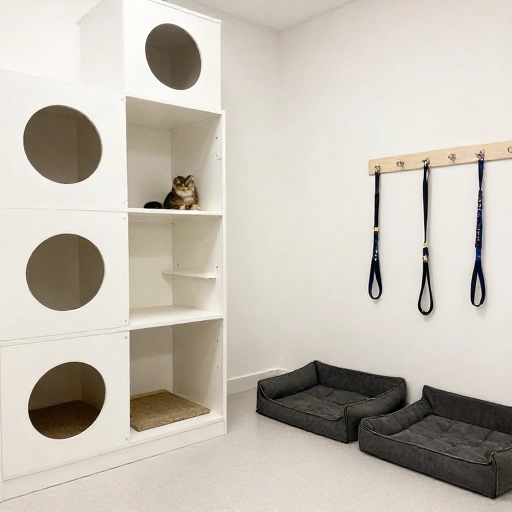
Add a few high shelves or cat trees on the feline side so cats can perch safely above the action. Dogs get a dedicated area with a nonslip mat and a water bowl. Everyone breathes easier.
4. Let Natural Light Flood the Waiting Area
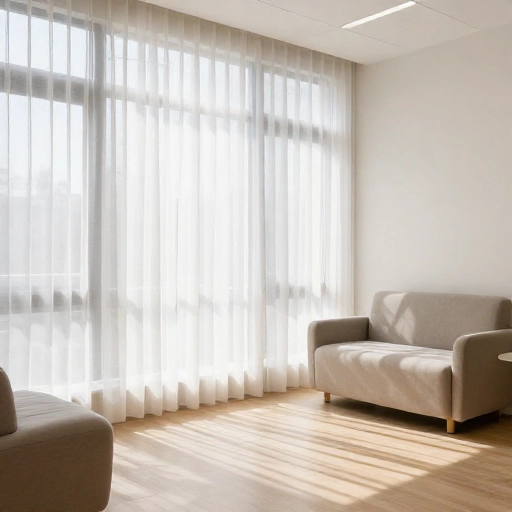
Natural light does wonders for both pets and their humans. I replaced heavy curtains with sheer, washable panels and positioned the seating near large windows. Dogs love to look outside, and the sunlight softens the whole room.
If you don’t have big windows, consider full-spectrum bulbs that mimic daylight. Avoid harsh overhead fluorescents — they buzz and create a clinical, stressful vibe. Soft, layered lighting is the way to go.
5. Add a Soothing Water Feature
A small tabletop fountain in the waiting room might sound like a luxury, but it’s one of the most effective stress reducers I’ve used. The gentle sound of trickling water masks sudden noises from the back and gives both cats and dogs a focal point.
Choose a pet-safe fountain with no exposed cords and clean it regularly. I placed mine on a sturdy shelf out of reach of curious paws, and now several clients say their pets actually fall asleep in the waiting area.

6. Use Pheromone Diffusers and Calming Scents
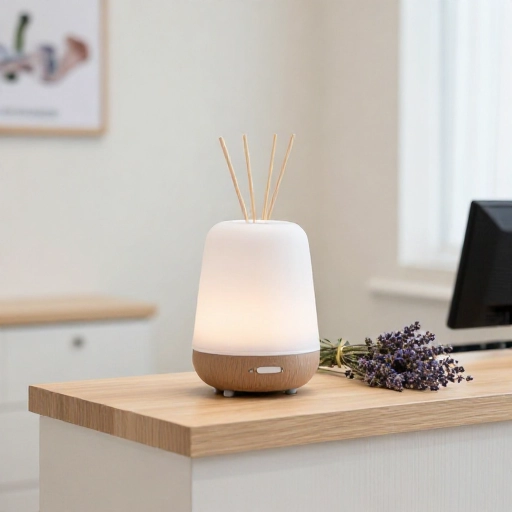
Plug-in pheromone diffusers are a game changer. I keep one in the cat waiting zone, one in each exam room, and one near the kennels. These odorless signals tell pets they’re safe without using any harsh chemicals.
Be careful with essential oils — many are toxic to cats and dogs. Stick to proven pheromone products or just keep the space naturally odor-free with good ventilation. A neutral-smelling clinic is always better than a heavily scented one.
7. Play Soft, Species-Specific Background Music
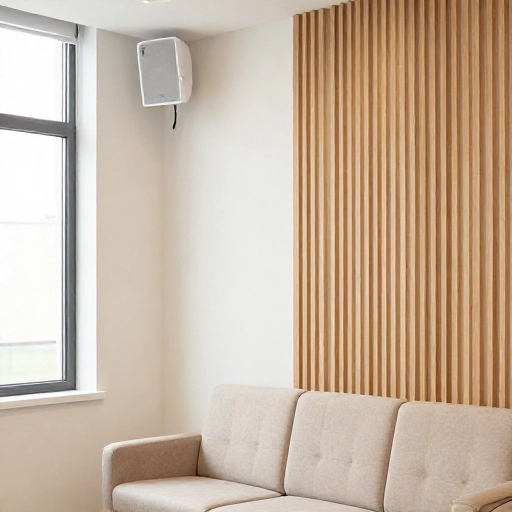
I used to think music in a vet clinic was just for humans. Then I started playing low-volume classical piano in the exam rooms and noticed dogs stopped flinching at every sound. Cats prefer softer, slower rhythms too.
Avoid loud or jarring genres. You can find playlists designed specifically for canine or feline relaxation. Keep the volume low enough that it doesn’t compete with conversation, and turn it off in treatment areas where staff need to hear monitors.
8. Display Happy Animal Art (Not Scary Vet Scenes)
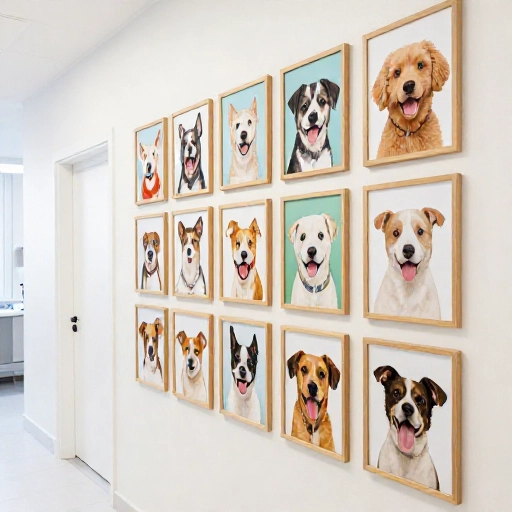
Wall art sets the emotional tone of your clinic. Skip the anatomical charts and medical diagrams in public areas. Instead, hang cheerful, colorful prints of happy dogs, relaxed cats, and peaceful nature scenes.
I rotate my art every few months to keep it fresh. Avoid abstract art with sharp lines or chaotic patterns, which can overstimulate pets. Go for soft shapes, gentle colors, and images that make people smile — because pets read their owner’s calm energy too.
9. Add Pet-Safe Living Plants and Greenery
Real plants make a clinic feel alive and less clinical. I use spider plants, Boston ferns, and areca palms — all safe for cats and dogs. Place them high on shelves or in hanging planters so curious mouths can’t reach.
Make sure every plant in the building is non-toxic. Avoid lilies, aloe vera, pothos, and snake plants in any pet-accessible area. A little greenery goes a long way toward making the space feel warm and welcoming.

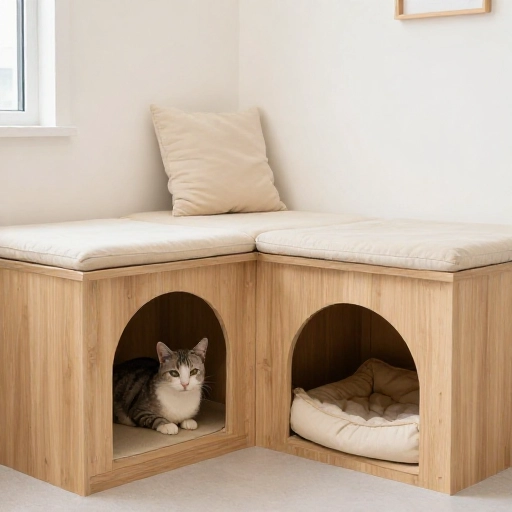
10. Provide Cozy Hiding Spots for Shy Pets
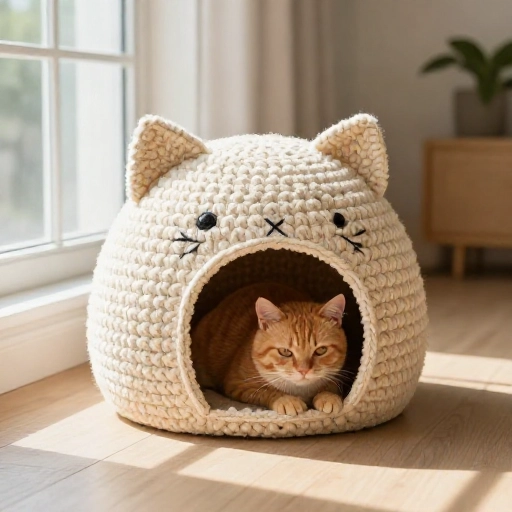
Every vet clinic needs safe retreats for anxious animals. In my cat exam rooms, I keep a covered cat cave lined with a soft blanket. For small dogs, I have a low bench with a plush cushion tucked in the corner.
These hiding spots don’t need to be fancy. A simple cardboard box with a fleece blanket works wonders. The goal is to give pets a place where they can feel hidden and secure while they’re waiting for the vet.
11. Use Sound-Dampening Panels or Rugs
High-pitched barks and clanging metal can echo through a clinic, making every pet more anxious. I added acoustic panels to the waiting room ceiling and lay down a few washable area rugs to absorb sound.
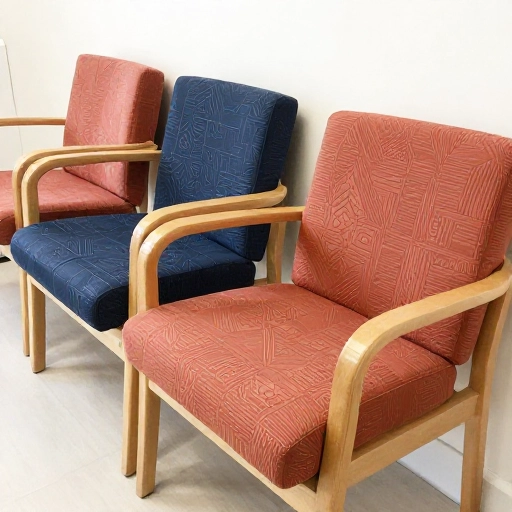
You don’t need a full soundproof studio — just break up hard surfaces. A few fabric wall hangings, upholstered chairs, and thick rugs can cut noise dramatically. Your front desk staff will also appreciate not having to shout over the echo.

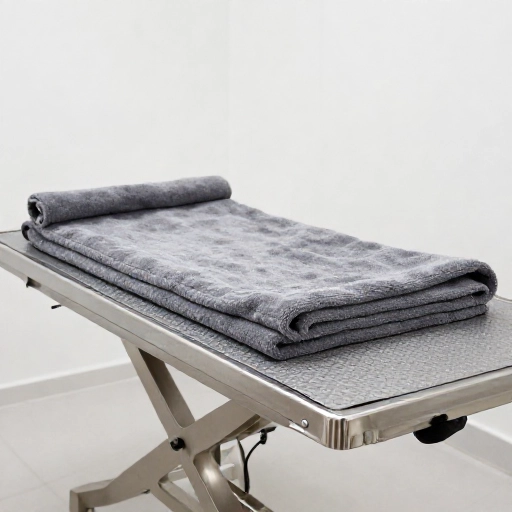
12. Keep Exam Tables Warm and Textured
That cold, slippery metal exam table is often the most terrifying part of a vet visit. I always keep a warm, textured mat on the table. The non-slip surface gives pets better footing, and the slight warmth relaxes their muscles.
I rotate a few machine-washable mats so one is always clean. For cats, I add a soft towel with a drop of calming pheromone spray. These small touches turn a scary experience into something much more tolerable.
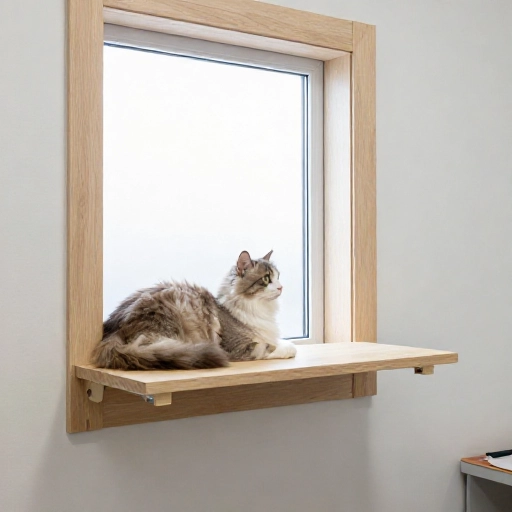
13. Install Window Perches for Cats in Exam Rooms
Cats instinctively seek high ground when they feel threatened. I installed a simple wooden shelf with a padded cushion near the window in each feline exam room. Now many cats hop up there voluntarily instead of hiding under the bench.
Make sure the perch is sturdy and easy to clean. Position it where cats can see the door but still feel elevated. This one change reduced the number of defensive scratches I saw during exams.
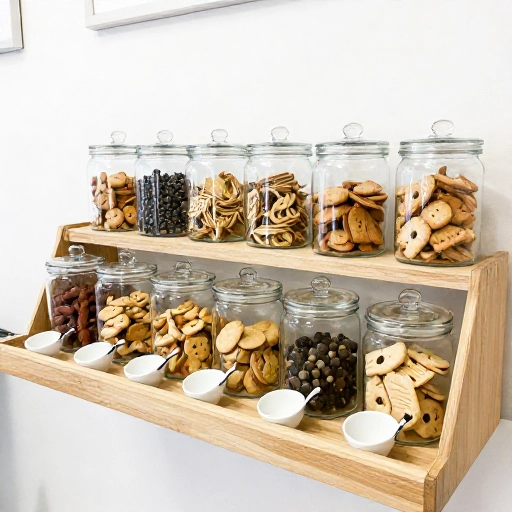
14. Offer a “Treat Bar” or Snack Station
Positive associations start before the exam even begins. I set up a little treat bar in the waiting area with labeled jars of healthy dog and cat treats. Pet parents can grab a few and reward their pets for calm behavior.
Keep the station clean and choose treats that are low-calorie and safe for most pets. Always ask about allergies first. A simple biscuit or freeze-dried chicken can turn a nervous tail wag into a happy one.
15. Use Warm, Indirect Lighting in Exam Rooms
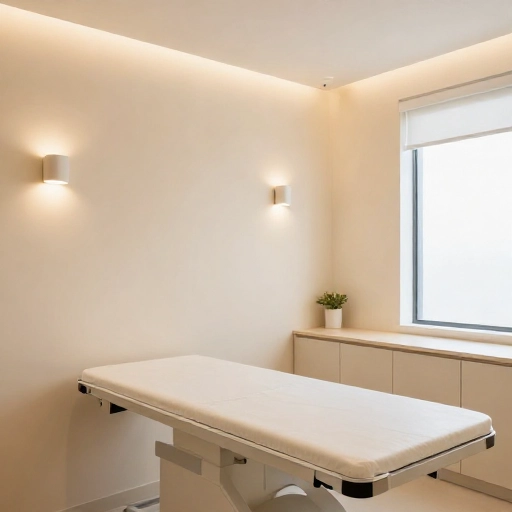
Bright overhead exam lights are necessary for procedures, but they can be terrifying when they’re the only source of light. I added dimmable, warm-toned wall sconces and a small desk lamp for the initial consultation.
Reserve the bright exam light for when you actually need it. This lets pets acclimate to the room without being blinded. I’ve seen trembling chihuahuas relax noticeably just because the lighting felt less like a spotlight.
16. Add Durable, Washable Textiles with Fun Patterns
Plain white towels and gray blankets scream “hospital.” I switched to colorful, patterned fleece blankets and slipcovers that can handle frequent washing. The playful prints cheer up the room and distract pets from the medical equipment.
Choose fabrics that are stain-resistant and quick-drying. I keep a few seasonal options — pumpkins in fall, snowflakes in winter — to make repeat visits feel fresh. Clients love the personal touch, and pets love the extra softness.
Conclusion
You don’t need a huge budget or a professional designer to create a vet clinic that calms pets and delights owners. Small, thoughtful changes — like a non-slip mat, a window perch, or a quiet corner with a soft blanket — can make an enormous difference in how animals experience their visit.
Start with one or two ideas from this list and build from there. In my own practice, the biggest wins came from separating species, adding natural light, and investing in warm, textured surfaces. Your patients (and their humans) will feel the difference the moment they walk through the door.
FAQ
1. What are the best colors for a vet clinic waiting room?
Soft earth tones like sage green, dusty blue, warm greige, and pale lavender work best. They reduce visual stress and make the space feel calm without looking too sterile.
2. Can I use essential oils in a vet clinic?
Most essential oils are toxic to cats and dogs, so I recommend avoiding them entirely. Use veterinary-approved pheromone diffusers instead — they’re safe, effective, and odorless to humans.
3. How do I make exam rooms less scary for cats?
Add a high perch near a window, provide a covered hiding spot, use warm non-slip mats on the exam table, and keep the lighting soft until you need to examine closely. Separate cat and dog waiting areas too.
4. What flooring is safest for pets in a vet clinic?
Textured luxury vinyl planks, rubber flooring, or sealed concrete with non-slip mats are all great options. Avoid high-gloss tile and slick laminate, which cause pets to slide and panic.
5. How can I reduce noise in a small vet clinic?
Add sound-dampening acoustic panels, hang fabric wall art, use upholstered seating, and place washable area rugs in high-traffic zones. Even a few thick curtains can cut echo significantly.