7-Day Dog Training Plan for Beginners: From Wild to Wonderful in One Week
Bringing a new dog home is thrilling, but let’s be real—it can also feel like you’re drowning in advice. I remember staring at my rescue pup, wondering where to even start. Sit? Stay? Please don’t eat the couch? The good news is you don’t need a fancy trainer or hours of free time. A simple, consistent 7-day plan can build a rock-solid foundation.
This plan works for puppies and adult dogs who are new to training. Each day focuses on one or two core skills, with short sessions (5–10 minutes) that keep your dog engaged and eager. You’ll need treats, a leash, and a whole lot of patience. Let’s turn that chaotic energy into teamwork.
Day 1: Name Game and Getting Focus
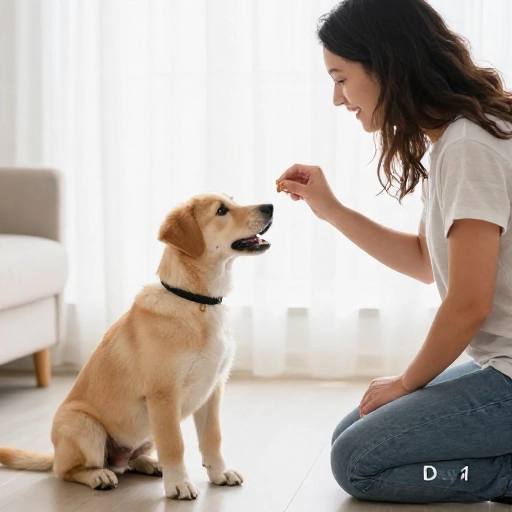
Before you teach anything else, your dog needs to know that you’re the most interesting thing in the room. Start by saying their name in a happy voice. The second they look at you, mark it with a “yes!” or a clicker and give a treat. Repeat this 10–15 times in a quiet space.
Don’t overuse their name when you’re frustrated. You want it to mean “good things are coming.” If they lose interest, take a break and try again later. Short bursts work way better than long, boring drills.
By the end of day one, you’ll notice your dog checking in with you more often. That eye contact is the foundation for everything else. Celebrate it!
Day 2: The Magic of “Sit”
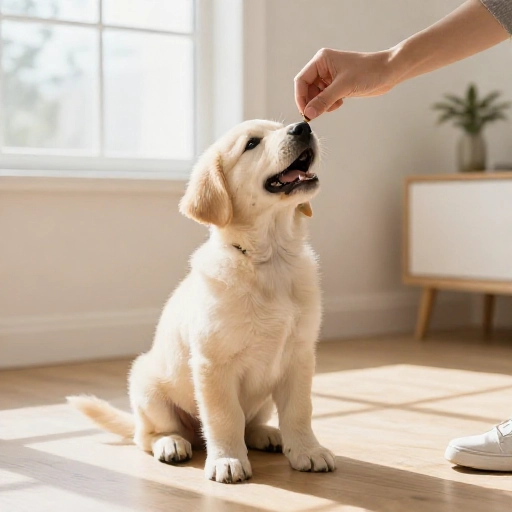
Sit is the easiest cue to teach and instantly makes your dog look like a genius. Hold a treat close to their nose, then slowly move it up and over their head. Their bottom will naturally hit the floor. The moment it does, say “yes!” and reward.
Once they’re sitting reliably, add the word “sit” just before they do it. Practice in different rooms and with different distractions—like when the mail carrier walks by. Keep sessions light and fun.
If your dog jumps up instead, don’t push them down. Just wait. They’ll figure out that sitting earns the treat, while jumping gets nothing. Patience wins here.
Day 3: Leash Basics Without the Pulling
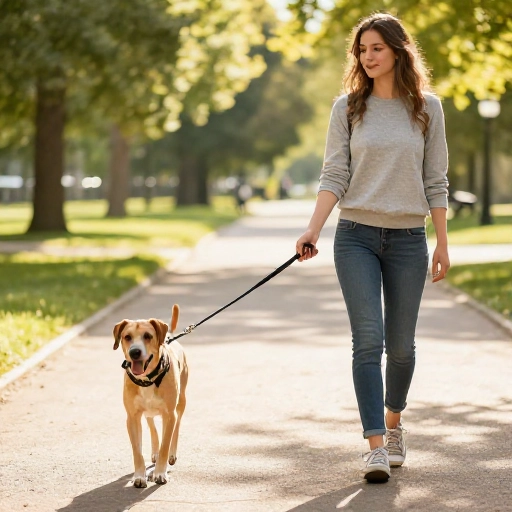
Walking nicely on a leash feels like a superpower. Start inside your home or backyard. Hold the leash with a loose grip and reward your dog anytime they’re by your side. If they pull, stop moving. Wait until they look back at you or the leash slackens, then continue.
I like to reward the position, not the action. So if my dog is walking next to me, they get a treat every few steps. If they forge ahead, I become a tree—boring and immovable. They quickly learn that pulling gets them nowhere.
Keep your first walks short and sweet. Five minutes of good behavior is better than thirty minutes of tug-of-war. End on a positive note with a treat and some praise.
Day 4: Recall – Make Coming to You the Best Thing Ever
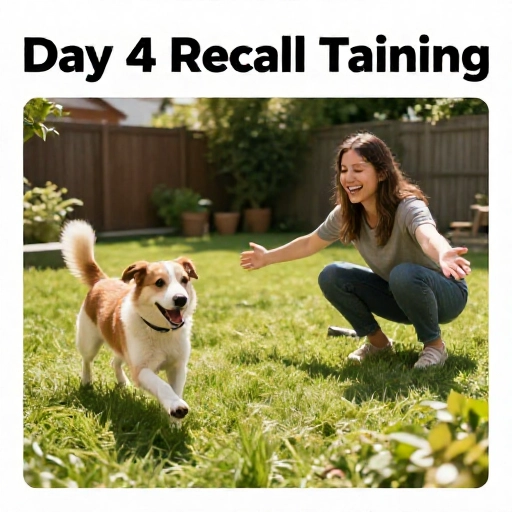
Coming when called can save your dog’s life, so we make it a party. Start in a hallway or small room. Say your dog’s name and “come!” in an excited voice, then run backward a few steps. When they reach you, throw a treat party—yes, multiple treats, one after another.
Never call your dog to punish them. If you need to clip a leash or end play, go get them instead. You want “come” to always predict amazing things. Practice with low distractions first, then slowly add distance and mild distractions.
If your dog ignores you, you’re probably asking for too much too soon. Go back to easier steps and build up. A reliable recall is a marathon, not a sprint.
Day 5: “Stay” and Building Patience
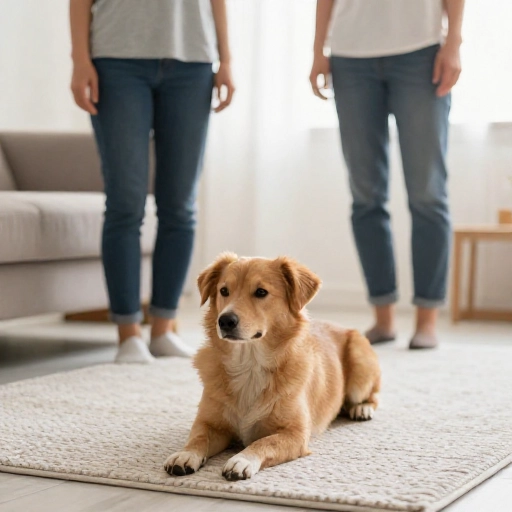
Stay is all about impulse control. Ask your dog to sit, then hold up your hand like a stop sign and say “stay.” Wait just one second, then reward. Gradually increase the time—two seconds, five seconds, ten seconds. If they break the stay, gently reset without scolding.
Next, add distance. Take one step back, then return and reward. Then two steps. Then three. If your dog pops up, you’ve moved too fast. Shrink the distance and make it easier.
I practice stay while I’m making coffee or folding laundry. It gives my dog a job and keeps them mentally tired. A tired dog is a happy dog—and a well-behaved one.
Day 6: “Leave It” – Saving Your Shoes and Sanity
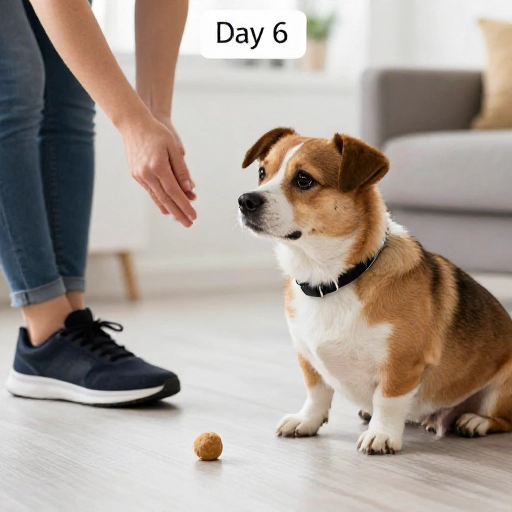
“Leave it” is a lifesaver for dropped food, chewed remotes, and mystery items on the sidewalk. Put a treat in your closed fist. Let your dog sniff and paw at it, but don’t open your hand. The second they back off or look away, say “yes!” and give a different treat from your other hand.
Once they understand, place a treat on the floor and cover it with your foot. When they stop trying to get it, reward them with a treat from your pocket. Slowly move to uncovered treats, then items like toys or shoes.
Never yank the item away or chase your dog. That turns “leave it” into a game of keep-away. Instead, reward the choice to disengage. It’s a calm, clear trade.
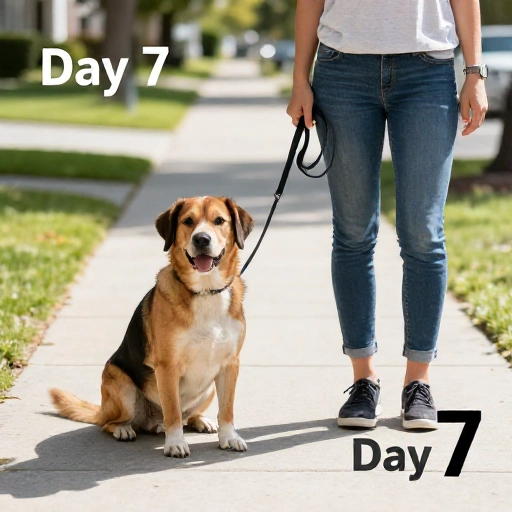
Day 7: Putting It All Together (Real-World Practice)
Today is about proofing. Take your dog to a new room, a friend’s yard, or a quiet park. Run through sit, stay, come, and leave it in short bursts. Reward generously for focus. If they struggle, don’t get frustrated—just lower the difficulty and rebuild.
I like to do a “puppy push-up” combo: sit, down, sit, stand. It’s fast, fun, and reinforces multiple cues. Then we practice a 30-second stay while I pretend to answer the door. Real-life scenarios make training stick.
End the week with a mini celebration. A new toy, a long sniffy walk, or a special treat. You’ve both worked hard. Progress over perfection, always.
Conclusion: Small Wins Add Up to Big Changes
Seven days won’t turn your dog into a perfect angel—and that’s okay. What it will do is build trust, communication, and a habit of learning together. I still have messy days with my own dogs, but we bounce back faster because we have a foundation.
Keep sessions short, stay patient, and always end on a win. The real magic happens in the days and weeks after this plan. You’ve got this—and your dog is lucky to have you.
FAQ: Your 7-Day Dog Training Questions Answered
Q: How long should each training session be?
A: Aim for 5–10 minutes, two to three times a day. Puppies have short attention spans, so shorter is often better.
Q: What if my dog already knows some of these cues?
A: Great! Use the plan as a refresher and add distractions. Proofing known behaviors in new places is just as important.
Q: Do I need a clicker?
A: No, you can use a marker word like “yes!” instead. Just be consistent and always follow with a treat.
Q: My dog ignores me when we’re outside. What do I do?
A: Start inside with zero distractions, then slowly add mild ones. High-value treats (chicken, cheese) help a lot. Don’t rush.
Q: Can I use this plan for an older dog?
A: Absolutely. Adult dogs learn quickly, especially with positive reinforcement. Adjust the pace to your dog’s energy and comfort level.