Say Goodbye to Itchy Paws: Natural Remedies for Yeast Infection in Dogs
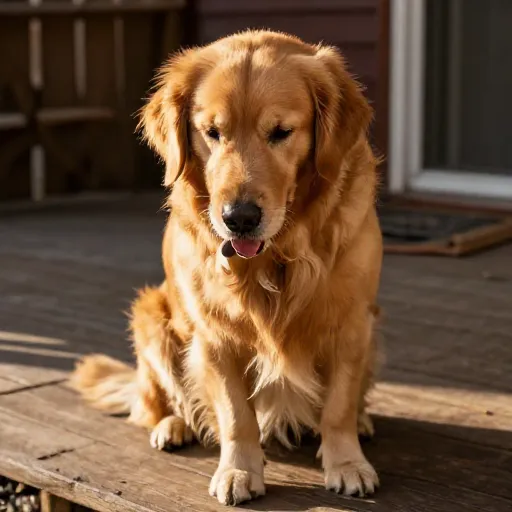
If you’ve ever watched your pup obsessively licking or chewing their paws at 2 a.m., you know the struggle. That musty, Fritos-like smell? Yeah, that’s usually yeast. It’s frustrating, messy, and honestly, heartbreaking to see your best friend so uncomfortable.
I’ve been there with my own golden retriever, and after countless vet visits, I realized that managing yeast is often about daily habits, not just quick fixes. The good news? There are some incredibly effective, natural remedies that can bring serious relief right from your kitchen cabinet.
Let’s dive into some gentle, practical ways to soothe those itchy paws and tackle the root of the problem, without harsh chemicals.
Understand the Root Cause First
Yeast infections aren’t really the problem—they’re a symptom. Yeast (usually Malassezia) is always present on your dog’s skin, but it overgrows when something else is off. Allergies, moisture trapped between toes, or a weakened immune system are the usual culprits.
Think of it like this: yeast loves warm, dark, damp places. If your dog’s paws are constantly wet from licking, rain, or even just a bath that wasn’t dried well, you’re rolling out the red carpet for it.
Before you start treating, take a quick mental note of your dog’s environment. Are they licking due to boredom, or is there pollen season? Knowing the “why” helps you pick the right remedy.
Apple Cider Vinegar Soaks
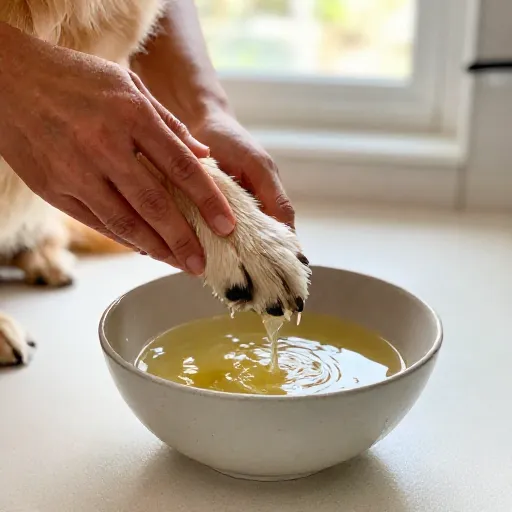
This is my absolute go-to for a quick, soothing soak. Raw, unfiltered apple cider vinegar (with the “mother”) is a superstar because it changes the pH of the skin. Yeast thrives in alkaline environments, and ACV makes things more acidic, which yeast hates.
Here’s my simple routine: Mix one part ACV with two parts warm water in a shallow pan. Let your dog stand in it for 3 to 5 minutes, just enough to cover the paw pads. Don’t rub—just let them soak.
Important tip: Never use ACV on open, broken skin or raw hot spots. It will sting like crazy. If their paws are just red and itchy, this is perfect. Pat dry with a towel (don’t rub) and let them air-dry completely.
The Magic of Coconut Oil
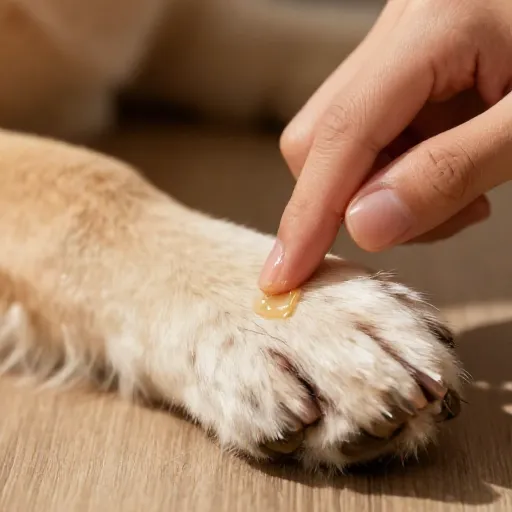
If I had to pick one pantry staple to keep for paw health, it’s unrefined coconut oil. It contains caprylic acid, which is known to break down yeast cell walls. Plus, it’s naturally antibacterial, so it helps prevent secondary bacterial infections from all that licking.
You can apply a thin layer directly to the paw pads and between the toes. I like to do this right before bed so it has time to soak in while my dog is sleeping. It’s also totally safe if they lick it off—it actually tastes good to them, which makes application a little easier!
Just be careful not to overdo it. A little goes a long way, and too much can make the paws greasy and attract dirt. Start with a pea-sized amount per paw.
Give a Probiotic Boost
Did you know that 70% of your dog’s immune system lives in their gut? Yeast overgrowth often starts internally. If their microbiome is off balance, yeast can flourish everywhere, including their paws.
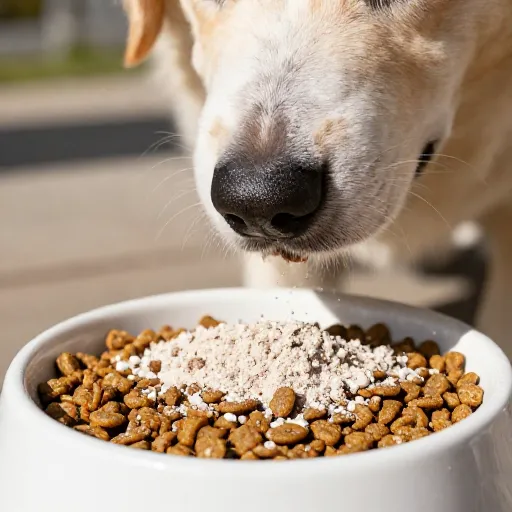
Adding a high-quality canine probiotic to their food is a game-changer. Look for one with Lactobacillus acidophilus or Bifidobacterium. You can also add a spoonful of plain, unsweetened kefir or yogurt to their bowl (if they tolerate dairy).
This isn’t an overnight fix, but within a couple of weeks, you’ll likely notice less scratching overall. It’s about building a strong foundation, not just treating the surface.
Switch Up the Carbs in Their Bowl
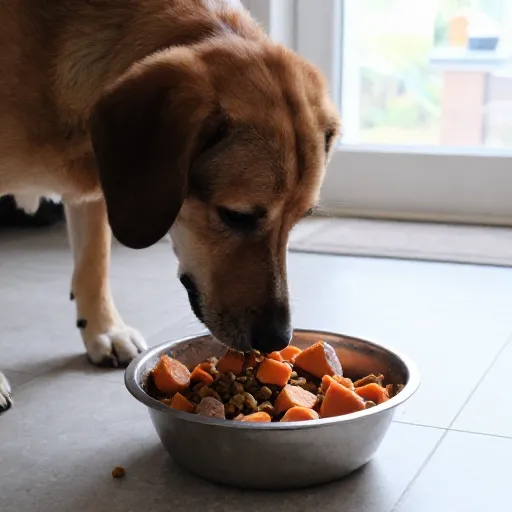
This one was hard for me to hear, but it works. Yeast feeds on sugar and simple carbs. If your dog’s kibble is full of potatoes, sweet potatoes, or rice, you might be feeding the yeast more than you’re feeding your dog.
Try swapping in a limited-ingredient diet or a grain-free option with lower carbohydrate content. Look for proteins like salmon, turkey, or bison as the first ingredient. The goal is to starve the yeast at a cellular level.
I know changing food is a big step, so do it gradually over 7-10 days to avoid stomach upset. Even just reducing the carb-heavy treats can make a noticeable difference in paw odor.
Keep Those Toes Dry (Seriously)
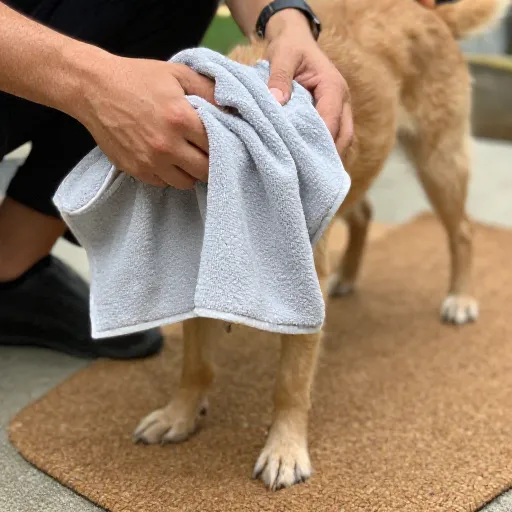
This is the most boring but most vital tip. Yeast cannot survive on dry skin. Period. After every walk in the morning dew, after every bath, and after every swim, you have to dry those paws.
I keep a dedicated “paw towel” by the back door. I lift each paw and gently dry between the toes, not just the top of the foot. It sounds obsessive, but it’s the single best preventative measure I’ve found.
If your dog has long fur between the pads, consider trimming it with rounded scissors. This allows air to circulate and prevents moisture from getting trapped against the skin.
Try a Green Tea Rinse
Green tea isn’t just for humans. It’s packed with antioxidants and has natural anti-inflammatory properties that can calm angry, red paws. I love this for dogs that are too sensitive for ACV.
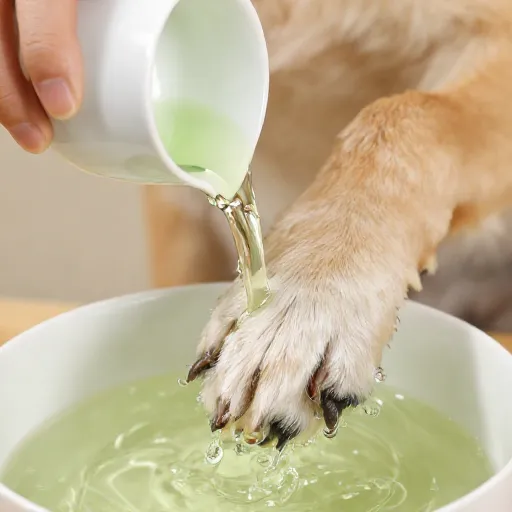
Brew two bags of plain green tea in two cups of hot water. Let it cool completely to room temperature. Then, pour it over your dog’s paws or use it as a foot soak for about five minutes.
You can even freeze the cooled tea in an ice cube tray and rub the cubes over the paw pads on hot days. It’s soothing, cooling, and helps reduce that burning itch sensation.
Aloe Vera for Instant Cooling Relief
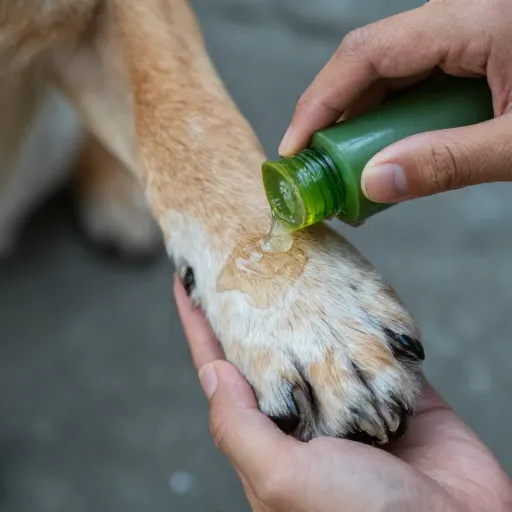
When the itching is intense, your dog needs immediate relief. Pure aloe vera gel is incredibly soothing and helps repair damaged skin. I’m talking about the clear gel from the plant, not the green stuff with added alcohol or colors.
Keep a bottle of 100% pure aloe gel in the fridge. The cold gel feels amazing on hot, inflamed paws. Apply a generous layer and let it dry for a few minutes before letting them walk around.
It won’t kill the yeast, but it will stop the vicious scratch-itch cycle long enough for other remedies to do their job. It’s the “calm down” step before the “heal” step.
Boost Their Omega-3 Fatty Acids
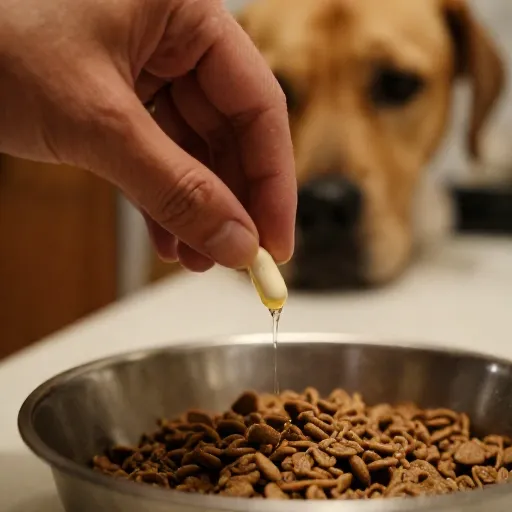
Healthy skin starts from within. Omega-3 fatty acids (like fish oil or flaxseed oil) are excellent for reducing overall inflammation in the body. This won’t cure the yeast, but it makes the skin less hospitable and more resilient.
Adding a pump of salmon oil to their dinner helps strengthen the skin barrier. A strong barrier means less cracking and less opportunity for yeast to burrow in.
You’ll notice a shinier coat and less flakiness within a few weeks. Plus, the anti-inflammatory effect helps reduce the urge to chew, which gives the paws time to heal.
When to See the Vet
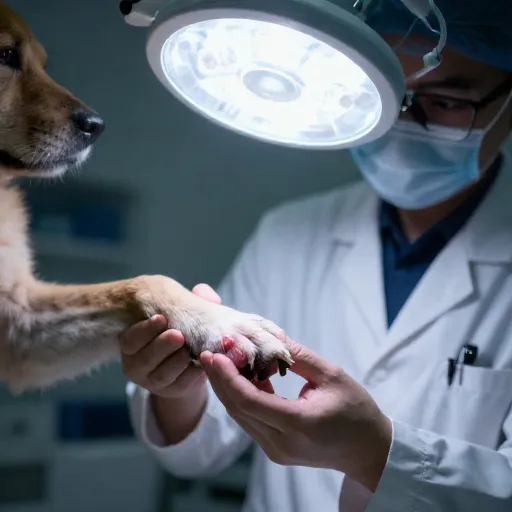
Natural remedies are fantastic, but they aren’t a substitute for professional care in severe cases. If the paws are bleeding, if there’s a foul-smelling discharge, or if the swelling is spreading up the leg, it’s time to call the vet.
Sometimes, the yeast is so entrenched that you need a prescription antifungal to get it under control first. Once it’s manageable, you can use these natural tips to keep it from coming back.
Also, if your dog is diabetic or has Cushing’s disease, check with your vet before trying dietary changes or supplements. Better safe than sorry!

Conclusion
Dealing with yeast infections in your dog’s paws can feel like a never-ending battle. But with a little patience and a consistent routine, you can absolutely get it under control. Start with the drying and the ACV soaks, then work on the internal balance with probiotics and diet.
Your dog doesn’t need perfect paws—they just need comfortable ones. Pick one or two of these remedies that feel doable for your routine and give them a solid two weeks. You’ll likely see a huge improvement in their mood (and your sleep).
Here’s to happy, itch-free adventures with your furry best friend!
Frequently Asked Questions
How do I know if my dog has a yeast infection versus just allergies?
Yeast typically has a distinct, sweet, musty smell (like corn chips). Allergies usually cause more sneezing or watery eyes, but they often trigger the yeast. If the skin is red, greasy, and smells, it’s likely yeast.
Can I use regular vinegar from my kitchen?
Yes, but raw apple cider vinegar is best because it has more beneficial enzymes and acids. White vinegar works in a pinch, but ACV is gentler and more effective for skin issues.
How often should I soak my dog’s paws?
For an active infection, every day for 5-7 days is great, then taper down to 2-3 times a week for maintenance. Over-soaking can dry out the skin, so watch for any flakiness.
Will the yeast infection go away on its own?
Rarely. Yeast is opportunistic and will keep growing if the conditions are right. You need to change the environment (dryness) and the diet to break the cycle. It usually requires active intervention.
Is it safe for my dog to lick coconut oil off their paws?
Yes, absolutely. Coconut oil is safe for dogs to ingest in small amounts. It might cause a little loose stool if they eat a ton of it, but a normal amount from licking is totally fine.