15 Easy Shih Tzu Training Guide for New Owners: From Potty to Polite Paws

Bringing home a Shih Tzu is like welcoming a tiny, fluffy emperor into your life. These little dogs are full of charm and personality, but let’s be honest—they also have a stubborn streak. When I first got my Shih Tzu, I thought training would be a breeze. I was wrong, but I learned a lot along the way.
This guide is for new owners who want a calm, happy dog without the stress. I’ve broken down 15 simple steps that actually work. Forget the complicated jargon. This is real talk for real puppies.
1. Start with a Crate, Not a Punishment
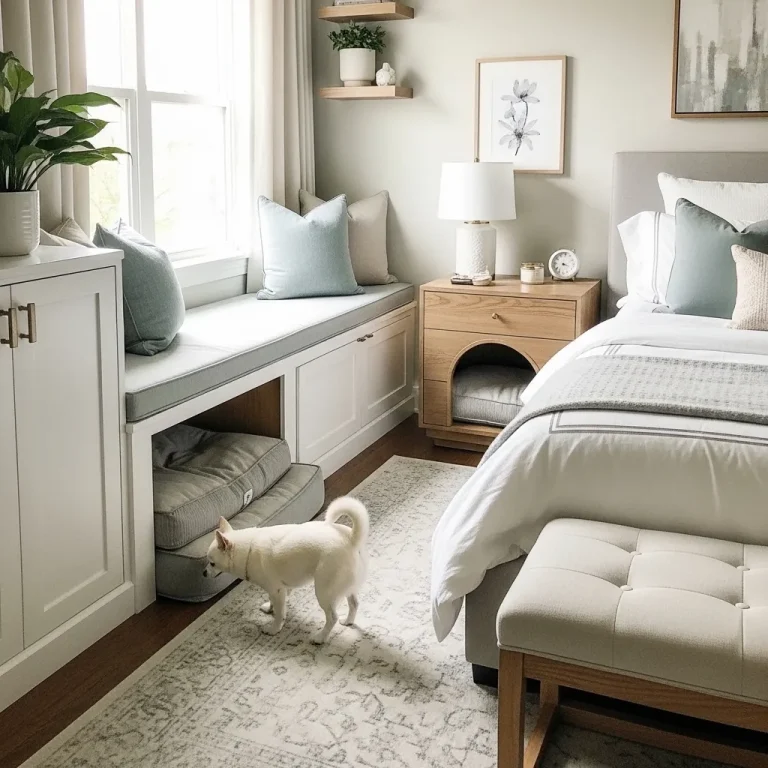
Your Shih Tzu’s crate should feel like a cozy den, not a cage. Put a soft blanket inside and a treat or two. Let your pup explore it on their own. Never use the crate as a timeout spot. I keep the crate door open during the day so my dog can nap there whenever he wants.
At night, close the door gently. They might whine at first, but stay calm. Soon, it becomes their safe space. This is a lifesaver for potty training later.
2. Potty Training on a Timer
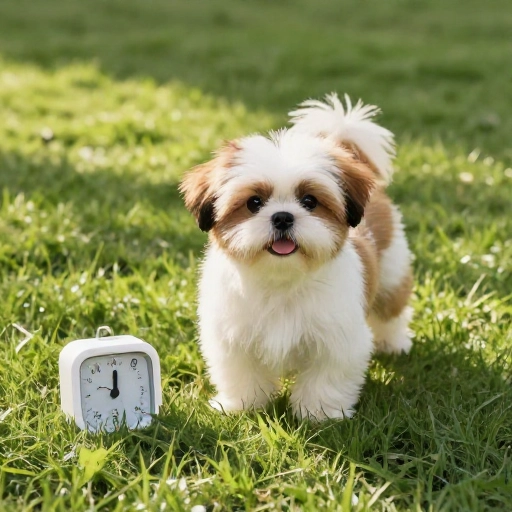
Shih Tzus have small bladders. Take them out every two hours at first. After meals, naps, or playtime, head straight to the door. Pick one spot outside and say a word like “potty” every time they go. Reward with a tiny treat immediately.
Accidents happen. Clean them with an enzyme cleaner so the smell doesn’t linger. Don’t yell—just clean up and try again. Patience wins here.
3. Use Treats That Actually Motivate
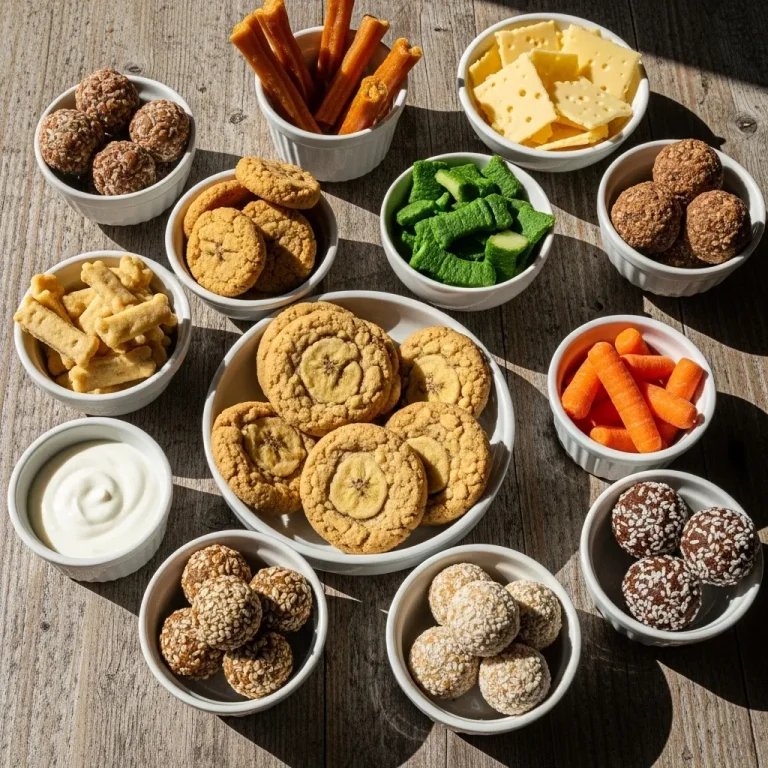
Not all treats are created equal. My Shih Tzu would ignore store-bought biscuits but go crazy for tiny bits of boiled chicken. Find what your dog loves. Break treats into pea-sized pieces so you can reward often without overfeeding.
Keep treats in a pouch on your belt. That way, you’re always ready to reward good behavior. Quick rewards make training stick.
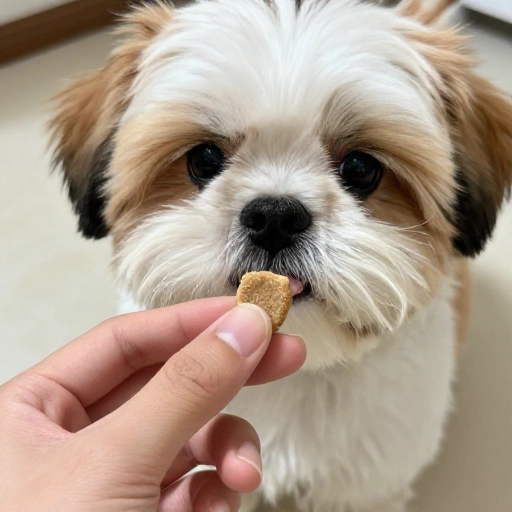
4. Teach “Sit” First
Hold a treat above your dog’s nose and slowly move it back toward their tail. Their bottom will naturally lower. The second their butt hits the floor, say “sit” and give the treat. Repeat this five times a day. Don’t push their back—let them figure it out.
Once they get it, add a hand signal. I use an open palm. Now my dog sits automatically when I raise my hand.
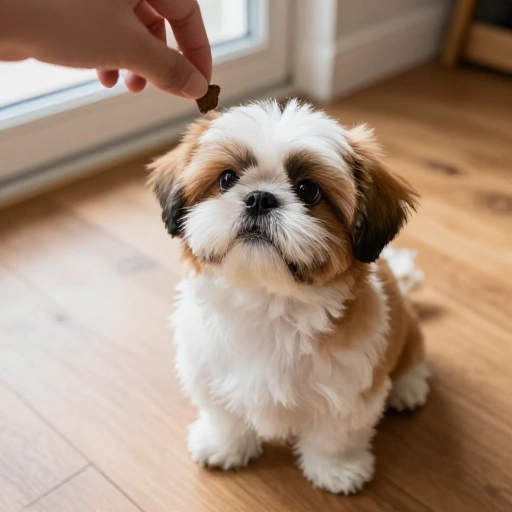
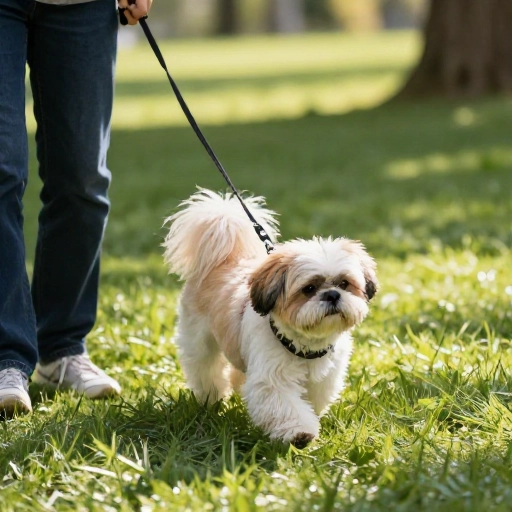
5. Leash Training Without the Drama
Start indoors. Let your puppy drag a lightweight leash around the house for a few minutes. Pick it up and follow them. Reward when they walk next to you. Then try in the yard. Keep sessions short—five minutes max.
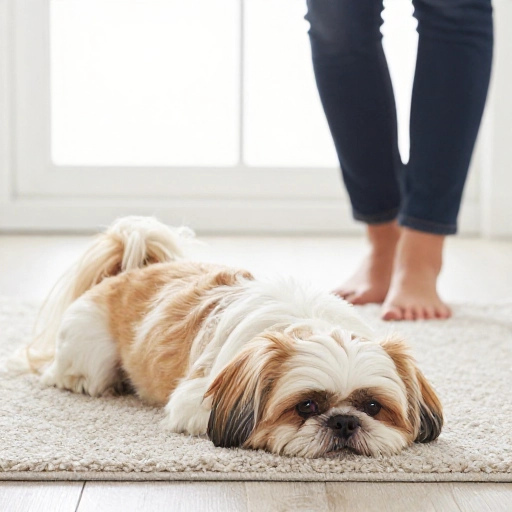
If your Shih Tzu lies down and refuses to move, don’t drag them. Crouch down, call their name, and offer a treat. They’ll learn that walking with you is rewarding.
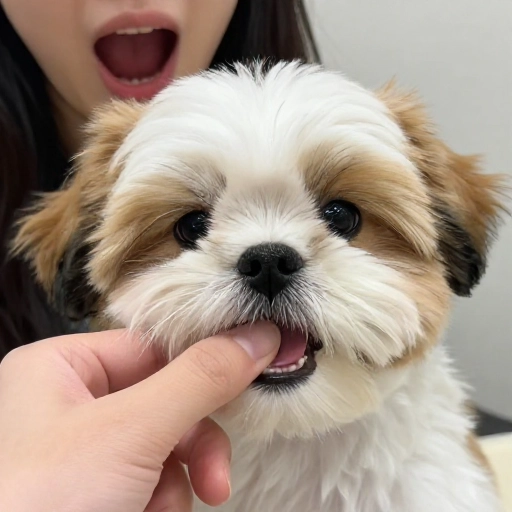
6. Stop Nipping with a Simple Yelp
Puppies explore with their mouths. When your Shih Tzu nips too hard, let out a high-pitched “ouch!” and stop playing. Turn away for a few seconds. This mimics what other dogs do. They learn that biting ends the fun.
Offer a chew toy instead. If they bite you again, walk away. Consistency is key. Most Shih Tzus outgrow this phase quickly.
7. Master “Leave It” Early
Place a treat on the floor and cover it with your hand. Say “leave it.” When your dog stops trying to get it, reward with a different treat from your other hand. Repeat until you can uncover the treat and they wait. This is great for keeping them from eating things they shouldn’t.
Practice at meals too. Ask them to “leave it” before putting the bowl down. They’ll learn self-control.

8. Socialize Slowly and Safely
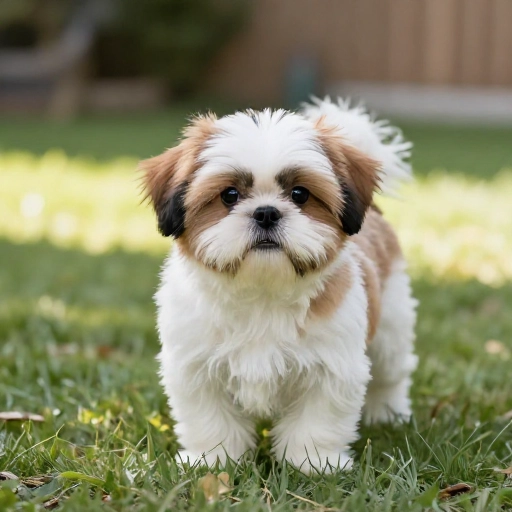
Introduce your Shih Tzu to new people, dogs, and places one at a time. A busy dog park can be overwhelming. Instead, invite a calm friend over. Let your dog approach on their terms. Reward calm behavior with treats.
Carry your puppy into a pet store for five minutes. Let them sniff a new surface. Each positive experience builds confidence.
9. Use a Clicker for Precision
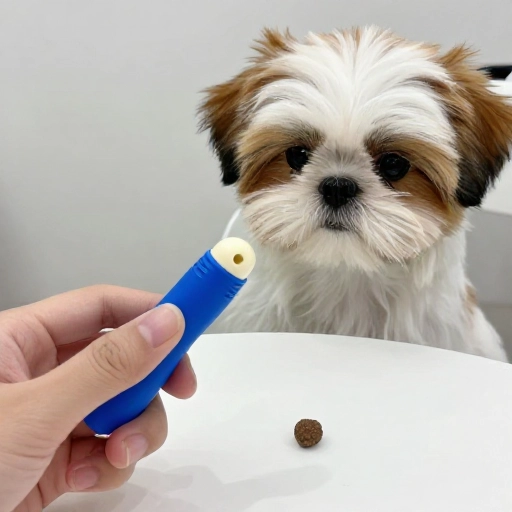
A clicker marks the exact moment your dog does something right. Click, then treat. It sounds simple, but it works. Start by clicking and treating for no reason so they associate the sound with a reward. Then use it for commands like “down” or “stay.”
You don’t need a fancy clicker. A cheap one from the pet store is fine. I keep mine on a keychain so it’s always handy.
10. Keep Training Sessions Short
Shih Tzus have short attention spans. Three to five minutes per session is plenty. Do two or three sessions a day. Always end on a success. If your dog does something right, give a big reward and stop. They’ll look forward to training.
Long sessions frustrate both of you. Keep it fun and fast. Your dog will learn better.

11. Tame the Barking with Quiet Rewards
When your Shih Tzu barks at a noise, say “quiet” in a calm voice. The moment they stop, even for a second, say “yes” and give a treat. Gradually increase the time they need to stay quiet for a reward. Don’t yell—that sounds like barking to them.
If they bark at the doorbell, practice with a friend. Ring the bell, wait for quiet, then reward. It takes patience but reduces noise over time.

12. Teach “Down” with a Treat Path
Start with your dog in a sit. Hold a treat in your closed hand and lower it to the floor, moving it away from them like a snake. Their body will follow. As soon as their elbows touch the ground, say “down” and treat. If they pop up, just try again.
This one takes repetition. Don’t push their shoulders down—let them follow the treat naturally. They’ll get it.

13. Nail Trimming Without Fear
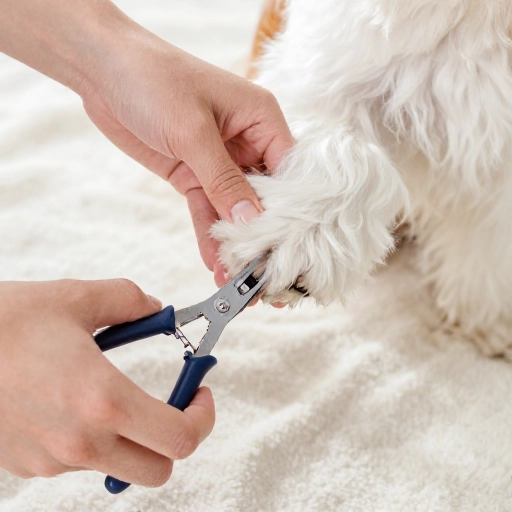
Touch your dog’s paws daily. Hold a paw, give a treat, then let go. Next, introduce the nail clipper. Let them sniff it. Clip one nail, then treat. Stop after one nail the first time. Build up slowly over days.
If you hit the quick (the pink part), use styptic powder. Stay calm. Your dog feeds off your energy. Make it a chill, treat-filled experience.
14. Curb Jumping with a Turn-and-Reject
When your Shih Tzu jumps on you, cross your arms and turn your back. Don’t say anything. Wait until all four paws are on the floor, then turn around and give calm praise. If they jump again, repeat. This teaches that jumping gets zero attention.
Ask guests to do the same. Consistency across people makes it work faster. Your dog will learn to sit for greetings instead.

15. Practice “Stay” with Baby Steps
Ask your dog to sit. Open your palm and say “stay.” Take one step back. If they stay, return and treat. If they move, start over. Gradually increase the distance and duration. This is a life-saving command for doors or busy streets.
Use a release word like “free” when they can move. Never punish a broken stay—just try again. Patience builds a solid stay.
Conclusion
Training a Shih Tzu takes time, but it’s so rewarding. These little dogs are smart and eager to please—they just do it on their own terms. Keep sessions fun, rewards tasty, and your voice kind. You’ll build a bond that lasts a lifetime.
Remember, every dog learns at their own pace. Celebrate small wins. Your Shih Tzu isn’t trying to be difficult; they’re just learning the rules. With these 15 steps, you’ve got a solid start. Now go enjoy your fluffy friend.
FAQ
How long does it take to potty train a Shih Tzu?
Most Shih Tzus catch on in 4 to 6 months with consistent schedules. Some take longer. Stick to the routine and be patient.
Are Shih Tzus easy to train?
They can be stubborn, but they are smart. Short, positive sessions with high-value treats work best. They respond well to gentle methods.
What treats are best for training?
Soft, smelly treats like boiled chicken, cheese, or freeze-dried liver. Break them into tiny pieces. Hard biscuits are too slow for quick rewards.
Can you train a Shih Tzu without a clicker?
Yes. You can use a word like “yes” or a tongue click instead. A clicker just makes timing easier, but it’s not required.
Why does my Shih Tzu ignore me during training?
They might be distracted or bored. Move to a quieter spot, shorten the session, or use a better treat. Also check if they’re tired or hungry.