The Complete New Puppy Checklist for First-Time Owners: 10 Things I Wish I Knew Before Bringing My Pup Home
Bringing home a puppy feels like a mix of pure joy and mild panic. I still remember standing in my kitchen with a tiny ball of fur, wondering if I had everything I needed. The truth is, you don’t need a perfect house or a giant budget. You need a plan, a few key supplies, and a whole lot of patience.
This new puppy checklist is the one I wish I’d had as a first-time owner. It walks you through what to set up before your puppy arrives, what to buy first, and how to handle the first few weeks without losing your mind.
Save this to your puppy board, and take it one step at a time. Your future self—and your pup—will thank you.
1. Set Up a Safe Puppy Zone Before Day One
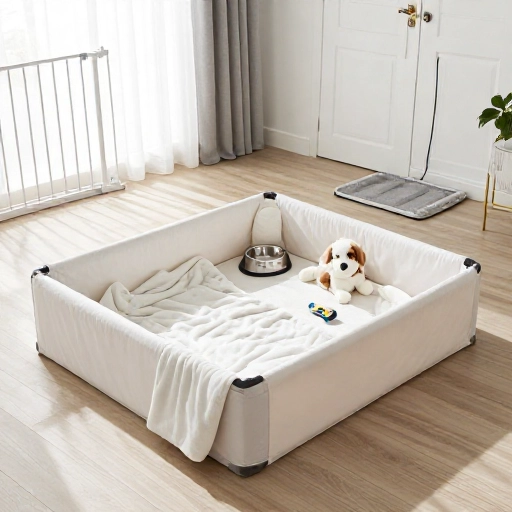
Before your puppy comes home, pick a small area where they can’t get into trouble. A kitchen corner, a playpen, or a gated hallway works great. This becomes their safe spot for naps, meals, and quiet time.
Puppy-proofing is not optional. I learned this the hard way when my first puppy chewed a phone charger. Get down on the floor and look for loose wires, small objects, toxic plants, trash cans, and shoes.
- Use baby gates to block stairs and off-limit rooms.
- Secure trash cans with lids.
- Put cleaning supplies and medications behind closed doors.
- Hide cords in cable protectors.
Make the zone feel inviting with a bed, water bowl, and a couple of safe toys. The goal is simple: your puppy can explore without you hovering every second.
2. Stock the Feeding Station (Food, Bowls, and Treats)
Ask the breeder or shelter what food your puppy is eating now. Sudden food changes can cause tummy trouble, so keep the same brand for at least a week. Then transition slowly if you want to switch.
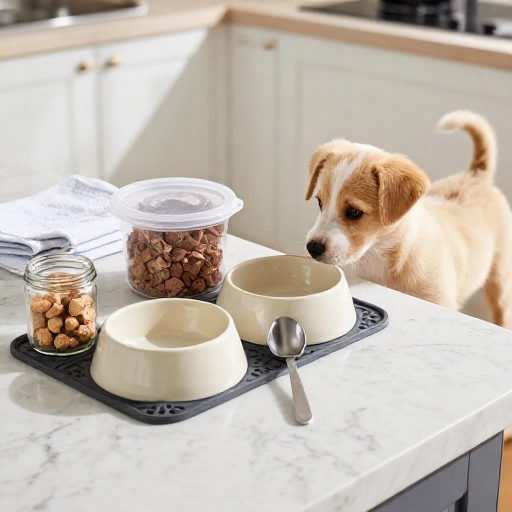
You’ll need two sturdy bowls—one for water, one for food. Stainless steel is easy to clean and hard to chew. A slow feeder bowl can help if your puppy inhales meals in seconds.
Treats are training tools, not just snacks. I keep tiny, soft treats on hand for quick rewards. Break larger treats into pea-sized pieces so you don’t overfeed.
3. Create a Cozy Sleep and Crate Setup
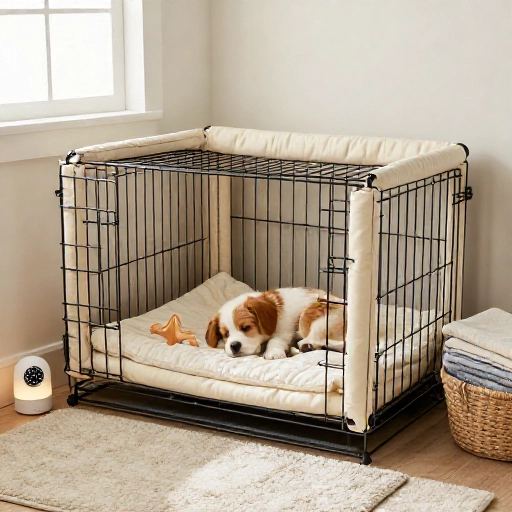
A crate should feel like a cozy den, not a jail. Get a crate that will fit your puppy as an adult, then use a divider to make it smaller while they grow. Too much space can tempt them to potty in one corner.
Add a soft blanket, a safe chew toy, and maybe a shirt that smells like you. Cover the crate with a light sheet at night to make it feel calm and cave-like.
Expect a few whiny nights. I slept near the crate for the first week and took my puppy out once or twice before dawn. It’s temporary, and it builds trust.
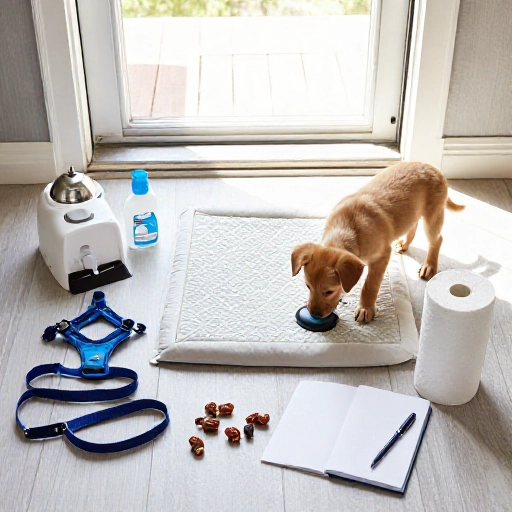
4. Gather Potty Training Supplies and Make a Schedule
Potty training is all about timing and repetition. Puppies need to go out after waking up, after eating, after playing, and before bed. A puppy under 12 weeks may need a break every 1–2 hours during the day.
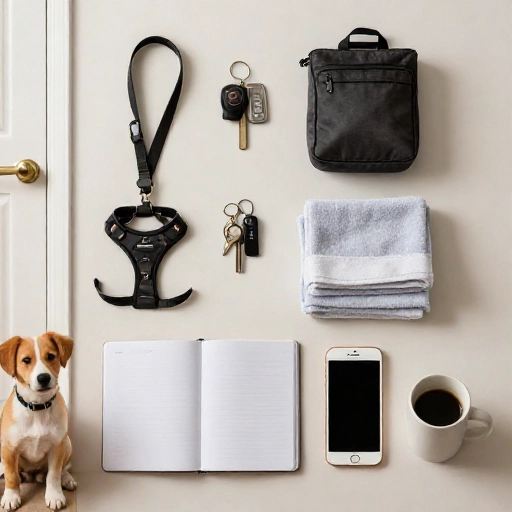
Keep these supplies by the door: leash, harness or collar, poop bags, and a flashlight for night trips. Enzyme cleaner is a must for accidents—it removes the smell so your puppy won’t keep returning to the same spot.
Take your puppy to the same potty spot every time. Praise like they just won a gold medal when they go. If they have an accident, clean it up calmly and take them outside sooner next time.
5. Book the First Vet Visit Early
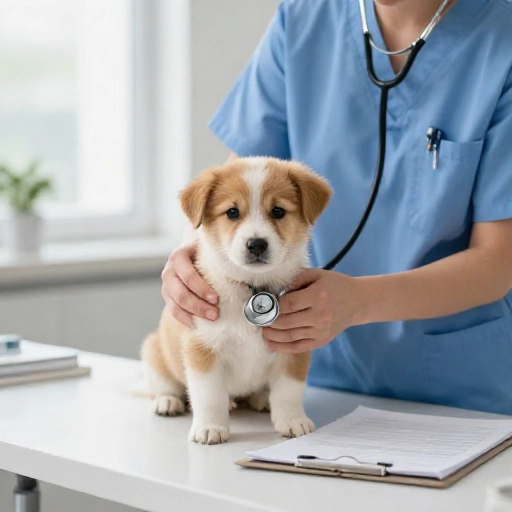
Call your vet before your puppy comes home, or within the first few days. Bring any records from the breeder or shelter. The first visit usually covers a full checkup, vaccine schedule, deworming, and a fecal test.
Ask about microchipping, flea and tick prevention, and when to plan for spay or neuter. I also like to ask what emergency clinic they recommend, just in case.
This is a good time to start a puppy health folder. Keep vaccine dates, weight checks, and medication notes in one place. It makes future visits much easier.
6. Buy Grooming and Hygiene Essentials
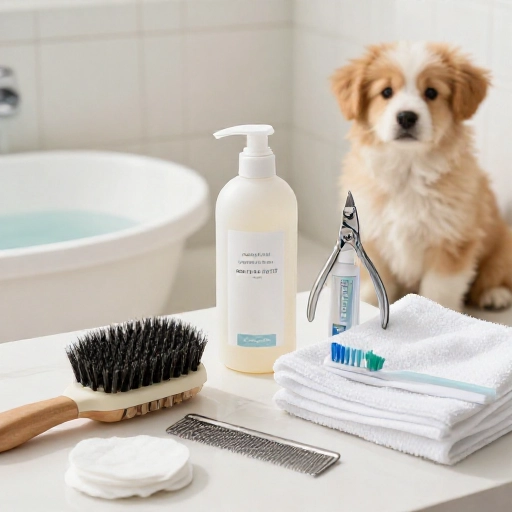
You don’t need a full salon at home, but a few basics make a big difference. Get puppy-safe shampoo, a soft brush, nail clippers or a grinder, dog toothpaste, and a toothbrush.
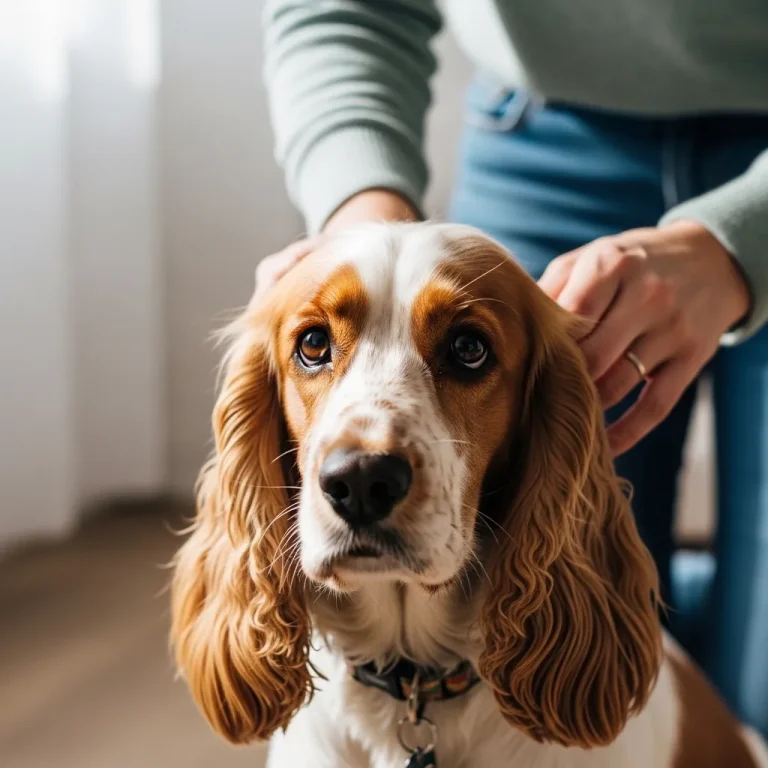
Start handling your puppy’s paws, ears, and mouth for just a few seconds each day. Pair it with treats so grooming feels normal. I wish I had done more paw touching early on—nail trims would have been so much easier.
Keep pet-safe wipes and old towels near the door for muddy paws. A quick wipe-down now saves your floors later.
7. Choose Toys and Chews for Play, Teething, and Enrichment
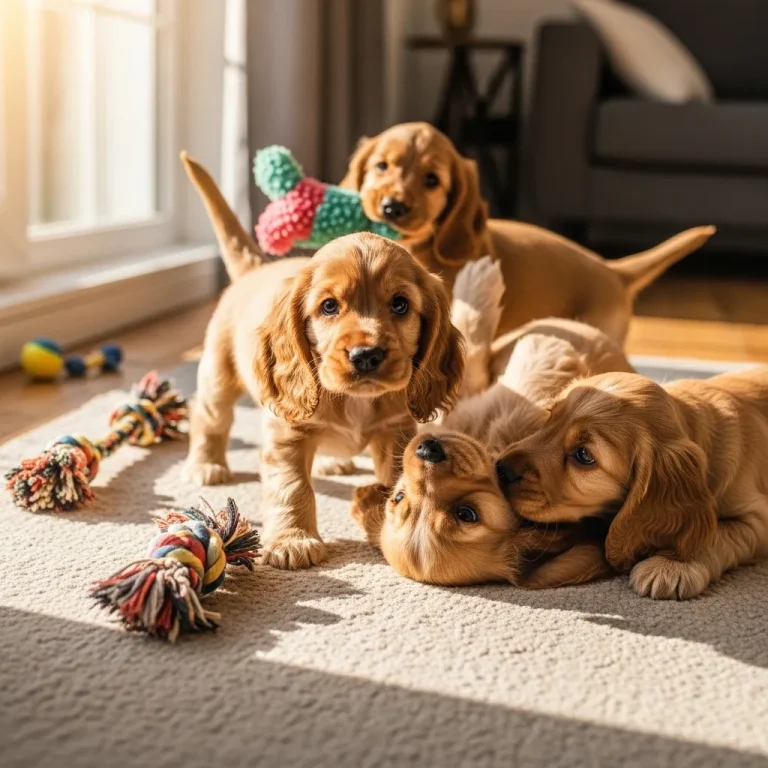
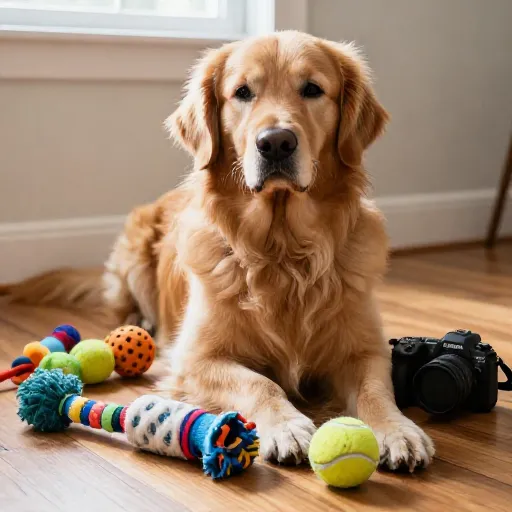
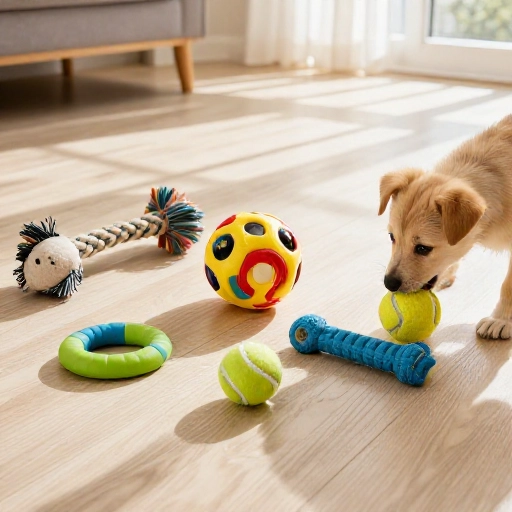
Puppies explore with their mouths, so toys are not a luxury—they’re a necessity. I like to have a mix of plush toys, rubber chew toys, rope toys, and puzzle toys.
Teething puppies love frozen carrots, puppy-safe chews, and rubber toys you can stuff with food. Always supervise, and throw away toys that get shredded. Small pieces can be a choking hazard.
Rotate toys every few days so they feel new again. A bored puppy is a destructive puppy, and a puzzle toy can buy you 20 quiet minutes.
8. Start Socialization and Safe Exposure Right Away
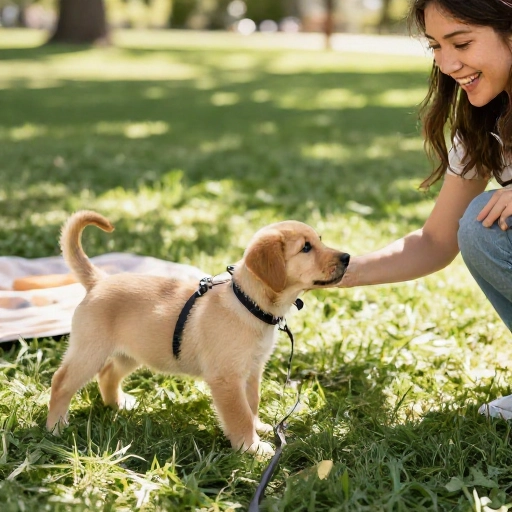
Socialization doesn’t mean letting your puppy meet every dog at the park. Until they’re fully vaccinated, carry them or use a stroller to explore the world safely. Let them hear traffic, see strollers, and watch people from a distance.
Invite calm, healthy, vaccinated dogs to your yard. Keep interactions short and positive. If your puppy looks scared, don’t force it—give them space and try again later.
Puppy classes are gold for first-time owners. They offer safe play, basic training, and a chance to ask questions. I learned more in four weeks of class than in hours of online reading.
9. Begin Basic Training with Positive Reinforcement
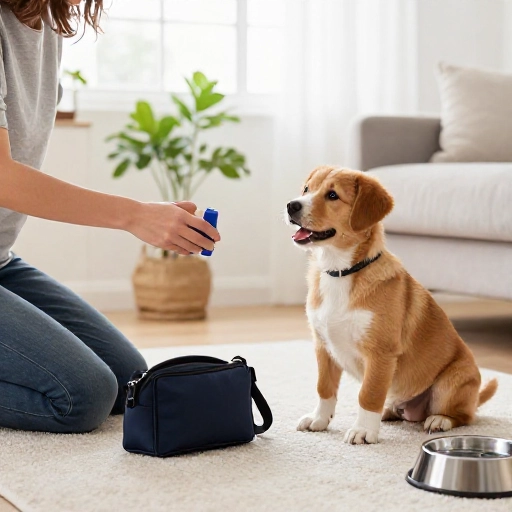
Training starts the day your puppy comes home. Use their name, reward calm behavior, and keep sessions to 2–5 minutes. Puppies have short attention spans, so short and sweet wins.
Start with name recognition, sit, come, and leave it. Crate training and potty training are part of the same package. Reward what you want to see, and ignore what you don’t.
Never punish your puppy for accidents or chewing. They don’t understand revenge—they’re just learning. A treat pouch and a happy voice are your best tools.
10. Build a Daily Routine (and a Backup Plan)
Puppies thrive on routine. A simple day looks like this: wake up, potty, breakfast, play, nap, potty, training, lunch, nap, potty, play, dinner, potty, quiet time, bed. It sounds boring, but it works.
Plan for real life too. Who will let the puppy out if you work late? Do you need a dog walker, pet sitter, or daycare? Having a backup plan saves you from panic on busy days.
Finally, budget for the extras: vet visits, training classes, food, toys, grooming, and pet insurance. I keep a small emergency fund just for puppy surprises. It gives me peace of mind.
Final Thoughts: Your First Puppy Checklist in Real Life
No checklist can prepare you for every puppy moment. There will be chewed shoes, 3 a.m. potty trips, and days when you wonder what you got yourself into. That’s normal.
Focus on the basics: a safe space, good food, vet care, gentle training, and lots of love. The rest gets easier with time and consistency. You’ve got this—and your puppy is lucky to have you.
Frequently Asked Questions
What should I buy before my puppy comes home?
Start with a crate, bed, food and water bowls, puppy food, collar, leash, ID tag, potty bags, enzyme cleaner, and a few safe toys. You can add grooming supplies and training treats within the first week.
How often should I take my puppy out to potty?
Every 1–2 hours during the day for young puppies, plus after naps, meals, play, and before bed. At night, expect one or two trips outside until they can hold it longer.
When can my puppy meet other dogs?
Wait until your vet says it’s safe, usually after the first few vaccine rounds. Until then, let your puppy meet calm, vaccinated dogs in a private yard or join a reputable puppy class.
How much sleep does a puppy need?
Puppies need a lot of sleep—often 16–20 hours a day, including naps. Overtired puppies get nippy and wild, so crate naps are your friend.
What if I feel overwhelmed as a first-time puppy owner?
That feeling is common. Ask your vet, a trainer, or a friend with dogs for help. Take it one day at a time, and remember that every puppy phase passes.