Crate Training: Never Force Your Dog In — 10 Gentle Steps That Actually Work
I still remember the first time I tried crate training. I thought I was doing the right thing: put the dog in, close the door, let him cry it out. Ten minutes later, he was panicked, I was stressed, and the crate became the enemy.
Then a trainer told me something that changed everything: if I have to force my dog into the crate, I’ve already lost the lesson. Crate training isn’t about winning a battle. It’s about building a choice.
These are the gentle steps I use now. They take patience, but they work with puppies, rescue dogs, and older dogs who’ve decided crates are terrible.
1. Make the Crate Feel Like a Cozy Den, Not a Cage
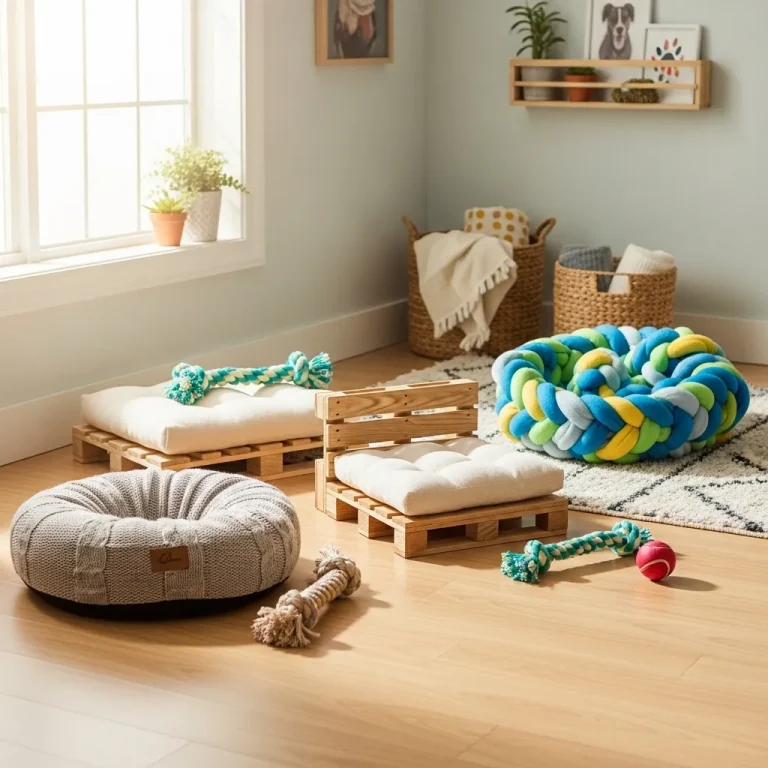
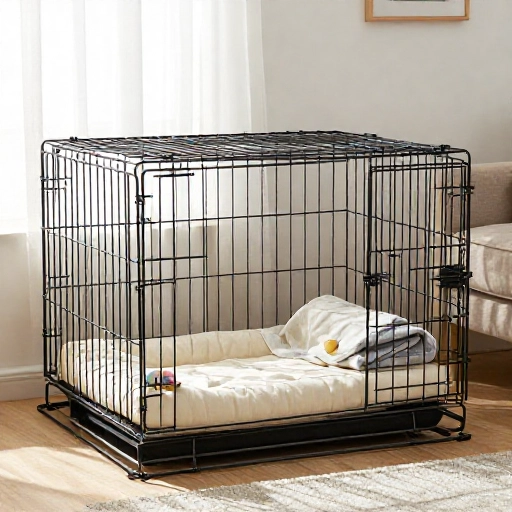
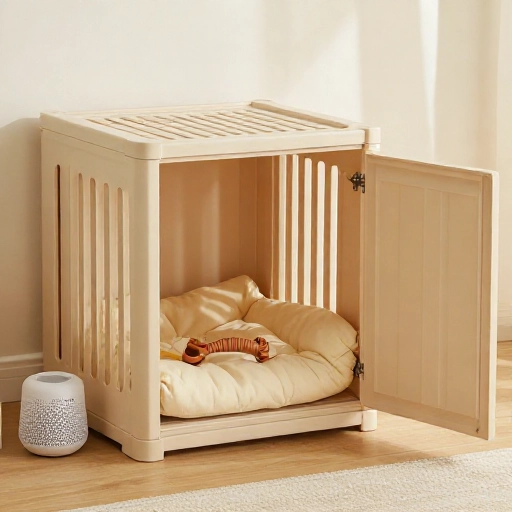
Before I ask my dog to step inside, I set the crate up so it looks inviting. I take the door off or tie it open so it never slams. I add a soft blanket, a worn T-shirt that smells like me, and maybe a toy.
Location matters too. I put the crate in a room where we hang out, not in a lonely basement or garage. Dogs want to be near their people, especially when they’re learning that the crate is safe.
If the crate looks like a trap, my dog will treat it like one. If it looks like a cozy corner, curiosity does the work for me.
2. Let Your Dog Investigate at Their Own Pace
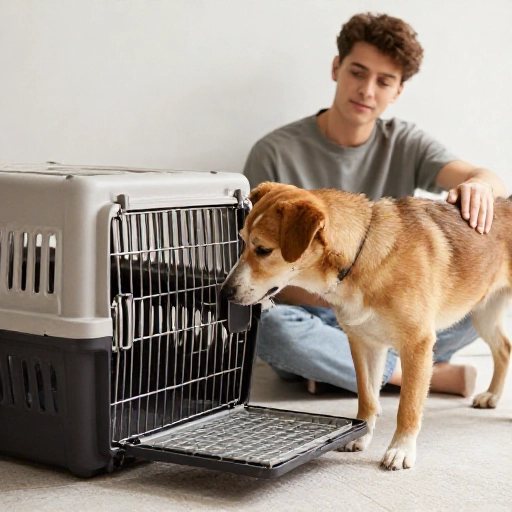
I don’t open the crate and say, “Go in!” Instead, I sit on the floor nearby and read a book or scroll my phone. The crate is just there. My dog can sniff it, walk around it, or ignore it.
When my dog finally pokes a nose inside, I quietly drop a treat behind them. No big party yet. I want them to think, “This was my idea.”
Some dogs need five minutes. Some need five days. That’s okay. The goal is not speed. The goal is trust.
3. Feed Meals Near and Then Inside the Crate
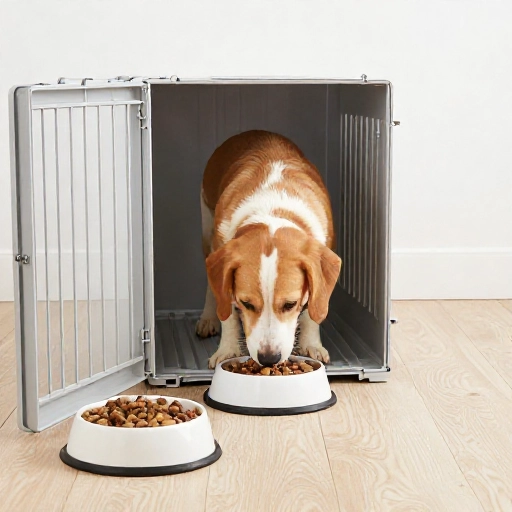
Food is a powerful tool. I start by putting my dog’s bowl just outside the crate. Next meal, it moves to the doorway. Then just inside. Eventually, the bowl sits all the way in the back.
I stay calm and casual. I don’t close the door while they eat. I want the crate to predict good things, not confinement.
If my dog backs away from the bowl, I move it back a step. That’s not failure. That’s listening.
4. Turn Treats and Toys Into Crate Games
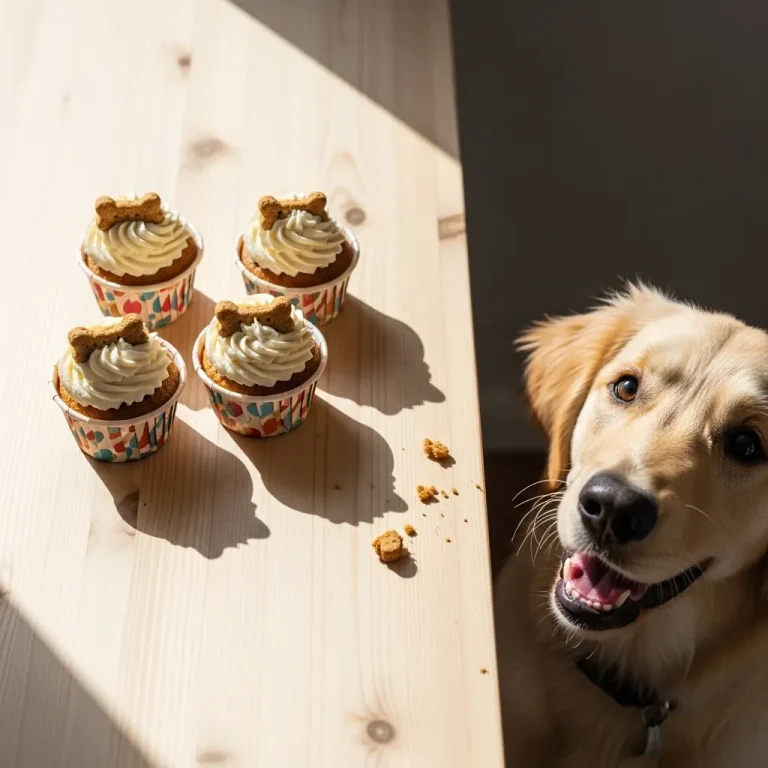
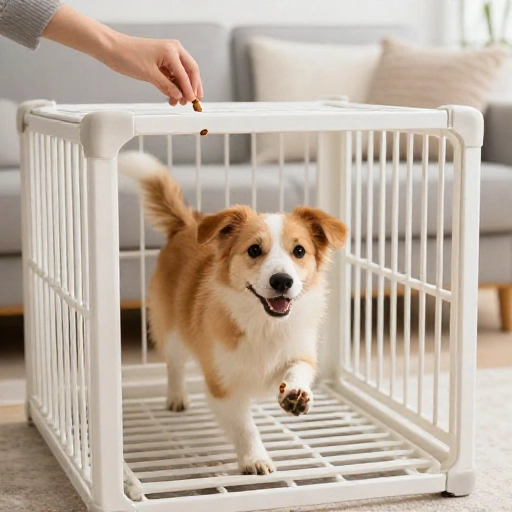
I toss a high-value treat inside and let my dog grab it and come back out. Repeat. Repeat. This teaches a simple pattern: crate equals reward, and leaving is allowed.
- Throw a toy in and let them retrieve it.
- Hide a few tiny treats just inside the door.
- Use a food puzzle or stuffed chew toy only near the crate.
The best part? My dog starts checking the crate on their own, hoping another surprise appears.
5. Keep Crate Sessions Ridiculously Short
I used to think longer was better. It’s not. In the beginning, I aim for 10 to 30 seconds of calm inside the crate. That’s it.
I close the door only if my dog is relaxed, then open it before they start to worry. If they’re still happy, I might wait two seconds. Then five. Then ten.
Short wins build confidence. Long sessions build resentment. I’d rather do ten tiny sessions than one big battle.
6. Never Push, Shove, or Scare Them In
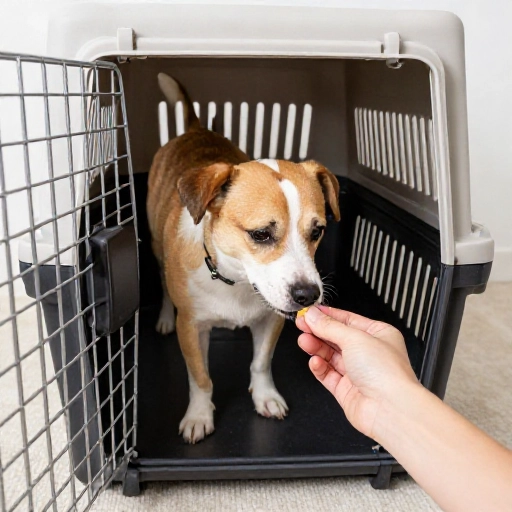
This is the rule I wish I’d known from day one. I never push my dog into the crate, yank them by the collar, or shut the door on a panicked dog.
Force might get a dog inside today, but it creates a dog who avoids the crate tomorrow. It also damages the trust between us.
If my dog won’t go in, I don’t make them. I make the step smaller. Maybe just toss a treat near the door. Maybe just sit together. We end on a good note.
7. Add Comfort: Bedding, Chews, and Calm Sounds
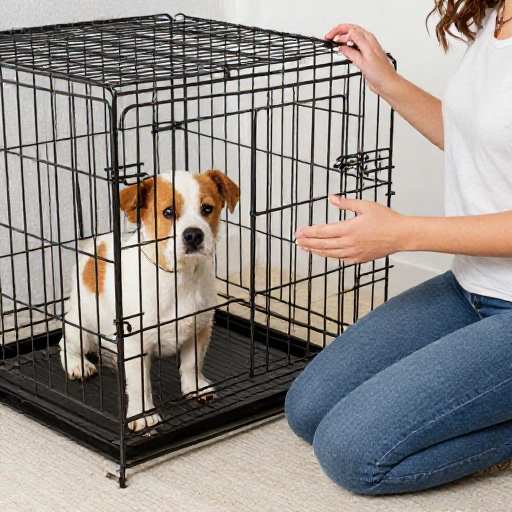
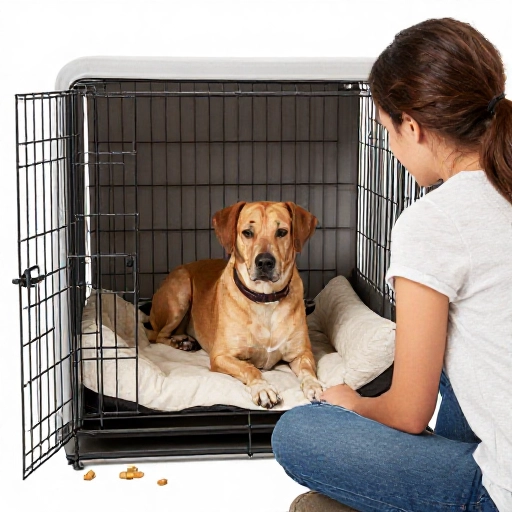
A bare crate is not cozy. I add a washable bed or blanket, and I make sure it’s not too hot. For teething puppies, a safe chew can be a lifesaver.
I also use calm background noise if the house is noisy. A fan, soft music, or a white noise machine can muffle sounds that trigger alert barking.
Comfort isn’t spoiling. It’s setting my dog up to succeed.
8. Practice the Door: Open, Close, Open Again
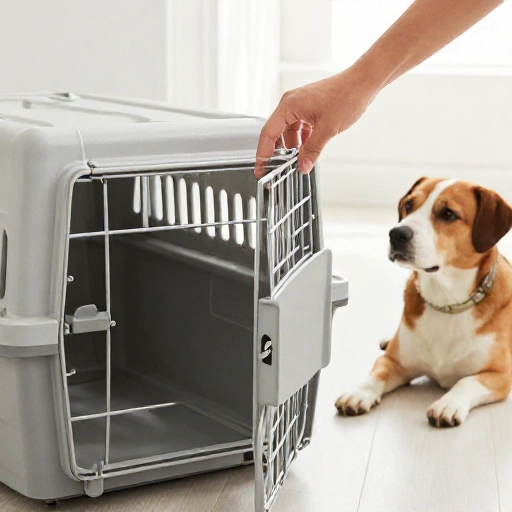
Once my dog is happy walking in and out, I start playing with the door. I close it for one second, then open it. Treat. Repeat.
I don’t latch it at first. I just move the door. Then I latch it for a second, open, treat. This makes the sound and motion boring instead of scary.
If my dog rushes out, I don’t scold. I just go slower and make the next treat better.
9. Build Alone Time in Tiny, Boring Steps
After my dog is comfortable with the door closed, I step away for one second. Then two. Then I walk to the kitchen and back. I keep coming back before they panic.
I leave a stuffed chew toy or a safe puzzle to pair with my absence. When I return, I stay low-key. No emotional reunions that make alone time feel like a big deal.
Slowly, the crate becomes just another part of the day. Not a punishment. Not a drama. Just a nap spot.
10. Watch Your Dog’s Body Language and Stop While They’re Winning
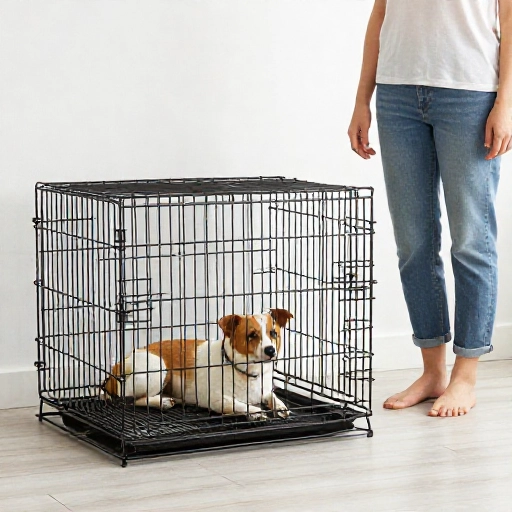
Dogs tell us everything if we watch. A relaxed dog might sigh, lie down, or take a treat gently. A stressed dog might pant, pace, drool, freeze, or stare at the door.
If I see stress, I stop and make the next session easier. I never wait for a full meltdown. That only teaches my dog that the crate is unpredictable.
I always end while my dog is still calm and still winning. That way, they want to come back to the game tomorrow.
Conclusion: Crate Training Is a Trust Exercise
I’ve learned that crate training isn’t about making my dog obey. It’s about making my dog feel safe. When I stopped forcing and started listening, everything changed.
Some days are slow. Some dogs need more time. But every gentle step adds up. If I never force my dog in, I give them a real chance to choose the crate on their own.
And honestly? A dog who walks into their crate willingly is worth every extra treat and every tiny session.
FAQ
Q: How long does crate training take?
A: It depends on the dog. Some dogs get comfortable in a few days, while others need weeks. I focus on short, positive sessions rather than a deadline.
Q: What if my dog cries in the crate?
A: I don’t ignore panic. I make the session shorter and easier next time. If the crying is intense, I take a step back and rebuild calm with the door open.
Q: Can I use treats every time?
A: Yes, especially in the beginning. I gradually phase treats into random rewards, but I keep the crate positive.
Q: Should I leave my dog crated all day?
A: No. A crate is a management tool, not a full-time home. Puppies and adult dogs need potty breaks, exercise, and company.
Q: What if my dog was traumatized by a crate before?
A: Go slower. I might start with just the crate door off, or use a pen instead. A professional force-free trainer can help if my dog is very fearful.