16 Genius Dog Run Ideas Attached To Your House That Your Pup Will Actually Love
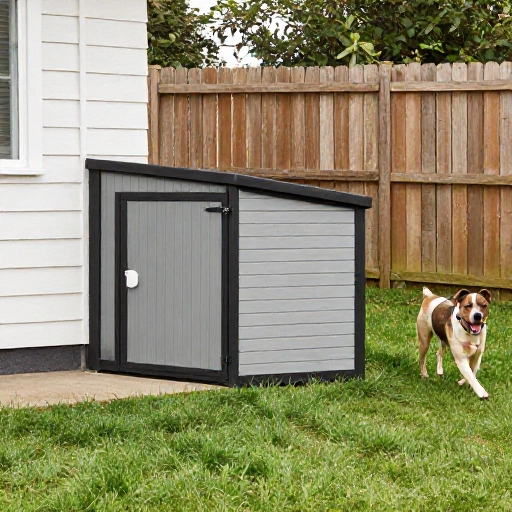
Let’s be real—our dogs are family. But even the most beloved family member can turn your backyard into a mud pit or your flower beds into a dig site. If you are tired of letting your pup out and watching them make a beeline for the fence line, a dedicated dog run attached to the house is the ultimate game-changer.
I’ve spent a lot of time staring at my own backyard, trying to figure out how to give my high-energy Lab the space to zoom without destroying my landscaping. The best solution? Building a run that connects directly to the house. It’s convenient, keeps the mess contained, and gives your dog freedom while you sip coffee inside. Whether you have a tiny side yard or a sprawling property, here are 16 practical, stylish, and dog-approved ideas to get you inspired.
1. The Classic Side-Yard Sprint
If you have a narrow strip of grass between your house and the fence, you’ve already got a dog run. This is the most common setup for a reason—it’s simple and effective. Just install a gate at the end of the side yard and a dog door leading from your kitchen or laundry room.
This works best for high-energy breeds that need a straight line to chase a ball. You don’t need to do much beyond keeping the grass short and ensuring the fence is secure. It’s the “no-fuss” option that requires zero architectural changes.
Make sure the width is at least four feet so your pup can turn around comfortably. Add a gravel strip along the fence line to prevent digging escape attempts.
I love this option because it keeps the mess out of your main entertaining space. The side yard becomes a dedicated “dog zone” that you don’t have to worry about for weekend BBQs.
2. The Covered Porch Run for Rainy Days
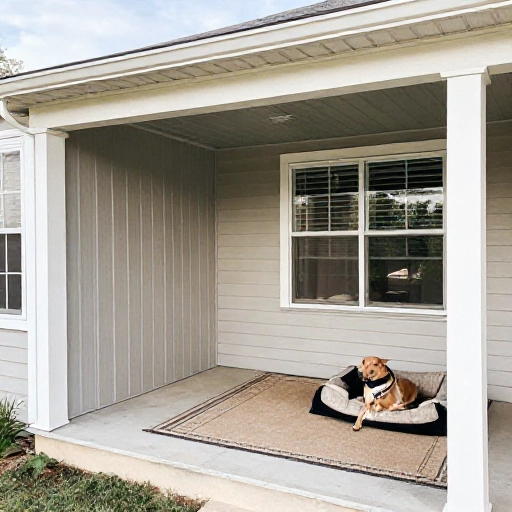
Do you live somewhere it rains a lot? A covered dog run attached to the house is a lifesaver. It’s essentially an extended porch that is enclosed with fencing, giving your dog fresh air without getting soaked.
This is perfect for dogs who love to be outside but hate getting their paws wet. You can install a clear polycarbonate roof to let in sunlight while keeping the rain out. It’s like a sunroom for your dog.
You can add an outdoor rug or artificial turf to make it cozy. Since it’s covered, you can also leave toys and a water bowl out there without worrying about them getting ruined by the elements.
I recommend adding a ceiling fan for summer airflow. This makes the run usable in almost every season, which is great for your dog’s daily exercise routine.
3. The Concrete Pad with a Drain
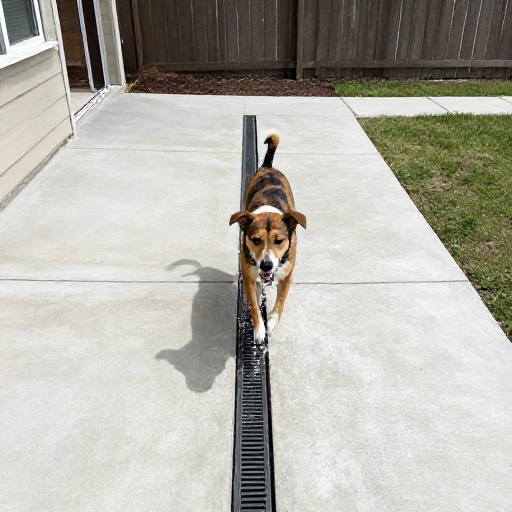
For the ultimate in cleanliness, a concrete slab is the way to go. This is the easiest dog run to clean—just hose it down, and the mess goes straight into the drain. It’s a favorite for pet owners who have heavy shedders or messy drinkers.
You can pour a sloped concrete pad right next to your back door. The key is to add a drainage grate so water doesn’t pool up. This prevents urine odors from lingering and keeps the area sanitary.
To make it more comfortable for your dog, add a raised wooden pallet bed or a dog cot so they aren’t lying directly on the cold concrete. Throw in a few shade sails for hot days.
This is honestly the most hygienic option I’ve seen. If you live in a hot climate, the concrete stays cooler than asphalt, which is much safer for your pup’s paws.
4. The “Doggy Deck” Elevated Run
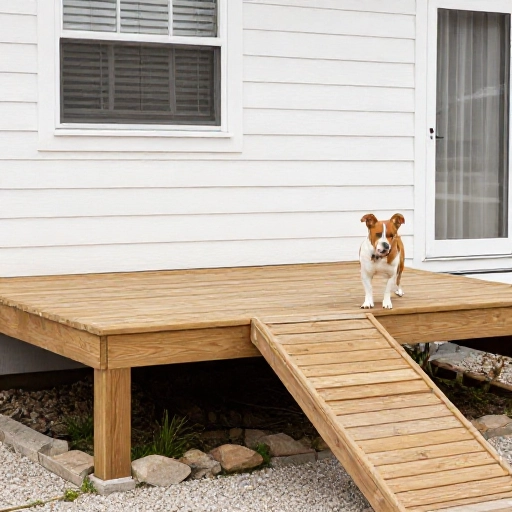
If your house has a raised deck or you live in a hilly area, build the run at deck level. This creates a seamless transition from your indoor living space to the outdoors. It feels less like a cage and more like an extension of your home.
Use composite decking materials that are durable and easy to clean. The fencing can match your existing deck railing for a unified look. This is a great way to add value to your home while also making your dog happy.
You can install a dog door right into the wall of the house at deck height. This is especially easy if you are building the deck new or remodeling your back entrance.
I love that this keeps the dog up off the ground, away from mud and ticks. It also gives them a great vantage point to watch the neighborhood.
5. The L-Shaped Corner Run
Don’t have a straight strip of land? Use the corner of your house and fence to create an “L” shape. This maximizes the running space you have without taking over the entire yard. It’s a smart way to utilize dead space.
This design allows your dog to run a slightly longer path than a straight line would allow. You can put the dog door at the inside corner of the “L”, giving them access to two different sightlines.
Use solid fencing on the outside and a gate on the open side for access. This creates a secure “outside room” that feels very private for your dog.
It’s a great solution for corner lots where the backyard is oddly shaped. You get a lot of square footage without blocking the view from your main windows.
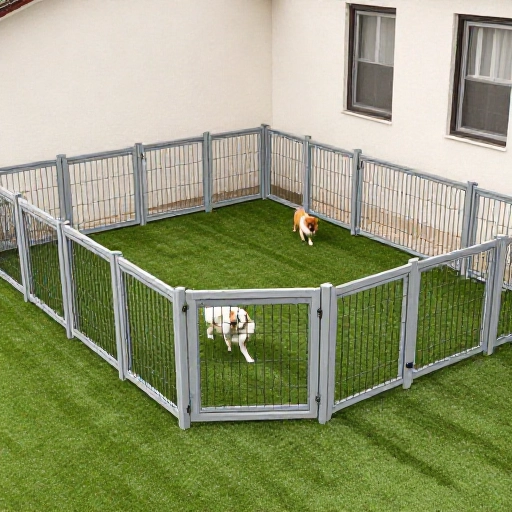
6. The Gravel & Stone Base Run
Mud is the enemy of every dog owner. A gravel base is a fantastic alternative to grass. It drains incredibly well, so you won’t have to deal with muddy paw prints tracking through your house. Pea gravel or decomposed granite are both great choices.
This is a low-maintenance option. You won’t have to mow it, water it, or worry about dead spots from urine. Just rake it occasionally to keep it looking fresh.
Make sure to lay down a weed barrier underneath to prevent weeds from sprouting through. Use a rubber edging to keep the gravel contained.
Your dog might take a few days to get used to the texture, but most dogs love it. It’s also easier on their joints than concrete.
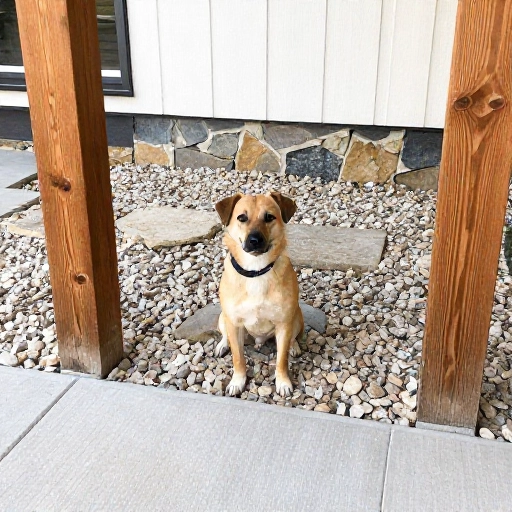
7. The Two-Story Dog Run
If you have a split-level home or a walk-out basement, you can create a multi-level run. This provides your dog with vertical space to climb and explore. It’s a fun and unique idea that stimulates your dog’s mind.
Build a ramp or steps that connect the upper deck to the lower yard. Enclose both levels with fencing. This gives your dog a “balcony” and a “garden” all in one.
This is amazing for active breeds that love to climb. You can place a dog house on the lower level and a lookout perch on the upper level.
It’s a bit more complex to build, but it’s a showstopper. Your dog will feel like they have a massive mansion.
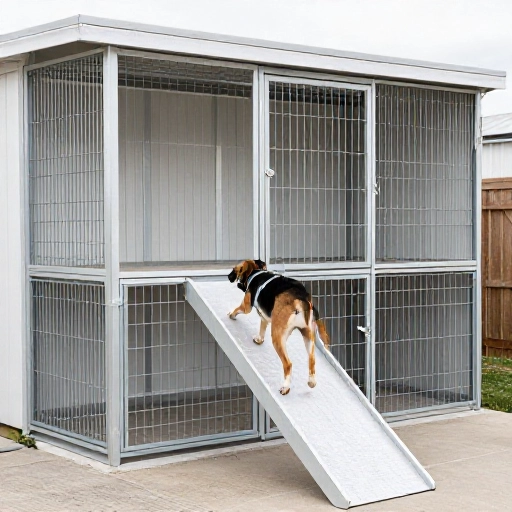
8. The “Runway” Walkway Design
If your yard is deep but narrow, create a “runway” look. This is a straight, long pathway that encourages running. You can use paving stones or a concrete strip down the middle with grass or gravel on the sides.
This design is all about speed. It gives your dog a clear, unobstructed path to sprint down. The defined pathway also looks very stylish and intentional in the landscape.
Add a few obstacles like a small agility jump or a tunnel on the side to break up the monotony. This turns a simple run into a fun obstacle course.
I find this works perfectly for whippets, greyhounds, or any dog that loves to run fast. It’s like having a mini race track right off your bedroom.
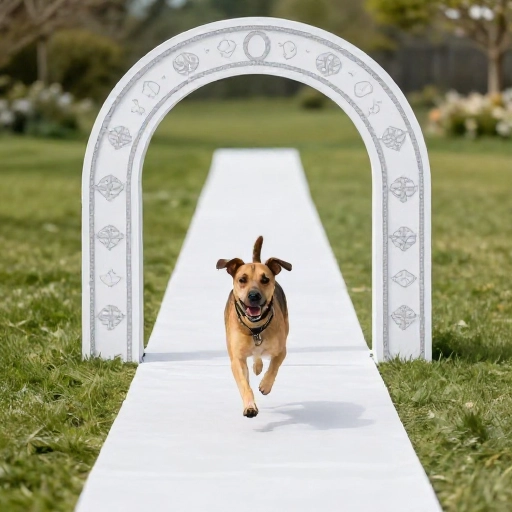
9. The Shade-Sail Canopy Run
Sun protection is crucial. Instead of a solid roof, use a shade sail. This gives your dog UV protection while still allowing a breeze to flow through. It’s a modern, stylish look that is also very affordable.
Attach the sail to the house on one side and a high post on the other. This creates a sloped canopy that sheds rain and provides maximum shade during peak sun hours.
It’s a great DIY project that you can install in a weekend. You can even buy multiple sails in different colors to match your home’s exterior.
This option is perfect for people who want a run that doesn’t feel like a closed-in box. It’s open, airy, and very chic.
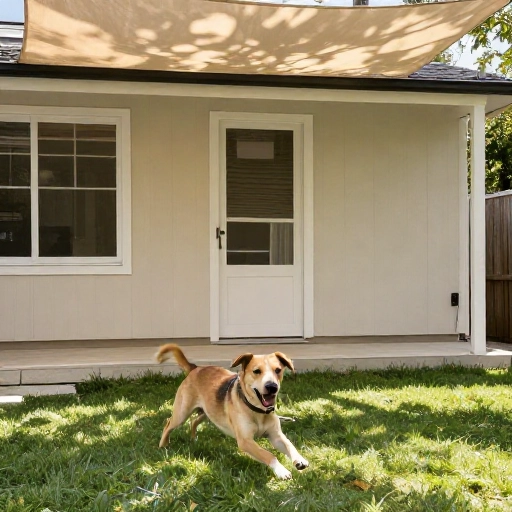
10. The Indoor-Outdoor Dog Suite
Why stop at the outside? Create a “dog suite” that bridges the indoors and outdoors. Cut a dog door into a wall that leads to a mudroom or laundry area, and then connect that to the outdoor run. This gives your dog a climate-controlled space to sleep and a safe place to potty.
This is the ultimate luxury for your pet. They can be “outside” while still being technically inside when they need a break from the sun or cold.
You can add a small dog wash station in the indoor part of the suite. This makes cleaning up muddy paws a breeze before they re-enter the main house.
It’s a substantial renovation, but if you have the space, it changes the way you live with your dog. No more standing in the rain waiting for them to do their business.
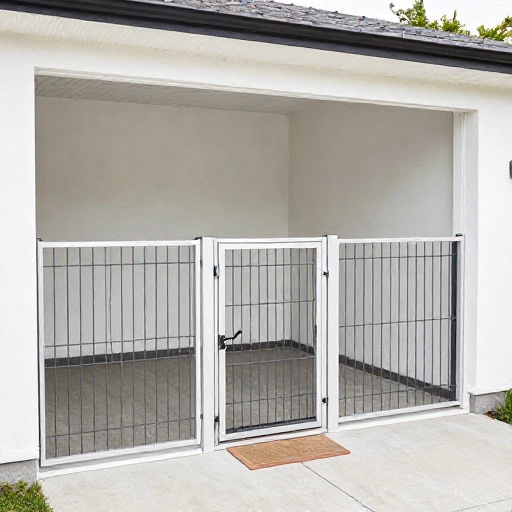
11. The Modular Panel System
If you are renting or want flexibility, use modular metal or plastic panels. These are the same panels used for temporary fencing, but you can secure them to the house to create a permanent-looking run without a huge commitment.
They come in various heights and widths, so you can customize the size to fit your space perfectly. They are rust-resistant and very easy to clean with a hose.
You can install a gate panel for easy access. Since they are modular, you can easily expand or reconfigure the run if you move to a different house.
This is a budget-friendly option that doesn’t skimp on safety. It’s strong enough to contain even the most determined diggers if you stake it down properly.
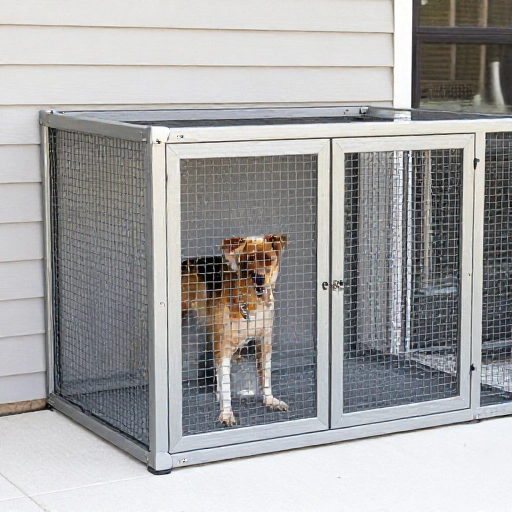
12. The Natural “Playground” Run
Instead of a barren run, create a doggy playground. Use natural elements like logs, large rocks, and dirt mounds for your dog to climb on and explore. This provides excellent physical and mental enrichment.
This is less about running and more about playing. It’s a “dog park” feel right in your own yard. The uneven terrain helps build your dog’s core strength and balance.
Make sure to leave a soft landing surface like sand or wood chips around the obstacles. Avoid sharp rocks or anything that could hurt their paws.
I love that this idea makes the run a fun destination, not just a potty spot. Your dog will be excited to go out every time.
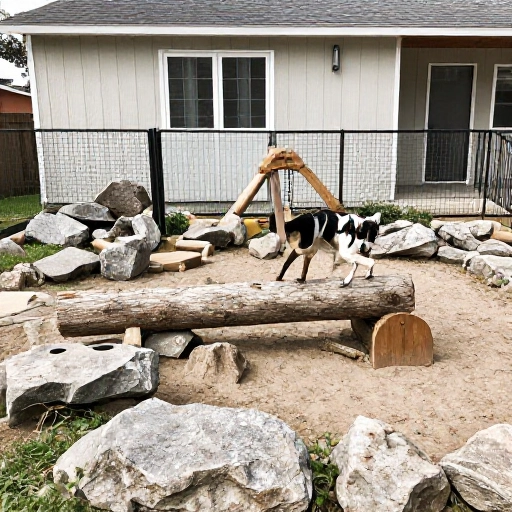
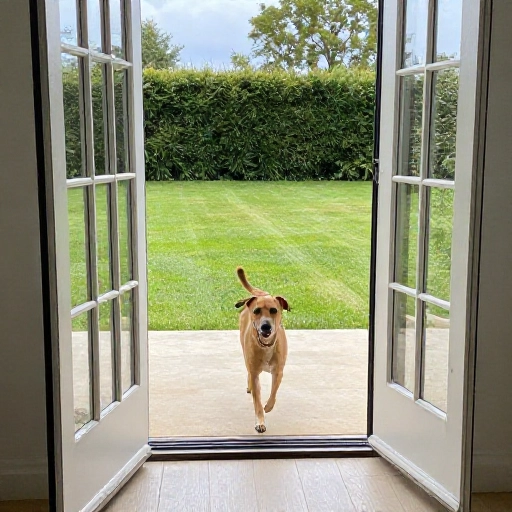
13. The French Door Access Run
Install a dog door directly into a set of French doors that lead to the backyard. This is a very elegant solution that looks beautiful and functions perfectly. The run is built right outside the doors.
This allows you to keep the French doors open on nice days for a breeze, while the dog door flap keeps the bugs out. The flow between the living room and the run is seamless.
You can match the fence material of the run to your deck or patio for a cohesive look. This is a great option for homes where the backyard is primarily a patio.
It feels very open and airy. You can watch your dog play from your couch without any visual obstructions.
14. The Utility Sink & Hose Setup
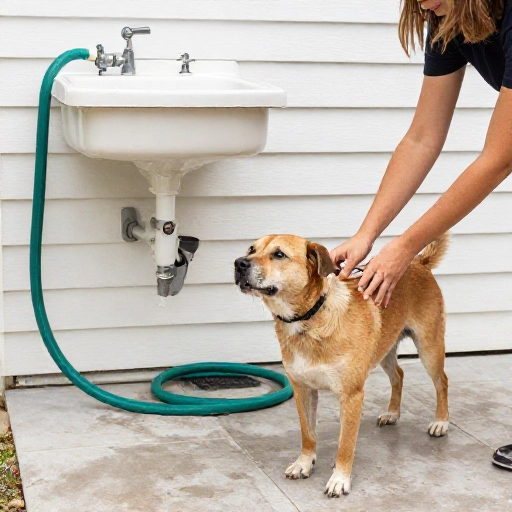
Functionality is key. When building your run, include a dedicated water spigot and a utility sink nearby. This is more of a “feature” than a design, but it’s essential for easy maintenance.
Having a hose right there makes cleaning up poop and washing down the concrete or gravel a quick task. It also makes filling up the water bowl a no-brainer.
You can add a storage box for toys, leashes, and grooming supplies. This keeps everything organized and within arm’s reach.
It’s the little things that make a big difference. You will thank yourself every single day when you don’t have to drag a 50-foot hose across the yard.
15. The Double-Door Safety Run
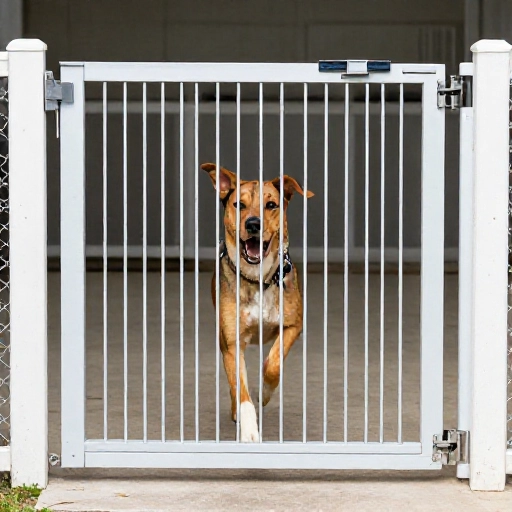
Safety is a top priority. Create a run with a double-gate entry system. This means you have an outer gate and an inner gate, creating a small buffer zone. This prevents your dog from escaping when you enter or exit.
This is especially important for dogs that are escape artists or very excitable. You can open the first door, step in, close it, and then open the second door to release your dog.
It’s also great for keeping your dog separate from delivery people or guests. They can see visitors through the gate, but they can’t dart out.
It adds a little extra time to your routine, but the peace of mind is priceless. It’s a professional-grade feature that many dog owners overlook.
16. The Heated & Cooled Run
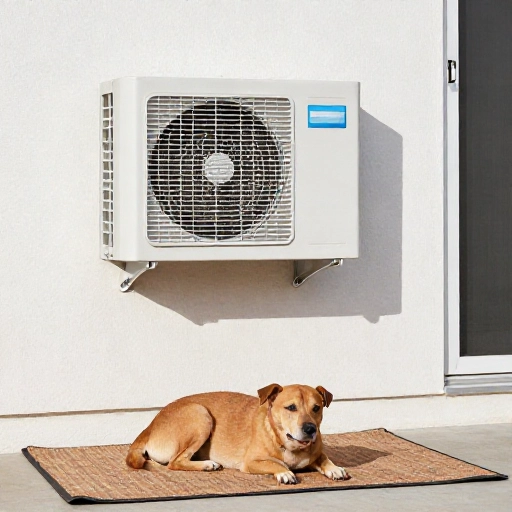
Take comfort to the next level. If your run is covered, consider adding a small wall-mounted heater for winter and a misting fan for summer. This ensures your dog is comfortable all year round.
This is perfect for flat-faced breeds like Pugs or French Bulldogs that struggle with extreme temperatures. It allows them to stay outside longer without overheating or getting too cold.
You can use a thermostatically controlled heater to keep the space above freezing. For the summer, a misting system can lower the temperature significantly.
It’s an investment, but it is the ultimate act of love for your furry friend. They get all the benefits of the outdoors without the discomfort of harsh weather.
Time to Get Building
Choosing the right dog run really comes down to your space, your dog’s energy level, and your climate. Whether you go for a simple gravel strip or a full doggy mansion, the most important thing is that it is safe and secure. A run attached to the house is a game-changer for your daily routine—it gives your dog independence and gives you peace of mind.
Don’t stress about making it perfect. Start with the basics: a secure fence, a good surface, and access to water. You can always add the fun stuff later. Your dog will be thrilled no matter what, because they just want to be near you, even if they are on the other side of the glass.
Frequently Asked Questions
How big should a dog run attached to the house be?
As a general rule, the run should be at least 3 to 4 times the length of your dog. For example, a 3-foot dog should have a run that is at least 12 feet long. The width should be enough for them to turn around comfortably, usually about 4 to 6 feet.
What is the best surface for a dog run?
It depends on your priorities. Gravel is excellent for drainage and low maintenance. Concrete is the easiest to sanitize. Artificial turf looks great and is soft, but requires more upkeep. Pea gravel is often the best compromise for comfort and cleanliness.
How do I stop my dog from digging out of the run?
Bury the bottom of the fence at least 12 inches underground, or use an “L” footer of wire mesh extending outward. You can also place large rocks or paving stones along the perimeter to block digging attempts.
Can I attach a dog run to a vinyl or aluminum fence?
Yes, you can. You will need to use specialized brackets or clamps that are designed to attach wood or metal posts to vinyl fence rails. Make sure the fence is sturdy and anchored well, as the added weight of a gate or dog pressure can stress it.
Does a dog run add value to my home?
Yes, a well-built, clean dog run can be a selling point for pet owners. It shows that the home is set up for pets and reduces the wear and tear on the main lawn. It adds functional square footage to your outdoor living space.