12 Weather-Ready Cat Houses for Winter Protection
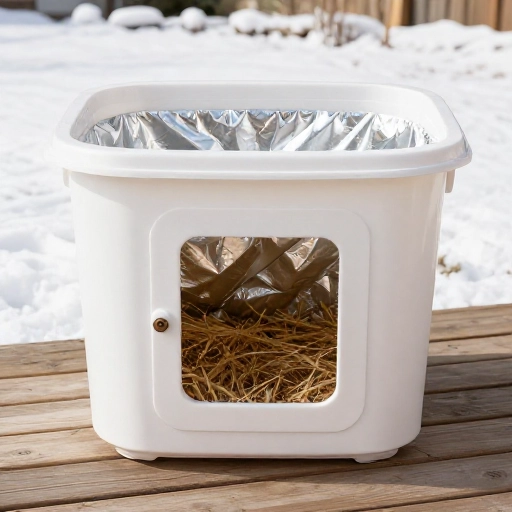
When the temperature drops, my cat starts giving me that look. You know the one — half hopeful, half dramatic. I know it’s time to think about extra warmth, especially for the outdoor or feral cats in my neighborhood. A good winter cat house isn’t just cute; it can be a lifesaver.
Over the years, I’ve tried different setups. Some worked great, others turned into wet messes. The key is insulation, water resistance, and a cozy interior. Let me share 12 ideas that will keep any cat warm and dry when winter hits hard.
These aren’t just fancy boxes. They are safe havens. Whether you need something portable or a permanent fixture, one of these will fit your space and budget.
1. The Insulated Bin House
This is my go-to for a quick, solid shelter. I take a large plastic storage bin with a lid and cut a small entrance hole about 6 inches wide. Then I line the inside with rigid foam insulation board on all sides and the floor.
I add a layer of straw (not hay — straw stays dry) for bedding. The lid snaps on tight, keeping wind and rain out. It’s easy to clean and surprisingly warm.
Pro tip: place the entrance slightly above the floor so snow doesn’t blow in.
2. Heated Cat Mat House
Sometimes insulation isn’t enough. I built a simple wooden box with a slanted roof and put a heated cat mat inside. The mat is low wattage and turns on automatically when the cat sits on it.
I wrapped the box in outdoor-grade vinyl to keep moisture out. The mat stays warm but not hot — perfect for older cats who need joint comfort. It uses very little electricity.
Just make sure the cord is protected and the mat is rated for outdoor use.
3. The Straw Bale Shelter
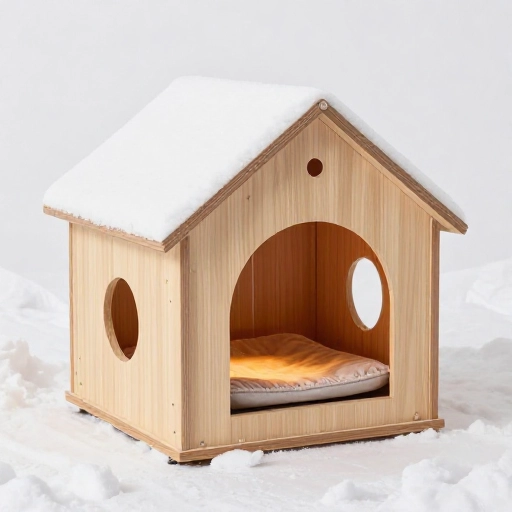
This one feels rustic but works like a charm. I take a large cardboard box (or two nested together) and pack straw bales around the outside. The straw acts as natural insulation and blocks wind.
I put the box on a wooden pallet to keep it off the cold ground. The entrance is a small hole cut low. Straw bales last the whole winter if kept dry.
It blends into a garden corner and feels very safe for shy cats.
4. Double-Box Winter Den
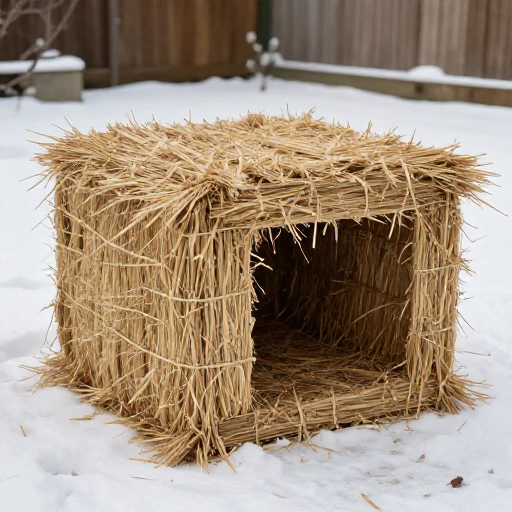
I learned this trick from a rescue group. Take two plastic storage totes — one large, one slightly smaller. Cut a hole in the smaller tote and place it inside the larger one. Fill the gap between them with foam insulation or old towels.
The inner box stays warm because the air gap stops heat from escaping. I add a soft blanket inside and a flap over the entrance made from a rubber mat. It’s like a tiny thermal cave.
This design is lightweight and easy to move if needed.
5. The Cedar A-Frame
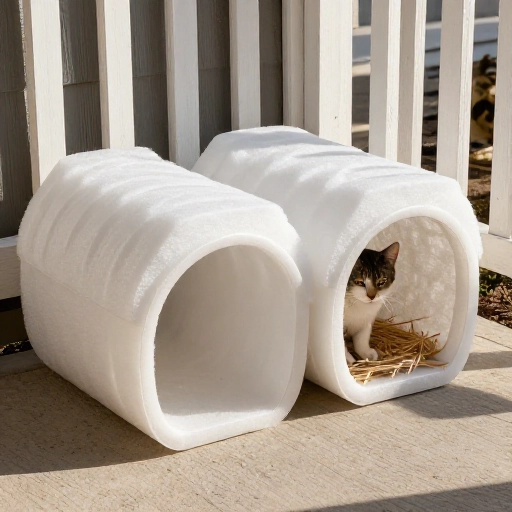
I built this one from scrap cedar fence boards. The A-frame shape sheds snow and rain naturally. I added a hinged roof for easy cleaning. Inside, I lined the walls with reflective insulation foil.
Cedar smells nice and resists rot. I placed it under a covered porch for extra protection. It has a small lip at the entrance to keep bedding from spilling out.
It looks good enough to keep in sight without being an eyesore.

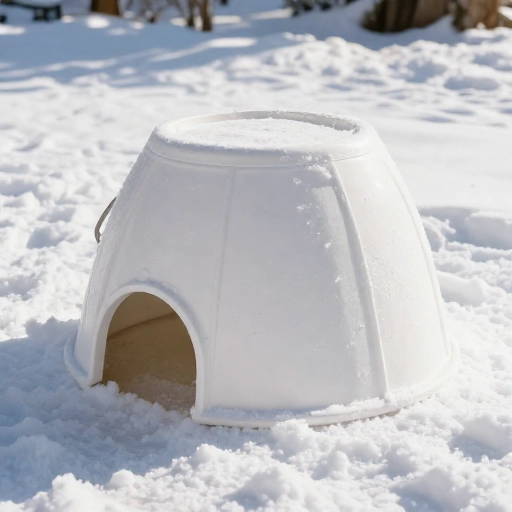
6. The Bucket Igloo
This is perfect for a single cat. I use two 5-gallon buckets — one larger than the other. I cut a hole in the side of the outer bucket and another in the inner bucket. The inner bucket sits inside the outer with foam insulation in between.
The lid goes on top. I drill a few small ventilation holes near the top so moisture doesn’t build up. Straw goes inside. It’s compact, sturdy, and very warm.
I put a brick on top to keep it from tipping over in wind.
7. The Deck Box Hideaway
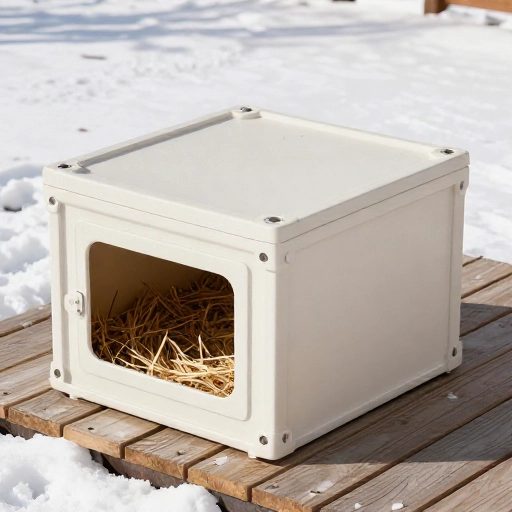
If you have a plastic deck storage box, it can double as a winter cat house. I empty mine out and cut a small cat door in one side. Then I add a thick layer of foam padding on the floor and walls.
I put a heated bed inside and a self-closing flap on the entrance. The box is large enough for two cats to snuggle. It stays dry because the lid seals tight.
Bonus: it doubles as a bench for me in summer.
8. The Styrofoam Cooler House
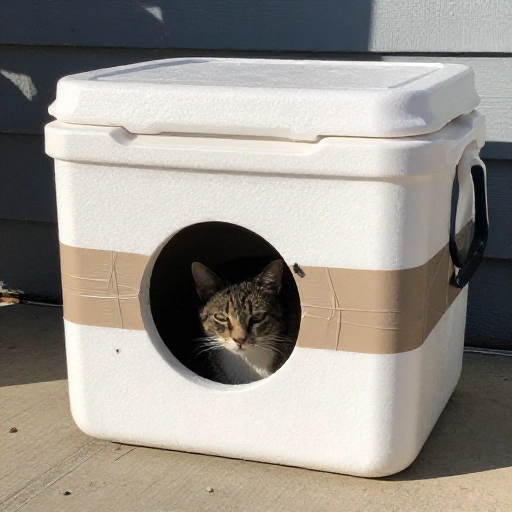
Don’t throw away those big styrofoam coolers. I take one and cut a small entrance hole. Then I wrap the whole thing in duct tape for durability. The foam itself is excellent insulation.
I put it inside a plastic storage bin for weatherproofing. The lid stays on with a bungee cord. Straw on the bottom keeps it cozy. It’s cheap and takes 20 minutes to make.
This one is great for emergency shelters during a cold snap.
9. The Heated Cat Tent
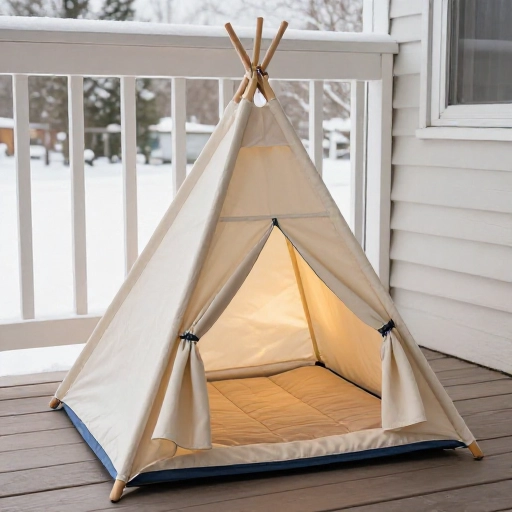
I bought a small outdoor pet tent and modified it for winter. I lined the floor with a heated pad and wrapped the sides with a fleece blanket. The tent’s waterproof shell keeps snow out.
I stake it down so it doesn’t blow away. The tent has a zippered entrance that I leave slightly open with a flap. It’s portable enough to take camping or move to a sunny spot.
It feels like a tiny adventure dome for my cat.
10. The Wooden Crate on Stilts
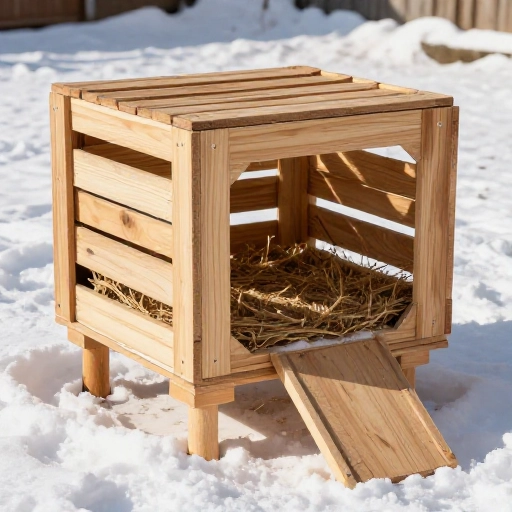
I built this from a sturdy wooden crate. I added short legs (about 6 inches) to lift it off the cold ground. The roof is slanted and covered with waterproof paint. Inside, I added foam insulation and a soft bed.
The entrance has a small porch area where the cat can sit and watch the snow. The stilts keep it dry even in deep snow. I placed it near a bush for wind protection.
It feels like a little cabin in the backyard.
11. The Reused Cat Carrier
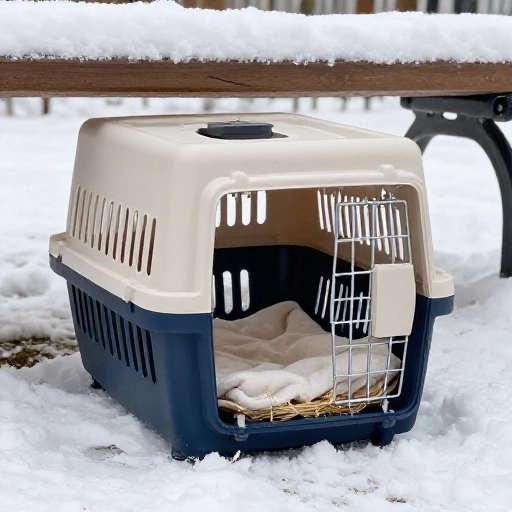
I had an old plastic cat carrier that I wasn’t using. I turned it into a winter shelter by wrapping it in foam pipe insulation and then covering it with a waterproof tarp. I cut a small flap from a rubber mat for the door.
I put a thick layer of straw inside. The carrier already has handles, so I can move it easily. It’s small, but a single cat will curl up and stay warm.
This is a zero-cost option if you already have a carrier.
12. The Solar-Heated House
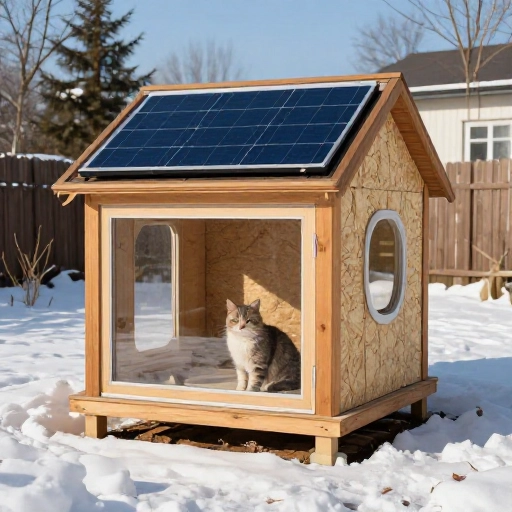
This one is a bit more advanced but worth it. I built a wooden box with a clear plastic panel on top facing south. Inside, I put a dark metal sheet that absorbs heat during the day. The heat radiates into the box at night.
I added insulation on the walls and a heavy flap over the entrance. On sunny winter days, the inside stays noticeably warm. It’s not a full heater, but it helps take the edge off.
It’s sustainable and quiet — no electricity needed.
Conclusion
Winter doesn’t have to be scary for outdoor cats. With a little creativity and some basic materials, you can build a house that protects them from wind, snow, and freezing temperatures. Each of these 12 ideas can be adjusted to your space and skill level.
Start simple. Upgrade later. The most important thing is that the shelter is dry, insulated, and safe. A warm cat is a happy cat — and that makes winter feel a little warmer for me too.
Frequently Asked Questions
What is the best material for cat house insulation?
Rigid foam insulation board works best. It doesn’t absorb moisture and provides a high R-value. Straw is also excellent for bedding because it traps air and stays dry.
Should I use blankets in an outdoor cat house?
No. Blankets absorb moisture and freeze, which makes the cat colder. Always use straw for bedding. It repels water and allows the cat to burrow.
How do I keep the cat house from getting wet inside?
Make sure the entrance is small and placed above ground level. Use a flap or a baffle inside to block wind and rain. A slanted roof also helps water run off.
Can I use a heated bed in an outdoor cat house?
Yes, but only use outdoor-rated heated mats with chew-proof cords. Place the mat under a layer of straw for safety. Always check the cord for damage.
How many cats can use one shelter?
Most shelters are designed for one or two cats. Cats like their own space, but in cold weather they will sometimes share body heat. Build multiple small shelters if you have a colony.