7 Life Saving First Aid Tips for Dog Emergencies

Stay Calm and Assess the Situation
When a dog emergency occurs, the first and most crucial step is to stay calm. Panic can prevent you from thinking clearly and acting efficiently. Take a deep breath, ensure your surroundings are safe, and evaluate the severity of your dog’s condition. Observing your dog’s behavior, breathing, and level of consciousness will help you determine the urgency of the situation.
Once you assess the situation, keep your dog calm. Speak in soothing tones and avoid sudden movements. Your calm demeanor can help reduce your dog’s stress, which is critical in emergencies. Stress can worsen certain conditions, so maintaining a composed approach is as important as the first aid itself.
Check for Breathing and Pulse
Immediately after ensuring safety, check if your dog is breathing and has a heartbeat. Gently look for chest movements, and feel for the pulse at the femoral artery, located on the inside of the thigh. These indicators will help you decide if CPR or other urgent interventions are needed.
If your dog is not breathing or you cannot detect a pulse, begin canine CPR if you know how. Compressions should be firm and steady, combined with rescue breaths if trained. Quick action in these crucial moments can save your dog’s life and increase the chances of a positive outcome.

Stop Any Bleeding
If your dog is bleeding, controlling the flow is essential. Apply direct pressure with a clean cloth or sterile gauze pad to the wound. Maintain firm pressure and avoid removing the cloth if it becomes soaked; instead, add more layers. This approach helps prevent excessive blood loss while you prepare to transport your dog to a veterinarian.
For minor cuts and scrapes, you can gently clean the area with mild antiseptic and apply a bandage. However, for deep or uncontrolled bleeding, professional veterinary attention is necessary immediately. Rapid response can prevent shock and severe complications.
Handle Choking Situations Carefully
If your dog is choking, identify the object causing the obstruction if possible. Look into your dog’s mouth but do not push objects further down the throat. Gentle attempts to remove the item using your fingers or a pair of tweezers are sometimes effective, but be cautious to avoid injury.
If your dog cannot breathe, begin the Heimlich maneuver adapted for dogs. Position your dog properly depending on their size, and apply firm pressure just behind the ribcage to help dislodge the object. Quick intervention is vital, as airway blockages can become fatal within minutes.

Provide Support for Shock
Shock can occur due to trauma, severe blood loss, or sudden illness. Signs include pale gums, rapid breathing, weak pulse, or lethargy. Keep your dog warm with blankets and maintain a calm environment to stabilize their condition. Avoid giving food or water if your dog is in shock, as this could worsen the situation.
Elevate the hindquarters slightly and gently keep your dog lying flat to encourage blood flow to vital organs. These supportive measures can be critical while preparing for emergency transport, ensuring your dog reaches the vet safely.

Treat Minor Burns and Wounds
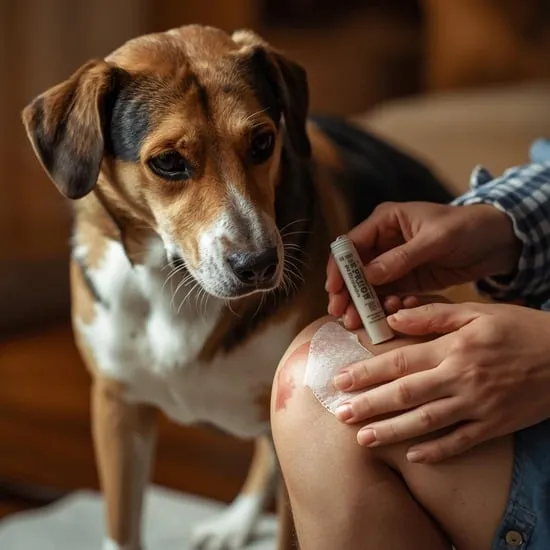
For minor burns, immediately run cool water over the affected area for at least 10 minutes. Avoid using ice directly on the skin as this can worsen the damage. For small cuts, clean with antiseptic and apply a bandage to prevent infection.
Keep a first aid kit handy at home and on walks. Including items like sterile gauze, antiseptic wipes, and burn cream allows you to respond quickly. Prompt care of minor injuries can prevent them from becoming serious medical issues.
Manage Poisoning Emergencies
If your dog ingests a toxic substance, identify the item and contact your veterinarian or the pet poison helpline immediately. Do not induce vomiting unless specifically instructed by a professional. Quick recognition and expert guidance are crucial for effective treatment.
While awaiting help, keep your dog calm and prevent further exposure to the toxin. Follow the veterinarian’s instructions carefully, and be prepared to provide information such as your dog’s weight, the substance ingested, and the time of ingestion. This information ensures the best possible care in critical moments.

Keep Emergency Numbers Handy
Always have key emergency contacts easily accessible. This includes your regular veterinarian, the nearest 24-hour animal hospital, and poison control lines. Quick access to these numbers saves valuable time during a crisis, which can make the difference between life and death for your dog.
Consider keeping a small notebook or a phone contact list specifically for pet emergencies. Include notes about your dog’s medical history, allergies, and medications. Being prepared reduces panic and ensures you can provide accurate information to professionals, enhancing the efficiency of emergency care.