How Cats Ask for Help: Signs You Should Never Ignore
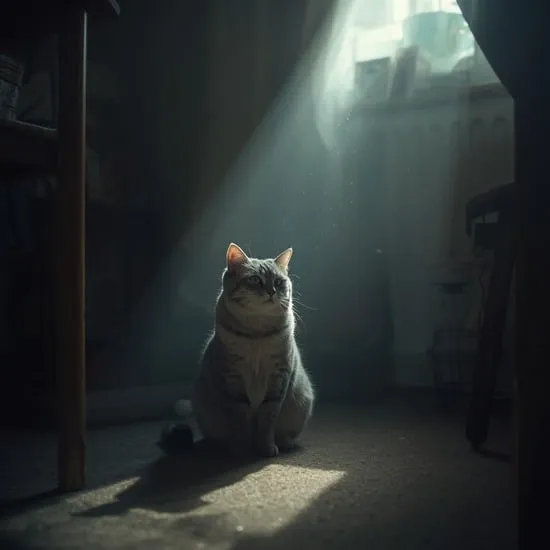
I used to think my cat would clearly show me if something was wrong. But cats don’t ask for help the way we expect. They whisper instead of shout. It took me time, patience, and a few mistakes to truly understand how cats ask for help, and once I did, I realized how often I had almost missed the signs.
Cats are incredibly good at hiding discomfort. In the wild, showing weakness can be dangerous, and that instinct still lives inside our house cats. That’s why their cries for help are subtle, emotional, and easy to misunderstand if we’re not paying close attention.
Why Cats Don’t Ask for Help Directly
Unlike dogs, cats are independent by nature. They rely on observation rather than confrontation. Understanding how cats ask for help starts with accepting that silence doesn’t always mean everything is fine.
When a cat finally shows signs of distress, it often means they’ve been uncomfortable for a while. That realization changed how carefully I watched my cat’s behavior.
Changes in Behavior Are a Cry for Help
One of the first ways cats ask for help is through behavior changes. My cat stopped greeting me at the door and began hiding more often. At first, I thought she just wanted space. Later, I learned this withdrawal was her way of asking for help.
Common behavior-based signals include hiding, aggression, sudden clinginess, or avoiding favorite spots. These shifts are not mood swings — they’re communication.
Vocal Changes: When Sounds Mean Something More
Cats communicate through sound, and changes in vocalization matter. Excessive meowing, yowling, or unusual silence can all be ways cats ask for help.
Once I understood how cats ask for help through sound, I stopped ignoring “extra” meows and started listening to the tone and timing.
Body Language That Signals Distress
Cats speak volumes with their bodies. Flattened ears, a tucked tail, dilated pupils, or a hunched posture can all indicate discomfort or fear.

Learning feline body language helped me see stress before it turned into illness. Cats often show discomfort physically long before they vocalize it.
Changes in Eating, Grooming, or Litter Habits
When my cat skipped meals or over-groomed one spot, it felt subtle — but it wasn’t normal. These changes are one of the clearest ways cats ask for help.
Loss of appetite, messy grooming, litter box accidents, or straining can signal pain, anxiety, or illness. These signs should never be ignored.
Clinginess or Avoidance: Emotional Signals
Some cats become unusually clingy when they don’t feel well. Others pull away completely. Both behaviors are emotional signals.
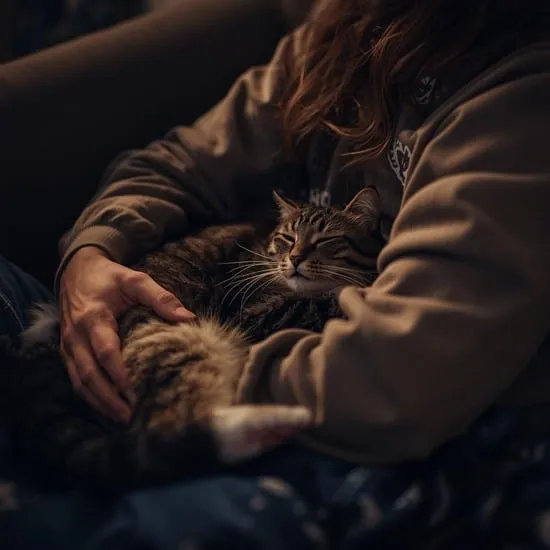
Understanding how cats ask for help emotionally taught me that affection and distance can mean the same thing — “something isn’t right.”
Subtle Environmental Reactions
Sometimes cats react to changes we barely notice. New smells, visitors, noise, or rearranged furniture can cause stress. A stressed cat may scratch more, pace, or vocalize differently.
LSI-related signs like cat stress behavior, feline communication cues, and cat anxiety symptoms all connect to this quiet form of asking for help.
When to Take Action
If behavior changes last more than a day or two, or appear suddenly and intensely, it’s time to act. Trust your instincts. You know your cat better than anyone.
Understanding how cats ask for help taught me that waiting can make things worse. Early attention often prevents bigger problems.
How Responding With Empathy Changes Everything
The biggest lesson I learned is this: cats don’t need us to fix everything instantly. They need us to notice, slow down, and respond with care.
Once I started listening — truly listening — my cat became calmer, more trusting, and more open. Our bond deepened because she felt seen.
If you’re wondering whether your cat is asking for help, pause and observe. Look for patterns, not just moments. Sometimes love means noticing the quiet signs before they turn into loud ones.
Learning how cats ask for help isn’t about fear. It’s about connection. And when we learn to listen in their language, we become the safe place they’ve been hoping for all along.