10 Silent Signs Your Cat Might Have a Health Problem
As a cat owner, I know our feline friends are masters of disguise, especially when they don’t feel well. In the wild, showing weakness is dangerous, so they’ve become experts at hiding illness. It’s up to us to become detectives, learning the subtle clues in their daily habits.
Spotting a problem early can make all the difference. I’ve learned that it’s not always about dramatic symptoms; sometimes, it’s the small, quiet changes that speak the loudest. Let’s walk through the ten key signs I always watch for in my own cat.
1. Changes in Appetite or Thirst
This is often the first red flag I notice. A sudden loss of interest in food, or conversely, ravenous hunger that never seems satisfied, can point to several issues. Dental pain, kidney disease, diabetes, or thyroid problems often start here.
Don’t just watch the food bowl. Pay equal attention to the water bowl. Drinking much more than usual is a classic sign of kidney disease or diabetes. I make a mental note of how often I’m refilling it.

2. Litter Box Red Flags
The litter box is a health report card. Changes in frequency, consistency, or color of urine or stool are critical clues. Straining to go or crying out in the box is an urgent sign of a potential blockage or constipation.
I also watch for accidents outside the box. It’s rarely a behavioral “protest.” More often, it’s because associating the box with pain (from a urinary issue) or they can’t get to it in time (due to arthritis).

3. Unusual Vocalization
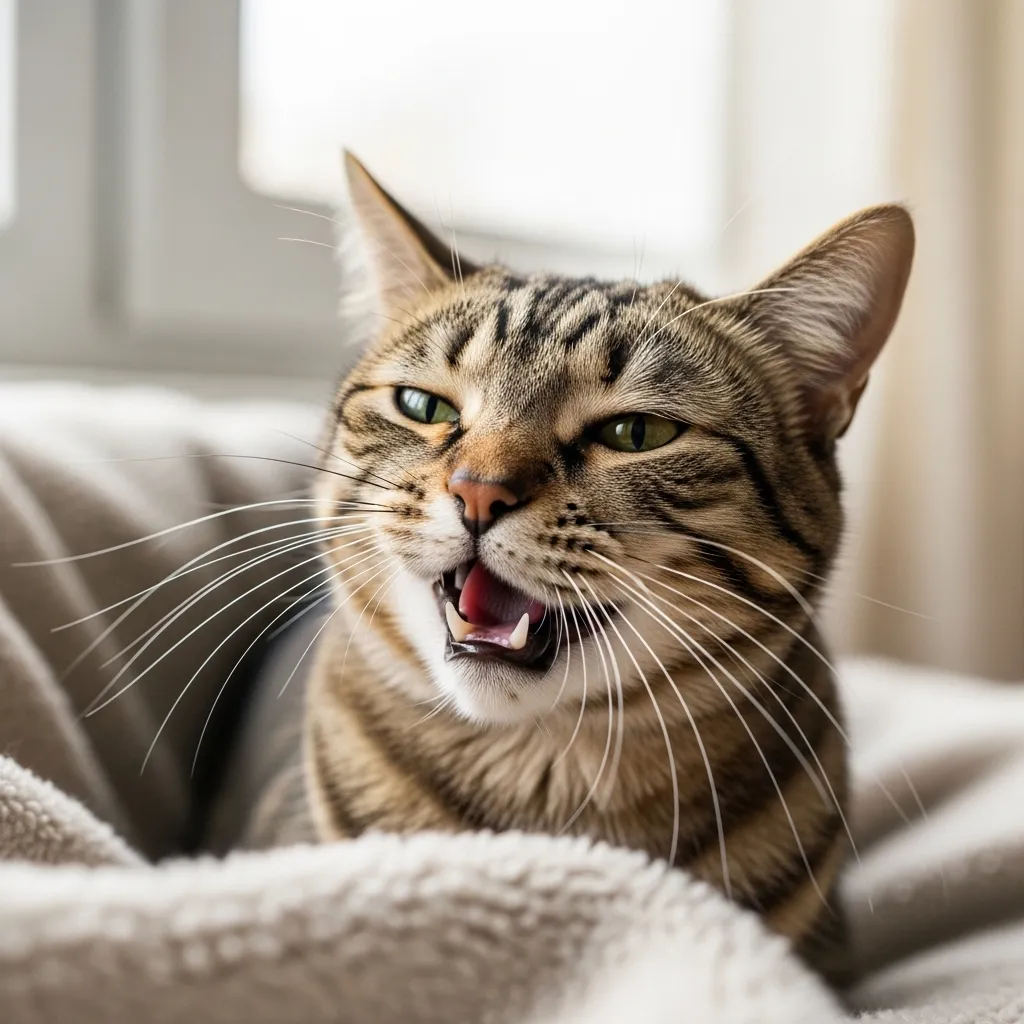
Has your quiet cat become a chatterbox, or your talkative cat gone silent? A new, persistent meow—especially a low-pitched, mournful one—can indicate pain, discomfort, or disorientation (particularly in older cats).
On the flip side, if your normally vocal cat stops “talking” to you, it can also signal they aren’t feeling like themselves. Any dramatic shift in communication style gets my attention.
4. Shifts in Grooming Habits
Cats are pristine groomers. A dull, greasy, or matted coat tells me they’ve stopped their routine, which can mean pain (like arthritis that makes bending difficult), obesity, or general malaise.
Conversely, obsessive grooming to the point of creating bald spots or sores is a sign of pain, allergies, or stress. I always check for symmetrical hair loss or red, irritated skin.
5. Hiding or Changes in Social Behavior
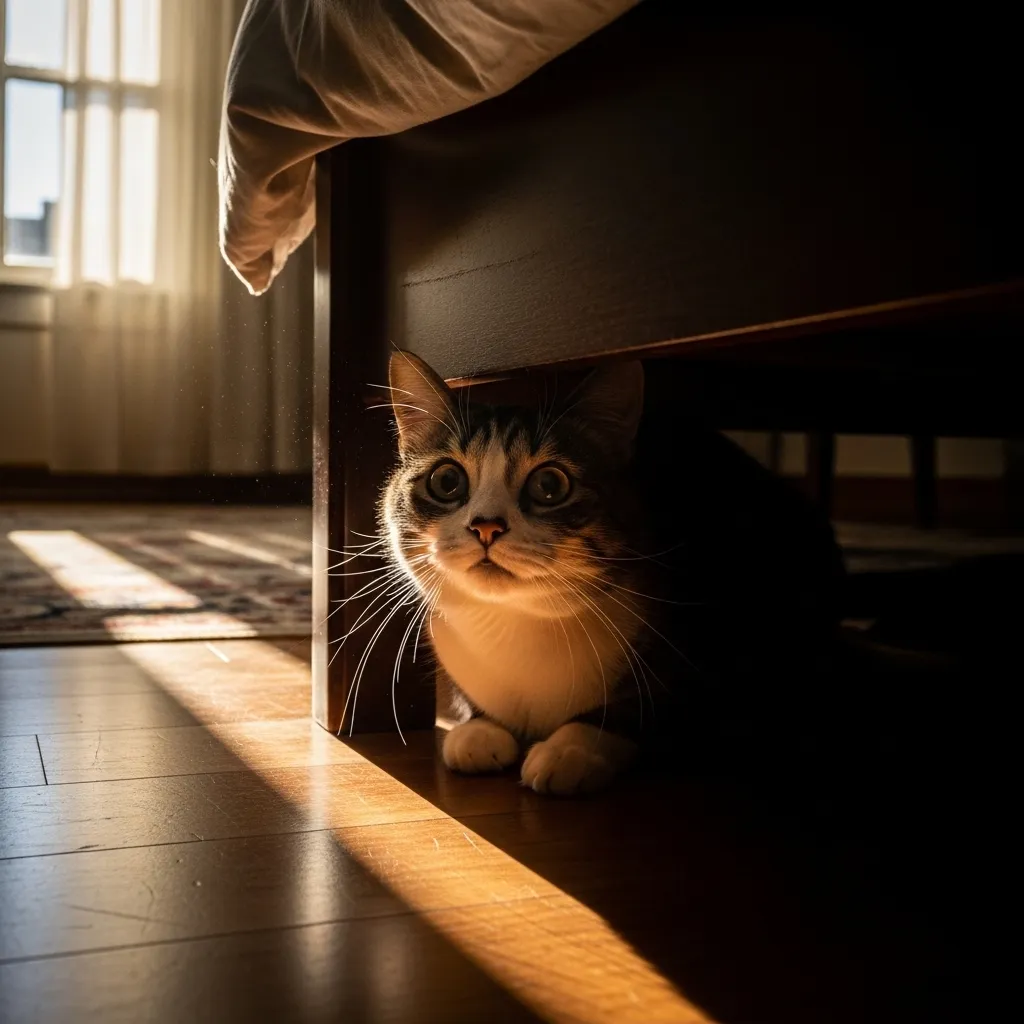
If your shadow suddenly wants to be alone under the bed for days, take note. Hiding is a primal instinct when cats feel vulnerable or sick. It’s not them being antisocial; it’s a cry for help.
Similarly, a normally independent cat becoming unusually clingy or needy can also signal that something is off. I see it as their way of seeking comfort when they don’t understand what’s wrong.
6. Bad Breath
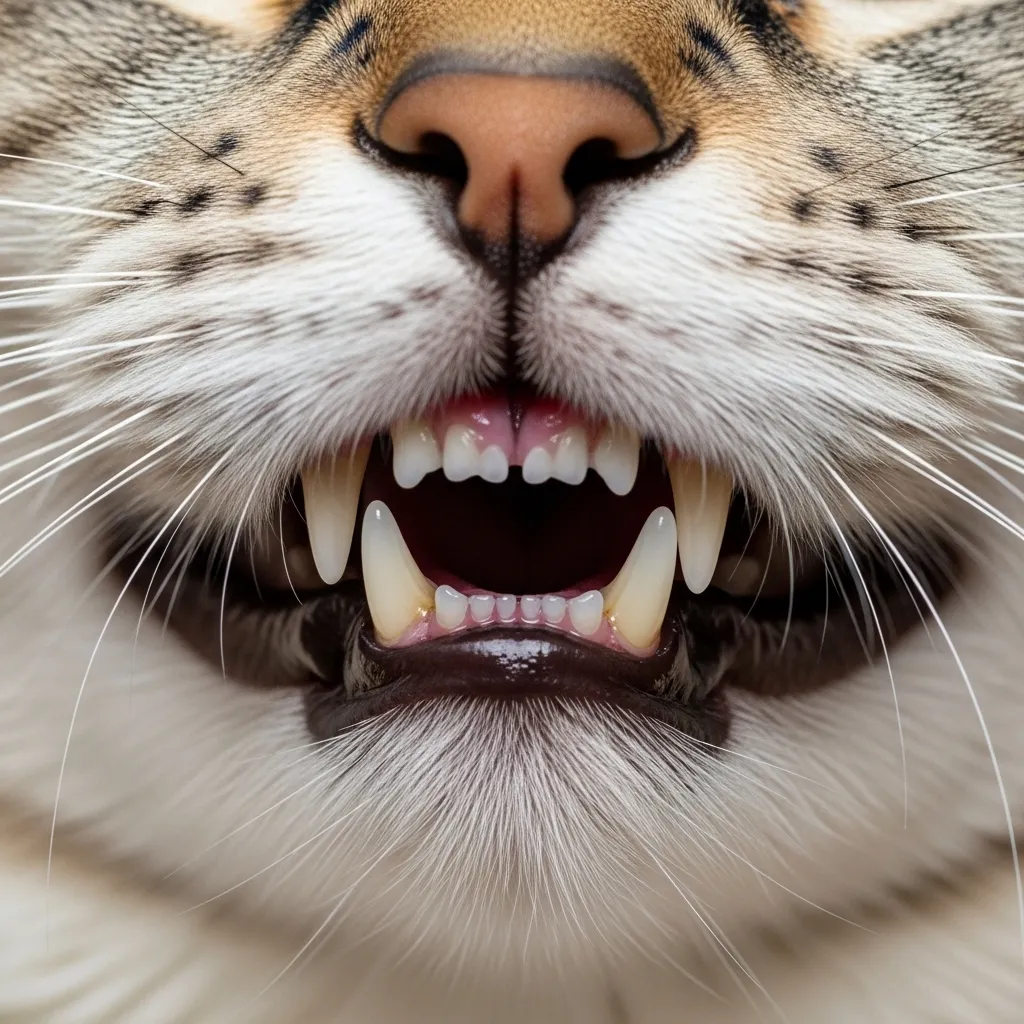
While cat breath isn’t minty fresh, it shouldn’t knock you over. Severely foul breath often points to dental disease—gingivitis, infected teeth, or abscesses. This pain can stop them from eating.
Sometimes, a sweet or chemical smell can indicate diabetes, or a urine-like odor might suggest kidney issues. A quick sniff during a cuddle session is part of my regular check-in.
7. Lethargy or Low Energy
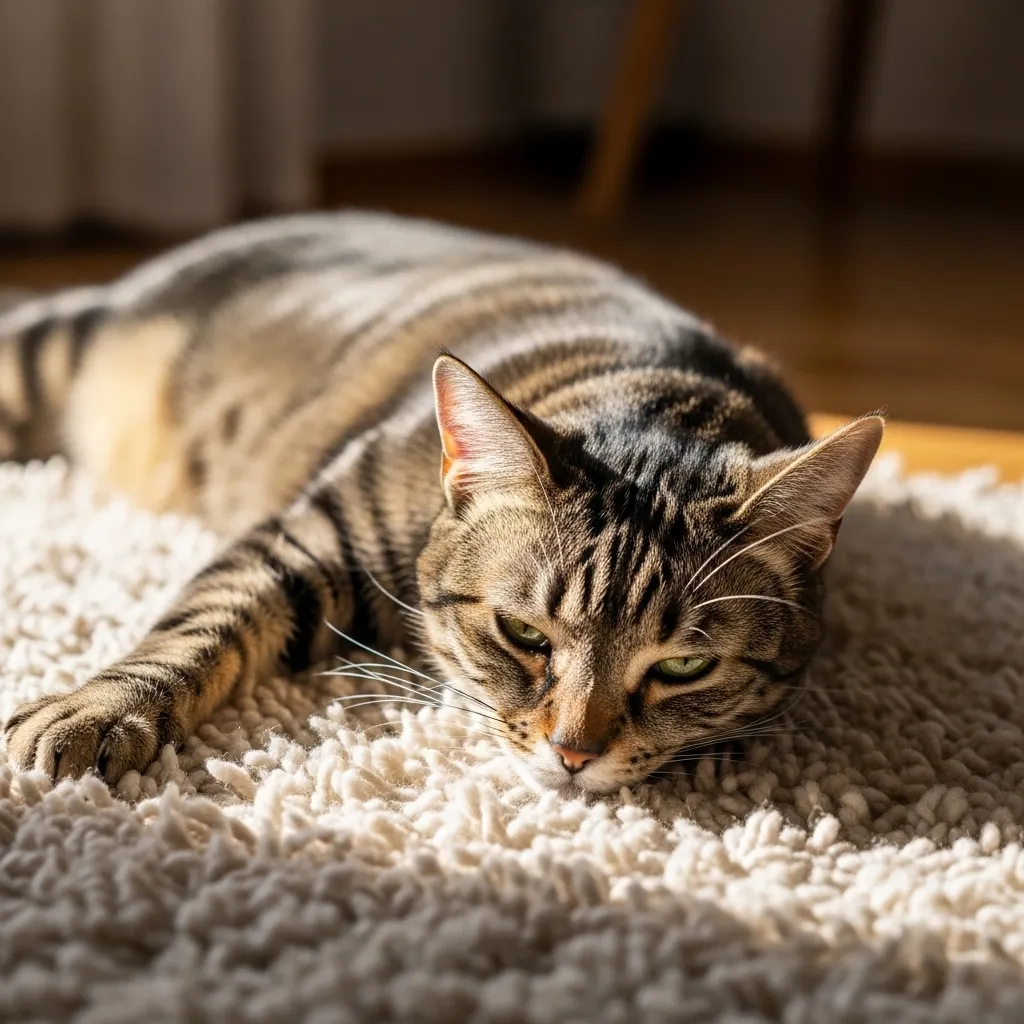
All cats nap, but there’s a difference between sleeping and profound lethargy. If they lose interest in play, don’t greet you at the door, or seem too tired to do their favorite things, it’s a concern.
I compare it to their normal “baseline.” A playful kitten slowing down is normal aging. A mature adult cat becoming a couch potato isn’t. It’s a common sign of many underlying illnesses.
8. Changes in Weight
Weight changes can be sneaky under all that fur. Sudden weight loss is always alarming and can be linked to diabetes, thyroid issues, or cancer. I do a gentle “rib check” weekly; you should feel their ribs easily with a slight fat covering.
Unexplained weight gain needs attention too, as it can stress joints and lead to diabetes. It’s not just about more food; it could be a metabolic slowdown.
9. Eye, Nose, or Ear Discharge
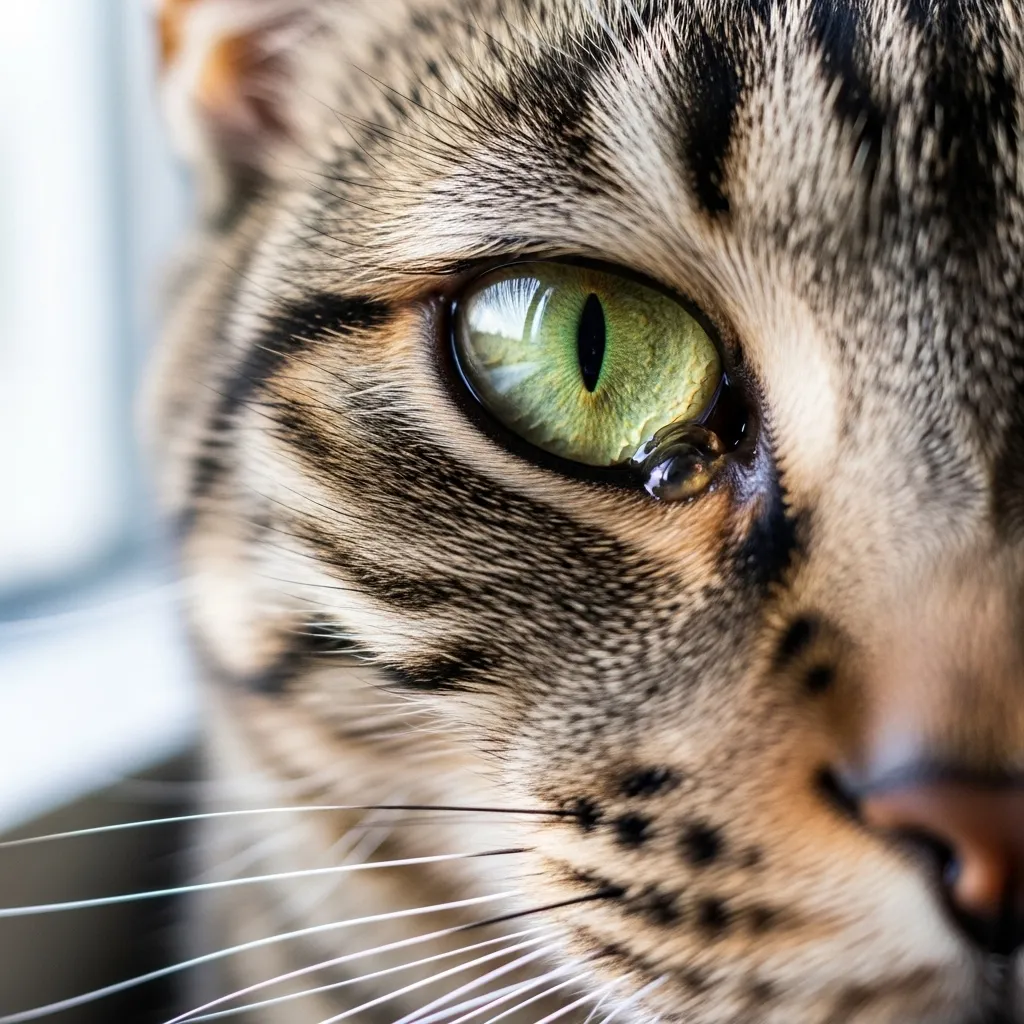
Clear, bright eyes and clean ears are signs of health. Watery eyes, persistent squinting, colored discharge from the eyes or nose, or dark wax in the ears can signal infections, allergies, or upper respiratory issues.
I also watch their third eyelid. If that pale pink membrane is consistently visible in the corner of their eye, it often means they are fighting off sickness or feeling significant discomfort.
10. Changes in Posture or Movement
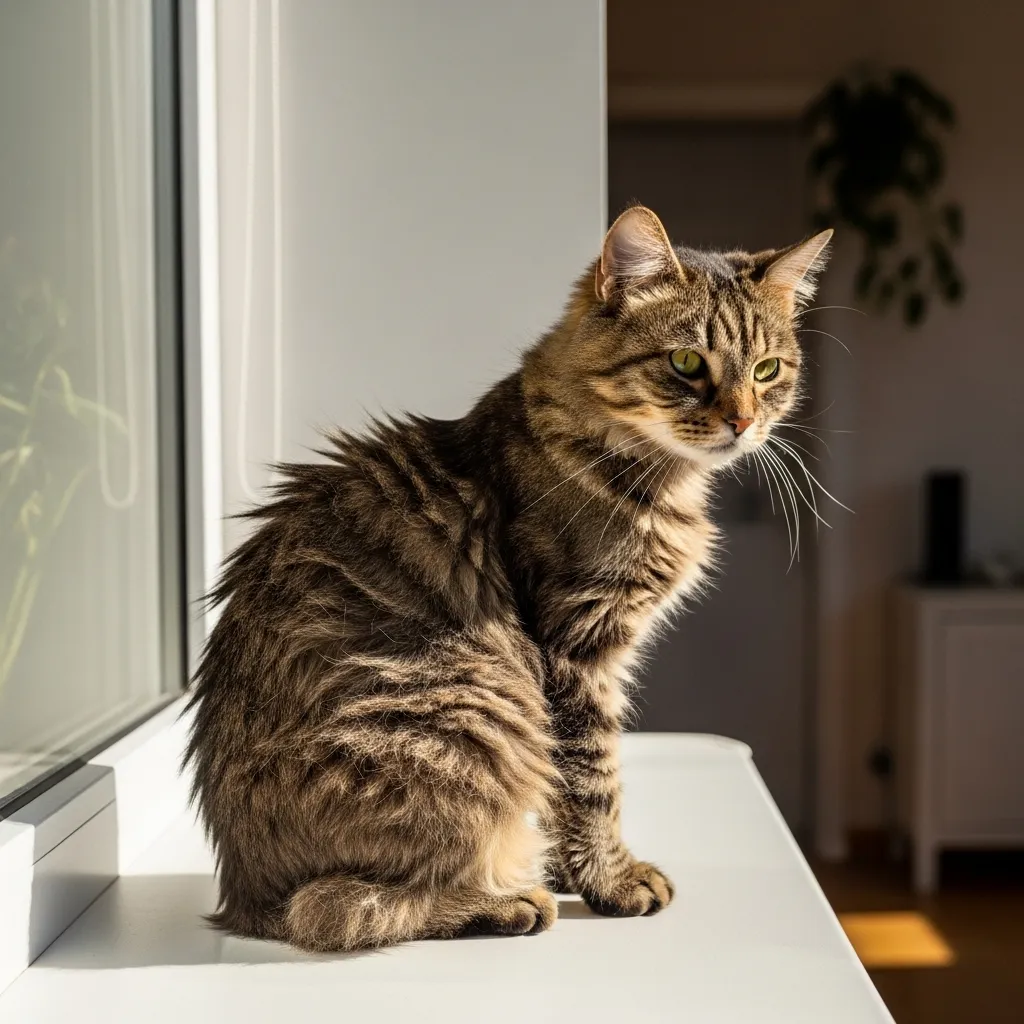
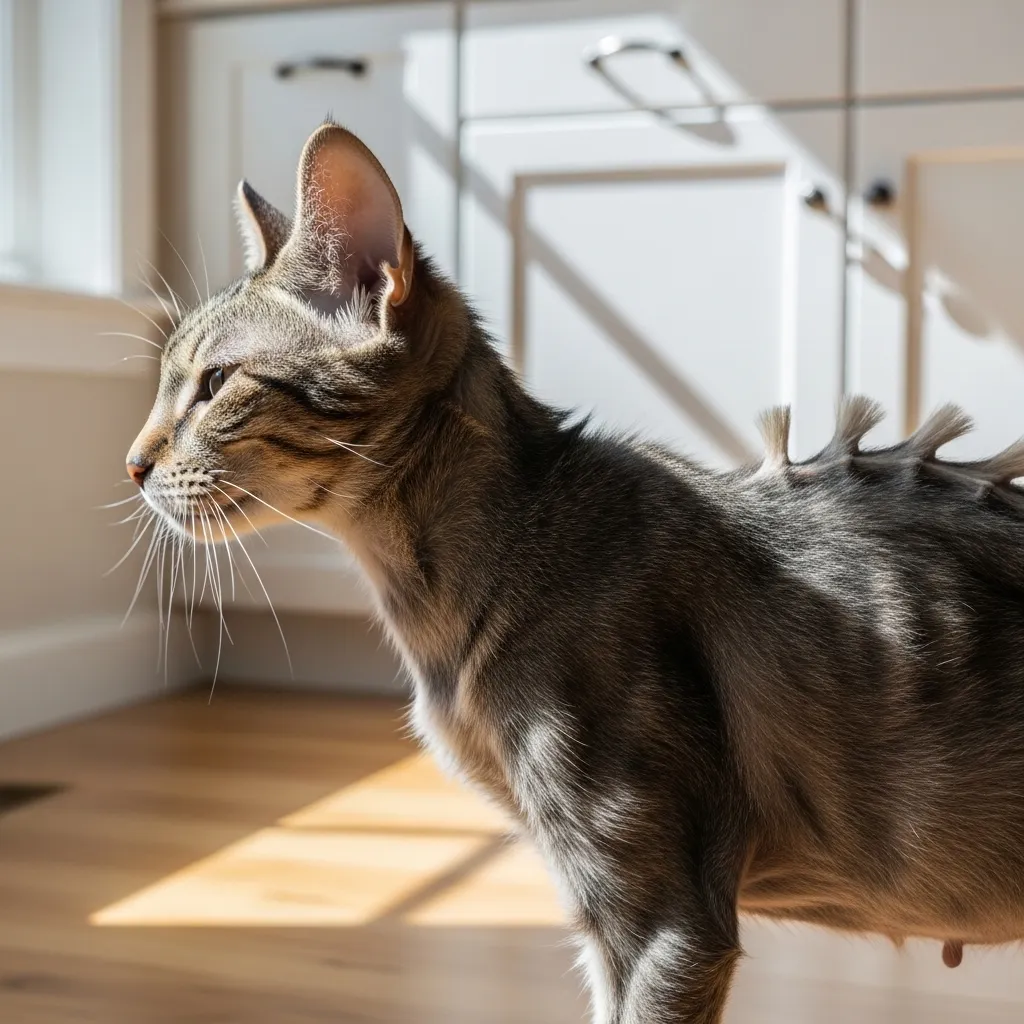
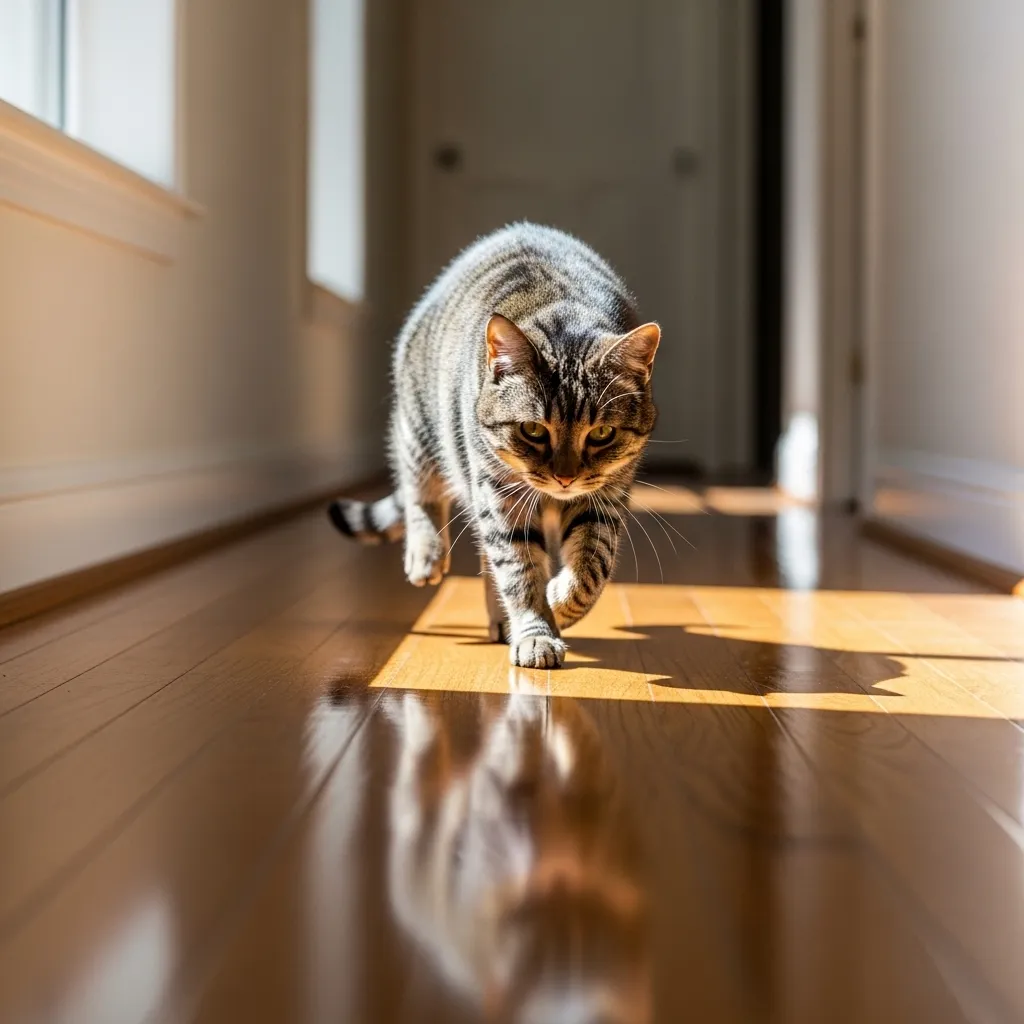
Watch how they walk, jump, and rest. Limping, stiffness when getting up, reluctance to jump to familiar perches, or an arched back while standing still can all indicate pain, often from arthritis or injury.
Also, watch their resting posture. A cat who sits in a “hunched” position or hides its face might be experiencing abdominal pain. Normal cats sleep in relaxed, stretched-out, or curled poses.
Conclusion: Trust Your Gut
You know your cat better than anyone. If something feels “off,” even if you can’t pinpoint one specific symptom from this list, trust that instinct. Cats are subtle, and our bond with them is our best diagnostic tool. When in doubt, a call or visit to your vet is always the right move. Early action is the key to getting our clever, secretive companions back to full health.
Quick Cat Health FAQ
Q: My cat seems fine but has one small symptom. Should I worry?
A: I always say, “One symptom is a note. Two or more are a song.” A single, minor change might just be monitored for a day. But if a second sign appears, or that one thing persists, it’s vet time.
Q: How often should I really take my healthy cat to the vet?
A> For adult cats (1-10 years), I aim for an annual checkup. For seniors (10+), every six months is ideal. Things can change quickly as they age, and blood work is crucial.
Q: Is vomiting hairballs regularly normal?
A> Occasional hairballs are common. But frequent vomiting (more than once a month) or vomiting food/fluid is not normal and should be checked. It could indicate anything from food intolerance to IBD.
Q: My cat’s gums look pale. What does that mean?
A> Healthy gums should be bubblegum pink. Pale white or grey gums can indicate anemia or shock, and bright red gums can mean inflammation or infection. Both warrant an immediate vet call.
Q: Can indoor cats still get sick?
A> Absolutely. While they avoid outdoor risks, indoor cats are still prone to dental disease, obesity-related issues, arthritis, kidney disease, diabetes, and stress-related illnesses. Regular vet care is essential.