10 Homemade Cat Food Recipes for a Happy, Healthy Urinary Tract
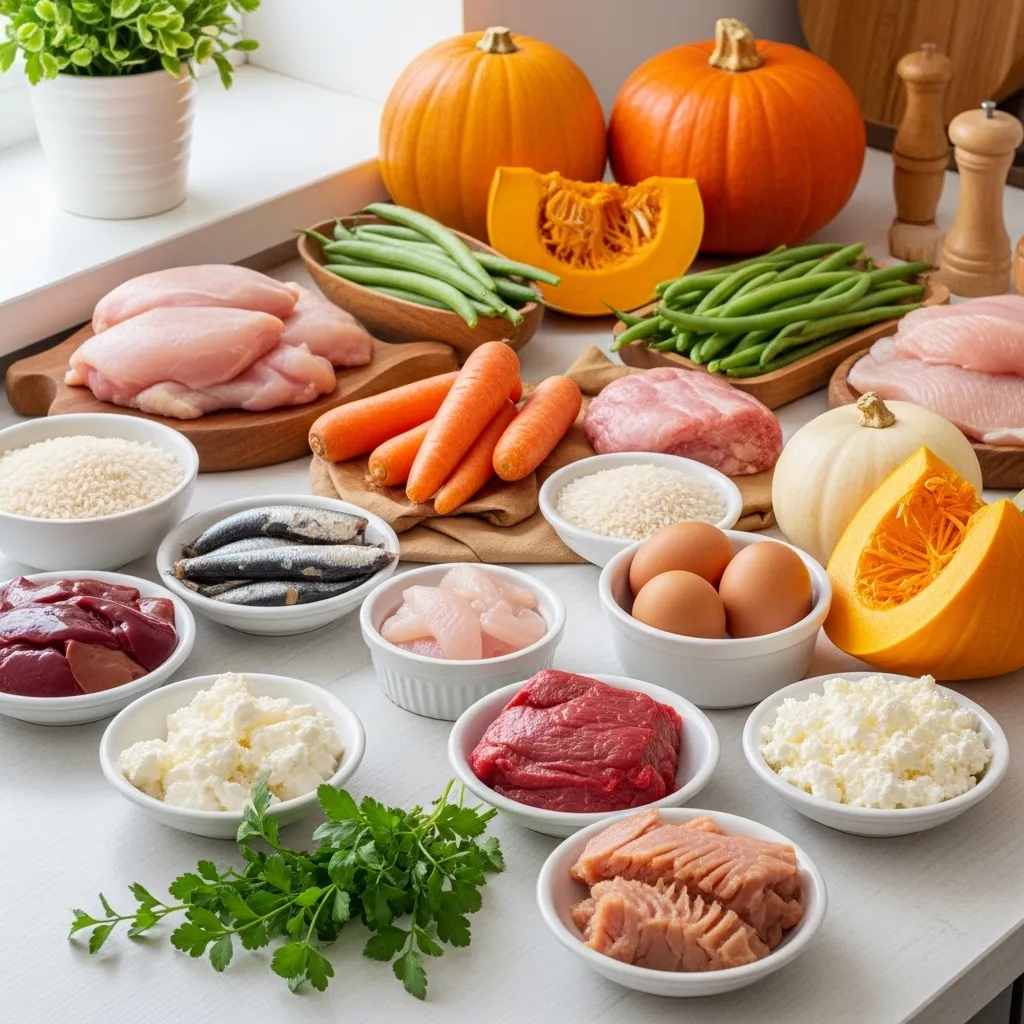
As a cat parent, I know how worrying urinary issues can be. Seeing your kitty struggle is heartbreaking. While vet visits are crucial, what we feed our cats at home plays a massive role in supporting their urinary health. The goal is to create moisture-rich, low-stress meals that help flush their system.
I’ve spent time researching and testing recipes that focus on ingredients promoting a healthy pH and providing plenty of hydration. Remember, always consult your vet before switching your cat’s diet, especially if they have a history of crystals or UTIs. These recipes are for inspiration and supplemental feeding.
Let’s dive into ten simple, vet-approved ideas to get more goodness into your cat’s bowl!
1. The Simple Chicken & Pumpkin Stew
This is my go-to recipe for gentle hydration. Lean chicken provides high-quality protein, while pumpkin is a fantastic source of fiber and moisture. The fiber helps with digestion, which indirectly supports a healthy urinary tract by reducing overall system stress.
I simply boil skinless, boneless chicken breast until cooked through, then shred it finely. I mix it with a spoonful of plain, canned pumpkin (not pie filling) and a generous splash of the warm chicken broth to create a gravy. It’s a soothing, easy-to-eat meal.

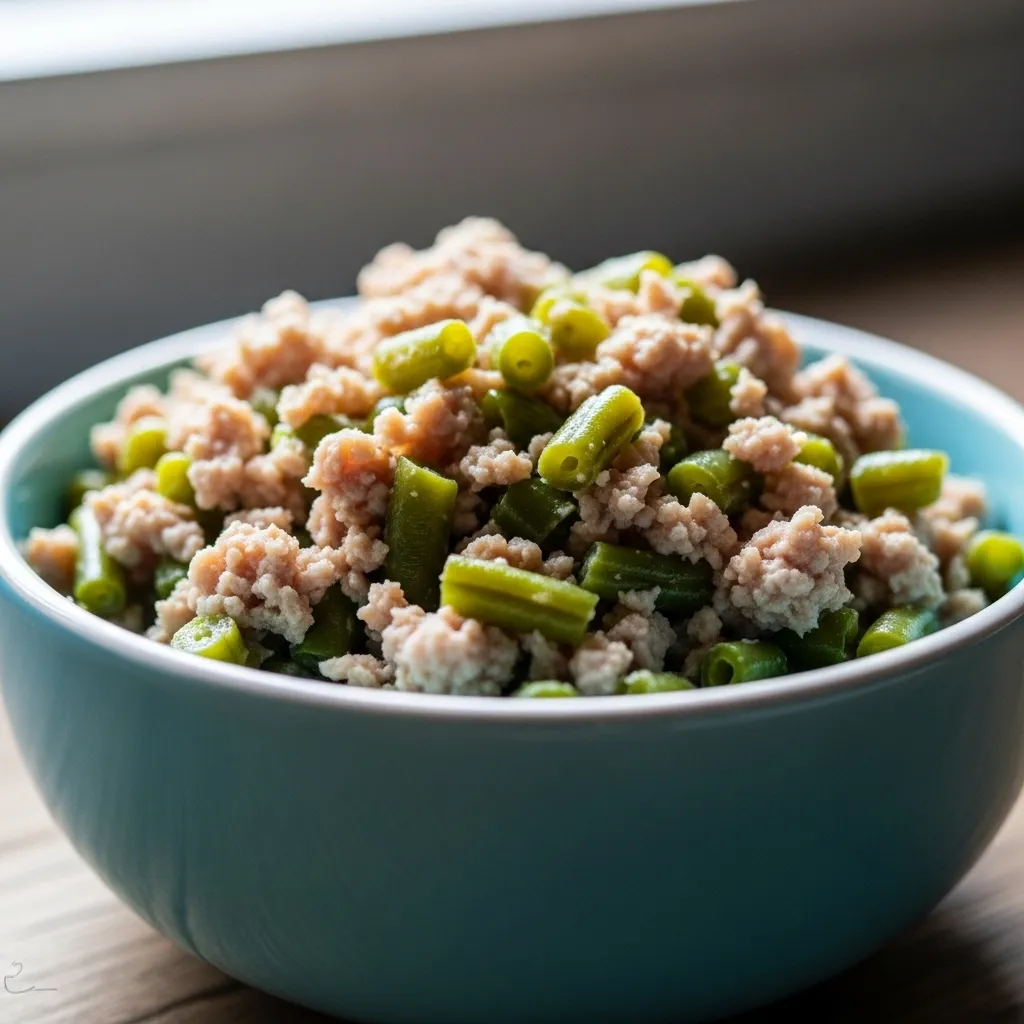
2. Hydrating Turkey & Green Bean Mash
Turkey is another excellent lean protein that’s low in minerals that can irritate some urinary systems. Green beans are low in calories and add a nice crunch and extra vitamins. This combo creates a light, easy-to-process meal.
I grind cooked ground turkey (drained of fat) with steamed, chopped green beans. The key is to add enough warm water or sodium-free turkey broth to make a loose, pâté-like consistency. The extra liquid encourages my cat to take in more fluids with every bite.
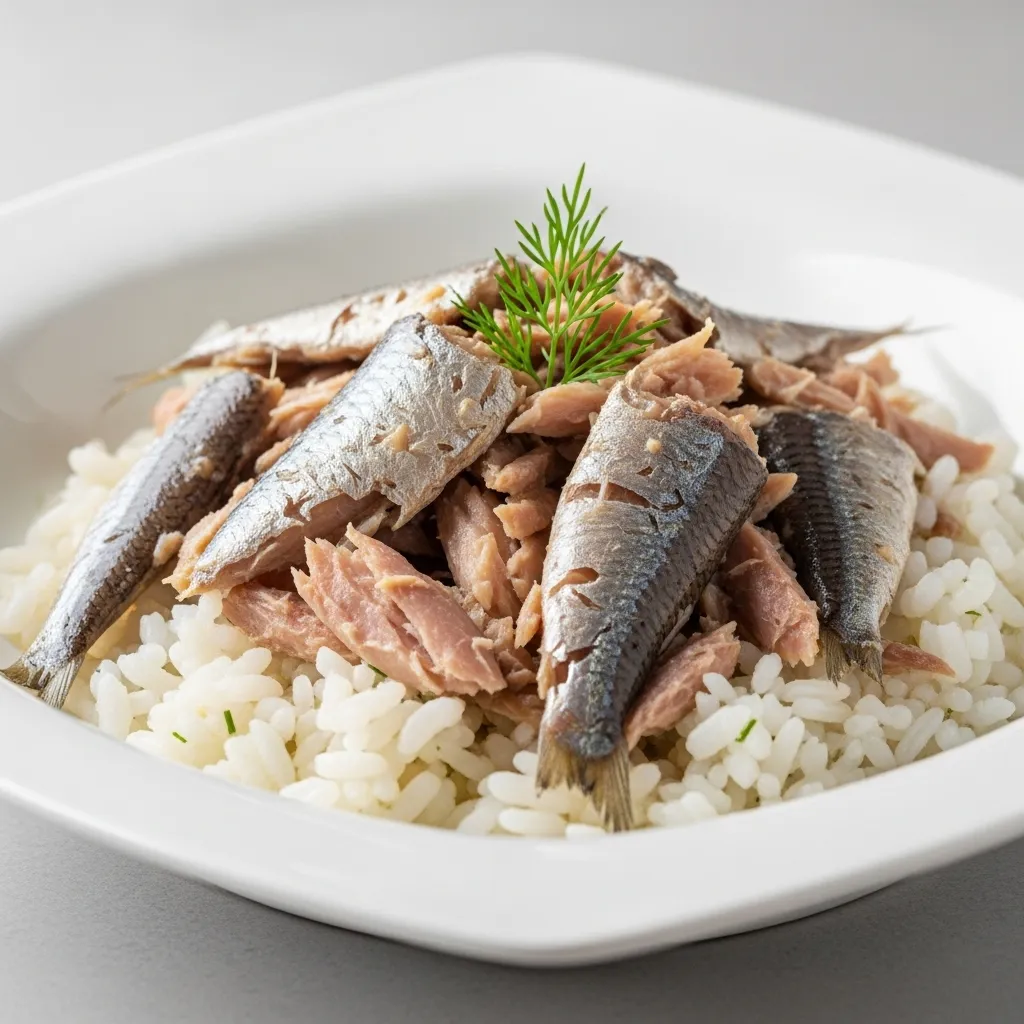
3. Fishy Delight with Sardines & Rice
A little fish can be a great treat! Sardines packed in water (not oil or salt) are rich in omega-3s, which have anti-inflammatory properties. I pair them with a small amount of well-cooked white rice for a bland, comforting base.
I mash one sardine thoroughly with a fork and mix it with a tablespoon of cooked rice. Then, I use the water from the sardine can to moisten everything into a fragrant, enticing mush. This is a special meal I offer once a week for a boost.
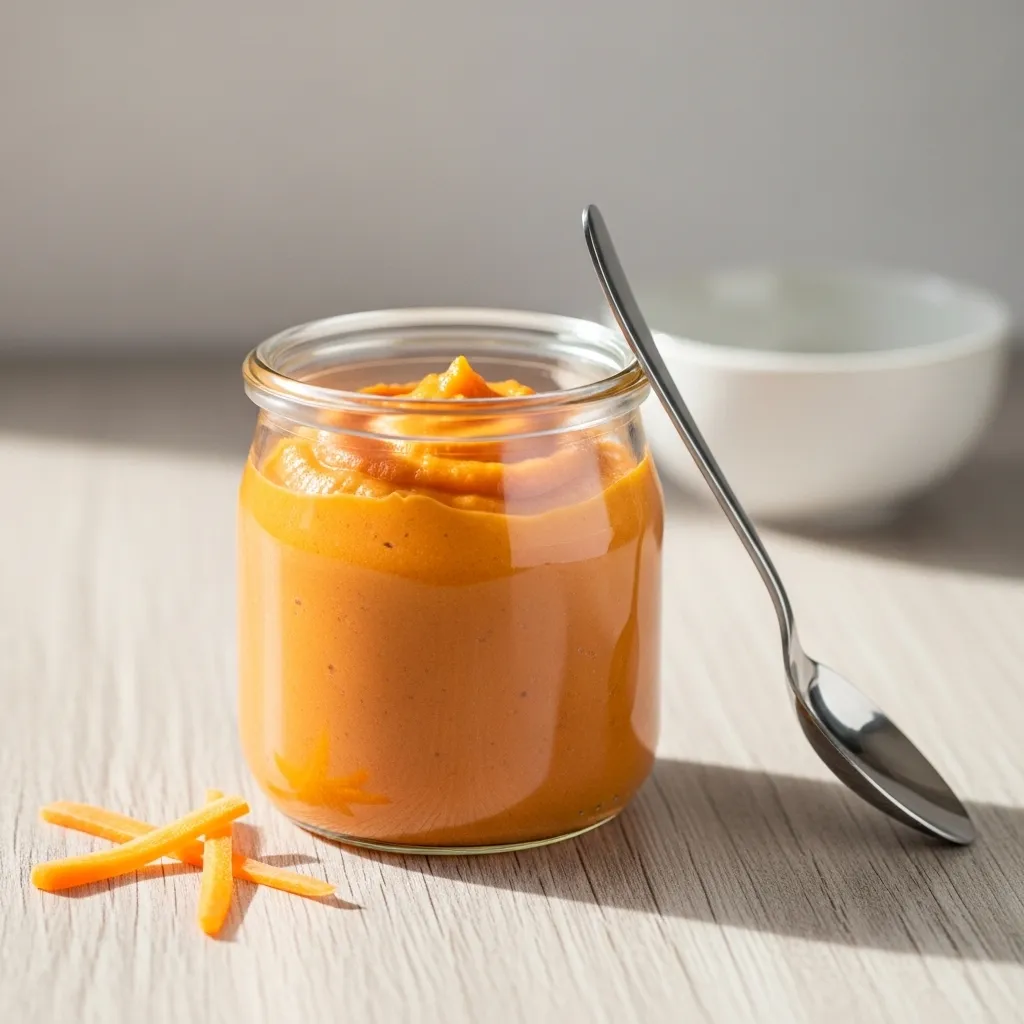
4. Gentle Rabbit & Carrot Puree
For cats with more sensitive stomachs or suspected food allergies, novel proteins like rabbit can be a game-changer. It’s extremely lean and digestible. Carrots add a touch of sweetness and beta-carotene.
I use cooked, minced rabbit meat (available from some butchers or pet suppliers) and puree a small amount of boiled carrot. Mixing them together with warm water creates a very smooth, hypoallergenic food that’s gentle on the entire system, from digestion to kidneys.
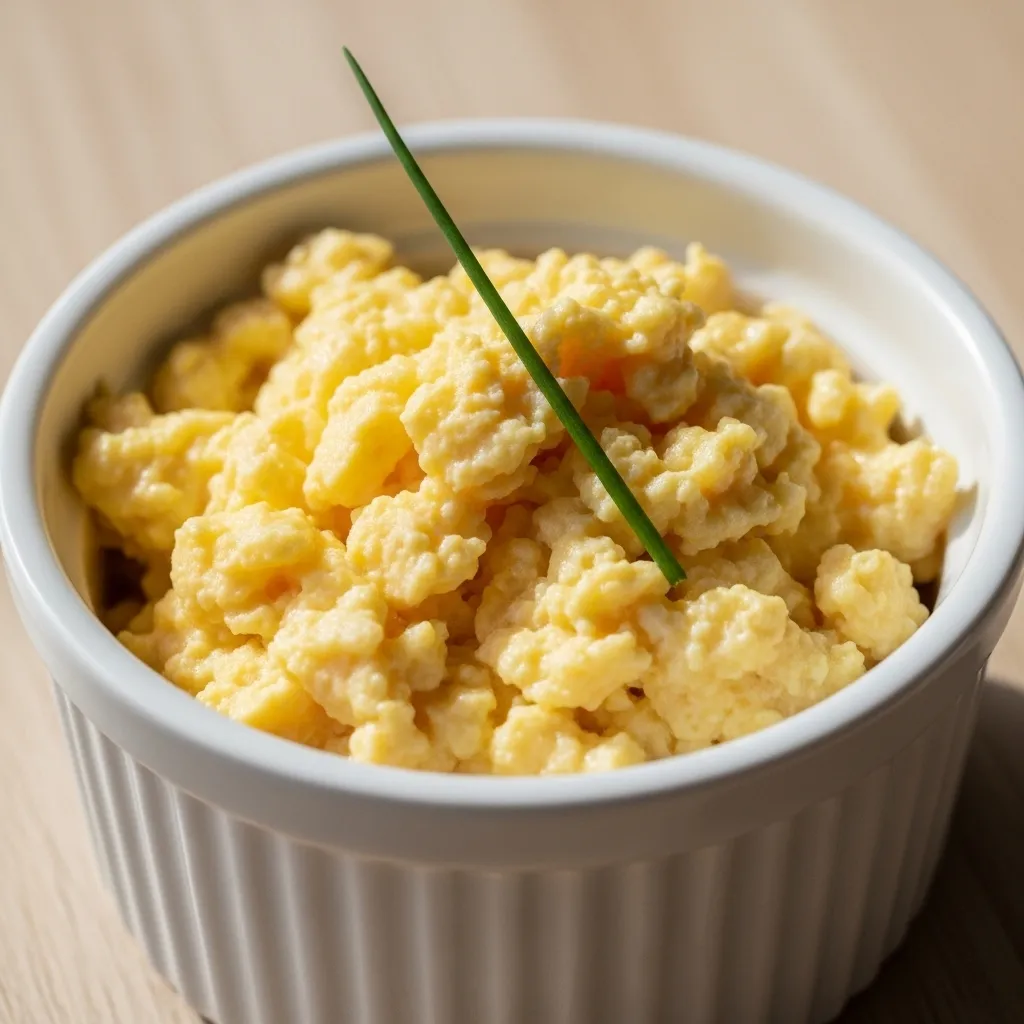
5. Egg & Broth Scramble
When my cat needs something super light, I make this simple scramble. Eggs are a complete protein and very palatable. Using bone broth (make sure it’s onion and garlic-free!) adds collagen and minerals that support overall health.
I whisk one egg and cook it slowly in a pan with no oil, scrambling it into tiny, soft curds. As it cools, I fold in a few teaspoons of warm, low-sodium chicken bone broth. It becomes a soft, hydrating, protein-packed mini-meal.
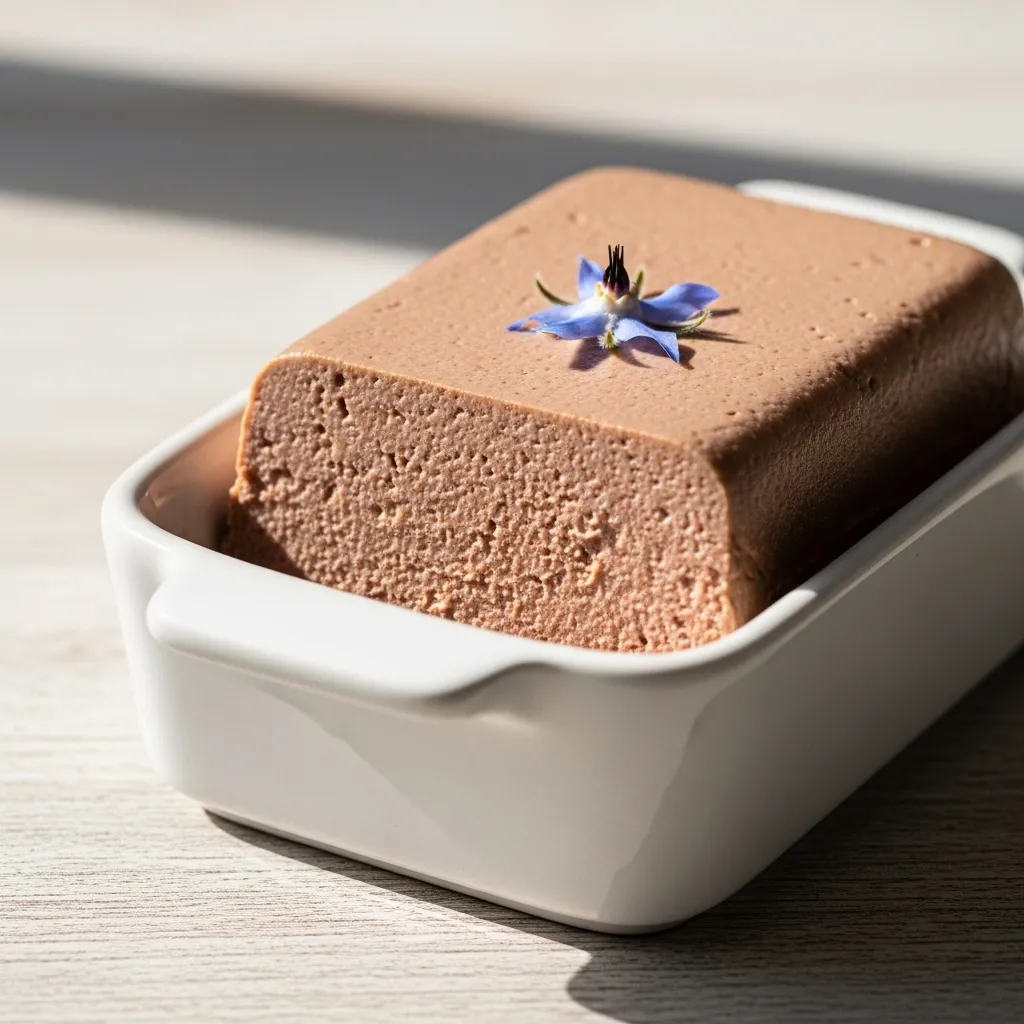
6. Moist Chicken Liver Pâté
Organ meats are nutrient powerhouses but should be fed in moderation. Chicken liver is full of vitamins A and B. This pâté is a potent supplement, not a full meal, perfect for mixing into other foods.
I boil a small piece of chicken liver until fully cooked, then blend it into a super-smooth paste with a bit of the cooking water. I might add a pinch of cat-safe parsley. Just a teaspoon mixed into their regular food adds flavor and nutrients that support organ function.
7. Poached Whitefish in Broth
Whitefish like cod or haddock are low in fat and easy to digest. Poaching is the perfect cooking method because it keeps the fish incredibly moist and allows it to soak up the flavorful, hydrating broth.
I poach a small fillet in plain water or a little sodium-free fish broth until it flakes easily. I then flake the fish, checking meticulously for bones, and serve it in the poaching liquid. It’s a light, hydrating, and delicious meal.
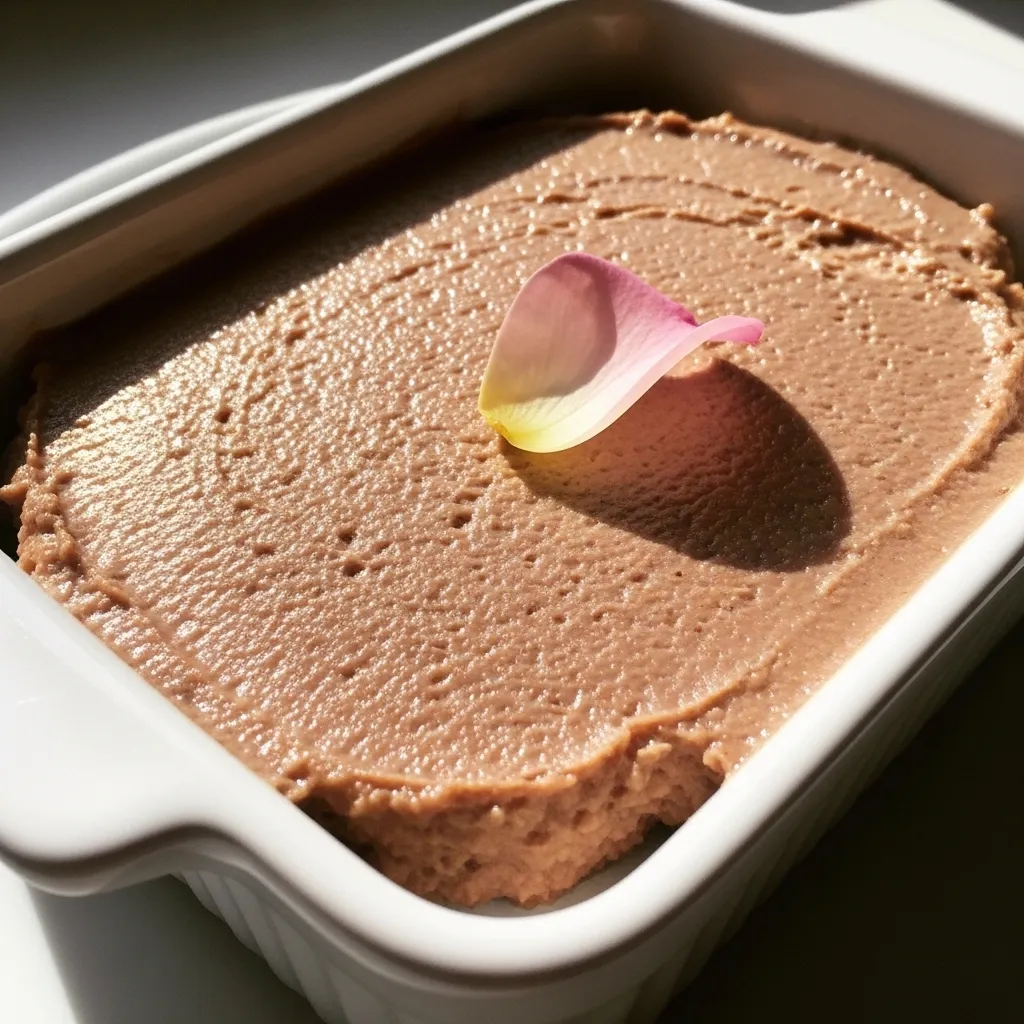
8. Beef & Squash Mash-Up
Using lean ground beef and a watery squash like zucchini creates a satisfying, moist meal. Squash is over 90% water, making it a stealthy hydration hero. The beef provides a rich, meaty flavor cats love.
I brown extra-lean ground beef, drain all the fat, and then steam diced zucchini until very soft. I mash them together, adding the zucchini’s steaming water to form a gravy. It’s a hearty yet hydrating combination.
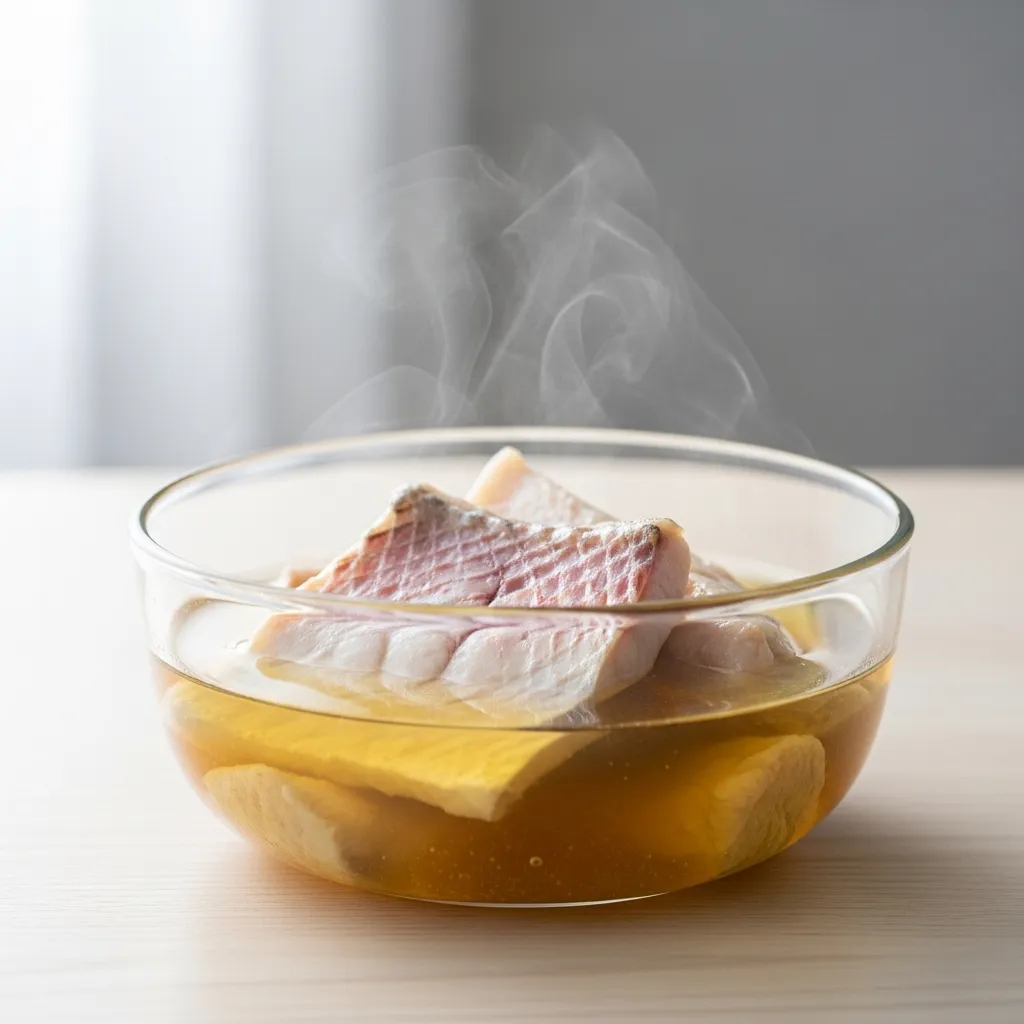
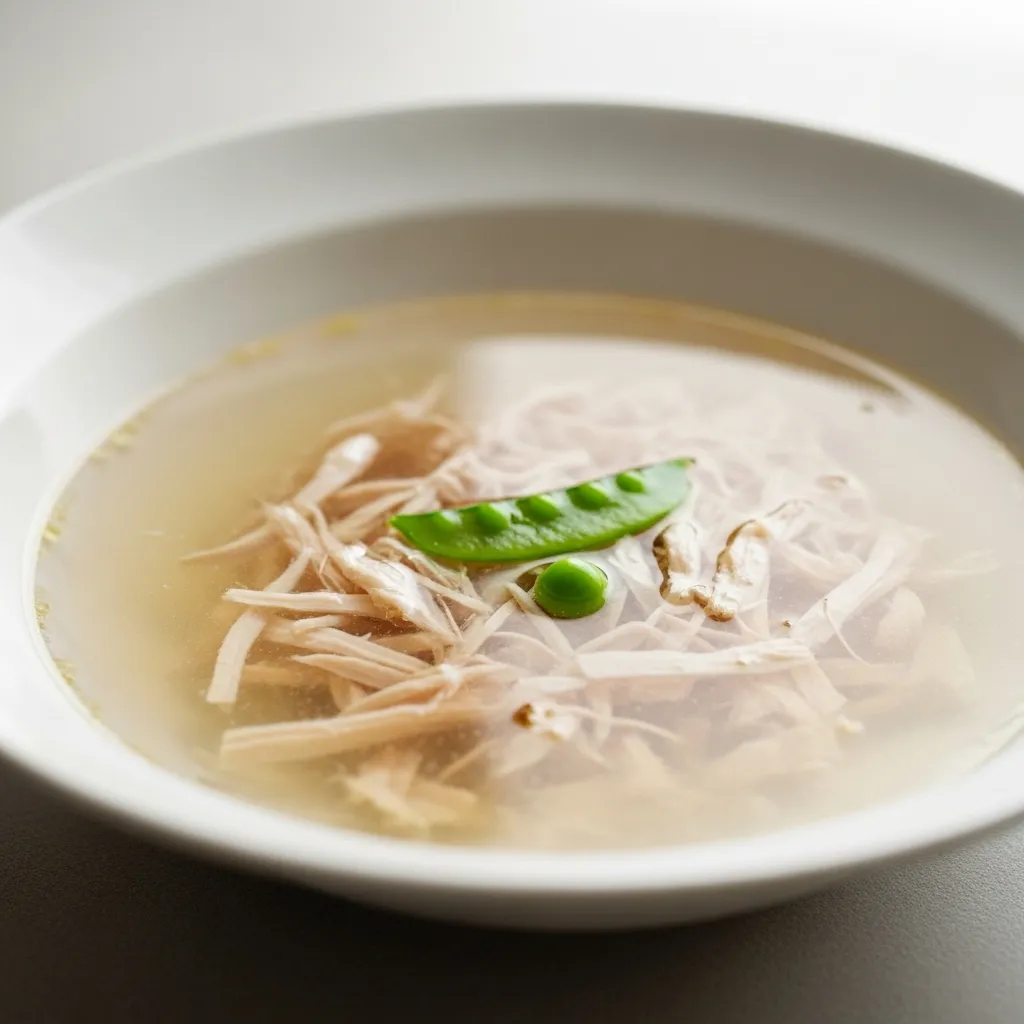
9. Tuna Water “Soup” with Shredded Chicken
This is my secret weapon for getting a reluctant drinker to take in fluids. The smell of tuna water is irresistible to most cats. I use it as a broth base for a more substantial meal.
I take the water from a can of tuna in spring water (no salt added) and warm it slightly. I pour it over finely shredded, cooked chicken breast. The chicken soaks up the flavorful “soup,” ensuring my cat laps up every last drop of the liquid.
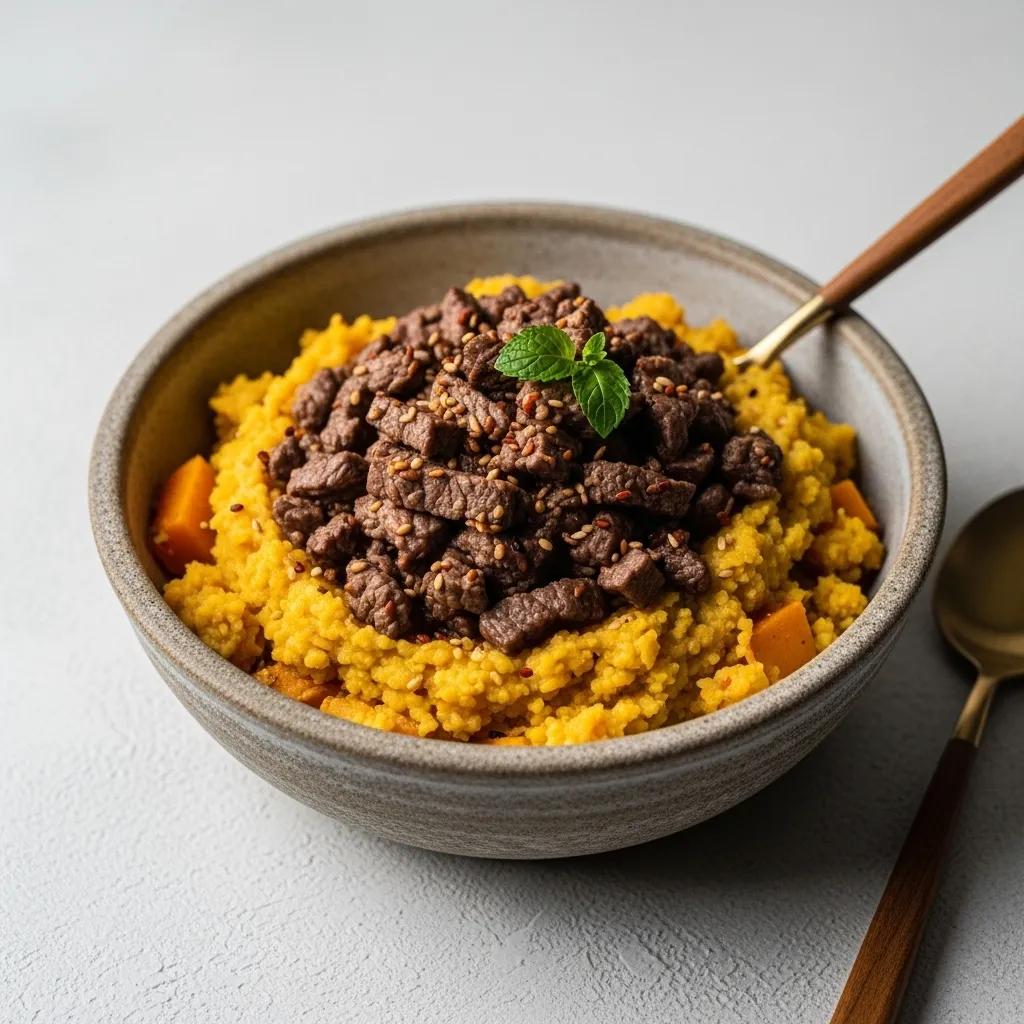
10. Cottage Cheese & Chicken Blend
A small amount of low-fat cottage cheese can be a good source of calcium and protein. Paired with chicken, it makes a creamy, palatable meal. The high moisture content of cottage cheese adds to the dish’s overall hydration.
I mix a tablespoon of low-fat, plain cottage cheese with two tablespoons of shredded chicken. I mash it together until creamy, adding a teaspoon of water if needed. It’s a cool, soothing option, especially on warmer days.
Final Tips & A Happy Cat Conclusion
Seeing my cat vibrant and comfortable is the ultimate reward. Incorporating these moisture-rich, wholesome recipes into their routine, with my vet’s blessing, has made a noticeable difference. The key is variety, moderation, and that all-important extra hydration.
Always introduce new foods slowly. Watch your cat closely and remember these are complements to a balanced diet. Here’s to many more years of happy purrs and healthy litter box reports!
Homemade Cat Food for Urinary Health: Your FAQ
Q1: Can I feed my cat only homemade food for urinary health?
A: I don’t recommend a 100% homemade diet without vet guidance. It’s easy to miss crucial nutrients like taurine. I use these recipes as toppers or for occasional meals alongside a balanced commercial or vet-prescribed diet.
Q2: What’s the most important ingredient for urinary health?
A: Water! Every recipe I make is a “wet” food. Maximizing moisture intake is the single best thing you can do at home to help flush your cat’s urinary tract and keep everything flowing smoothly.
Q3: Are there any ingredients I must avoid?
A: Yes! Always avoid onions, garlic, chives, and grapes/raisins, as they are toxic. I also steer clear of added salt, high-fat meats, and any seasoned “human food.” Keep it plain, simple, and fresh.
Q4: How often should I feed these recipes?
A: I use them as occasional meals or mix-ins. Maybe one homemade meal every other day, or a spoonful as a daily topper. Consistency is less important than the overall boost in quality and hydration they provide.
Q5: My cat has struvite crystals. Can these recipes help?
A: Please work directly with your vet. While moist food helps, specific mineral balances are critical for crystal management. Your vet can tell you if any of these ideas fit into your cat’s specific therapeutic dietary plan.