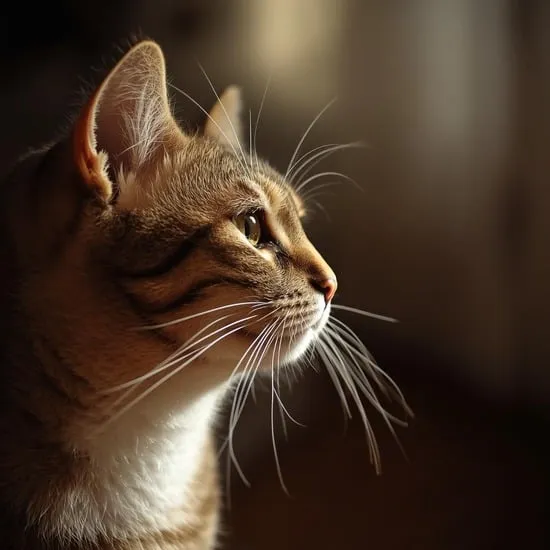
15 Fun Cat Facts You Did Not Know
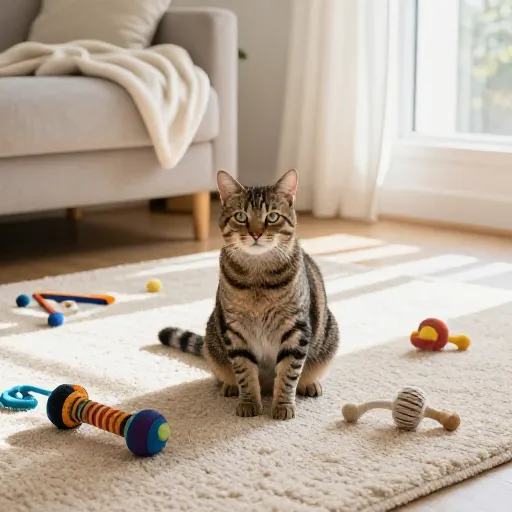
Cats are mysterious little creatures. They sleep 16 hours a day, knock things off tables for no reason, and act like they own the place—which, let’s be honest, they do. But even the most devoted cat parents don’t know everything about their furry friends.
I’ve spent years watching cats, reading about them, and learning from veterinarians. Some of these facts blew my mind. Others made me love cats even more. Whether you’re a lifelong cat lover or just curious, these 15 fun cat facts will surprise you. Get ready to see your kitty in a whole new light.
Let’s dive into the weird, wonderful world of cats.
1. Cats Can Make Over 100 Different Sounds
Dogs only have about 10 vocalizations. Cats? Over 100. They use meows, purrs, chirps, trills, hisses, and growls to communicate with us and each other.
Most of those meows are actually for humans. Adult cats rarely meow at other cats. They save that sound just for you. So when your cat meows at you, they’re literally speaking your language.
Listen closely next time. A short meow means “hello.” A long, drawn-out one might mean “feed me now.”
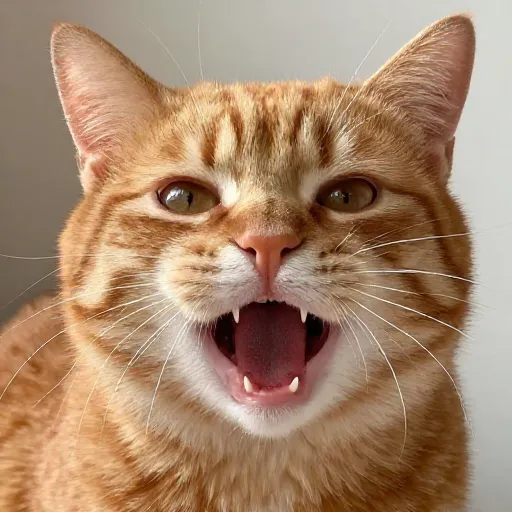
2. A Cat’s Purr Might Heal You
Purring isn’t just a happy sound. Cats purr at a frequency between 25 and 150 Hertz. That exact range has been shown to promote bone density and tissue healing in humans.
Scientists believe purring helps cats recover from injuries and stress. When your cat curls up on your chest and purrs, they might actually be helping you heal too. It’s like having a tiny, furry doctor on call.
Studies also show that living with a cat lowers your risk of heart attack and stroke. That purr is powerful medicine.
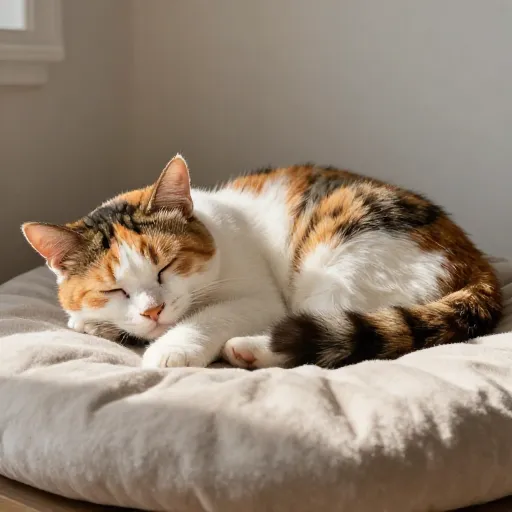
3. Cats Walk Like Giraffes and Camels
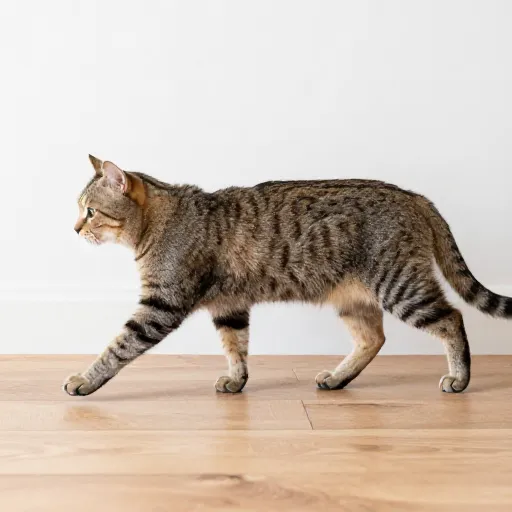
Watch your cat walk slowly. They move both right feet first, then both left feet. This is called “pacing.” Only a few animals walk this way—giraffes, camels, and cats.
Most four-legged animals move diagonal legs together. Cats save that for running. When they want to be quiet and graceful, they pace. That’s why they can sneak up on you so easily.
Next time your cat creeps across the room, notice their gait. It’s pure elegance.
4. Cats Have a Built-In Compass
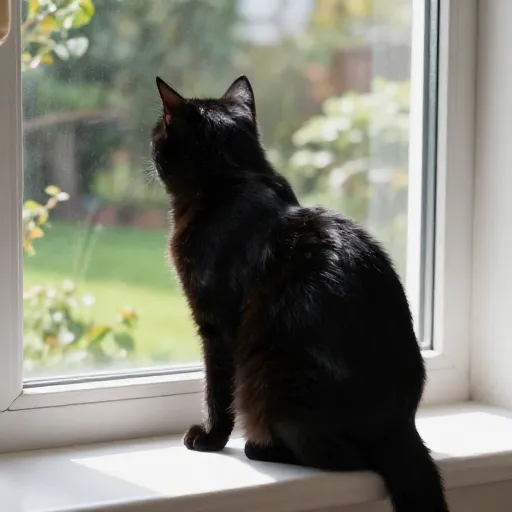
Have you ever heard stories of cats traveling miles to find their way home? It’s true. Cats have magnetoreception—the ability to sense the Earth’s magnetic field.
Researchers discovered that cats use this internal compass to navigate. They can find their way back from places they’ve never been before. Some cats have traveled over 200 miles to return to their old home.
That’s why moving with a cat can be tricky. They might try to go back to where they feel “home” is. Give them time and lots of love to adjust.
5. Your Cat’s Nose Is as Unique as Your Fingerprint
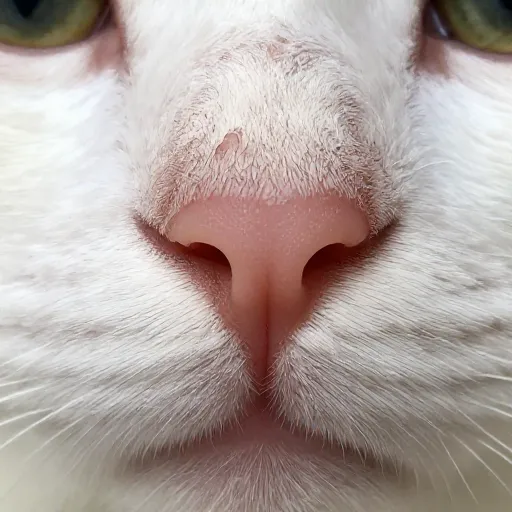
Every cat has a completely unique nose print. The ridges and bumps form a pattern that no other cat shares. Some pet microchip companies are even starting to use nose prints for identification.
You can actually see the pattern clearly. Gently look at your cat’s nose next time they’re relaxed. It’s like a tiny work of art right on their face.
No two cats—not even identical twins—have the same nose print. Pretty amazing, right?
6. Cats Sweat Through Their Paws
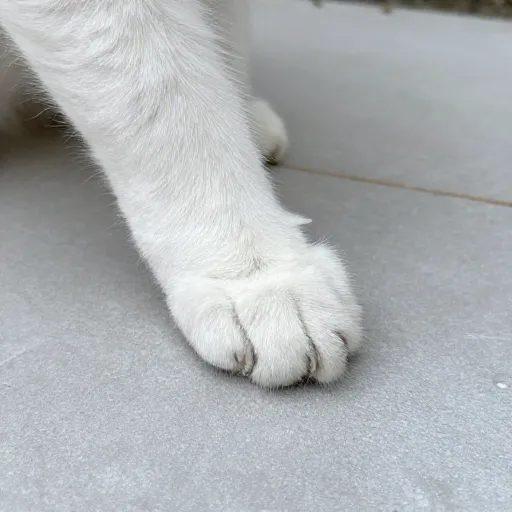
Cats don’t sweat all over their bodies like humans do. They have sweat glands only on their paw pads. When it’s hot or they’re stressed, you might notice damp little paw prints on the floor.
That’s also why cats sometimes shake their paws. It’s not just cute—it’s them trying to cool down or relieve stress. If you see sweaty paw prints, make sure your cat has a cool, quiet place to rest.
Panting is rare in cats and can mean overheating or illness. If your cat pants, check with your vet.
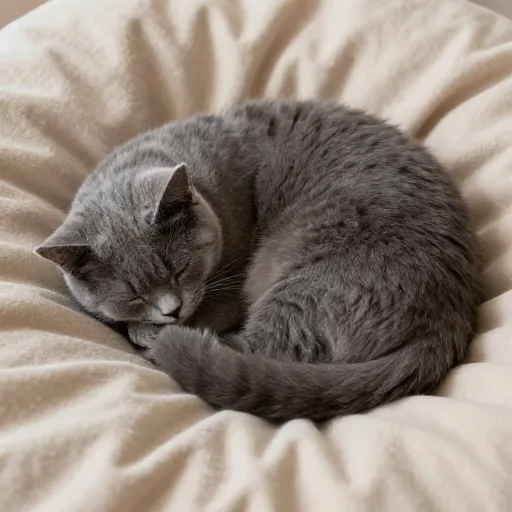
7. Cats Spend 70% of Their Lives Asleep
If your cat lives to be 15 years old, they’ll have spent about 10.5 years sleeping. That’s a lot of naps. But it’s not laziness—it’s instinct.
Wild cats need to conserve energy for hunting. Even though your house cat doesn’t hunt for food, their body still follows that ancient pattern. They sleep deeply to stay ready for action.
Those short bursts of crazy energy (zoomies!) happen because they’ve been saving up. So let them sleep. They’re just being cats.
8. A Group of Kittens Is Called a Kindle
You probably know a group of cats is a clowder. But did you know a group of kittens is called a “kindle”? It’s a beautiful word for a beautiful sight.
A group of adult cats is also sometimes called a “glaring” when they’re staring at something. Cats really do have the best collective nouns.
Next time you see a litter of kittens, you can say, “Look at that adorable kindle!” It’s a fun fact to share with fellow cat lovers.

9. Cats Can’t Taste Sweetness
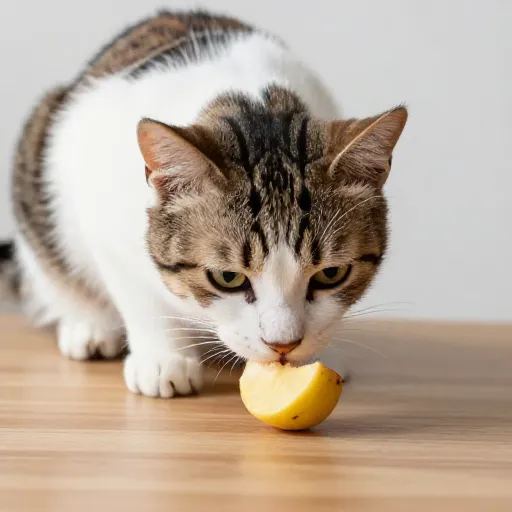
Your cat might beg for ice cream, but they can’t actually taste it. Cats lack the taste receptors for sweetness. Their taste buds are wired for meat, salt, and sour.
This explains why cats are such picky eaters. They don’t crave sugar like we do. They want protein and fat. That’s why a piece of chicken is way more exciting than a cupcake.
Never give your cat sweets anyway. Sugar isn’t good for them, and some sweeteners (like xylitol) are toxic.
10. Cats Have a Third Eyelid
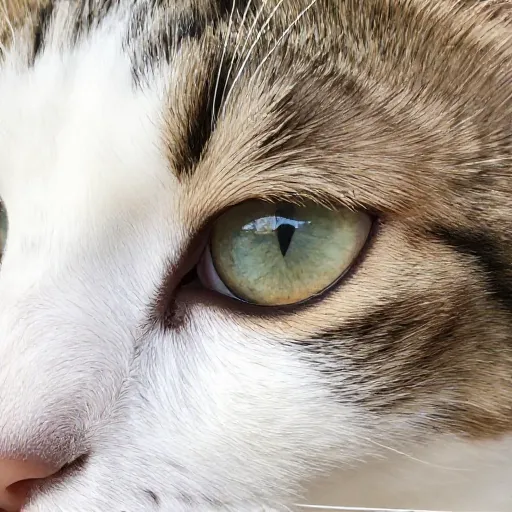
Look closely at your cat’s eyes when they’re sleepy. You might see a thin, whitish membrane in the inner corner. That’s the third eyelid, called the nictitating membrane.
It protects the eye from dust, scratches, and dryness. Cats can blink with this eyelid without fully closing their eyes. That’s why they can stare at you without blinking for so long.
If you ever see the third eyelid sticking out when your cat is awake and alert, it could mean they’re sick. Check with your vet.
11. A Cat’s Whiskers Are as Sensitive as a Human Fingertip
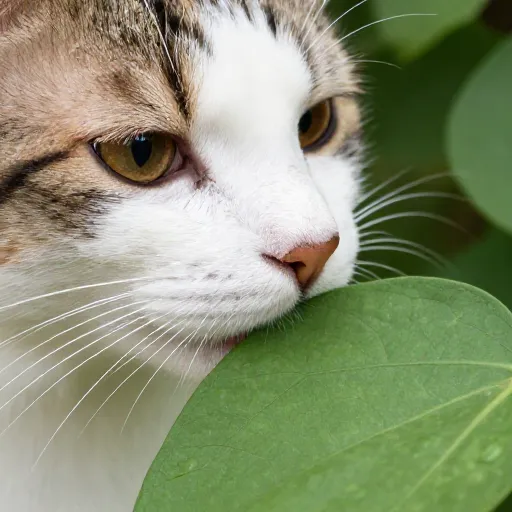
Whiskers aren’t just cute—they’re super-powered sensors. The roots of a cat’s whiskers are packed with nerves and blood vessels. They can detect the tiniest changes in air currents.
That’s how cats navigate in the dark. Their whiskers help them figure out if they can fit through a tight space. If the whiskers touch both sides, the cat knows it’s too narrow.
Never cut your cat’s whiskers. It confuses them and makes them feel lost.
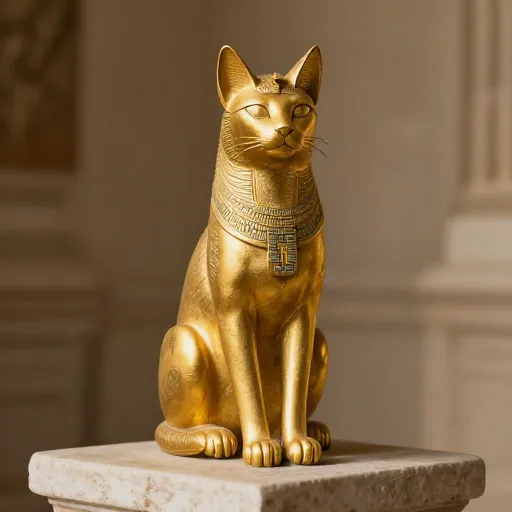
12. Cats Were Once Worshiped as Gods
In ancient Egypt, cats were considered sacred. Killing a cat was a crime punishable by death. Families would shave their eyebrows in mourning when their cat died.
The goddess Bastet had the head of a cat and represented home, fertility, and protection. Egyptians even mummified cats and buried them with their owners.
Some things never change. Cats still act like they’re being worshiped. Now you know why.
13. Cats Can Rotate Their Ears 180 Degrees
A cat’s ear has 32 muscles (humans have only 6). That’s how they can swivel each ear independently to pinpoint exactly where a sound is coming from.
They can rotate their ears up to 180 degrees. It’s like having a personal satellite dish on each side of their head. They can hear sounds that are too high-pitched for humans, like a mouse squeaking.
Watch your cat’s ears next time they hear something interesting. They’ll move like tiny radar dishes.

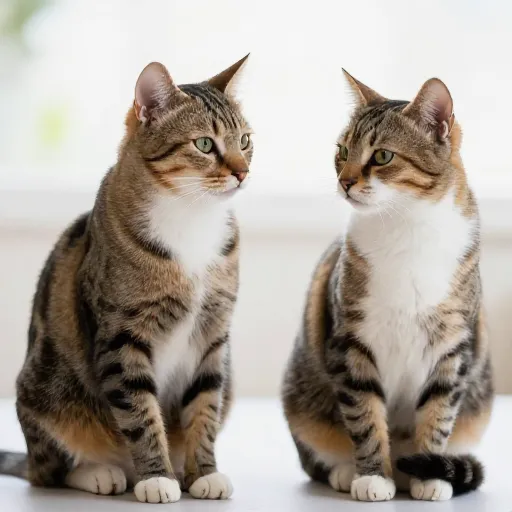
14. Cats Rarely Meow at Each Other
Adult cats almost never meow at other cats. They communicate with other felines through scent, body language, and sometimes hissing or growling. Meowing is reserved almost exclusively for humans.
Kittens meow to their mothers, but once they grow up, they stop. Domestic cats have learned that meowing gets our attention. So they keep doing it.
Your cat is literally training you to respond to their meows. And it works every time.
15. The Oldest Known Pet Cat Lived 9,500 Years Ago
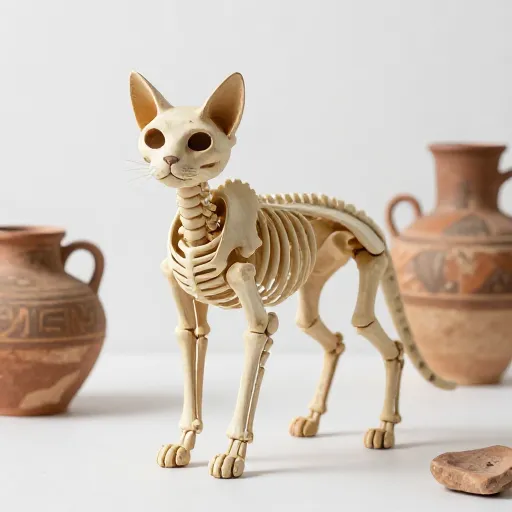
Archaeologists found a human and cat buried together in Cyprus. That grave is 9,500 years old. The cat was placed there intentionally, meaning cats were already being kept as pets back then.
We think of cats as aloof, but humans have loved them for almost 10,000 years. They chose to live with us, and we chose to keep them close.
That bond is ancient. Your cat is part of a long, beautiful history.
Conclusion
Cats are full of surprises. From their healing purrs to their built-in compass, every fact makes me love them even more. They’re not just pets—they’re fascinating little creatures with a rich history and amazing abilities.
I hope these fun cat facts made you smile and maybe even look at your own cat a little differently. The next time they curl up on your lap, remember: they’re walking on little paws that sweat, hearing sounds you can’t, and purring in a frequency that might just be healing you.
Share these facts with your friends. They’ll never guess number 8.
Frequently Asked Questions
Why does my cat knead me with their paws?
Kneading is a leftover habit from kittenhood. Kittens knead their mother’s belly to stimulate milk flow. Adult cats knead when they feel safe and happy. It’s a sign of deep trust.
Do cats really hate water?
Not all cats hate water. Some breeds, like the Turkish Van, actually love swimming. Most cats dislike being wet because it makes them feel heavy and cold. But they’re often fascinated by running water from a faucet.
Why does my cat bring me dead animals?
It might look gross, but it’s a gift. Your cat sees you as part of their family. They’re trying to teach you how to hunt or sharing their catch because they think you can’t find food on your own. Say thank you and quietly dispose of it.
How long do cats usually live?
Indoor cats typically live 12 to 18 years. Some live into their 20s. The oldest cat ever recorded lived to be 38 years old. Good food, regular vet care, and lots of love help them live long, happy lives.
Can cats see in complete darkness?
Not exactly. Cats can see in very low light, about six times better than humans. They need some light to see. But their eyes are built to gather every tiny bit of light available. That’s why their eyes seem to glow at night.