12 Puppy Necessities for First Time Dog Owners: Don’t Get Caught Unprepared
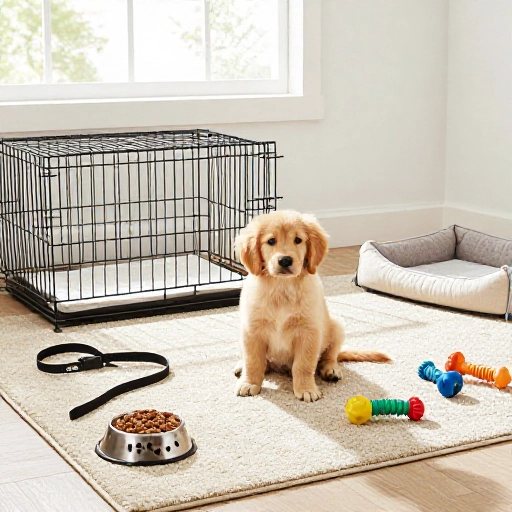
Bringing home a new puppy is one of the most exciting moments in life. That little bundle of fur, the tiny paws, the fresh puppy smell—it’s pure magic. But let me be real with you: the first few weeks can also feel a little overwhelming if you don’t have the right stuff ready.
I remember standing in the pet store aisle, totally lost. Do I need a crate? What kind of bed? And why are there fifty different types of collars? After raising my own pup (and helping friends through theirs), I’ve learned exactly what a first-time dog owner truly needs. This list will save you from midnight runs to the store and a whole lot of stress.
Let’s get you prepared so you can focus on the fun part—snuggles, playtime, and watching your puppy explore their new world.
1. A Cozy, Washable Crate
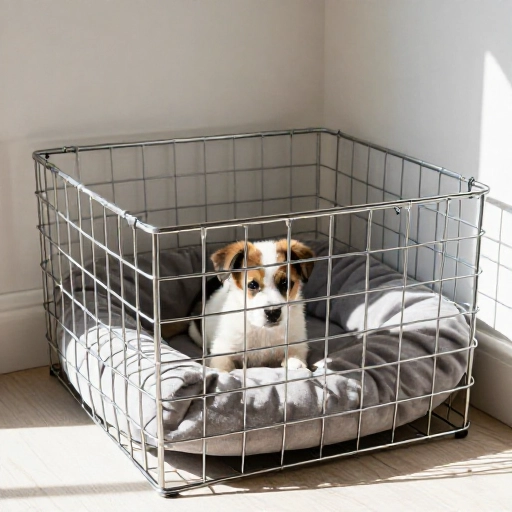
A crate isn’t a cage—it’s your puppy’s personal safe space. Think of it as their bedroom. It helps with potty training (dogs naturally avoid soiling where they sleep) and gives them a quiet spot when they need a break from all the excitement.
Look for a crate that’s easy to clean and has a divider. Puppies grow fast, and a divider lets you adjust the space as they get bigger. A soft, machine-washable pad inside makes it extra inviting. I promise, a good crate will become your best friend during those first few months.
2. High-Quality Puppy Food
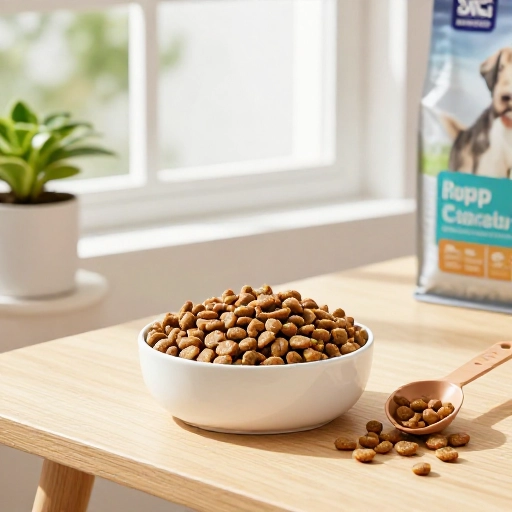
Your puppy’s body is growing at lightning speed, so they need food made specifically for their age. Skip the generic brands and look for a formula with real meat as the first ingredient. Puppies need extra protein, healthy fats, and DHA for brain development.
Don’t buy a giant bag right away. Start with a small one to see if your pup likes it and if their tummy agrees. Mixing in a little canned food or toppers can help picky eaters. And always, always keep fresh water available—puppies get dehydrated faster than you think.
3. An Adjustable Collar and ID Tags
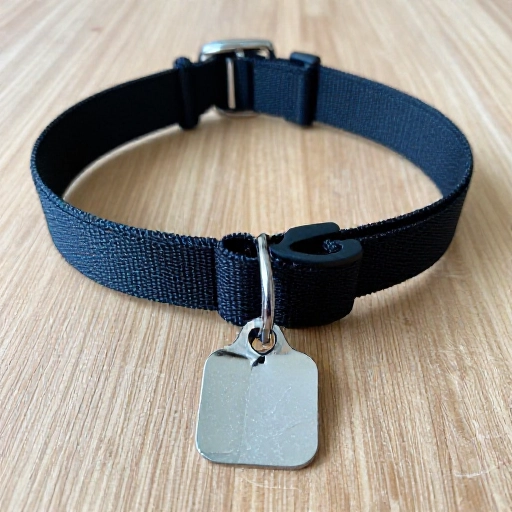
The moment your puppy comes home, they need identification. A simple breakaway collar (safety first!) with a tag that has your phone number is non-negotiable. You can get cute custom tags online, but even a basic one works—just make sure it’s attached before they step out the door.
Choose a collar that’s lightweight and adjustable. You should be able to fit two fingers between the collar and your puppy’s neck. As they grow, you’ll loosen it, so check it weekly. And yes, microchipping is a great backup, but a visible tag is the fastest way for someone to return your lost pup.
4. A Sturdy Leash and Harness
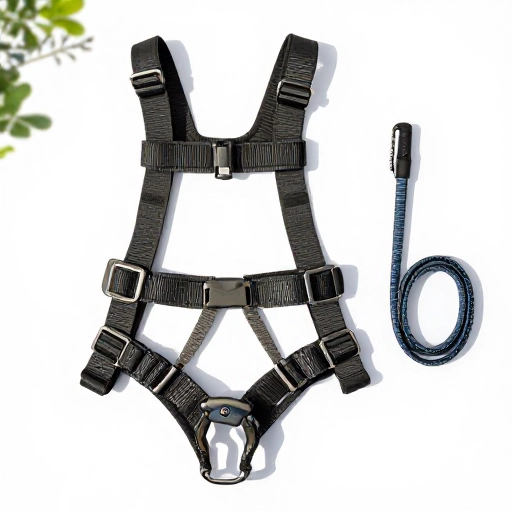
Puppies are wiggly, excited, and easily distracted. A harness gives you better control and protects their delicate necks. I prefer a step-in style for easy on and off. Pair it with a lightweight, four to six-foot leash—retractable leashes can be dangerous for training and can tangle around legs.
Don’t skip the training part. Let your puppy wear the harness around the house for short periods so they get used to it. Reward them with treats when they’re calm. This makes outdoor walks way less chaotic and more fun for both of you.
5. Puppy-Safe Chew Toys
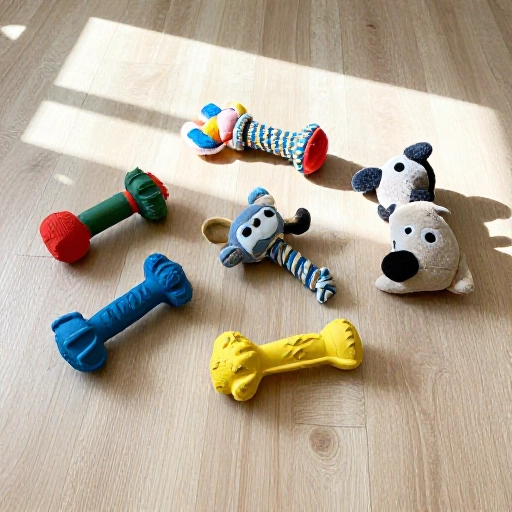
Puppies explore the world with their mouths. If you don’t give them something safe to chew, they’ll find your shoes, furniture, or baseboards. Trust me on this one. Stock up on a variety of textures: rubber, soft plush, and teething rings.
Look for toys that are size-appropriate. Too small, and they might be a choking hazard. Too hard, and they could hurt those baby teeth. Freeze a rubber toy filled with peanut butter (xylitol-free!) for a soothing teething treat. Rotate toys every few days to keep them interesting.
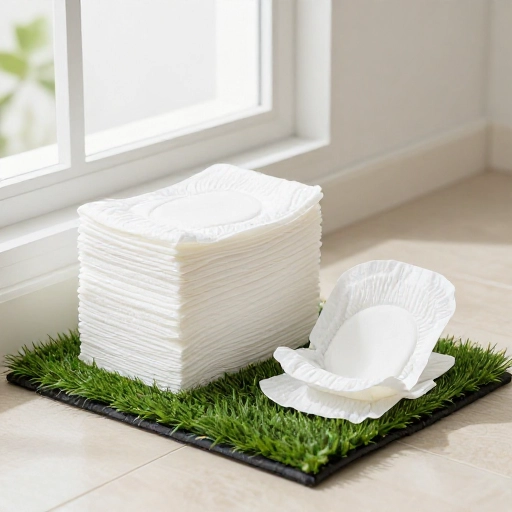
6. Potty Training Pads or a Grass Patch
Accidents happen. A lot. Potty pads are a lifesaver for apartment dwellers or anyone who can’t get outside every 30 minutes. Place them near your door or in a designated area. Some people prefer real grass patches that you can buy and replace—they feel more natural for the pup.
Don’t rely on pads forever, though. Use them as a tool while you teach your puppy to signal when they need to go out. Consistency is key: take them to the same spot each time and praise them like crazy when they go. It clicks faster than you’d think.
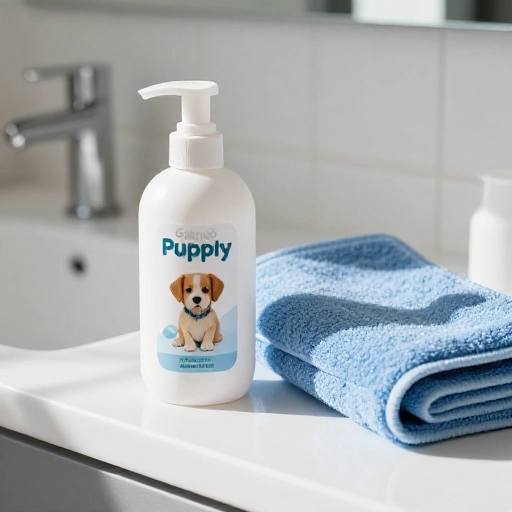
7. A Gentle, Puppy-Specific Shampoo
Puppies get messy. Mud, food, mystery goo—you name it. But their skin is sensitive, so a mild, tear-free puppy shampoo is a must. Avoid anything with harsh chemicals or strong fragrances. Oatmeal-based formulas are great for soothing itchy skin.
You don’t need to bathe them every week (that can dry out their coat), but having a bottle ready means you’re not scrambling when they roll in something gross. A rubber mat in the tub and a cup for rinsing makes bath time easier for both of you.
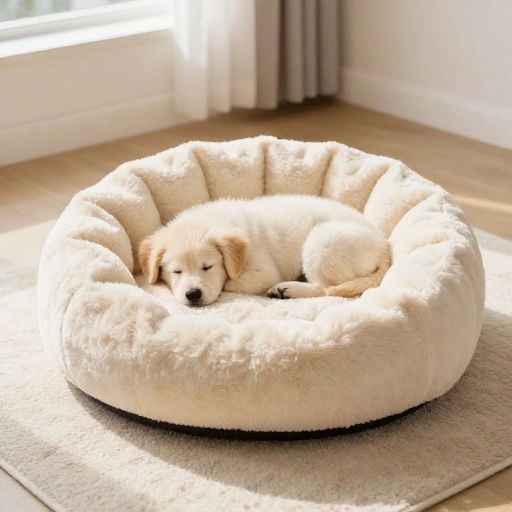
8. A Soft, Washable Dog Bed
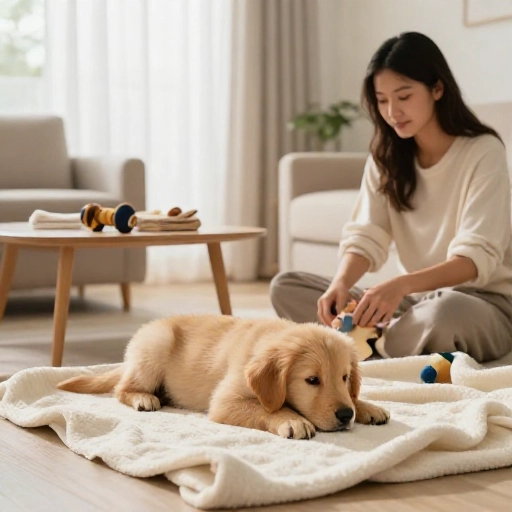
Your puppy will sleep a lot—up to 18 hours a day. A comfortable bed gives them a dedicated spot to rest and helps them feel secure. Look for one with a removable, machine-washable cover. Puppies have accidents, and you’ll thank me later.
Don’t spend a fortune on a fancy bed right away. A simple bolster bed or even a folded blanket works. Place it in a quiet corner away from drafts. If your puppy seems restless, try adding a ticking clock or a warm water bottle (wrapped in a towel) to mimic their mom’s heartbeat.
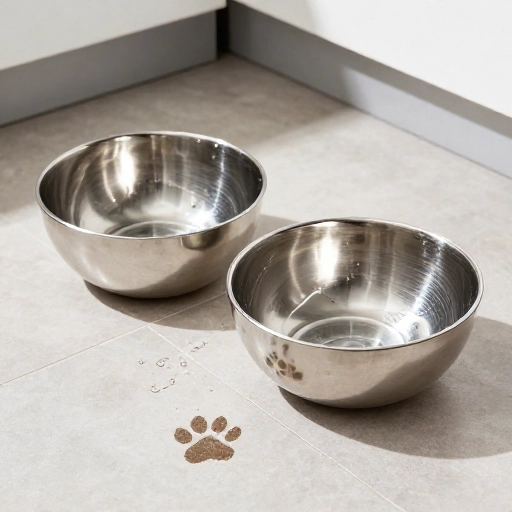
9. A Set of Stainless Steel Bowls
Plastic bowls can harbor bacteria and cause puppy acne (yes, that’s a thing). Stainless steel is durable, easy to clean, and doesn’t get chewed up. Choose bowls with a non-slip base so they don’t slide across the floor during mealtime.
Get two—one for food and one for water. Consider a slow feeder bowl if your puppy inhales their food too fast. It helps prevent bloating and makes mealtime last a little longer. Keep the water bowl full and clean it daily to avoid slime buildup.
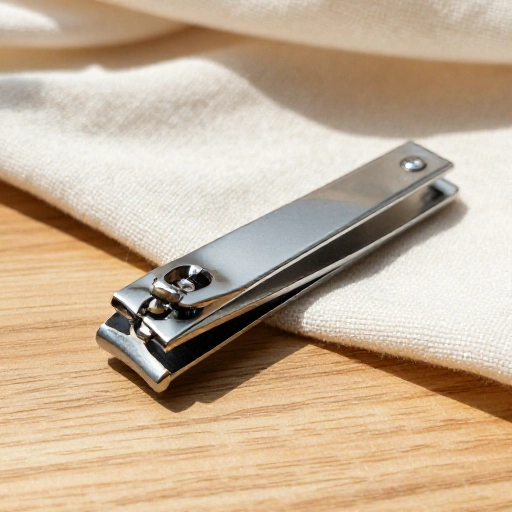
10. A Nail Clipper or Grinder
Puppy nails grow like weeds. Long nails can make walking uncomfortable and even cause joint issues over time. Start handling their paws early so they get used to it. A simple guillotine-style clipper works fine, but a gentle grinder is less scary for some pups.
Go slow. Just clip one nail a day if that’s all they can handle. Always have styptic powder on hand in case you cut too close. If you’re nervous, ask your vet or groomer to show you the first time. Short, frequent sessions build trust.
11. A Training Treat Pouch
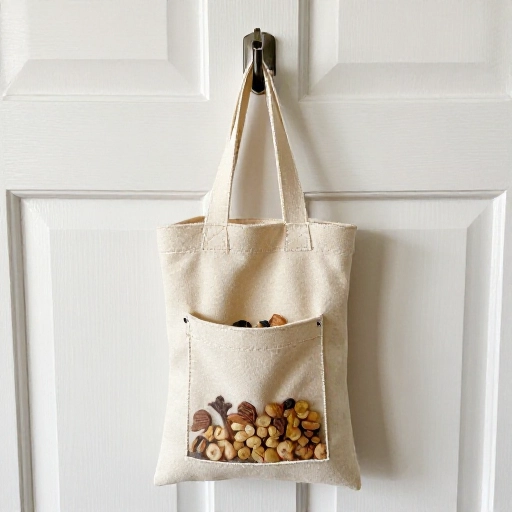
You’ll be doing a lot of training in the first few weeks—sit, stay, come, and potty trips. A treat pouch clips onto your belt or pocket and keeps your hands free. No more digging through your pockets for tiny, smelly treats.
Fill it with small, soft treats that are easy to chew quickly. You’ll be rewarding good behavior constantly, so choose something low-calorie. A pouch with multiple compartments is handy for separating treats, poop bags, and a clicker if you use one.
12. A First-Aid Kit for Puppies
Accidents and minor injuries happen. A basic puppy first-aid kit gives you peace of mind. Include items like sterile gauze, adhesive tape, tweezers, antiseptic wipes, and a digital thermometer. Also add a small flashlight for checking their mouth or eyes.
Keep a list of emergency vet numbers in the kit. Learn how to take your puppy’s temperature (normal is 101–102.5°F). Most small cuts or scrapes can be cleaned and monitored at home, but knowing when to call the vet is crucial. Your kit should live in an easy-to-reach spot.
Conclusion: You’ve Got This
Being a first-time dog owner is a beautiful, messy, and rewarding adventure. You don’t need to buy everything at once, but having these 12 essentials ready will make the transition so much smoother. Remember, your puppy doesn’t need fancy stuff—they need your love, patience, and consistency.
Take a deep breath. You’re going to make mistakes, and that’s okay. Every day is a chance to learn together. Welcome to the wonderful world of puppy parenthood. You’re already off to a great start.
Frequently Asked Questions
What is the most important thing to buy for a new puppy?
A good quality crate is often the most important item. It provides a safe space for your puppy and is a key tool for potty training and preventing destructive behavior when you can’t supervise them.
How many toys does a puppy really need?
Start with 3 to 5 toys of different textures (soft, rubber, and teething). Rotate them weekly to keep things fresh. Too many toys at once can be overwhelming, but a few good ones prevent boredom and chewing on your stuff.
Should I buy a puppy bed or just use a blanket?
A washable puppy bed is ideal because it offers support and a defined space. But a thick, folded blanket works perfectly in a pinch. The key is to have something soft and easy to clean—puppies will have accidents and spills.
What type of leash is best for a first-time owner?
A standard 4 to 6-foot flat leash made of nylon or leather is best. Avoid retractable leashes for now—they can make training harder and can be dangerous if your puppy darts into traffic or gets tangled.
How do I puppy-proof my home before bringing them home?
Get down on your hands and knees and look for hazards: electrical cords, small objects they could swallow, toxic plants, and low cabinets. Move shoes, chargers, and cleaning supplies out of reach. Block off stairs with a baby gate if needed.