Beginner’s Puppy Walking Tips for Happy Adventures
Beginner’s Puppy Walking Tips for Happy Adventures
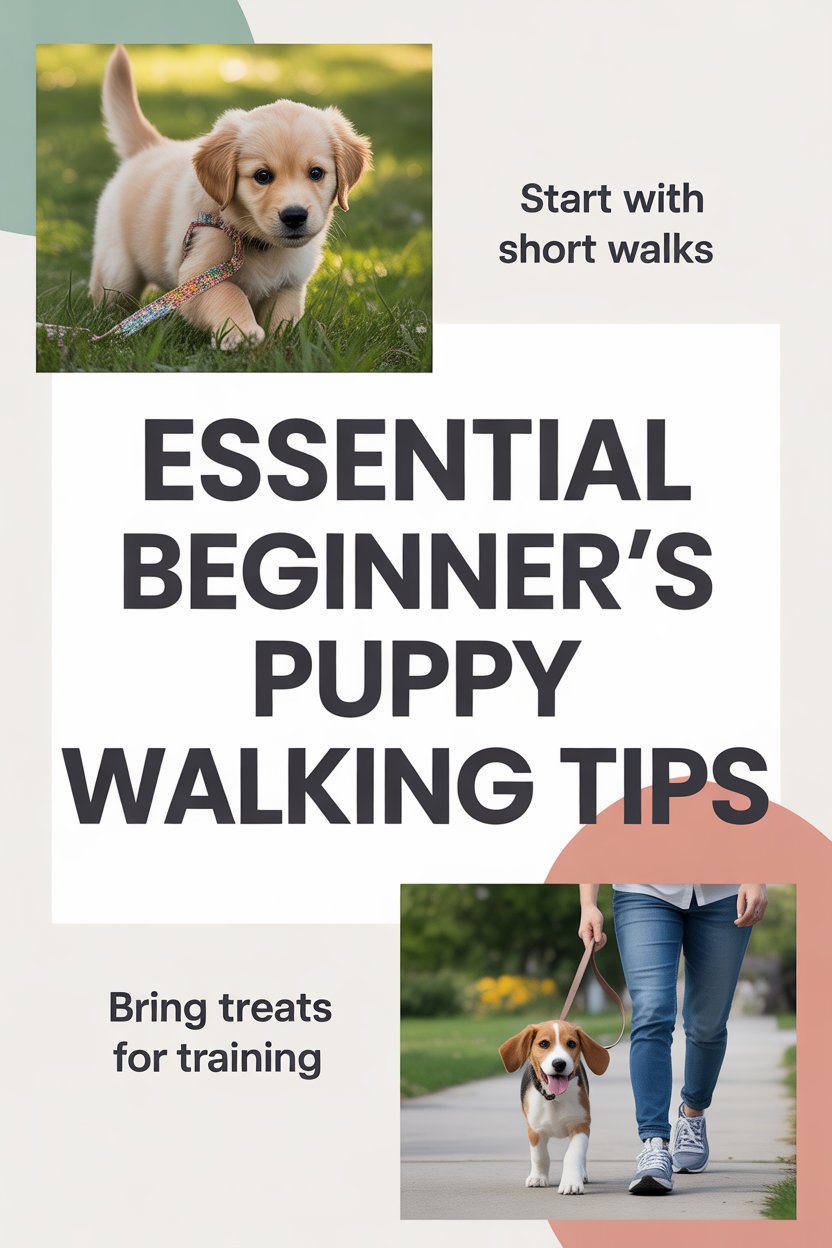
I still remember the first time I took my puppy, Bailey, for a walk. Her tiny paws trembled with excitement as she stepped outside for the very first time, sniffing every leaf and blade of grass as if discovering a whole new world. That moment was pure joy—but also a little overwhelming. She wanted to go everywhere at once, and I quickly realized walking a puppy wasn’t as simple as I’d imagined. Over time, I learned that successful walks are about patience, consistency, and love. So, if you’re about to start your puppy-walking journey, these beginner’s tips will make every outing a happy adventure for both of you.
Walking your puppy is more than just exercise—it’s a way to strengthen your bond, build confidence, and teach good behavior that lasts a lifetime.
Start Slow and Keep It Short
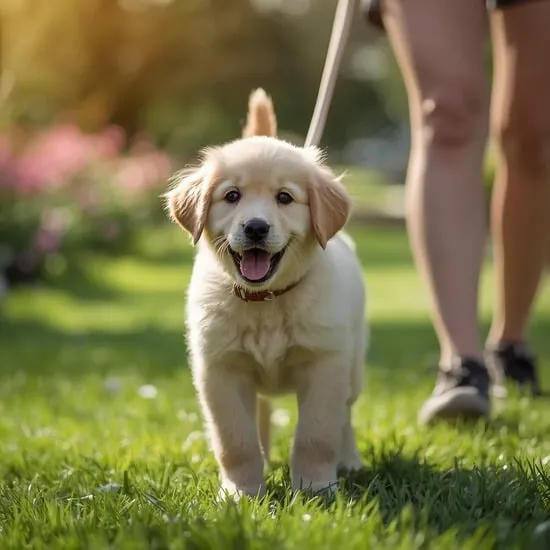
Puppies are like toddlers—they get tired quickly and easily distracted. For the first few walks, keep them short, around 5–10 minutes, depending on your puppy’s age and energy. Gradually increase the time as they get used to the sights, sounds, and smells of the outside world. The goal isn’t to cover miles—it’s to help your pup feel safe and comfortable in new environments.
I used to think a long walk would tire Bailey out (and make her nap longer!), but it actually made her anxious at first. Short, positive walks worked wonders, and soon she began to love exploring confidently.
Get the Right Gear
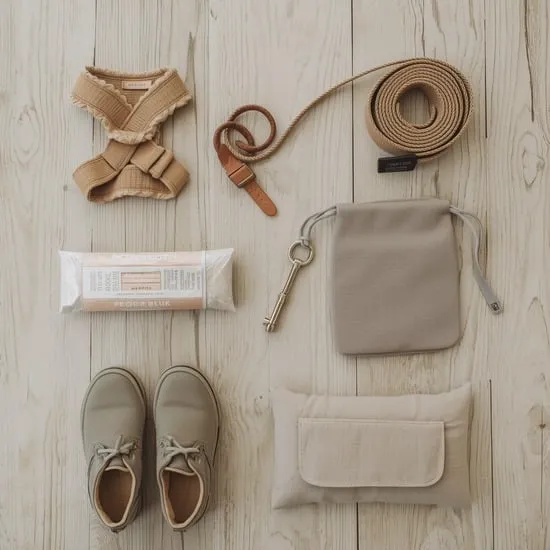
Before heading out, make sure your puppy’s walking gear fits properly and feels comfortable. Here’s what you’ll need:
- A well-fitted harness: Safer than a collar, it prevents pressure on your puppy’s neck.
- A lightweight leash: Four to six feet long is ideal for training and control.
- Poop bags: Always be prepared to clean up after your pup.
- Treat pouch: Keep small treats handy for positive reinforcement.
Choose soft, padded materials to avoid chafing and discomfort. I remember when Bailey’s first harness was slightly too big—it slipped right off mid-walk! Lesson learned: double-check the fit before every outing.
Teach Basic Leash Training Early
Leash training is one of the most important parts of puppy walking. Start indoors or in a quiet backyard before venturing outside. Let your puppy wear the harness and leash for short periods, rewarding them with treats for staying calm.
When walking, use gentle guidance—don’t pull or jerk the leash. Encourage your puppy to walk beside you by offering treats and praise. If they start to pull, stop walking until they return to your side. This teaches them that staying close brings rewards and progress.
Socialize Your Puppy During Walks
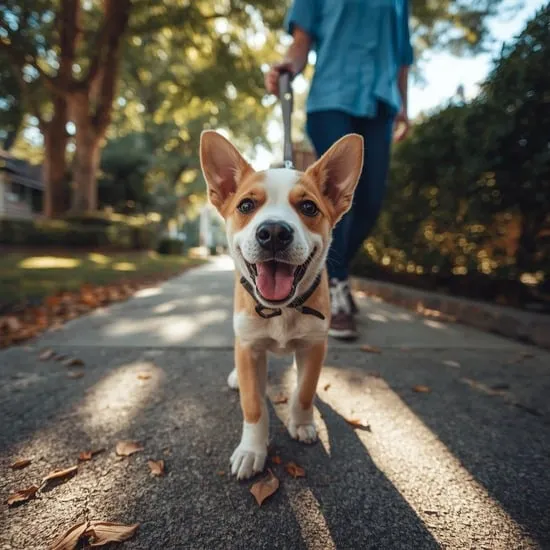
Walks are the perfect time for socialization. Exposing your puppy to new people, friendly dogs, and different environments helps prevent fear and anxiety later in life. Let them observe cars, bicycles, or children from a safe distance at first. Gradually, they’ll learn that the big, noisy world isn’t so scary after all.
One of my favorite memories is watching Bailey meet her first mail carrier. She barked at first, but after a few calm introductions and gentle pets, the two became best friends. Now, she waits by the door just to say hello!
Use Positive Reinforcement
Always make walks a positive experience. Bring your puppy’s favorite treats and reward good behavior—walking beside you, sitting calmly at a stop, or ignoring distractions. Praise them with your voice and gentle pats. Puppies respond best to encouragement, not correction.
Consistency is key. The more positive experiences your puppy has on walks, the faster they’ll learn what you expect. Over time, your pup will associate walks with joy, not confusion or stress.
Watch for Signs of Fatigue or Overstimulation
It’s easy to get caught up in the excitement, but puppies can get tired or overstimulated quickly. Signs include excessive panting, slowing down, or sitting suddenly. If you notice these, take a break or head home. Remember, puppies grow quickly—what feels easy one week might be too much the next.
Also, be mindful of the weather. Hot pavement can burn their paws, and extreme cold can be uncomfortable. Test the ground with your hand—if it’s too hot or cold for you, it’s too harsh for them.
Stay Patient and Consistent
Puppy walking takes time and repetition. Some days will be smooth; others may feel chaotic. Don’t get discouraged if your puppy pulls, stops, or gets distracted. These are all part of learning. Take deep breaths, stay calm, and celebrate small victories. With every walk, your puppy is growing, learning, and becoming more confident.
Bailey used to stop every few steps to sniff or chase a leaf. Now, she walks proudly beside me, tail wagging, eyes bright—it’s our favorite part of the day together.
Final Thoughts: Building Trust One Step at a Time
Walking your puppy isn’t just a routine—it’s a shared adventure filled with trust, love, and discovery. Every step strengthens your bond and teaches your pup that the world is a safe, exciting place. Be patient, stay positive, and remember to enjoy the journey. Because one day, those wobbly puppy steps will turn into confident strides by your side, and you’ll realize you’ve both grown together in the best possible way.
So, grab that leash, take a deep breath, and step outside. The world is waiting—and your puppy’s ready to explore it with you.