How to Speak Your Cat in a Way They’ll Understand
Let’s be honest: most of us talk to our cats like they’re tiny, furry humans. We tell them about our day, ask them questions, and even apologize when we step on their tail. But here’s the thing—cats don’t speak English. They communicate through a mix of body language, vocal tones, and ritual behaviors. If you want to actually have a conversation your cat gets, you need to learn their language first.
I’ve spent years decoding my own cat’s quirks—the slow blinks, the tail flicks, the meows that mean different things at different times. And I’ve realized that when I make the effort to speak in a way my cat understands, our bond gets so much stronger. It’s not about teaching them “sit” or “stay.” It’s about meeting them where they are. Ready to learn a few simple secrets? Let’s dive in.
Master the Slow Blink
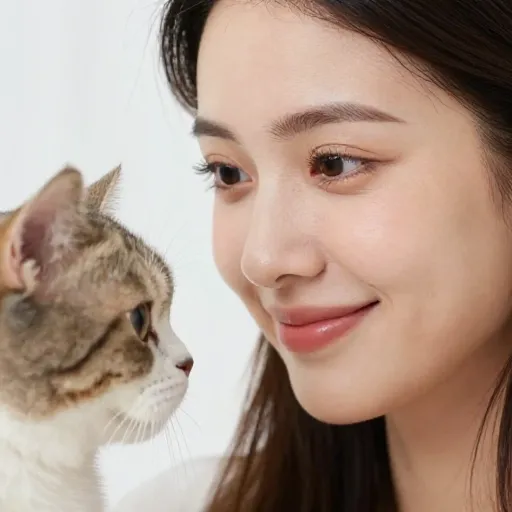
This is the closest thing to “I love you” in cat language. When your cat looks at you and slowly closes their eyes, they’re showing trust and affection. You can do it right back at them. It’s like a gentle smile in cat world.
Try this: when you’re relaxing together, catch your cat’s eye and give a long, slow blink. Hold it for a second or two. If they blink back, you just had a real moment. Do this a few times a day, and your cat will start to see you as part of their safe inner circle.
Don’t stare though. A hard, unblinking stare is a threat in cat language. Soft eyes only.
Use a High-Pitched, Friendly Voice
Cats respond better to higher-pitched sounds. Think of it like the way you’d talk to a baby—soft, lilting, and warm. When you call your cat’s name or greet them, try raising your pitch slightly. It signals that you’re happy and non-threatening.
Low, growly voices can make your cat uneasy. Save those for when you’re calling them away from danger—it’s a tone they’ll associate with urgency. But for everyday chats? Keep it light and bright.
I’ve noticed my cat’s ears perk up way more when I use my “happy voice.” It’s a small change that makes a big difference.
Respect the Tail Language
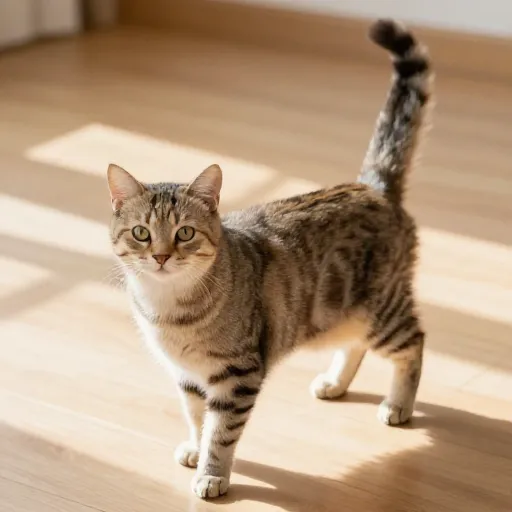
A cat’s tail is like a mood ring. A tail held high with a little curve at the tip means they’re feeling confident and friendly. That’s the perfect time to say hello. A puffed-up tail? That’s fear or anger—back off. A tail that’s twitching rapidly means they’re overstimulated or annoyed. Give them space.
When you approach your cat, watch their tail first. If it’s low or tucked, they’re not in a social mood. If it’s straight up, they’re open to interaction. You can even “talk back” by slowly raising your hand like a tail—it’s a weird but effective way to say “I’m friendly.”
Learning tail language stops so many misunderstandings. You’ll know exactly when to pet and when to leave them alone.
Speak in Short, Consistent Phrases
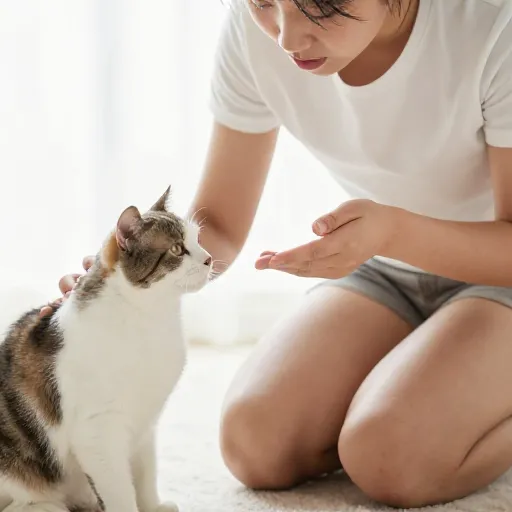
Cats don’t understand sentences. They learn by association. If you always say “dinner time” in the same cheerful tone before feeding them, they’ll learn that phrase means food. Keep it simple: “up,” “down,” “come here,” “no.” Use the same words every time.
Don’t add extra words or change the order. “Come here, sweetie” one day and “Come on, baby” the next just confuses them. Pick one phrase per action and stick with it. Your cat will start to recognize the sound pattern.
I use “treat time?” in a sing-song voice, and my cat comes running every single time. It’s not magic—it’s repetition.
Mirror Their Greeting Ritual
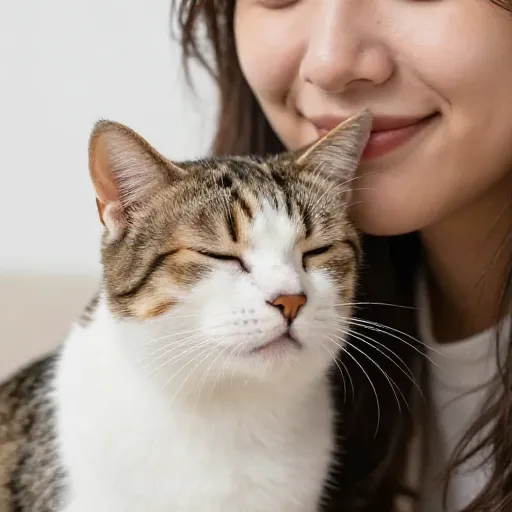
When you come home, your cat might rub against your legs or lift their tail. That’s their way of saying hello and marking you with their scent. You can respond by offering your hand for them to sniff first. Let them make the first move.
Then, give a gentle chin scratch or a slow blink. Don’t go in for a big hug or loud greeting—that can be overwhelming. Instead, match their energy. If they’re calm, you be calm. If they’re excited and meowing, you can meow back softly.
This mutual greeting builds trust. Over time, your cat will look forward to your return because they know you’ll speak their language.
Use Your Hands Gently and Predictably
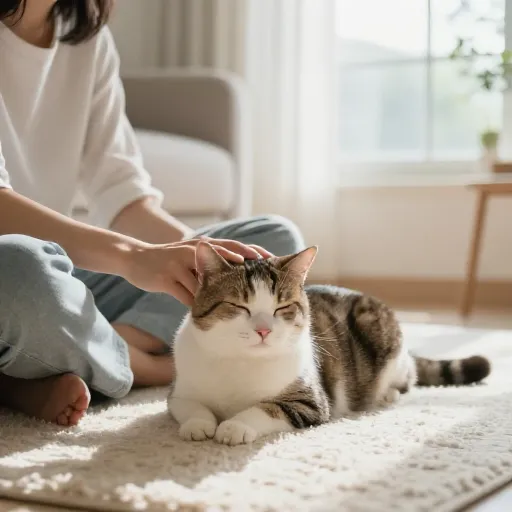
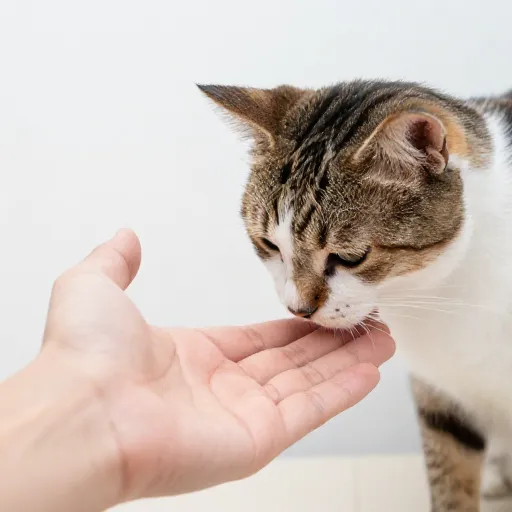
Cats are very sensitive to touch. A sudden grab or a pat on the head can feel scary. Instead, offer your hand slowly, palm down, and let them sniff it. Then, scratch under their chin or behind their ears—that’s where most cats love to be touched.
Avoid petting their belly unless you know they love it. Many cats see belly exposure as a trust signal, not an invitation to rub. If you pet too enthusiastically, you might get a gentle bite or a swat.
Always watch their body language while you pet. If their tail starts twitching or their ears flatten, stop. You’re basically saying “I respect your boundaries,” and cats remember that.
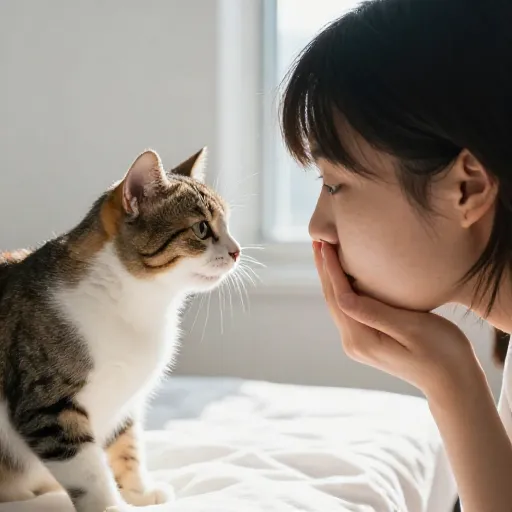
Imitate Their Sounds Back
Cats make a variety of sounds—meows, purrs, chirps, trills. A short, high-pitched meow usually means “hello” or “pay attention to me.” A trill is a happy, questioning sound. You can try mimicking these sounds back to your cat.
Don’t worry if you sound silly. My cat always perks up when I trill at her. It’s like I’m saying “Hey, what’s up?” in her language. Start with a simple meow when you enter the room. If they meow back, you’re having a real conversation.
Purring is trickier—it’s a low vibration sound. But you can try a soft, humming purr when you’re cuddling. Some cats find it soothing.
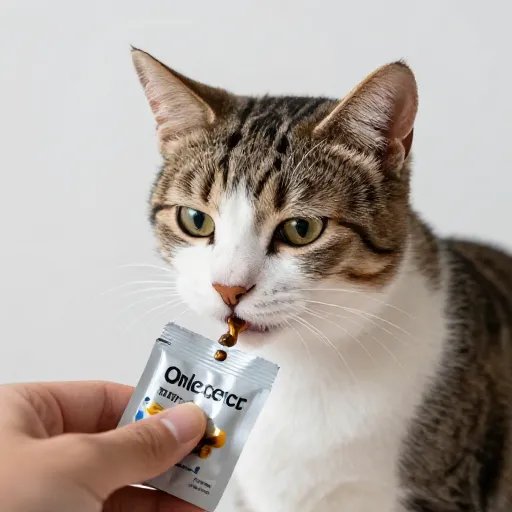
Create Routine with Sound Cues
Cats thrive on predictability. They learn to associate specific sounds with specific events. For example, shaking a treat bag or tapping a food bowl becomes a dinner signal. You can also use a clicker for training—click means “good job, treat coming.”
Try pairing a unique sound with something they love. I use a little bell when I’m about to play with my cat. Now, when she hears that bell, she gets excited and runs to her toy. It’s a clear, simple message.
Routine sounds reduce anxiety. Your cat knows what to expect, and that makes them feel safe and understood.
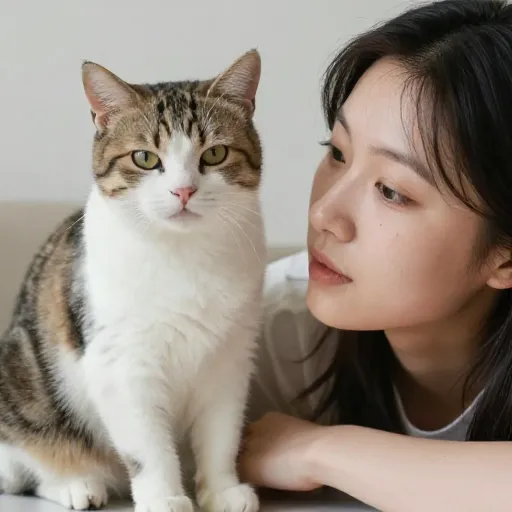
Don’t Overwhelm with Eye Contact
Direct, unblinking eye contact is aggressive in cat world. If you stare at your cat, they might feel threatened. Instead, look at them with soft, relaxed eyes. Blink slowly. Look away occasionally.
When you need to get their attention, try a gentle head tilt or a soft blink. If they avoid eye contact entirely, they might be feeling shy or stressed. Let them come to you.
I’ve learned that the less I stare, the more my cat approaches me. It feels counterintuitive, but it works every time.
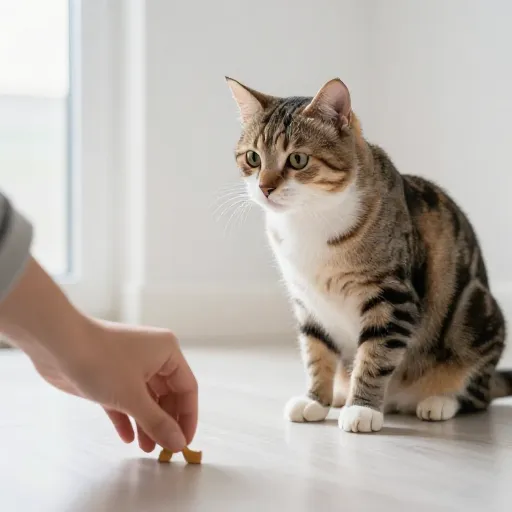
Reward the Behavior You Want
Positive reinforcement is the best way to communicate what you like. When your cat does something good—uses the scratching post, comes when called, sits calmly—reward them with a treat, a gentle pet, or a happy voice. They’ll connect that action with a good outcome.
Never punish by yelling or chasing. That just scares them and breaks trust. Instead, ignore the behavior you don’t want, and reward the behavior you do. Over time, your cat will learn what makes you happy.
This isn’t about training them to be a robot. It’s about building a two-way conversation where both of you feel heard and respected.
Conclusion
Speaking your cat’s language doesn’t require a PhD in animal behavior. It just takes a little observation, patience, and a willingness to meet them on their terms. Start with one or two of these tips—maybe the slow blink or the tail check—and see how your cat responds. You’ll be amazed at how much they’ll “talk” back when they feel truly understood.
Your cat already wants to connect with you. They’re just waiting for you to say it in a way they get. So go ahead—blink slowly, meow softly, and watch your bond grow deeper than you ever imagined.
FAQ
Can cats learn to understand human words?
Yes, but mostly through association. They connect specific sounds (like “treat” or “dinner”) with specific outcomes. They don’t understand full sentences, but they can learn dozens of words if you’re consistent.
Why does my cat meow at me but ignore me sometimes?
Meowing is often a greeting or a request. If they ignore you after meowing, they might just be saying hello without needing anything. Or they’re testing whether you’ll respond—which you should, in their language.
Is it okay to meow back at my cat?
Absolutely. It’s a fun way to bond. Just keep it soft and friendly. Don’t mimic angry or aggressive sounds. Most cats love it when their humans try to “talk” back.
Why does my cat bite me when I pet them?
That’s usually a sign of overstimulation. They’re saying “enough.” Watch for tail twitches, ear flattening, or skin ripples. Stop petting before they get overwhelmed. Respect their limits.
How long does it take for a cat to understand my signals?
It depends on the cat. Some pick up on slow blinks in days. Others take weeks. Be patient and consistent. The more you practice their language, the faster they’ll trust and respond to you.