When the Owner Dies, the Dog Gets Stuck in Time
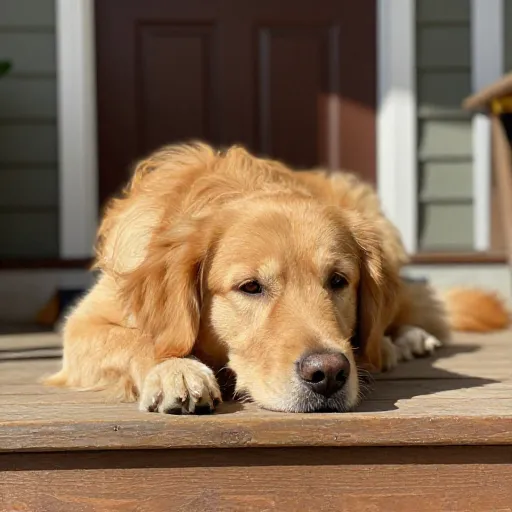
There’s a quiet heartbreak that lingers long after a dog loses its person. It’s not just grief – it’s confusion. A dog doesn’t understand death. They don’t know why the door doesn’t open at 5 PM, or why the familiar scent is fading from the favorite chair. They wait. They listen. They remember.
I’ve watched it happen with rescue dogs, with my neighbor’s golden retriever, and in so many stories shared online. When the owner dies, the dog gets stuck in time. Their world freezes at the moment of goodbye, and they live in a loop of waiting, hoping, and remembering. It’s both beautiful and devastating. Let’s explore what that really looks like – and what we can do to help them move forward.
The Waiting Game That Never Ends
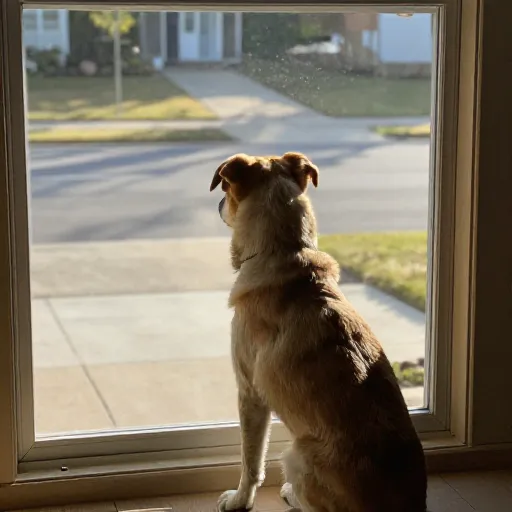
Dogs are creatures of habit. They know your schedule, your footsteps, the sound of your car. When you suddenly disappear, they don’t assume you’re gone forever. They assume you’re late.
I’ve seen dogs sit by the door for hours, days, even weeks. They perk up at every sound, thinking today might be the day you come back. It’s not denial – it’s loyalty wired into their bones. They don’t have a concept of finality. They just have hope.
This waiting can turn into a kind of frozen grief. The dog stops exploring, stops playing, stops fully living. They’re stuck in that last moment of love, waiting for it to continue.
How Grief Looks Different in Dogs
Dogs don’t cry tears or write sad poems. Their grief shows up in small, quiet ways. You might notice they sleep more, eat less, or lose interest in walks. Some dogs develop separation anxiety, even if they never had it before.
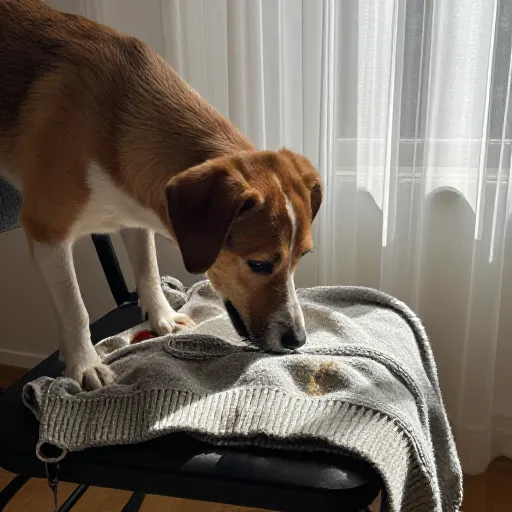
I once fostered a beagle whose owner passed away. He would carry an old sweater to his bed every night and curl up on it. That sweater was his time machine – it still smelled like home. He wasn’t trying to be dramatic. He was just holding onto the only piece of his person left.
These behaviors aren’t just sadness. They’re signs that the dog is emotionally stuck. They’re living in a loop of memory, unable to process that the loop has ended.
The Science of Scent and Memory
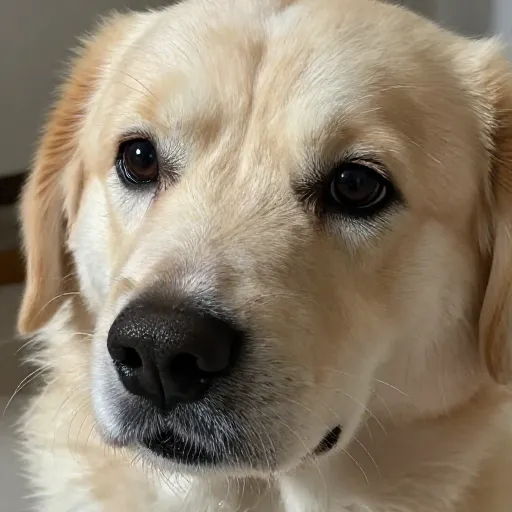
A dog’s world is built on smell. When you die, your scent doesn’t vanish overnight. It lingers on clothes, furniture, and in corners of the house. To a dog, that scent means you’re still here – just maybe in another room.
As the scent slowly fades, the dog gets confused. They might search the house, sniff under doors, or whine at nothing. It’s like watching someone read the same page over and over, hoping the ending will change.
This is why familiar objects become so precious. A blanket, a shoe, a worn-out pillow – these hold the last traces of the person they loved. The dog clings to them because letting go means admitting you’re gone.
Why Some Dogs Refuse to Move On
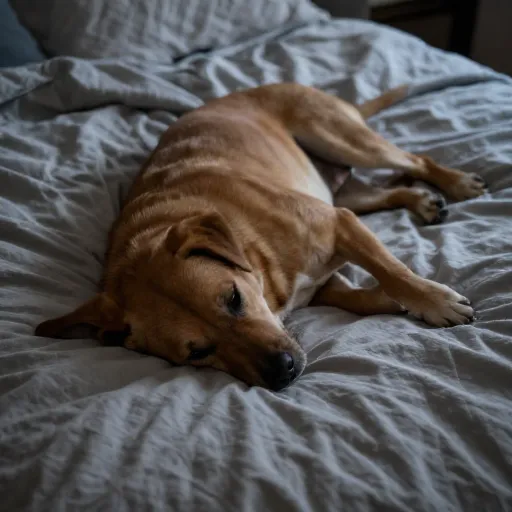
Not every dog grieves the same way. Some bounce back quickly with a new family. Others seem to make a conscious choice to stay frozen. I’ve seen dogs who refuse to enter a room their owner used to sit in. Others will only sleep on the bed, never the floor.
This isn’t stubbornness. It’s a kind of sacred loyalty. The dog is guarding the memory of their person. They don’t want to forget the routine, the spot on the couch, the way the door creaked when you came home.
Moving forward feels like betrayal to them. So they stay stuck, because staying stuck feels like keeping you alive.
How Other Pets React to a Grieving Dog
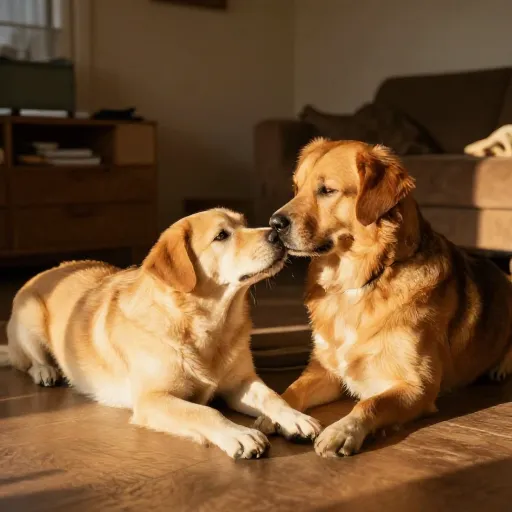
If there are other pets in the house, they often pick up on the tension. Cats might become clingy. Other dogs might try to comfort the grieving one by licking or staying close. But sometimes, they just get confused too.
I’ve watched a pair of bonded dogs where one lost their owner. The surviving dog became hypervigilant, always looking toward the door. The other dog, a younger one, tried to play but gave up when no one responded. They both got stuck – just in different ways.
The household energy shifts. Silence fills the space where routines used to live. The dog isn’t the only one stuck in time. The whole home becomes a museum of what used to be.
Signs Your Dog Is Stuck in Grief
It’s not always obvious. Some dogs hide it well. But there are signs you can look for if you’re caring for a dog who lost their owner. They might stop greeting you at the door. They might lose interest in treats or toys they used to love.
- Sleeping in unusual spots, like closets or under furniture
- Excessive licking or pacing
- Refusing to go outside or eat
- Whining or barking at nothing
- Clutching a specific object, like a shoe or blanket
These aren’t just bad habits. They’re cries for help. The dog is trying to tell you they’re lost in a timeline that no longer exists.
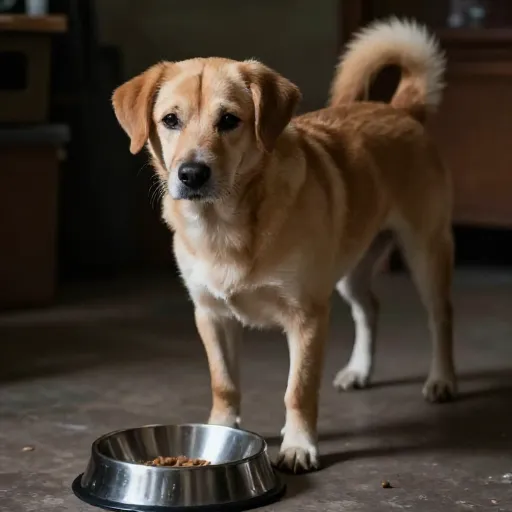
Helping a Dog Move Forward Without Forgetting
The goal isn’t to make the dog forget. That would be cruel. The goal is to help them integrate the loss into their new reality. You can’t erase the love, but you can help them find new reasons to wag their tail.
Start with small routines. Feed them at the same time every day. Take them on short, predictable walks. Let them keep a comfort object, like a shirt or blanket, but gradually introduce new smells and spaces.
Patience is everything. Some days the dog will seem fine. Other days they’ll regress. That’s okay. Grief isn’t linear, even for dogs. You’re not replacing their person – you’re offering a new chapter.
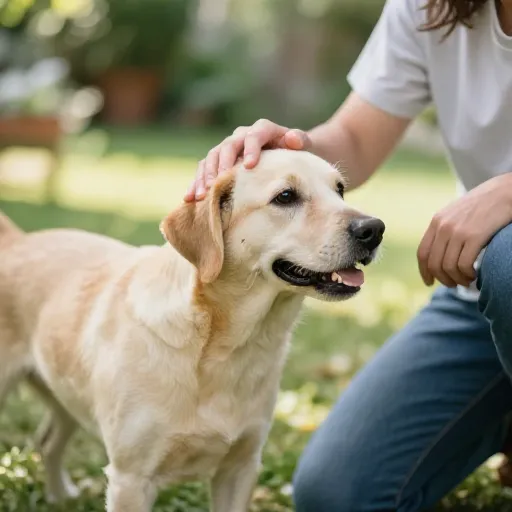
The Role of Routine in Healing
Dogs thrive on predictability. When their world falls apart, routine becomes an anchor. If you’re caring for a grieving dog, try to keep their schedule as consistent as possible. Same walks, same meal times, same bedtime rituals.
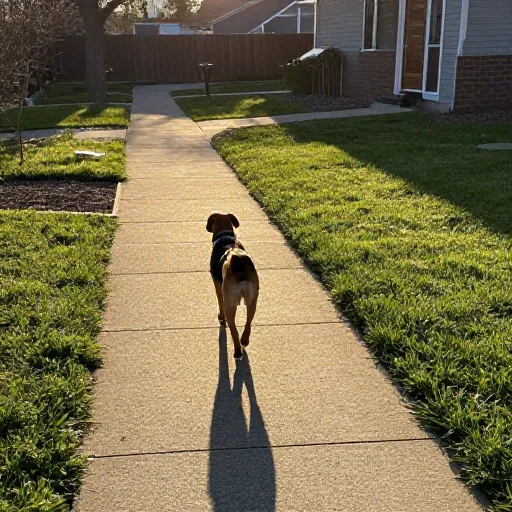
I’ve seen miracles happen with a simple morning walk. The dog starts to anticipate the fresh air, the smells, the routine. Slowly, the present moment becomes more interesting than the past.
Routine doesn’t erase grief, but it gives the dog something to hold onto. It tells them: life is still happening. You are still loved. You are not alone.
When to Seek Professional Help
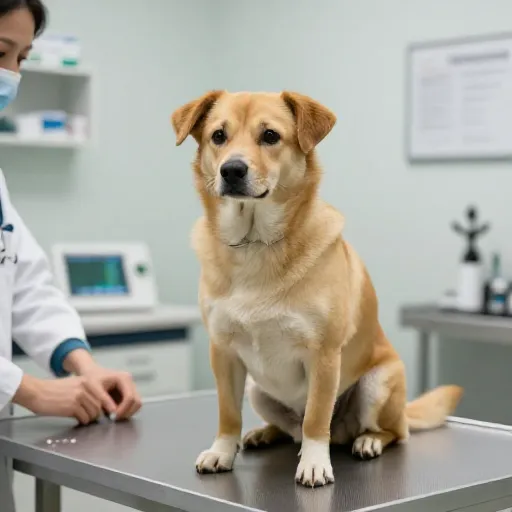
Some dogs get so stuck that they stop eating, stop drinking, or become aggressive. This isn’t just sadness – it’s a crisis. If a dog refuses food for more than two days, or shows signs of severe depression, it’s time to call a vet.
There are also animal behaviorists who specialize in grief. They can create a plan to help the dog slowly re-engage with life. Sometimes medication is needed, and that’s okay. It’s not giving up – it’s helping the dog find a way out of the loop.
You don’t have to fix everything alone. Asking for help is an act of love.
How Long Does Dog Grief Last?
There’s no set timeline. Some dogs bounce back in a few weeks. Others take months or even years. The key is to watch the trends, not the day-to-day. Is the dog slowly eating more? Are they starting to wag their tail again? Those are signs of progress.
I’ve seen dogs who never fully move on. They always carry a little sadness, like a scar. But they learn to live again. They learn to love new people. They just never forget the old one.
And maybe that’s okay. Maybe being stuck in time isn’t a flaw – it’s proof of a bond so deep that it bends the rules of time itself.

Conclusion
When the owner dies, the dog gets stuck in time. But time doesn’t have to be a prison. With patience, love, and a little help, we can gently guide them back to the present. Not to replace what they lost, but to remind them that life still holds joy.
If you’re caring for a grieving dog, be kind to yourself too. You’re doing hard, beautiful work. And every small step forward – a wag, a play bow, a peaceful nap – is a victory. The dog may always carry the memory of their person, but they don’t have to live in the past forever.
Frequently Asked Questions
Can a dog die from grief?
While rare, severe grief can lead to refusal of food and water, which can be life-threatening. If your dog stops eating for more than two days, contact a vet immediately.
Should I get another dog to help a grieving dog?
Not right away. Some dogs benefit from a new companion, but others feel overwhelmed. Wait until the grieving dog shows signs of stability before introducing a new pet.
How can I tell if my dog is grieving or just sick?
Grieving dogs usually show a combination of behavioral changes (like searching, whining, or loss of interest) without physical symptoms like vomiting or diarrhea. If in doubt, see a vet.
Do dogs understand death?
Dogs don’t understand death the way humans do. They sense absence and change, but they don’t grasp permanence. That’s why they wait – they don’t know the waiting is forever.
Can a dog ever fully recover from losing an owner?
Recovery looks different for every dog. Many learn to love and trust again, but they never forget their first person. The goal isn’t to erase the past – it’s to make peace with the present.