Bringing Home Your Cocker Spaniel Puppy: A Truly Joyful Guide

There is something so special about the moment you decide a Cocker Spaniel puppy is joining your life. I still remember those big, dark eyes and those floppy ears that seem to have a mind of their own. They are pure bundles of joy, but they also come with a lot of soft fur and a whole lot of heart.
Before that little paw steps through your door, I want to share what I have learned. This is not just about buying a bed and a bowl. It is about setting you both up for a happy, calm, and beautifully messy life together. Let’s walk through the real stuff.
From potty training to those silky ears, I have gathered the most practical advice. Think of this as a chat with a friend who has been through the puppy chaos and come out smiling on the other side.
1. Choosing the Right Puppy for Your Home
Not every puppy is the same, even within the same litter. I always suggest watching them play for a while. Look for the one who is curious but not overly wild. A balanced pup often makes a balanced family member.
Meet the parents if you can. Their temperament tells you a lot about what your puppy will be like later. A calm mother usually raises calm babies.
Think about your own energy. If you love long hikes, a more active pup might be your match. If you prefer cozy evenings, a snuggly, mellow puppy is pure gold.

2. Puppy-Proofing Your Space Like a Pro
Cocker Spaniels are curious little explorers. They will find that tiny sock under the couch. They will nibble on a charging cable if you blink. I learned this the hard way.
Start by getting low. Crawl around your floors and look for anything tempting. Shoes, plants, and low-hanging tablecloths are all fair game to a puppy.
Use baby gates to block off rooms or stairs. Keep trash cans behind a cabinet door. A safe space means less stress for you and no trips to the vet for a tummy ache.

3. The First Night: Making It Gentle
That first night away from mom and siblings is hard. Your puppy might cry, and your heart will break a little. It is okay. I promise it gets better.
Place a warm water bottle wrapped in a towel near their bed. A ticking clock can mimic a mother’s heartbeat. It is a simple trick that works wonders.
Stay close but don’t rush in at every whimper. Let them learn that their new bed is safe. A few nights of patience gives you a confident pup for years.

4. Potty Training Without the Drama
Consistency is your only friend here. Take your puppy out first thing in the morning, after every meal, and after every nap. Do not wait for them to ask. They won’t.
Pick a specific spot outside. The smell will remind them what to do. Praise them like they just won an award when they go there.
Accidents will happen. Do not yell. Clean with an enzyme cleaner so they don’t return to the same spot. Keep a log for a few days to spot their natural schedule.
5. Feeding Your Growing Spaniel
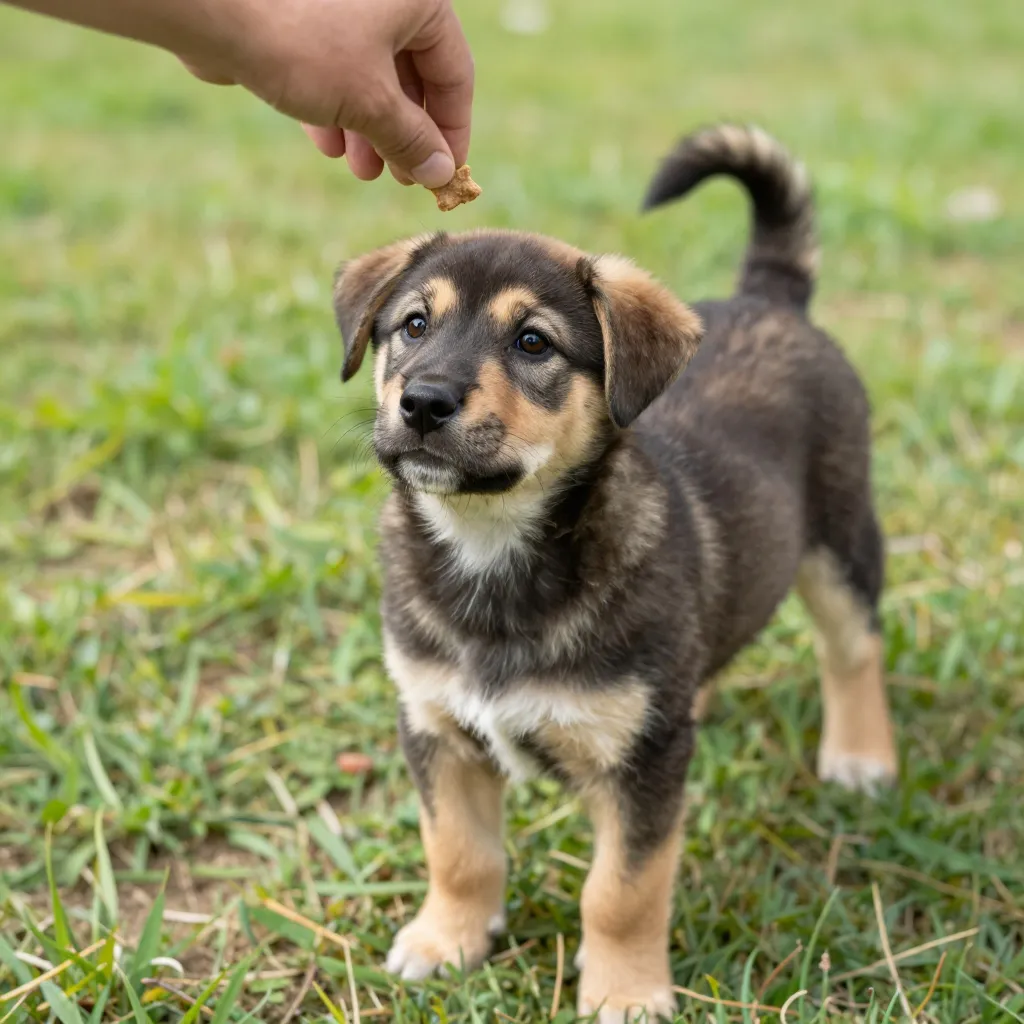
Puppies need small, frequent meals. I feed mine three times a day until about six months old. Then I switch to two meals. It keeps their energy steady and their tummies happy.
Choose a high-quality puppy food with real meat first. Cocker Spaniels can be prone to food allergies, so watch for itchy ears or paws. A simple diet is often the best.
Do not free-feed. Scheduled meals make potty training easier and help you notice if they lose their appetite early. Fresh water should always be available though.

6. Grooming Those Beautiful Ears and Coat
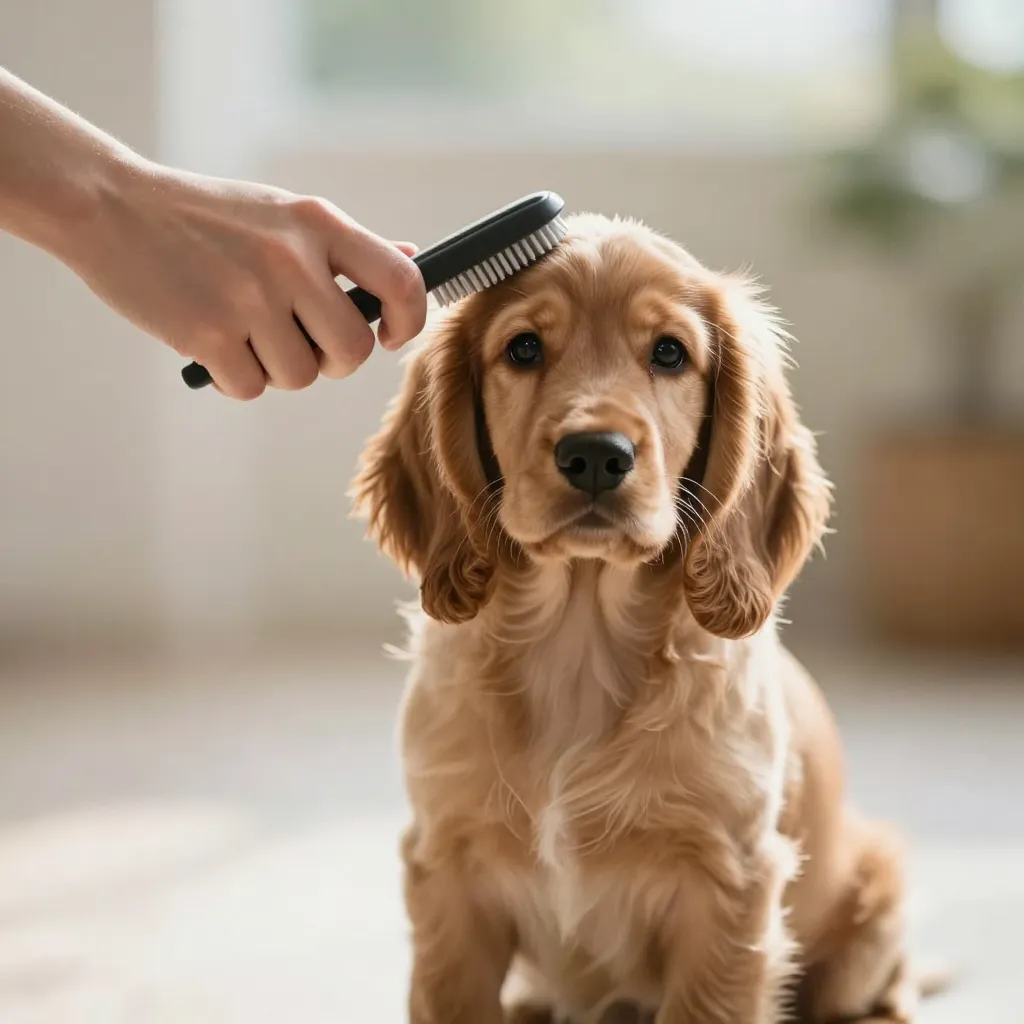
Those long, silky ears are gorgeous, but they are also magnets for dirt and moisture. I check my puppy’s ears every single day. A quick wipe with a vet-approved cleaner prevents infections.
Brush their coat a few times a week. Cocker fur mats easily, especially behind the ears and under the legs. Start slow, make it a cuddle session, and use a slicker brush.
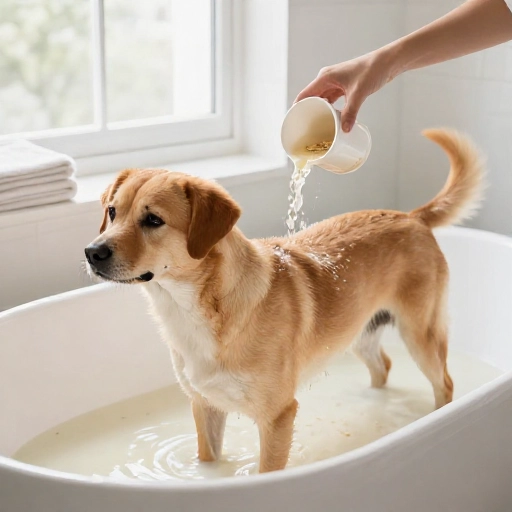
Bathe only when needed. Too many baths strip their natural oils. A professional groomer every six to eight weeks keeps them looking sharp and feeling fresh.
7. Socializing Without Overwhelming Them
Socialization is not just about meeting other dogs. It is about the world. Let your puppy hear the vacuum, see a bicycle, and walk on different surfaces. Keep it positive.
Introduce them to calm, vaccinated adult dogs first. Puppy classes are wonderful for learning manners in a safe space. Go at your puppy’s pace.
Never force a scared puppy into a situation. Let them watch from a distance and reward brave moments. A confident Cocker is a happy companion.

8. Basic Training with Treats and Love
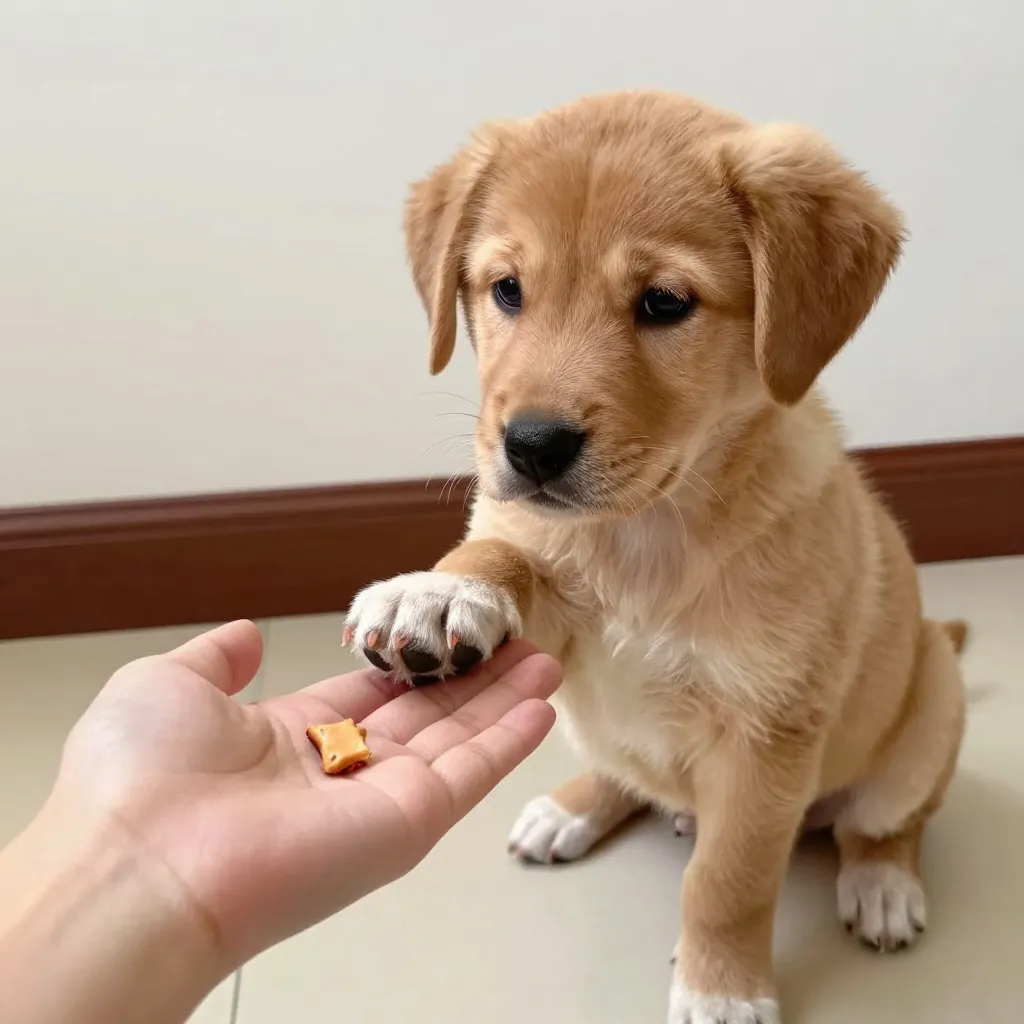
Cocker Spaniels are people-pleasers. They learn best with gentle guidance and tasty rewards. Start with “sit,” “stay,” and “come.” Keep sessions short, just five minutes.
Use a happy voice. They respond to your energy much more than your words. If you are frustrated, take a break. Training should feel like a game.
Practice in different rooms and outside once they have the basics down. Real-life practice is what makes the behavior stick. And always end on a success.
9. Exercise Needs for a Happy Pup
These dogs have a surprising amount of energy. A short walk and some fetch time each day keeps them from getting bored. A tired puppy is a well-behaved puppy.
But don’t overdo it. Their joints are still growing. Stick to soft surfaces and avoid forced running until they are over a year old. Let them set the pace.
Mental games are just as tiring. Hide treats around the house or use a puzzle toy. It wears them out faster than a walk sometimes.

10. Health Checks Every Owner Should Know
Regular vet visits are non-negotiable. Your puppy needs their vaccinations and worming on schedule. Find a vet you trust early on.
Watch for signs of ear infections: shaking their head, scratching, or a funny smell. Cocker Spaniels are prone to this. Keep those ears dry and clean.
Check their eyes for redness and their weight regularly. A healthy Cocker is active and has a shiny coat. Trust your gut. If something feels off, call your vet.

Bringing a Cocker Spaniel puppy into your life is one of the most heartwarming decisions you can make. They will fill your home with laughter, a little bit of fur, and so much love. Take it day by day, be patient with the mess, and enjoy every single puppy moment because they grow up fast.
You have got this. Your little floppy-eared friend is lucky to have you.
Frequently Asked Questions
How much grooming does a Cocker Spaniel puppy need?
They need brushing a few times a week and professional grooming every 6 to 8 weeks. Daily ear checks are very important to prevent infections.
Are Cocker Spaniel puppies easy to train?
Yes, they are very eager to please. They respond best to positive reinforcement and short, fun training sessions. Patience is key.
When should I start socializing my puppy?
Start as soon as your vet gives the okay, usually after their first vaccines. Gentle exposure to new people, places, and calm dogs is ideal.
What is the best food for a Cocker Spaniel puppy?
Look for a high-quality puppy food with real meat as the first ingredient. Avoid fillers and watch for any signs of food allergies.
How much exercise does a Cocker Spaniel puppy need?
About 20 to 30 minutes of play and walks per day, broken into short sessions. Mental games and training also help tire them out.