10 Genius Dog Yard Landscaping Ideas That Look Amazing (And Survive Zoomies)
Let’s be real—I love my dog more than my lawn, but that doesn’t mean I want our backyard to look like a dirt pit with a water bowl in the middle. For years, I struggled with dead grass patches, muddy paw prints on the patio, and a fence line that looked like a racetrack.
The good news? You don’t have to choose between a beautiful outdoor space and a happy pup. I’ve spent way too many weekends testing (and failing) at landscaping, and I finally cracked the code. These ten ideas are the real deal—they’re stylish, practical, and built to handle the chaos of a dog who thinks the yard is a NASCAR track.
Whether you have a tiny city patch or a sprawling countryside lot, these tips will help you create a space that’s just as much for Fido as it is for your Sunday morning coffee. Let’s dig in.
1. Build a “Bark Path” with Pea Gravel
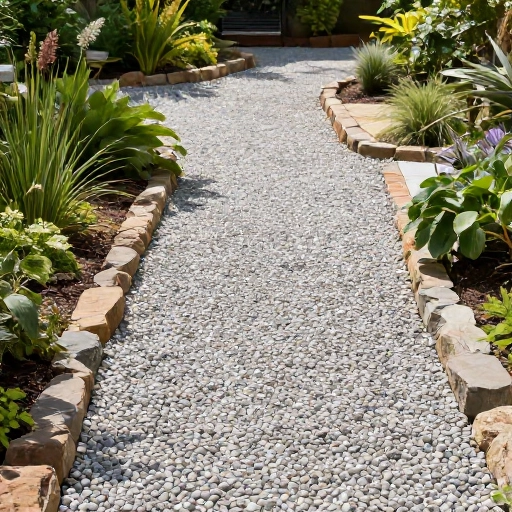
I used to have a dirt strip along the fence where my pup ran laps every single day. It was a muddy mess after rain. The easiest fix? A dedicated running path made of pea gravel. It drains super fast, so no more muddy paws.
Pea gravel is comfortable on dog paws because the stones are smooth and rounded. It’s also a lot softer to land on than concrete when they make those sharp turns. Plus, it adds a nice texture contrast to a grassy lawn.
Pro tip: Lay down a weed barrier fabric underneath to keep the weeds from poking through, and edge it with steel or stone to keep the rocks contained. You’ll have a clean, modern track that also looks intentional.
2. Install a “Paw-Washing” Station Near the Door
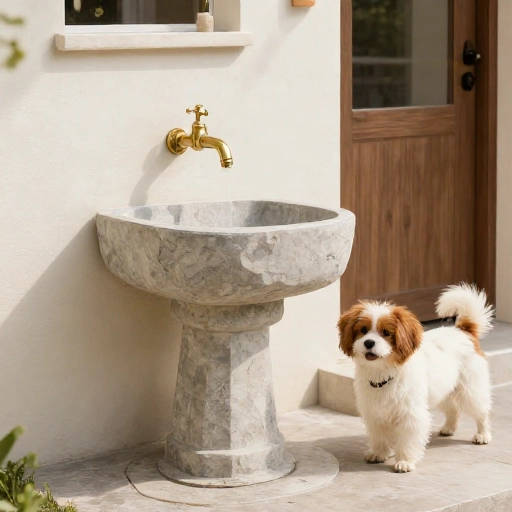
I cannot tell you how many times I’ve scrubbed mud off the walls (and my dog) after a rainy day. A dedicated paw-washing station at the back door is a game-changer. You don’t need a fancy plumber—just a simple, shallow basin with a foot pedal or a low-flow hose attachment.
Build a small gravel or pebble pad around the station so the water drains away and your dog isn’t standing in a puddle. You can hide the hose inside a cute wooden box or a decorative planter to keep it looking neat.
Make it a habit: teach your pup to sit on the mat before coming inside. It’s a tiny bit of training that saves you hours of cleaning. And honestly, it looks like a chic outdoor shower for your furry friend.
3. Choose Clover Instead of Grass
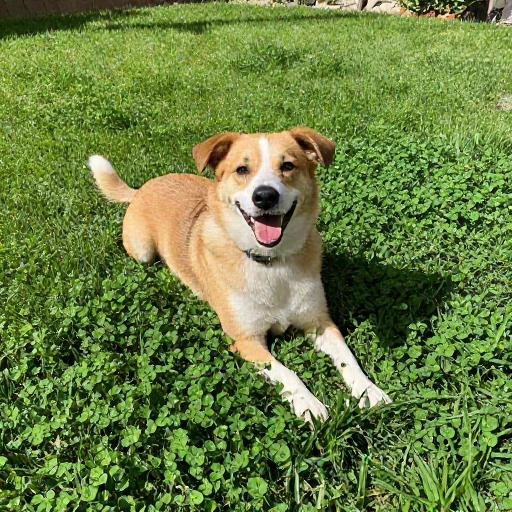
If you’re tired of patching up dead spots where your dog pees, it’s time to ditch the traditional turf. I switched my backyard to microclover, and it’s been a lifesaver. Clover is incredibly resilient, handles heavy traffic, and stays green even when dogs do their business on it.
Unlike grass, clover doesn’t need harsh chemical fertilizers to look lush. It grows low, so you don’t have to mow it as often—saving you time and keeping your dog’s paws away from pesticides.
It also self-seeds, so it fills in the bare spots naturally. It’s soft underfoot, looks vibrant, and is basically the lazy gardener’s dream. Give it a try; your lawn will thank you.
4. Create a “Dig Pit” Filled with Sand
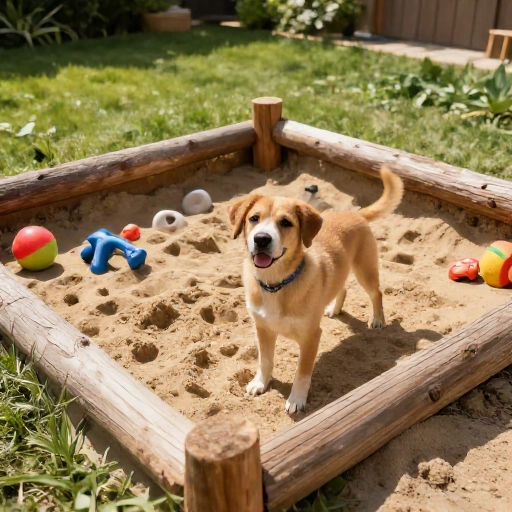
My terrier once dug a hole so deep I thought he was trying to reach China. Instead of fighting the instinct, I gave him a designated digging zone. A sandbox or a wooden-framed pit filled with play sand is the perfect solution.
Bury some toys and bones in the sand to encourage him to dig there instead of under your prized rose bush. The sand is easy to rake back into place, and it doesn’t stick to paws as bad as mud.
Make it look cute by framing it with untreated lumber and adding a small awning or shade sail over it. It’s a fun, interactive element for your dog and a tidy spot for you. Just make sure to cover it when it rains to keep the sand dry.
5. Use Artificial Turf for High-Traffic Zones
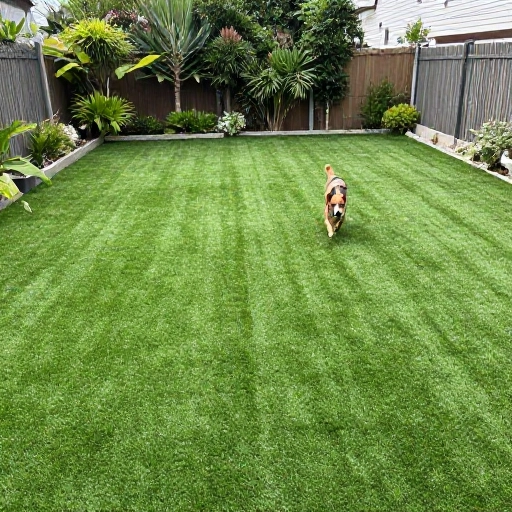
I know, artificial turf can feel a bit “plastic,” but hear me out. For a small, high-traffic area—like the strip right off the patio—it’s amazing. It never gets muddy, it’s always green, and it handles the zoomies like a champ.
Modern pet-friendly turf has built-in drainage for urine, and you can clean it with a simple enzyme spray. It’s also soft and cushiony, which is easier on senior dogs’ joints compared to concrete or pavers.
Use it as a “launchpad” area. Pair it with a border of real plants and shrubs to soften the look. It’s the perfect compromise between a pristine lawn and a dog-friendly surface.
6. Plant “Dog-Safe” Borders with Tall Grasses
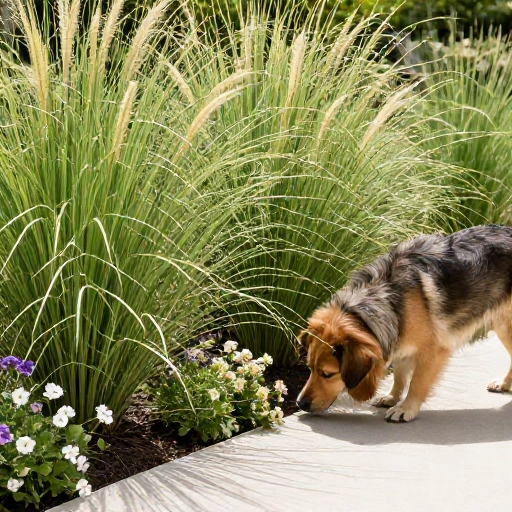
Dogs love to run along the fence line, so why not make that area a sensory garden? I planted a border of tall, ornamental grasses like switchgrass and fountain grass. They sway in the wind, which drives my dog crazy in a good way—he loves to sniff and bounce through them.
These grasses are hardy, don’t require much water, and create a soft, natural barrier. They’re also non-toxic, which is crucial since dogs will chew on anything. Just make sure to check the specific species before planting.
It gives your yard a soft, wild, and luxurious feel while hiding the fence. Plus, the rustling sound is super peaceful for you. It’s a win-win for the eyes and the nose.
7. Add a Splash Pad or Shallow Water Feature
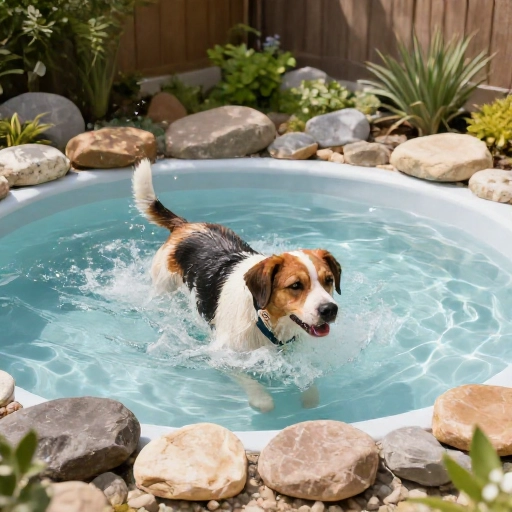
If your dog is a water lover like mine, a splash pad is the ultimate luxury. You don’t need a full pool—just a simple, flat stone pad with a small fountain or a hose attachment that creates a shallow spray.
It keeps them cool in the summer and provides endless entertainment. The water drains right into the gravel or grass below, so you don’t have a swamp. It’s surprisingly easy to DIY with a PVC pipe and a few sprinkler heads.
Bonus: It looks like a modern water feature when it’s turned off! You can use large flagstones or concrete pavers set slightly apart so the water sinks into the ground.
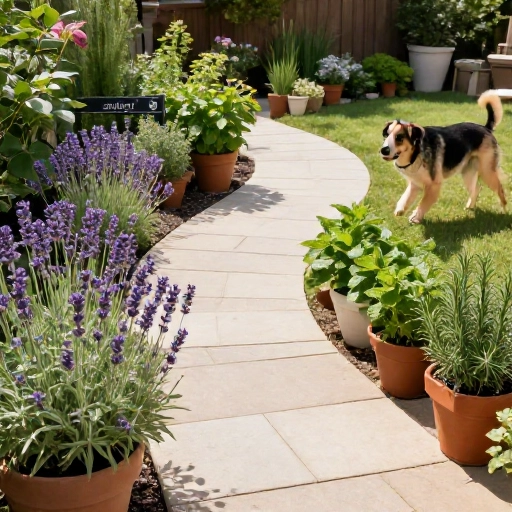
8. Install a “Sniffari” Zone with Scented Herbs
Dogs explore the world with their noses, so give them a buffet of smells. I created a small dedicated bed filled with dog-safe, aromatic herbs like rosemary, mint, and lavender. It’s like a “Sniffari” for my pup.
These herbs are tough, smell amazing, and are safe if ingested in small amounts. They also repel some insects naturally, which is a bonus. Plant them in a raised bed or a container to keep them from getting trampled.
The scent is calming for dogs, too. It’s a little slice of aromatherapy for them. And for you, it’s a beautiful, fragrant garden that looks gorgeous and requires minimal upkeep.
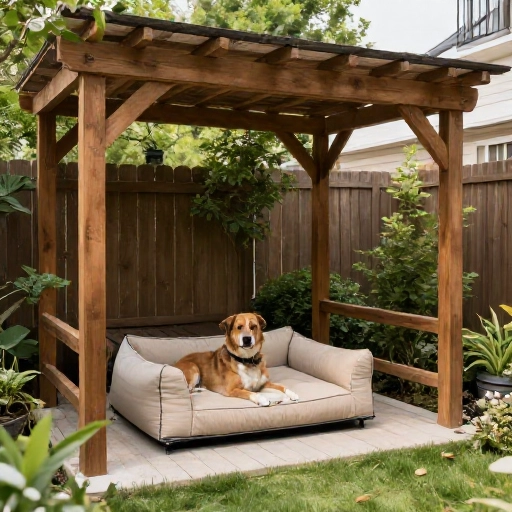
9. Build a Shaded “Chill Zone” with a Pergola
Dogs can overheat fast, even when they’re just lounging. I built a small pergola over our patio corner and hung a shade sail. Underneath, I placed a cooling mat and a big water bowl. It’s become the official “time-out” spot.
This gives your dog a place to retreat from the sun without having to go inside. It also protects your outdoor furniture from the elements. You can add some climbing vines like clematis or honeysuckle to provide extra shade and beauty.
It’s a chic addition that makes the yard feel like a resort. Plus, it gives you a nice, shaded place to sit and watch your dog do absolutely nothing.
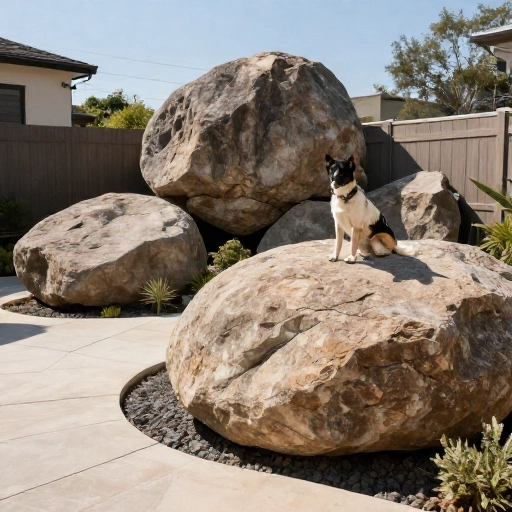
10. Use Large, Smooth Boulders for Texture
Instead of fragile flower beds, I incorporated large, smooth river boulders into the landscape. They’re indestructible, they look natural, and they serve as great “lookout” points for dogs who like to survey their kingdom.
Place them strategically around the yard to break up large areas of grass or to line pathways. They also prevent digging at the base of fences. The smooth surface is safe for paws and won’t get too hot, unlike dark pavement.
These boulders add a ton of visual weight and stability to the design. They require zero maintenance and will outlast everything else in your yard. It’s the ultimate set-and-forget landscaping hack.
Wrapping It Up
Designing a yard for a dog isn’t about giving up on aesthetics—it’s about working smarter. By choosing durable materials and creating dedicated zones for play, digging, and lounging, you can have a yard that’s both beautiful and functional.
Start with one or two of these ideas that fit your space and your dog’s personality. Trust me, the peace of mind (and the lack of mud in your kitchen) is worth it. Your pup will love the new playground, and you’ll love that it actually looks good.
Happy landscaping, and give your furry friend a scratch behind the ears for me!
FAQ: Dog Yard Landscaping
Q: What is the best ground cover for dogs?
A: For heavy traffic, microclover or artificial turf are the best options. For pathways, pea gravel is excellent because it drains well and is comfortable on paws.
Q: How do I stop my dog from digging up my plants?
A: Create a dedicated dig pit filled with sand and bury toys in it. Also, use raised beds or large boulders to physically block access to your prized plants.
Q: Is artificial turf safe for dogs?
A: Yes, modern pet-friendly turf is safe. It’s non-toxic, provides good drainage, and is easy to clean with enzyme disinfectants. It’s also softer than concrete for joints.
Q: What plants are toxic to dogs that I should avoid?
A: Avoid common plants like sago palm, azaleas, tulips, and oleander. Always double-check with the ASPCA list before planting anything new in your yard.
Q: How can I keep my dog’s paws clean without a full bath?
A: Install a paw-washing station near the door with a shallow basin and a hose. You can also keep a bucket of warm water and a towel by the door for quick wipe-downs.