DIY Dog Urine Odor Remover That Actually Works
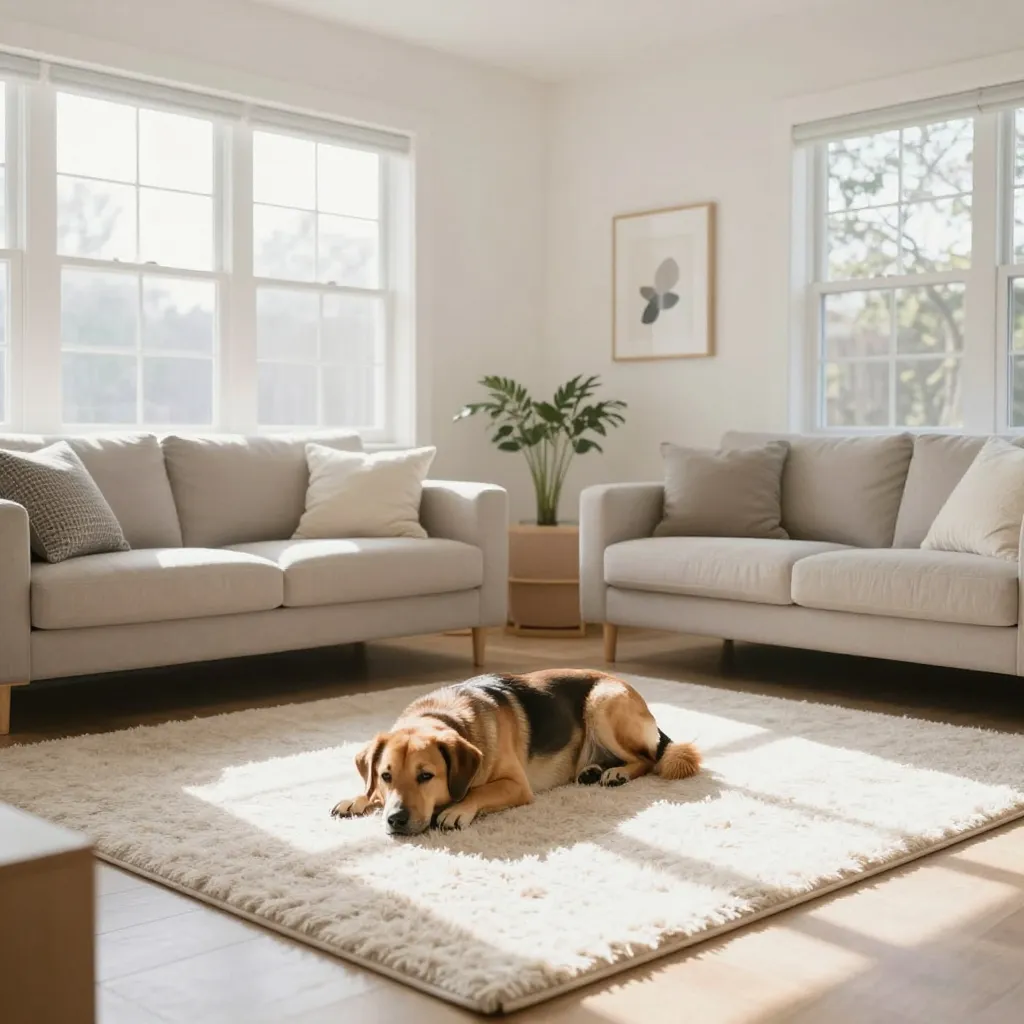
Let me guess—you love your dog more than anything, but that lingering pee smell? Not so much. I’ve been there, scrubbing carpets at midnight, wondering if my house would ever smell fresh again. Store-bought sprays are expensive and full of mystery chemicals. Good news: you can fix this with stuff you already have in your pantry.
I tested dozens of homemade recipes over the years, and I’m sharing only the ones that truly work. These DIY odor removers tackle the problem at its source—breaking down uric acid crystals instead of just covering them up. Your home will smell clean, and your dog won’t be tempted to re-mark the same spot.
Before we dive in, a quick note: never use ammonia-based cleaners on pet urine. Ammonia smells like pee to dogs, and they’ll think it’s a bathroom sign. Stick to these natural formulas instead.
1. The Classic Vinegar and Baking Soda Combo
This is my go-to recipe for fresh urine stains on carpets or upholstery. It’s cheap, non-toxic, and surprisingly powerful.
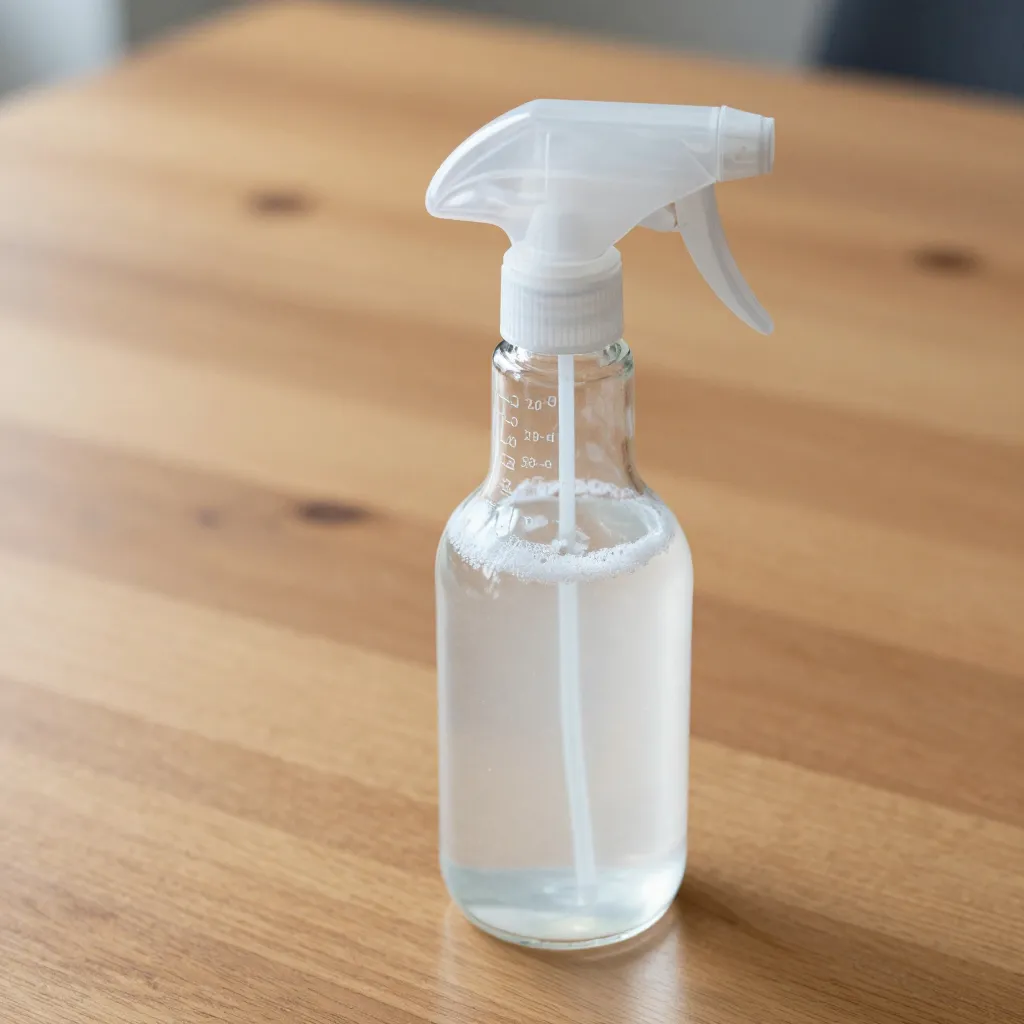
Blot up as much urine as possible with paper towels. Sprinkle baking soda generously over the damp spot. Mix one part white vinegar with one part water in a spray bottle. Mist the baking soda until it fizzes—that reaction lifts the odor molecules right out of the fibers.
Let it sit for 15 minutes. Blot again, then vacuum once dry. For old stains, let the baking soda sit overnight before vacuuming.
2. Hydrogen Peroxide and Dish Soap Deep Clean
When vinegar isn’t enough, this solution is my heavy hitter. Use it on stubborn, set-in stains on carpets or concrete floors.
Mix 1 cup of 3% hydrogen peroxide with 1 teaspoon of dish soap (I use blue Dawn) and 1 tablespoon of baking soda. Pour it over the stain and work it in gently with a soft brush. Let it sit for 10–15 minutes, then blot thoroughly.
Test on a hidden spot first—hydrogen peroxide can lighten some fabrics. This formula breaks down uric acid crystals that cause lingering smells, even on old accidents.
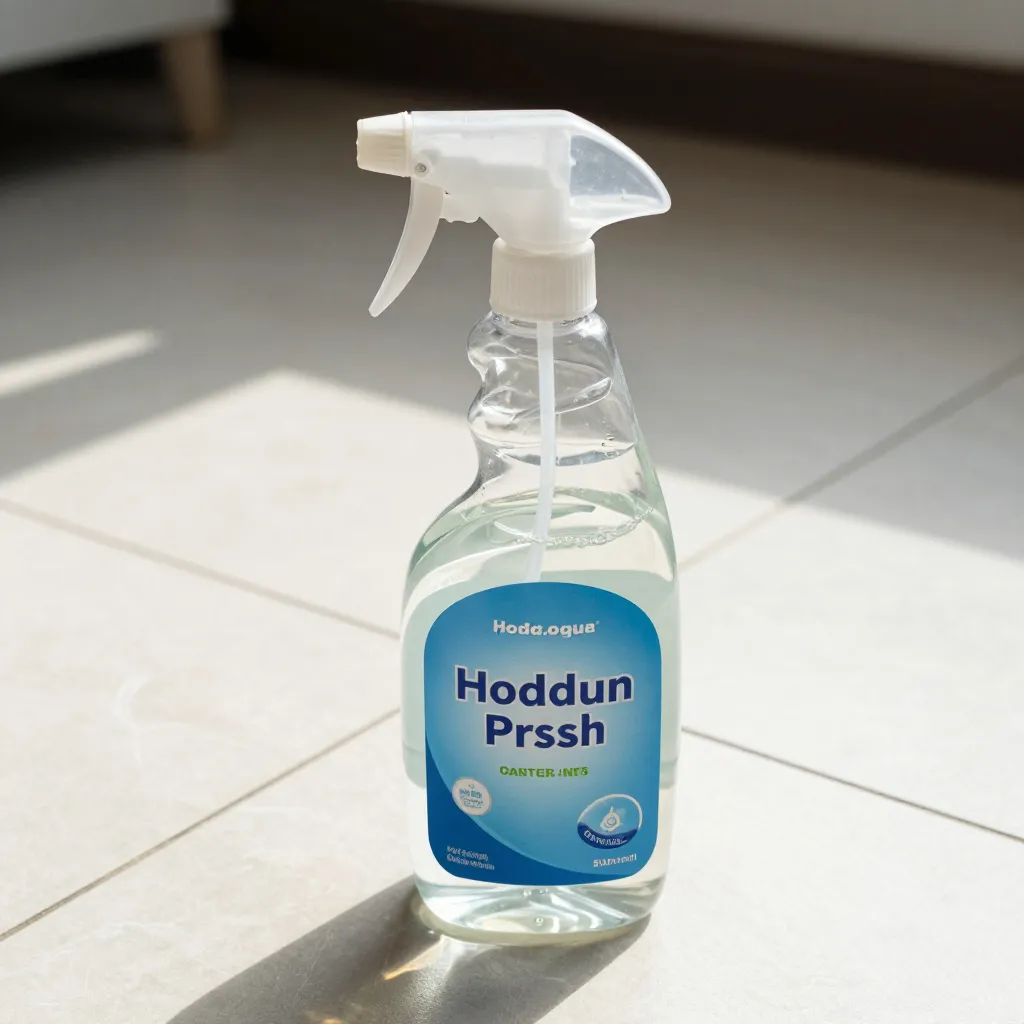
3. Enzyme Cleaner with Household Ingredients
Enzymes eat away at urine proteins, which is why they’re so effective. You can make a basic version at home without buying specialty products.
Take a citrus peel (orange or lemon) and steep it in warm water for 24 hours. Strain the liquid and add 2 tablespoons of brown sugar. Let it sit in a sealed jar for a week—this ferments and creates natural enzymes. Mix 1 part of this liquid with 2 parts water in a spray bottle.
Spray directly on the stain and let it air dry. The citrus smell is pleasant, and the enzymes keep working for hours after application.
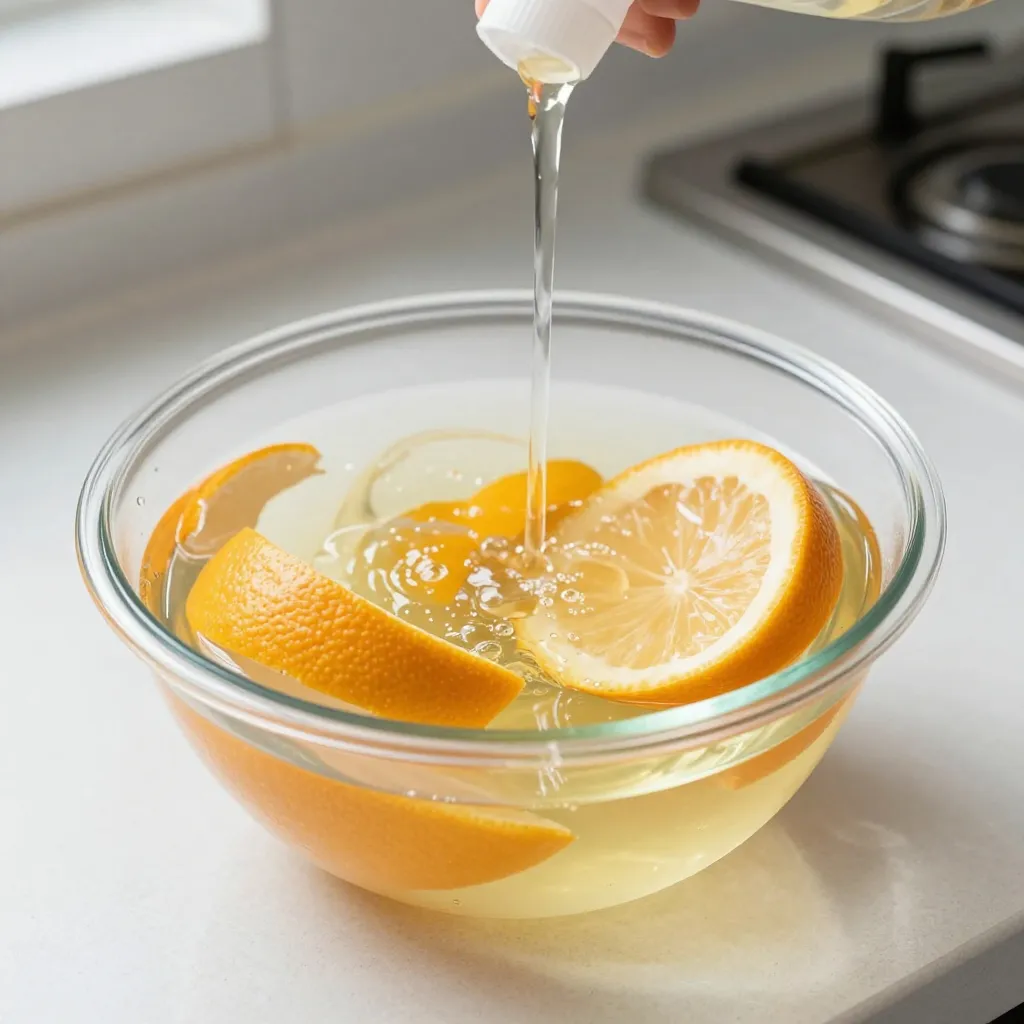
4. Baking Soda Paste for Mattresses and Furniture
Mattresses and couches are tricky because you can’t soak them. A thick paste is your best bet for these surfaces.
Mix 3 tablespoons of baking soda with just enough water to form a spreadable paste. Add 5 drops of lavender or tea tree essential oil if you want extra freshness. Spread the paste over the urine spot and let it dry completely—this can take a few hours.
Once dry, vacuum off the residue. The baking soda absorbs odors deep inside cushions and mattress layers without oversaturating them.
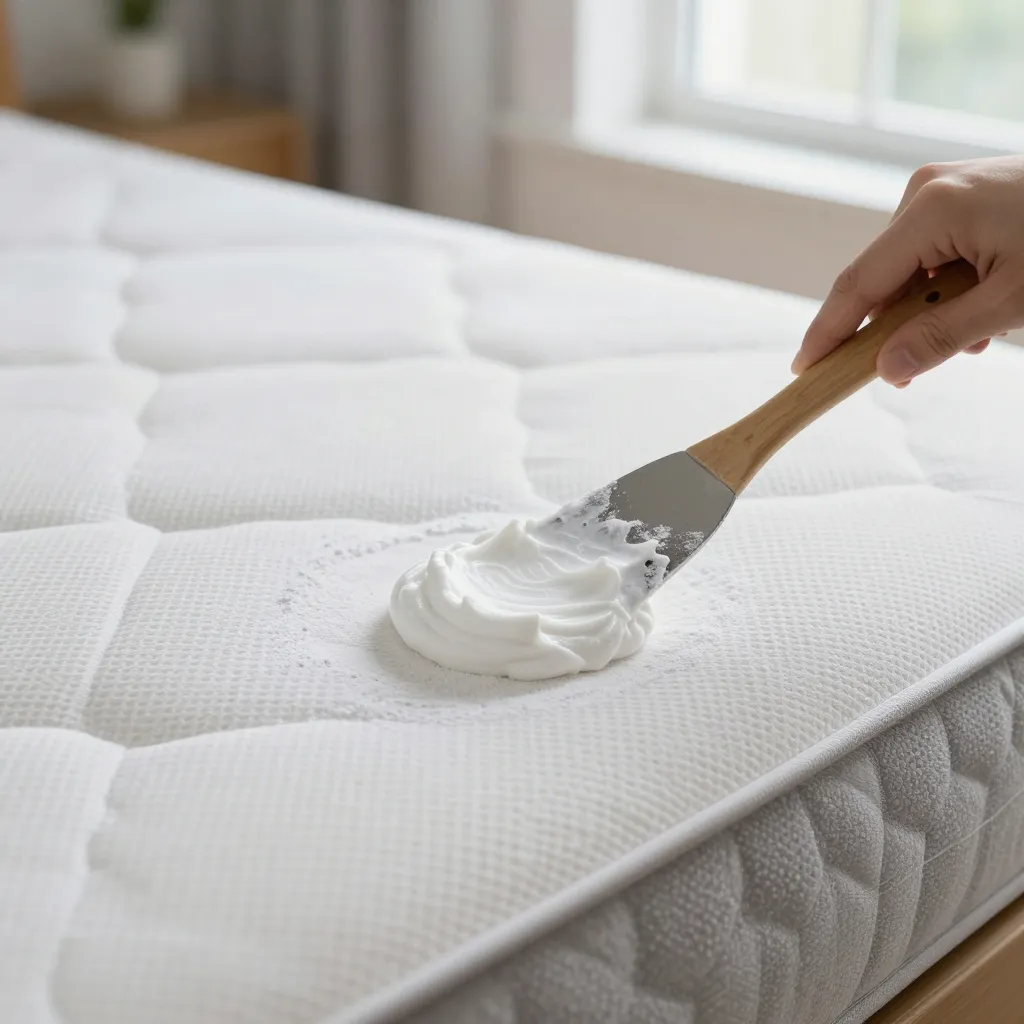
5. White Vinegar Rinse for Hard Floors
Tile, hardwood, and vinyl floors need a different approach. Urine can seep into grout or between boards, causing smells that last for months.
Mix 1 cup of white vinegar with 1 gallon of warm water. Mop the area thoroughly, but don’t oversaturate. For grout lines, use an old toothbrush dipped in straight vinegar to scrub the crevices. Rinse with clean water and dry with a towel.
This solution disinfects and deodorizes without damaging most floor finishes. Avoid using it on unsealed hardwood, though—vinegar can strip the finish over time.
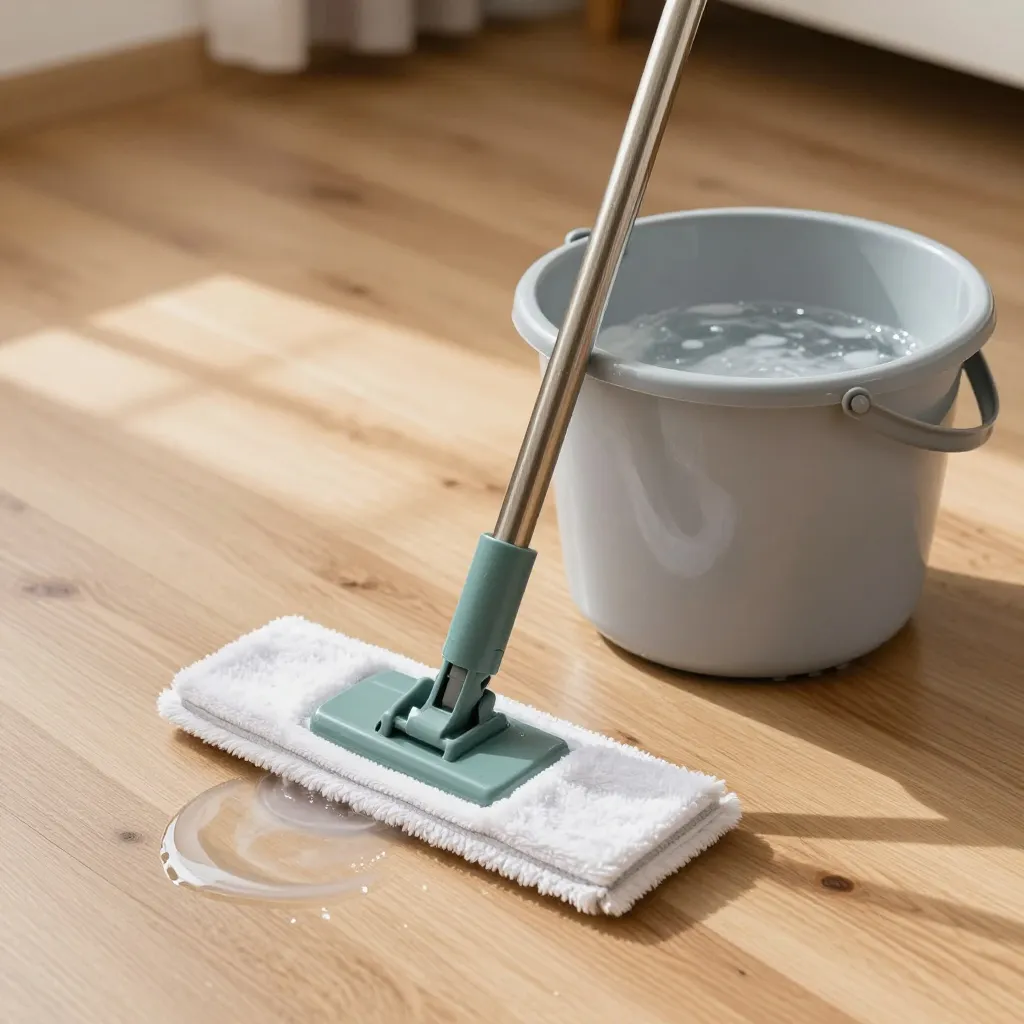
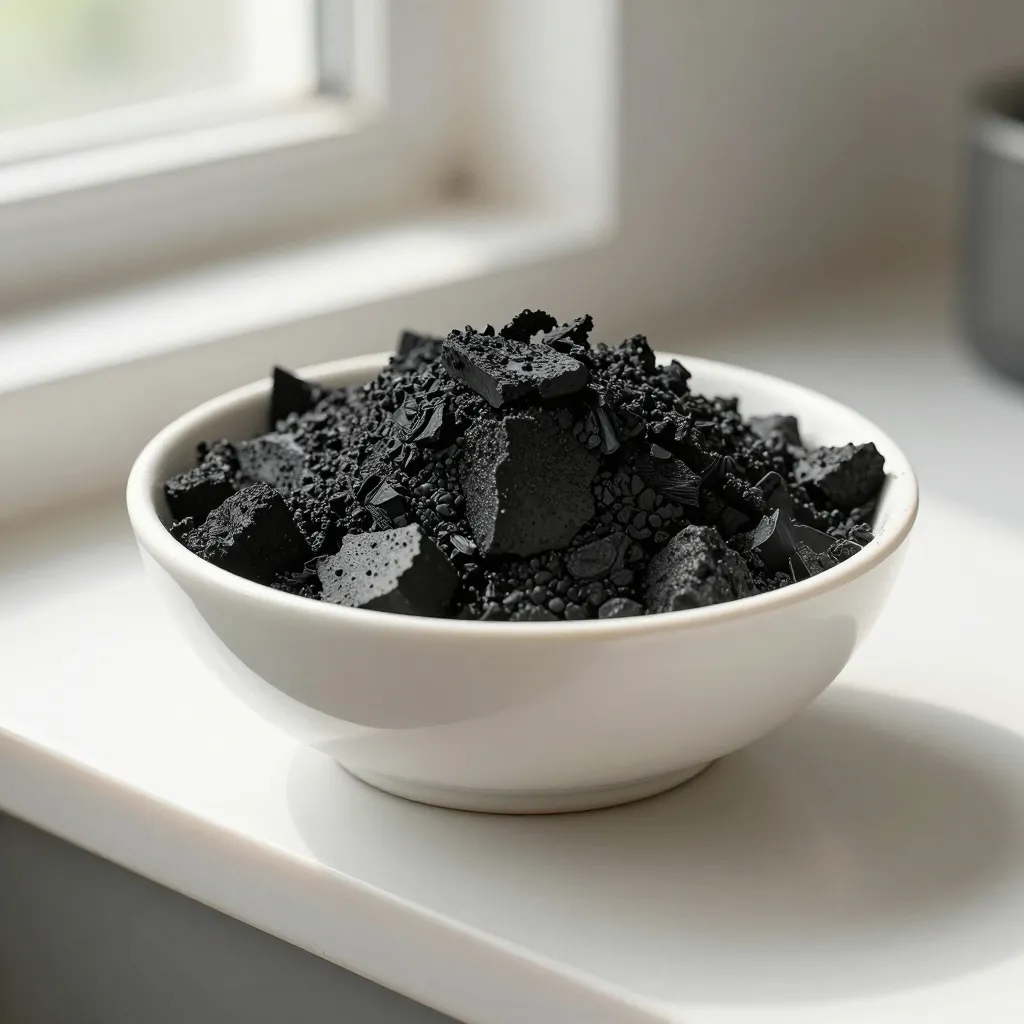
6. Activated Charcoal Odor Absorber
Sometimes the smell isn’t from a fresh stain but from residue trapped in a room. Activated charcoal is amazing for pulling odors out of the air.
Place a small bowl of activated charcoal near the accident area. You can also put it in a mesh bag and hang it near pet beds or crates. Replace the charcoal every month or after it gets damp.
This isn’t a cleaner—it’s a passive odor absorber. Use it alongside other methods to keep the room smelling fresh long-term.
7. Salt and Lemon Scrub for Outdoor Areas
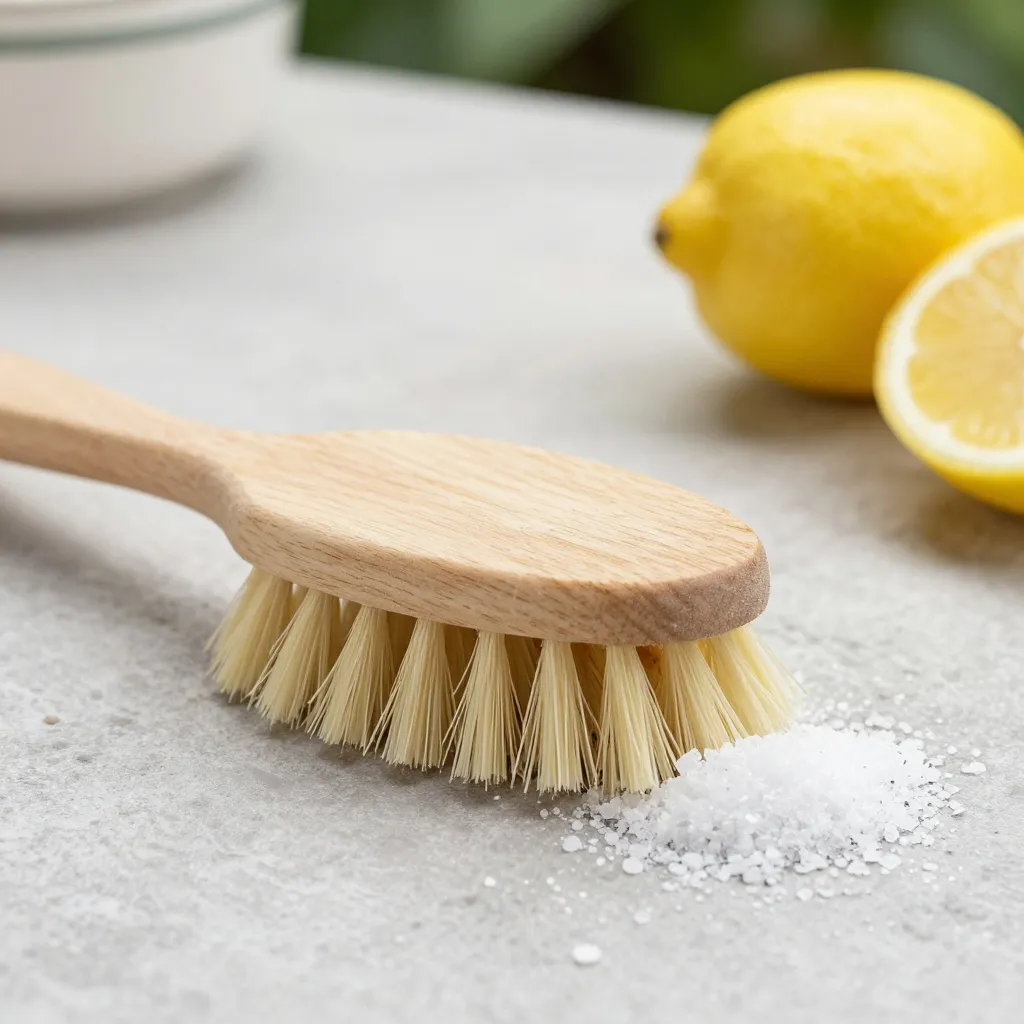
If your dog pees on the patio, deck, or artificial turf, the smell can get pretty intense. A simple scrub works wonders.
Mix 1 cup of coarse salt with the juice of 2 lemons to make a paste. Scrub the area with a stiff brush, focusing on porous surfaces like concrete or wood. Let it sit for 30 minutes, then rinse with a hose.
The salt absorbs odors while the lemon cuts through grease and neutralizes alkaline compounds in urine. It’s safe for plants and grass if you rinse well.
8. Rubbing Alcohol Spot Treatment
For quick touch-ups on fabric or carpet, rubbing alcohol is a lifesaver. It evaporates fast and kills bacteria that cause smells.
Mix equal parts rubbing alcohol and water in a spray bottle. Lightly mist the urine spot—don’t soak it. Blot with a clean cloth until the area feels barely damp. Let it air dry completely.
This works best on fresh accidents. For old stains, use the hydrogen peroxide method first, then finish with this spray for extra odor control.
9. Cornstarch and Essential Oil Deodorizer
This is my favorite dry treatment for carpets between deep cleans. It’s gentle, smells amazing, and doesn’t leave residue.
Mix 1 cup of cornstarch with 10 drops of lemon or eucalyptus essential oil. Sprinkle it over the carpet, focusing on spots where your dog likes to sit or sleep. Let it sit for at least 30 minutes—overnight is even better.
Vacuum thoroughly. The cornstarch absorbs moisture and odors, while the essential oils leave a light, natural scent. Repeat weekly to keep carpets fresh.
10. Boiling Water Flush for Concrete and Garage Floors
Concrete is porous and traps urine odors deep inside. A simple flush with hot water can pull out years of buildup.
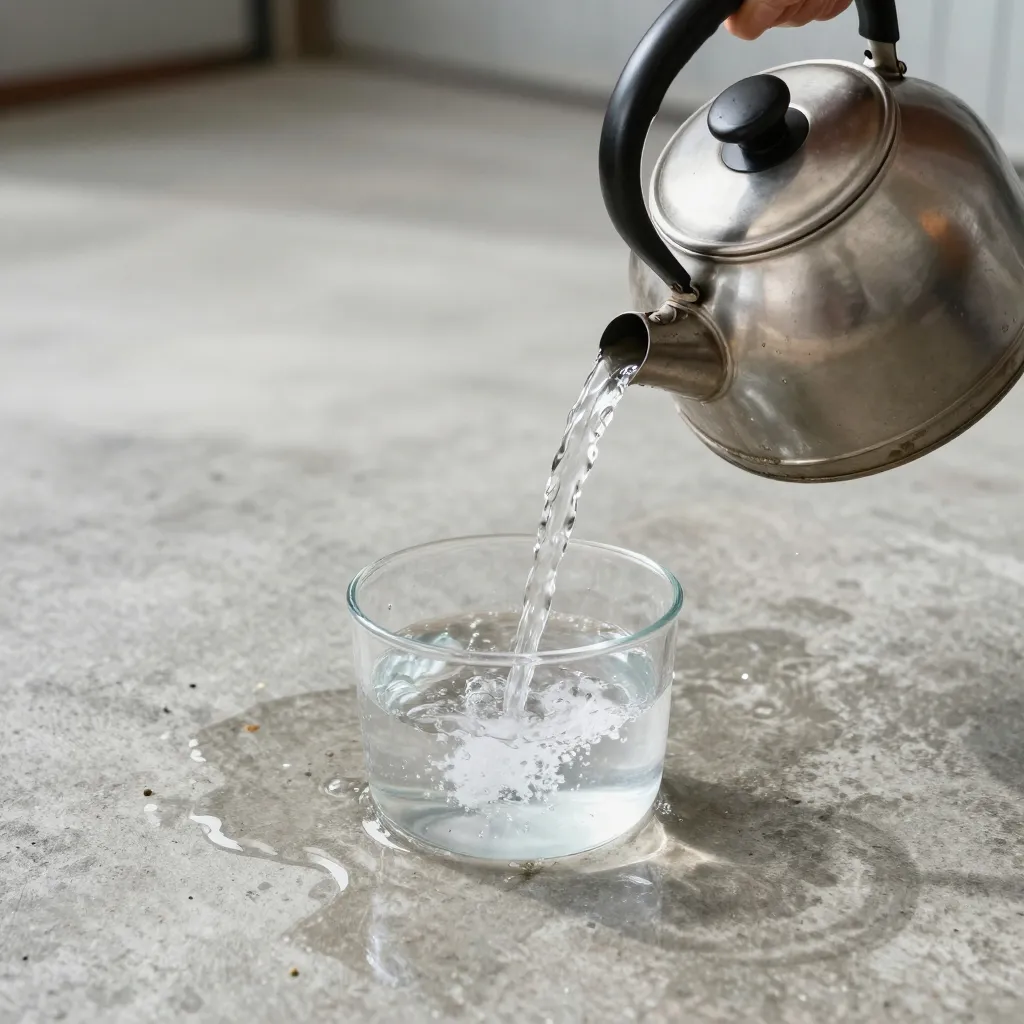
Boil a large pot of water. Pour it directly over the urine stain on concrete or garage floors. Let it sit for a minute, then scrub with a stiff broom. Use a wet-dry vacuum or squeegee to remove the water. Repeat 2–3 times until the smell fades.
For extra power, add 1 cup of white vinegar to the boiling water. This method is cheap, fast, and incredibly effective for hard surfaces.
Conclusion
You don’t need expensive sprays or professional cleaners to get rid of dog urine odors. These DIY recipes use common household ingredients and actually work—I’ve tested every single one myself. Start with the simplest solution for fresh stains, then move to stronger methods for older accidents.
Remember to always blot, never rub. Rubbing pushes urine deeper into fibers. And be patient—some odors take a few treatments to disappear completely. Your house can smell amazing again, and your dog will thank you for using safe, natural ingredients.
Frequently Asked Questions
Can I use bleach to remove dog urine smell?
No, don’t use bleach. It reacts with ammonia in urine to create toxic fumes. It can also damage carpets and fabrics. Stick to vinegar, hydrogen peroxide, or enzyme cleaners.
How do I find old urine stains that still smell?
Use a black light flashlight in a dark room. Old urine stains glow under UV light. Mark the spots with chalk so you can treat them properly.
Will baking soda alone remove urine odor?
Baking soda absorbs odors but doesn’t break down uric acid crystals. It works best as a first step or for very fresh accidents. Combine it with vinegar or hydrogen peroxide for deep cleaning.
How long does it take for DIY odor removers to work?
Most work within 15–30 minutes for fresh stains. Old or deep-set odors may need 2–3 treatments over a few days. Enzyme methods take longer because they need time to digest proteins.
Can I use these recipes on pet beds and toys?
Yes, but wash machine-safe items separately. For non-washable items, spray with the vinegar solution and let air dry. Avoid using hydrogen peroxide on dark fabrics—it can bleach them.