Puppy’s First Week at Home: A Day-by-Day Guide for New Dog Parents

Bringing a puppy home feels like a beautiful tornado. I remember the first night—excited, terrified, and covered in puppy breath. One minute you’re laughing at their tiny paws, the next you’re Googling “why is my puppy biting everything?”
The first week isn’t about perfection. It’s about building trust, setting a routine, and surviving on little sleep. This day-by-day guide is what I wish I had. No fluff, just practical steps.
Grab a coffee, put your phone on silent, and let’s make this week easier for both of you.
Day 1: The Car Ride Home and the First Night
Keep the car ride calm. I put a towel in a crate and sat next to my puppy. No loud music, no parade of friends. Just soft voices and a gentle hand.
When you get home, go straight to the potty spot. Not inside for cuddles. Potty first, then explore one room. This tiny habit prevents a lot of accidents.
First night: expect whining. I set the crate next to my bed. A ticking clock or a warm water bottle helped. It wasn’t perfect, but we survived.
Set Up a Puppy Safe Zone (Before You Unpack)
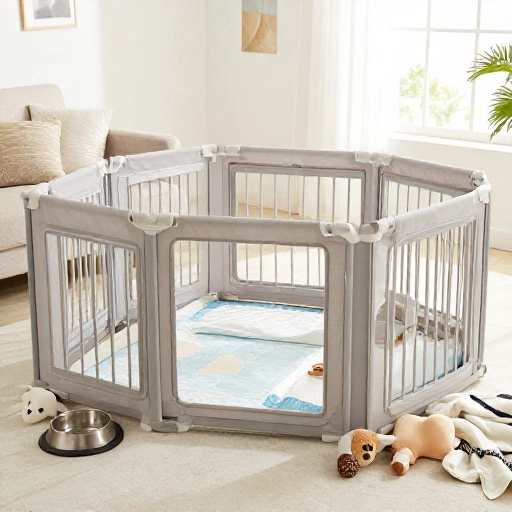
Pick a small, easy-to-clean area. I used a kitchen corner with baby gates. Not the whole house. Too much space equals accidents and chewed furniture.
Remove cords, shoes, rugs, and anything chewy. Puppies explore with their mouths. If you don’t want it destroyed, put it away.
Add a crate, water bowl, washable bed, and two toys. That’s it. Simple is better for the first week.
Potty Training Bootcamp: The First 48 Hours
Take your puppy out every 30–60 minutes. Yes, really. After naps, meals, play, and drinks. I set a timer on my phone.
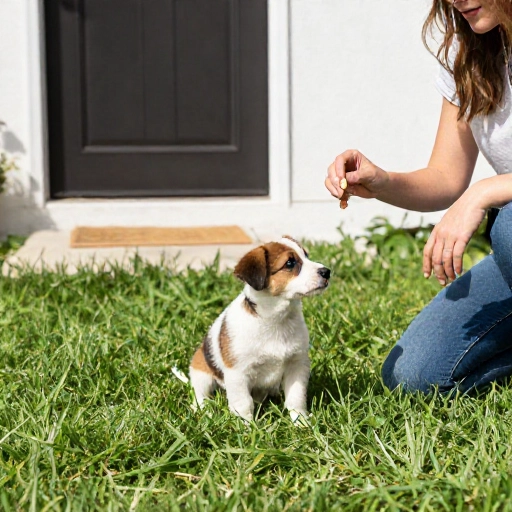
Go to the same spot. Use a cue word like “go potty.” Praise like they just won a medal. Treats work wonders.
If they have an accident, don’t scold. Clean it with an enzymatic cleaner. I learned that the hard way—regular cleaner leaves the scent behind.
Crate Training Without the Tears
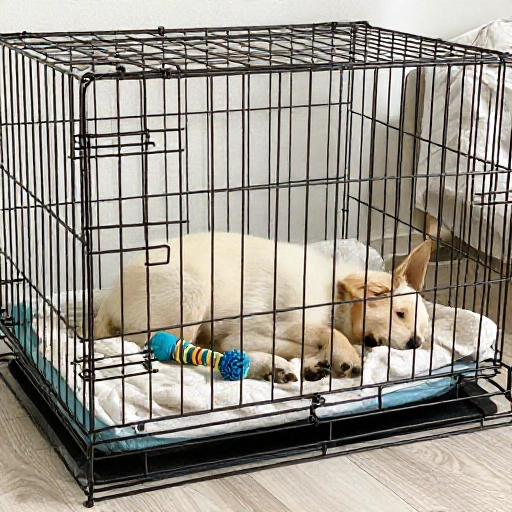
Make the crate a happy place. Toss treats inside, feed meals there, leave the door open during the day.
Start with 5-minute sessions while you’re in the room. Then 10 minutes. Then step out for a few seconds. Build up slowly.
Ignore crying for short bursts, but never use the crate for punishment. It’s a den, not a jail. Your puppy needs to feel safe there.
Feeding Schedule and What to Actually Feed
Stick to the breeder’s or rescue’s food for the first week. Sudden changes cause diarrhea. I learned that after a messy night.
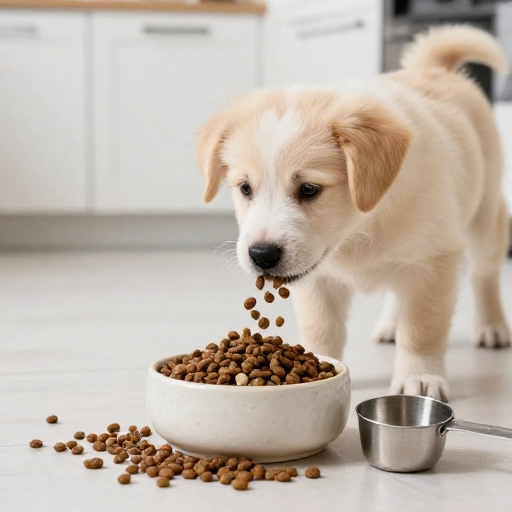
Feed three to four small meals a day for young puppies. I set alarms on my phone. It felt silly, but it worked.
Pick up the bowl after 15 minutes. Free-feeding makes potty training a nightmare. Puppies need a schedule, not a buffet.
Sleep, Naps, and Overnight Wake-Ups
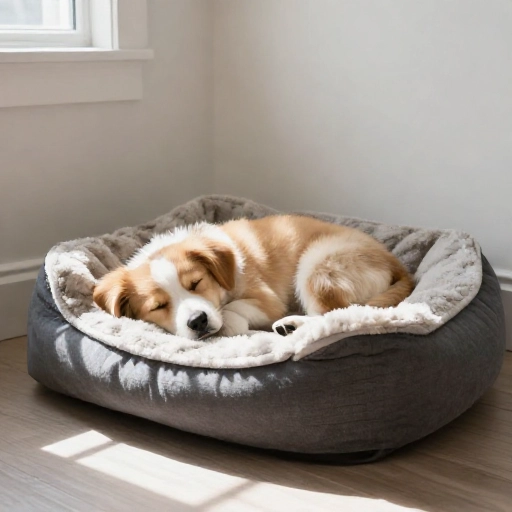
Puppies need 18–20 hours of sleep. If they’re bitey and wild, they’re overtired. It’s like a toddler who skipped a nap.
Enforce naps in the crate every 1–2 hours. It saved my sanity. A tired puppy is a cranky puppy.
Overnight: set an alarm for a potty break every 3–4 hours. Yes, you’ll be tired. It’s temporary. Coffee is your friend.
Gentle Socialization: Sounds, Surfaces, and Strangers
Don’t throw a party. One calm visitor at a time. Let the puppy approach. If they hide, that’s okay. Don’t force it.
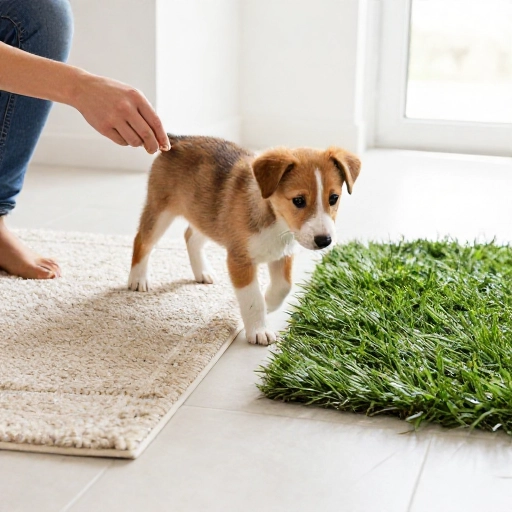
Introduce new surfaces: tile, grass, carpet, a wobble board. Keep it positive with treats and praise.
Play doorbells, vacuums, and traffic sounds at low volume. Pair with treats. This prevents fear later.
Bite Inhibition and Playtime Rules
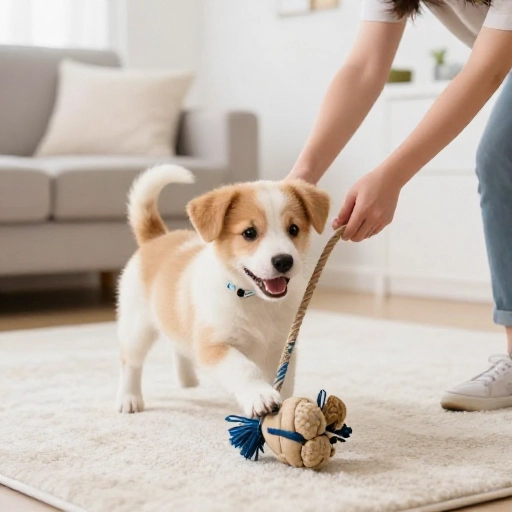
Puppies bite because they’re teething and exploring. Yelp “ouch” and stop play for 10 seconds. They learn that teeth end fun.
Redirect to a toy. If they keep biting, end the session. They learn fast when you’re consistent.
No hands as toys. Ever. I made that mistake once and paid for it with tiny shark teeth.
Vet Visit and Health Checks in Week One
Book a vet visit within 48–72 hours. Bring a stool sample if you can. It sounds gross, but it’s helpful.
Ask about vaccines, deworming, and flea prevention. Write down your questions before you go. I always forget something.
Keep receipts and records. You’ll need them for daycare or training classes later. A folder works great.

Bonding, Cuddles, and Reading Your Puppy’s Cues
Sit on the floor and let your puppy come to you. No forcing cuddles. Trust is built on their terms.
Learn signs of stress: whale eye, lip licking, tucked tail. Give space when you see them. It’s not rejection, it’s communication.
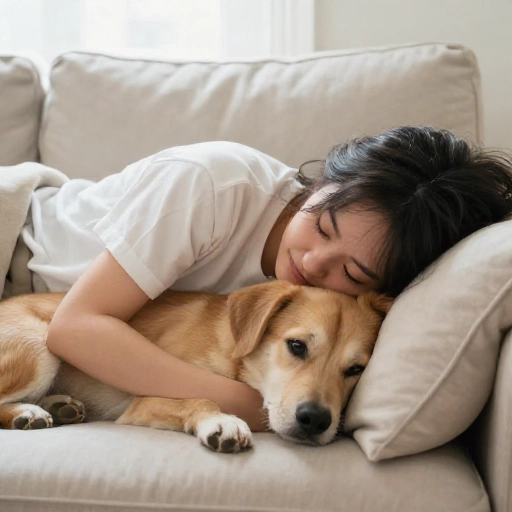
The bond isn’t built in a day. It’s built in quiet moments and consistent routine. By day seven, you’ll feel it.
Conclusion: You’ve Got This (Even When It Feels Messy)
The first week is not about perfection. It’s about safety, routine, and trust. You’ll make mistakes. Your puppy will too. That’s okay.
Focus on potty breaks, naps, and gentle bonding. By day seven, you’ll look back and see how far you’ve come. And trust me, the puppy cuddles are worth every sleepless night.
FAQ: Your Puppy’s First Week Questions Answered
How long until my puppy sleeps through the night?
Most puppies can hold their bladder for about one hour per month of age. A 2-month-old might need a break every 2–3 hours. By 4–5 months, many sleep 6–8 hours.
Should I take my puppy outside every hour?
Yes, at first. Every 30–60 minutes during the day. After meals, naps, and play. Gradually extend as they learn.
What if my puppy cries in the crate?
Start with short, positive sessions. Put the crate near your bed. If they cry, wait for a pause before letting them out. Never punish.
Can I have visitors during the first week?
Keep it low-key. One or two calm people. No dog parks or pet stores until vaccinated. Ask visitors to remove shoes and wash hands.
When can I start training?
Day one. But keep it to potty training, name recognition, and gentle handling. Formal obedience can wait a few weeks.