10 Side Yard Dog Runner Ideas That Will Transform Your Narrow Space
Your side yard doesn’t have to be wasted space. If you have a narrow strip of land running alongside your house, you might be wondering what to do with it. I used to think my side yard was just an awkward pass-through. But after adopting my high-energy rescue pup, I realized it was the perfect spot for a dog runner.
A dog runner gives your pup a safe place to explore, sniff, and get some exercise when you can’t be outside with them. It keeps them contained without blocking your view or taking up your whole backyard. Let me walk you through ten practical ideas that work for narrow spaces and busy dog owners.
1. The Cable Runner System
This is the classic setup and honestly, it works beautifully. You install a high-tension cable between two anchor points, like a tree and your house. Your dog’s leash attaches to a trolley that glides along the cable. My neighbor uses this for her lab and he loves zipping back and forth.
The key is getting heavy-duty hardware. Look for coated cables and rust-resistant pulleys. You want something that won’t snap when your dog spots a squirrel. Set the cable at chest height for your dog so they don’t get tangled.
Keep the cable length under 50 feet for safety. Your dog should have full range of motion without reaching fences or obstacles. Check the anchors monthly to make sure they haven’t loosened.
2. Ground-Level Stake Runner
If you don’t have trees or strong structures to anchor to, a ground stake system is your best friend. You twist a large corkscrew stake into the ground and attach a long line. My sister uses this for her beagle and it took five minutes to set up.
Choose a stake that’s at least 18 inches long with multiple spirals. The deeper it goes, the harder it is for your dog to pull it out. You want one rated for your dog’s weight plus some extra strength for pullers.
This works great for temporary setups too. You can remove the stake when you need the side yard for projects or gardening. Just mark the spot so you don’t accidentally trip over it.
3. Overhead Zip Line with Shade Cover
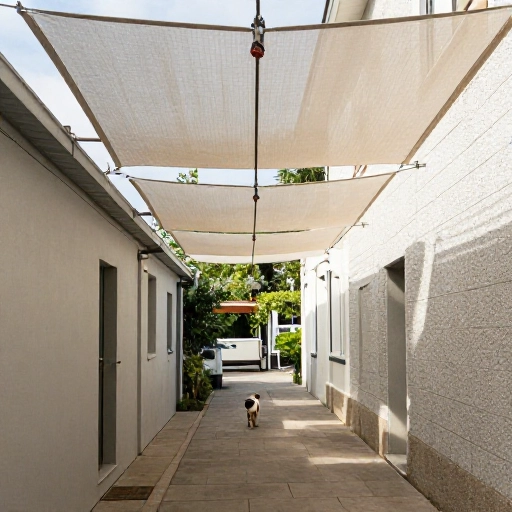
Side yards can get brutally hot in summer. I learned this the hard way when my dog refused to use his runner because the metal cable burned his paws from the sun. Adding a shade cover makes all the difference.
Run your cable under an existing awning or install a simple shade sail above the runner path. You can buy affordable shade cloth at garden stores and attach it with zip ties to your house and fence. Your dog stays cool and you don’t worry about overheating.
Position the shade so it covers the middle portion of the runner where dogs tend to rest. They’ll naturally gravitate toward the cooler area when they’re done exploring. Just make sure the shade doesn’t block your windows.
4. Dual-Runner for Multiple Dogs
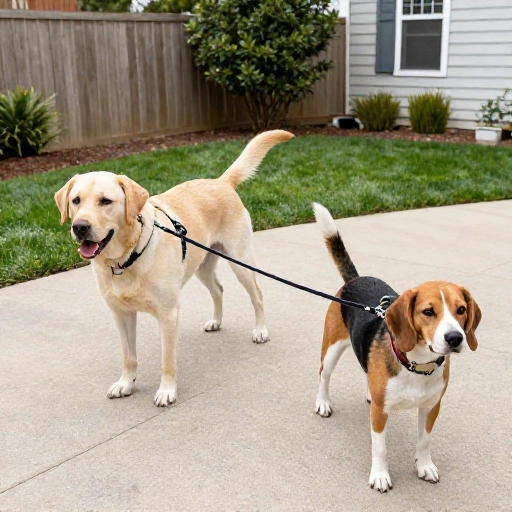
Got two dogs? A single runner will turn into a tangled mess fast. Trust me, I tried. The solution is running two parallel cables a few feet apart. Each dog gets their own lane and they can still interact without getting wrapped up.
Space the cables at least three feet apart. Use separate anchor points for each line so one pulling dog doesn’t affect the other. You can even stagger the lengths so one dog has a shorter range if they tend to get too excited.
Watch them the first few times to make sure they understand the setup. Most dogs figure it out quickly. The bonus is they entertain each other, so you get more peace and quiet inside.
5. Corner-to-Corner Diagonal Runner
Narrow side yards don’t have to limit your dog’s running space. Running the cable diagonally from one corner of your house to the opposite corner of your fence gives your dog more room to move. It’s simple geometry and it works.
Measure the full diagonal distance first. Make sure there aren’t any obstacles like air conditioning units or garbage cans in the path. Clear the area of anything your dog could run into or knock over.
This setup is perfect for long, skinny yards where a straight line would only give your dog a few feet of movement. The diagonal path can double or triple their usable space. My friend did this and her greyhound finally has room to stretch out.
6. Retractable Cable with Auto-Lock
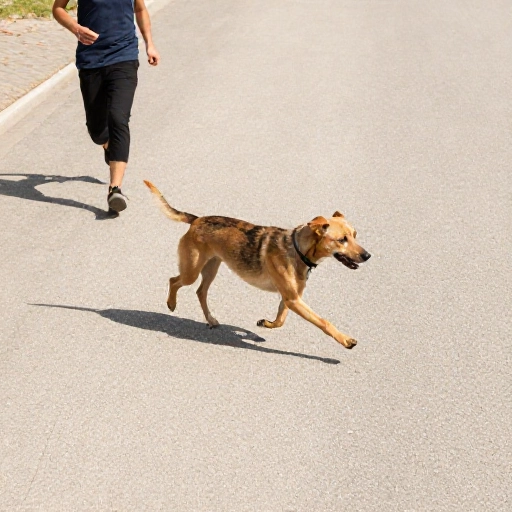
Sometimes you want your dog to have freedom but also need them to stay close when someone walks through. A retractable cable system solves that. Your dog gets a long run when it’s quiet, and you can shorten it instantly when needed.
These systems use a spring-loaded reel mounted to your house. Your dog wears a harness attached to the cable. When they pull away, the cable extends. When they come back, it retracts smoothly. No more tripping over slack lines.
Look for models with a locking mechanism so you can set a maximum length. This is great for side yards that double as walkways. You keep the path clear but your dog still gets outdoor time.
7. The Raised Platform Runner
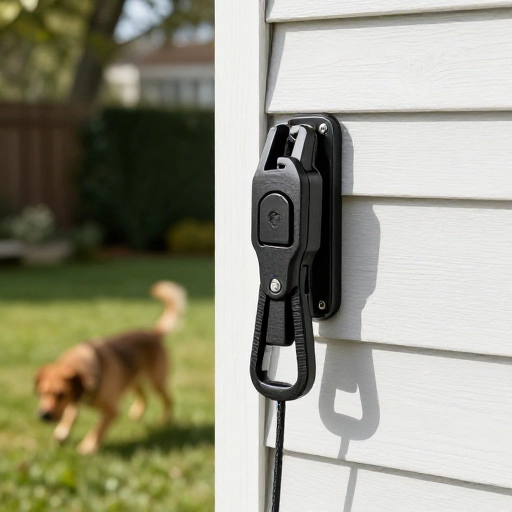
Wet grass and muddy paws drove me crazy until I added a small platform to my dog’s runner setup. I built a simple wooden deck about 4×6 feet right in the middle of the runner path. My dog loves having a dry spot to sit and watch the neighborhood.
The platform doesn’t need to be fancy. Use pressure-treated lumber and leave small gaps between boards for drainage. Place it where your dog tends to rest the most. You’ll notice they spend more time outside when they have a comfortable spot.
Add a outdoor dog bed or a thick mat to make it even cozier. The platform also keeps your dog off wet ground during rainy seasons. Your pup stays cleaner and you have less mud tracked through the house.
8. Fence-Mounted Swivel Arm Runner
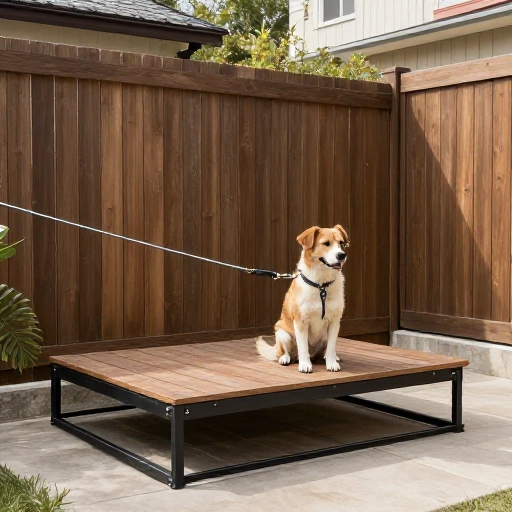
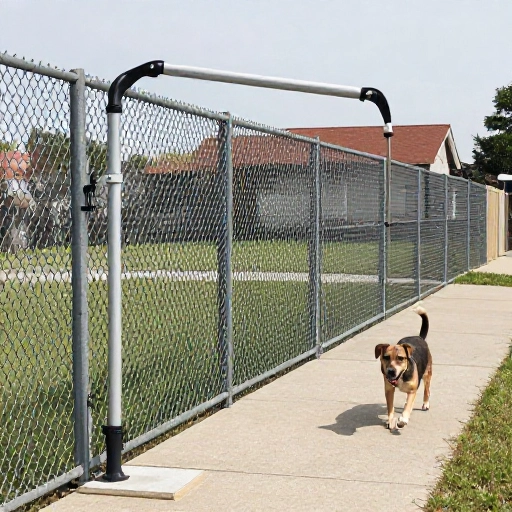
If your side yard is really narrow, like only three feet wide, a standard cable system might not work. A swivel arm attached to your fence gives your dog a small but usable circle of movement. It’s perfect for quick potty breaks.
The arm extends out from the fence on a hinge. Your dog’s leash attaches to the end. They can move side to side along the fence line and out into the yard a few feet. It’s not for running, but it gives them more than just standing room.
Install the arm at a height where your dog can reach the ground comfortably without hanging. Use a swivel that rotates 360 degrees so the leash doesn’t twist. This is a simple solution for the tightest spaces.
9. The Staggered Anchor System
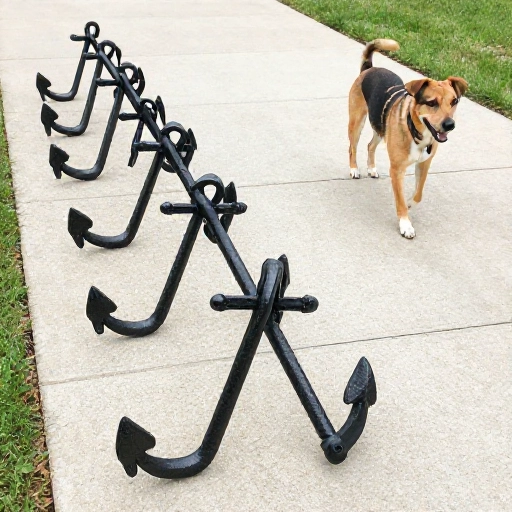
Here’s a trick I figured out after watching my dog get bored with the same straight path. Install multiple anchor points along your house or fence. You can move the cable to different positions depending on the time of day or weather conditions.
Put one anchor in the sunny part of the yard for cool mornings and another in the shady section for hot afternoons. You can also create different lengths of run. A short run for quick breaks and a long run for playtime. It takes extra hardware but gives you flexibility.
Use quick-release clips so you can switch positions easily. Store unused anchor points with covers to keep them clean. Your dog will appreciate the variety and you’ll get more use out of your side yard year-round.
10. The Multi-Function Runner with Obstacles
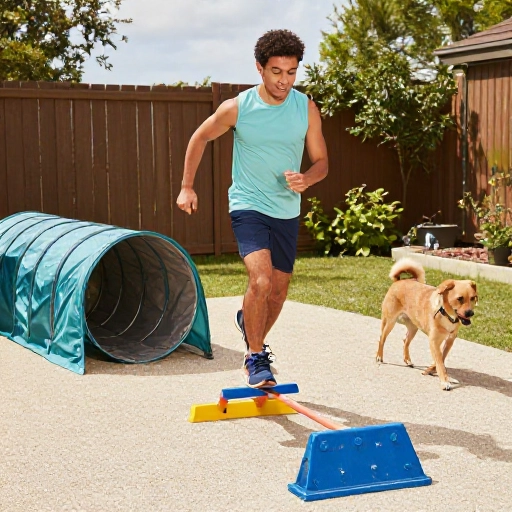
Why let your side yard just be a boring straight line? Add some low obstacles along the runner path to make it more fun for your dog. I placed a small tunnel, a low jump bar, and a few sturdy toys along my runner route. My dog gets mental stimulation along with exercise.
Keep obstacles low and safe. Nothing your dog could get tangled in or hurt themselves on. Use items designed for dogs, not random household objects. The goal is enrichment, not danger. Your dog will learn the course quickly and look forward to their runner time.
Rotate the obstacles every few weeks to keep things interesting. You can also add a water station at one end for hot days. This turns a simple runner into a mini dog agility course that fits in your side yard.
Making Your Side Yard Dog Runner Work
Setting up a dog runner in your side yard doesn’t have to be complicated. Start with the simplest option that fits your space and your dog’s personality. You can always upgrade later as you see what works. Your dog will let you know if they love it or want changes.
Safety comes first every time. Check all hardware regularly for wear. Never leave your dog unattended for long periods. And always provide fresh water and shade. A dog runner is a tool to enhance your dog’s life, not replace your time with them.
I hope one of these ideas sparks something for your narrow space. Your side yard might just become your dog’s favorite spot in the whole house.
Frequently Asked Questions
Is a dog runner safe for my dog?
Yes, when set up properly. Use hardware rated for your dog’s weight. Check for tangles and never leave your dog unsupervised for long periods. Always provide water and shade. Remove collars that could get caught and use a harness instead.
How long can my dog stay on a runner?
Short periods are best. Fifteen to thirty minutes at a time works well for most dogs. Never leave your dog out all day. They need bathroom breaks, water, and human interaction. Use the runner as a supplement to walks and playtime, not a replacement.
What kind of harness works best for a runner?
A back-clip harness is safest. Neck collars can choke your dog if they run to the end of the line. Look for a harness with padding so it doesn’t rub. Make sure it fits snugly but isn’t tight. Your dog should be able to move naturally without restriction.
Can I install a dog runner on a rental property?
Yes, with permission from your landlord. Ground stakes are the most rental-friendly option because they don’t damage structures. Avoid drilling into walls or fences without written approval. Temporary systems with stakes and weights work well and leave no trace when you move out.
What if my dog digs under the fence while on the runner?
This can happen with determined diggers. Place concrete pavers or large stones along the fence line where your dog has access. You can also bury chicken wire a few inches below the surface. Supervise your dog the first few times to see if digging is an issue. Set up the runner away from fence edges if possible.