Create Your Dream DIY Dog Park: 10 Actionable Ideas
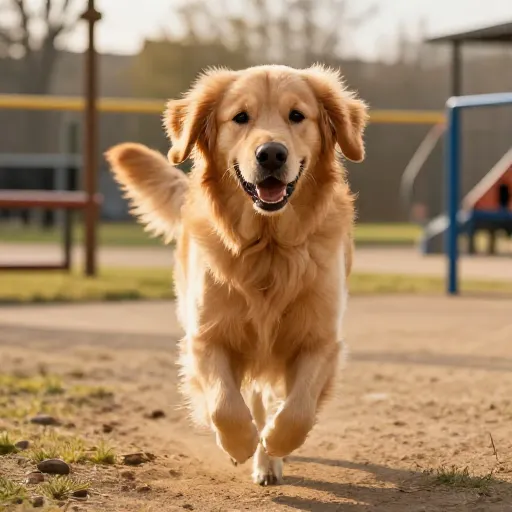
Have you ever watched your dog race across an open field, ears flapping, tail wagging like a helicopter blade? That pure, uncontainable joy is what I wanted to bottle up in my own backyard. But let’s be real—not all of us have acres of land or a budget for fancy landscaping. The good news? You don’t need either.
After turning my small, boring backyard into a tail-wagging paradise, I learned that a DIY dog park is all about smart choices, not big spending. It’s about creating a safe, fun space where your pup can zoom, sniff, and dig to their heart’s content—and where you can relax knowing they’re happy. Whether you have a tiny patch of grass or a sprawling lawn, these 10 actionable ideas will help you build the dog park of your dreams, one weekend project at a time.
Grab your shovel, put on your gardening gloves, and let’s get started. Your best friend is waiting.
1. Start with a Secure Perimeter
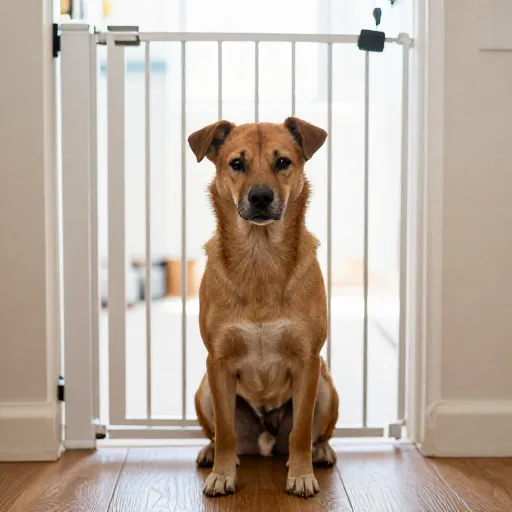
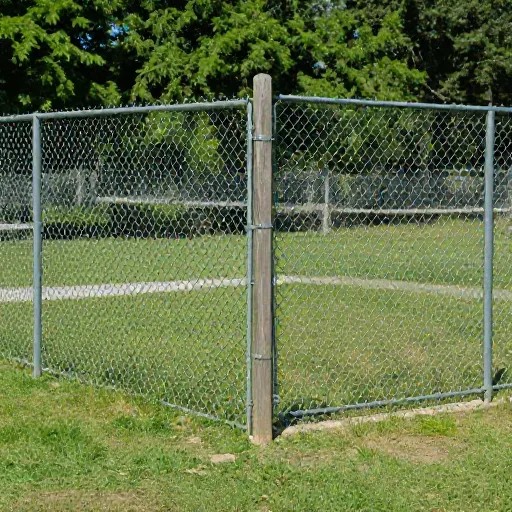
Before anything else, you need a fence that actually works. I learned this the hard way when my terrier, Milo, squeezed through a gap I swore was too small. A secure boundary isn’t just about keeping your dog in—it’s about keeping distractions out.
For a DIY approach, consider using metal or vinyl fencing panels. They’re sturdy and won’t rot like wood. Make sure the fence is at least four feet high for small breeds and six feet for jumpers. Bury the bottom a few inches underground or use a concrete footer to prevent digging escapes.
Pro tip: Add a double-gate entry system. It gives you a safe “airlock” zone so your dog can’t bolt out when you’re coming or going. Trust me, this simple addition saves so much stress.
2. Create a Digging Zone (Yes, Let Them Dig!)
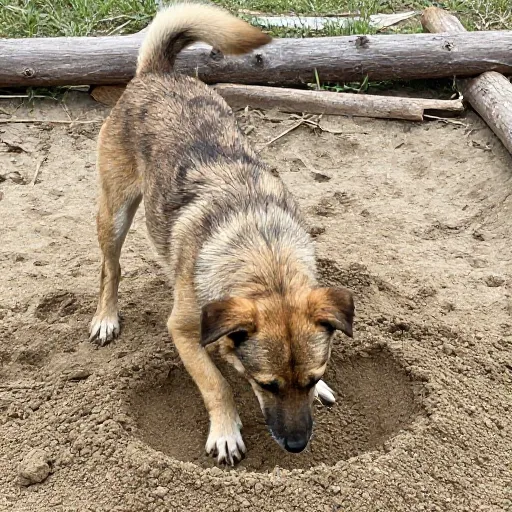
Dogs dig. It’s in their DNA. Instead of fighting it, I decided to embrace it. I carved out a small, designated digging pit in the corner of my yard, and it’s been a game-changer.
Use a kiddie pool, an old sandbox, or just dig a shallow trench and fill it with loose sand or soft soil. Bury some toys, treats, or bones for your dog to “find.” This keeps them entertained for hours and saves your flower beds from destruction.
I even added a small border of landscape timbers to keep the sand contained. Now, my dog knows exactly where it’s okay to dig, and my roses are safe.
3. Build a Simple Agility Course
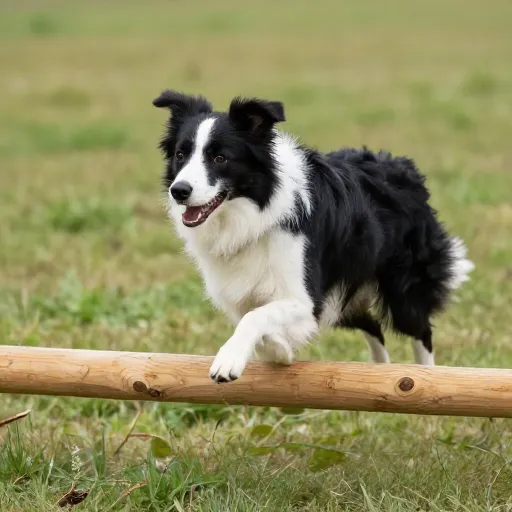
You don’t need expensive equipment to challenge your dog. I built a mini agility course using items from my garage and a trip to the hardware store. PVC pipes, wooden planks, and a few old tires are all you need.
Start with a jump: two PVC poles with a broomstick laid across. Then add a tunnel—a children’s play tunnel from a discount store works perfectly. For a weave pole station, stick some PVC pipes into the ground using metal stakes. Your dog will love the mental and physical workout.
Remember to keep it low and safe. The goal is fun, not Olympic training. My dog’s favorite is the “pause box,” a simple square platform where he has to sit before zooming off again.
4. Install a Splash Zone for Hot Days
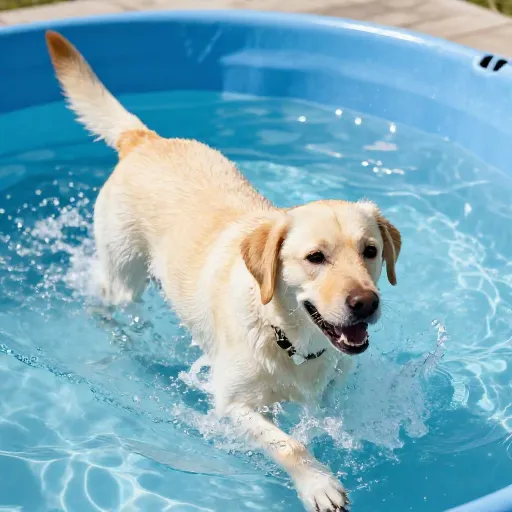
Summer afternoons can be brutal. My dog used to just lie in the shade, panting. So I created a splash zone that cost me under $20. A plastic kiddie pool is the obvious start, but I went a step further.
I attached a sprinkler head to a garden hose and mounted it on a short PVC pole. Now, when the heat hits, I turn it on and my dog runs through the water like a maniac. For a more permanent setup, you can lay a rubber mat under the pool to prevent mud.
Add a few floating toys, and you’ve got a canine water park. Just make sure to empty the pool after use to keep mosquitoes away.
5. Add Sniffing Stations for Mental Stimulation
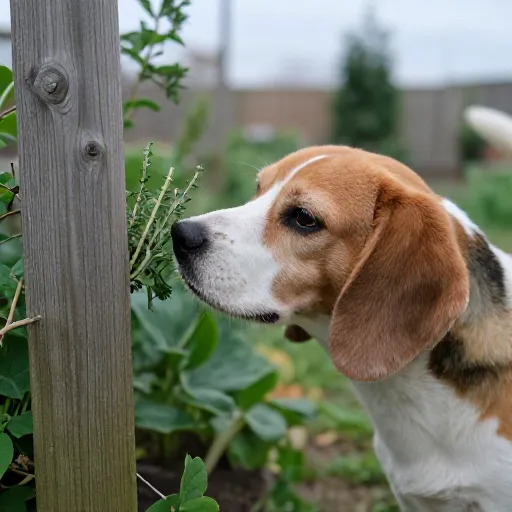
A tired dog is a happy dog, but mental tiredness works even better than physical exercise. Sniffing stations are my secret weapon. I created a few “sniff spots” around the yard using herbs and low plants.
Plant a patch of lavender, rosemary, or mint in a raised bed or large pot. Dogs love exploring different scents. You can also scatter a handful of kibble or treats in the grass and let your dog “forage” for them. This mimics natural hunting behavior.
I also hung a few “snuffle mats” made from old fleece strips on a low fence. My dog spends minutes sniffing and searching. It’s like a puzzle that never gets old.
6. Create a Cozy Shade Structure
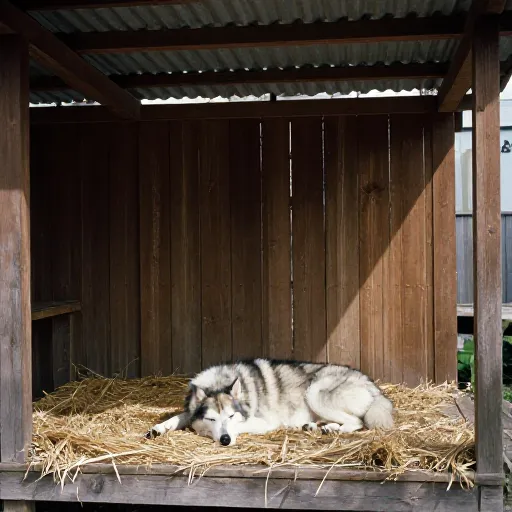
Not every day is sunny and perfect. Sometimes you need a break from the heat or a light drizzle. I built a simple shade structure using four wooden posts and a canvas tarp. It’s like a little outdoor living room for my dog.
You can use a pop-up canopy tent if you want something portable. Place it over a patch of soft grass or a dog bed. Add a water bowl nearby, and you’ve got a chill zone.
For a more natural look, plant a fast-growing tree like a crepe myrtle. It takes time, but the shade is free and beautiful. My dog loves to lie under it and watch the world go by.
7. Build a Tire Jump or Obstacle
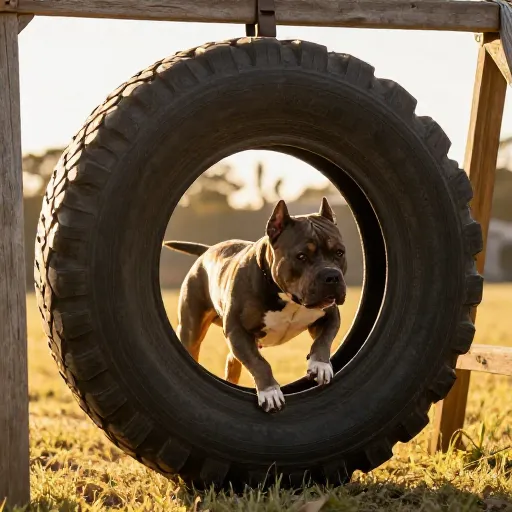
Old tires are perfect for DIY dog park equipment. I found a used tractor tire at a local farm supply store for five dollars. I cleaned it, painted it bright blue, and set it on its side. Now it’s a jump and a tunnel.
For a jump, bury the tire halfway in the ground so it stands upright. Your dog can leap through it. For a tunnel, lay it on its side and let your dog crawl through. You can even stack two smaller tires for a more challenging obstacle.
Just make sure there are no sharp edges or metal wires. Sand the edges smooth and use pet-safe paint. It’s cheap, sturdy, and adds a fun element to your park.
8. Install a Water Station with a Splash
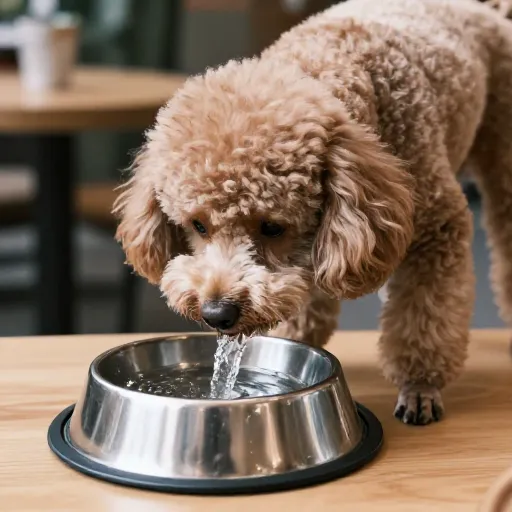
Hydration is key, but a boring water bowl is so last year. I created a water station that’s both functional and fun. I use a large, shallow plastic tub (the kind you’d use for mixing concrete) and fill it with fresh water.
For extra fun, I added a floating toy or two. Some dogs love to splash, so I put the tub on a gravel bed to avoid mud. I also hung a water bottle dispenser on the fence for easy refills.
In winter, I switch to a heated bowl. My dog knows exactly where to go for a drink, and it keeps him from drinking from puddles or the hose.
9. Add a Rest Area with a View
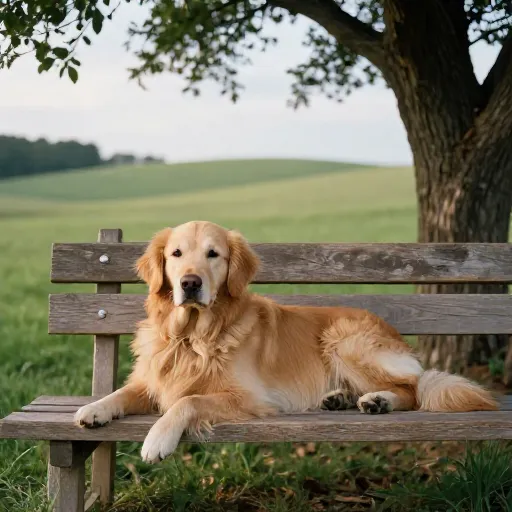
Dogs need downtime too. I built a small raised platform with a soft bed and a little roof. It’s like a dog house, but open so they can see everything. My dog loves to sit up there and survey his kingdom.
You can use a sturdy wooden pallet as the base. Add a cushion or an old blanket. If you’re handy, build a simple frame and attach a canvas roof. Place it in a spot where your dog can see you and the yard.
It’s also a great place for training. I use it as a “place” command spot. My dog knows to go there when he needs a break. It gives him a sense of ownership over his space.
10. Light It Up for Evening Fun
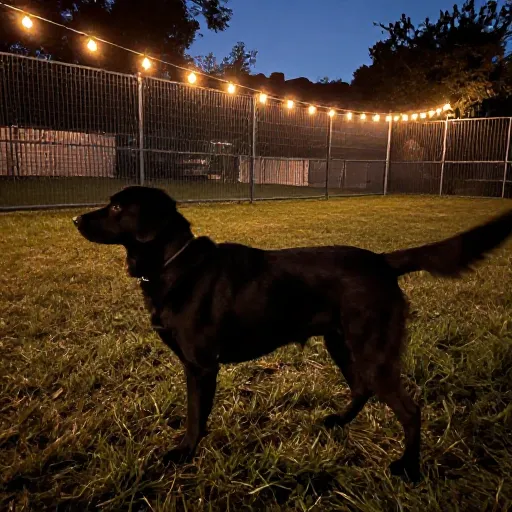
Don’t let the sun dictate playtime. I added solar-powered lights around my dog park, and it transformed the space. String lights along the fence, place solar stakes along pathways, and add a few ground lights near the agility equipment.
For a magical touch, I hung a few glow-in-the-dark toys and balls. My dog goes nuts for them at dusk. You can also use battery-operated LED candles for a cozy vibe.
Good lighting also keeps you safe. You can see where you’re stepping, and your dog won’t trip over obstacles. It extends the usable hours of your park without adding to your electric bill.
Conclusion
Building your own DIY dog park doesn’t have to be overwhelming. Start with one idea that excites you—maybe the digging zone or the agility course—and build from there. Every small addition brings more joy to your dog and more peace of mind to you.
Remember, the best dog park is the one your dog actually uses. Watch how they play, what they love, and adjust accordingly. My dog’s favorite spot changes with the seasons, and that’s okay. The goal is a space that grows with them.
So grab that shovel, invite a friend over, and make it a fun weekend project. Your dog will thank you with sloppy kisses and endless tail wags. Happy building!
Frequently Asked Questions
How much does it cost to build a DIY dog park?
It really depends on what you already have and what you want. A basic setup with a fence, a digging pit, and a few toys can cost under $100. If you add agility equipment and lighting, you might spend $300–$500. The beauty of DIY is you can spread the cost over time.
What if I have a small yard?
Small yards work great! Focus on vertical space—add a climbing ramp or a raised platform. Use a small agility course that doesn’t need much room. Even a 10×10 space can be a paradise with the right ideas. My yard is tiny, and my dog loves it.
How do I keep my dog safe from heat?
Always provide shade and fresh water. Avoid play during the hottest part of the day. Use a kiddie pool or sprinkler to cool them down. Watch for signs of overheating like excessive panting or drooling. Your dog’s safety comes first.
Can I include training into the park?
Absolutely! Use the agility equipment for training commands like “jump” or “through.” The sniffing stations are great for “find it” games. The rest area can be a “place” command spot. Your park is a perfect training ground.
How do I maintain the park?
Keep the grass trimmed and check for sharp objects. Empty the water pool after use. Refresh the digging pit sand every few months. Inspect the fence for holes. A little upkeep goes a long way to keep the space safe and fun.