7 Best Dog Foods for Sensitive Stomachs: Vet-Approved Picks for Happy Tummies
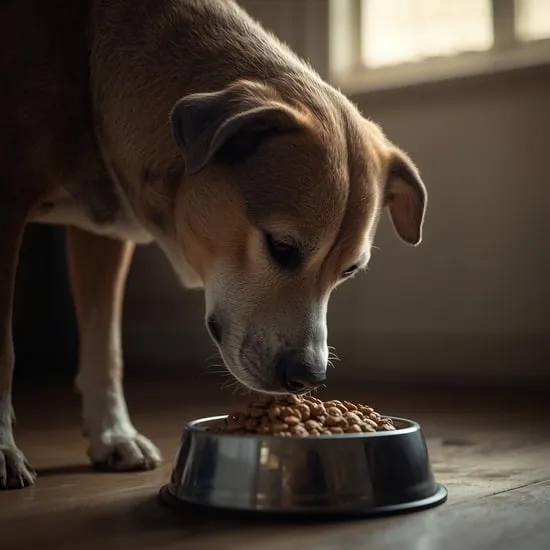
Few things break my heart more than watching my pup struggle with a gurgly belly. If your dog deals with loose stools, excessive gas, or regular vomiting after meals, you know the stress of guessing which food will work.
I’ve been through it—trial and error with dozens of bags, countless vet visits, and a lot of cleanup. After testing these seven options with my own sensitive-stomached dog, I finally found real relief. These are the foods that calmed the chaos, brought back solid poops, and made mealtimes peaceful again.
Why Choosing the Right Food Matters for Sensitive Stomachs
A dog with a sensitive stomach isn’t just picky—their digestive system struggles to break down certain proteins, fats, or grains. The wrong food can trigger inflammation, gut imbalance, and discomfort that shows up in their behavior (and your floor).
Switching to a limited-ingredient, highly digestible formula can change everything. Look for single protein sources, prebiotics like chicory root, and no artificial additives. The right food supports their microbiome, reduces inflammation, and keeps that tail wagging.
Kitchen Equipment & Tools You’ll Need for Feeding Success
You don’t need much, but a few basics make a big difference:
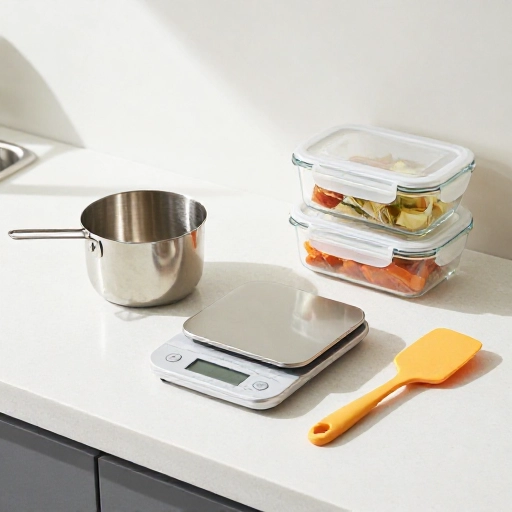
- A digital kitchen scale for accurate portion sizes (avoiding overfeeding is key).
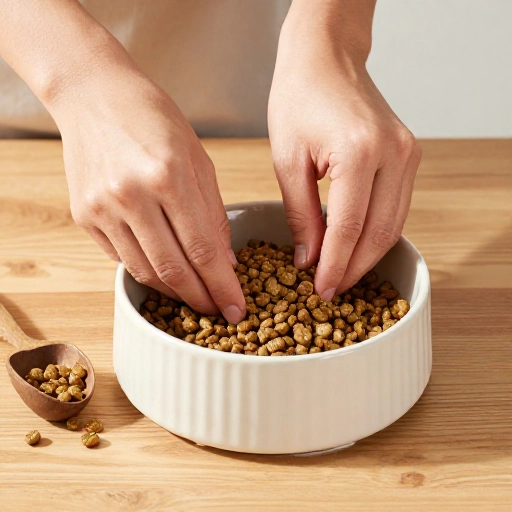
- Slow feeder bowl or puzzle mat to prevent gulping air.
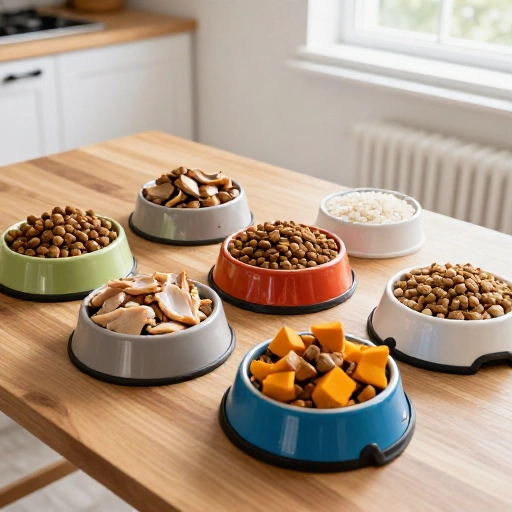
- Glass or stainless steel bowls (plastic can harbor bacteria and cause chin acne).
- Airtight storage container to keep kibble fresh and free from moisture.
- Pumpkin puree container (unsweetened, plain) for occasional tummy-soothing toppers.
Ingredients List & Safe Substitutions for Sensitive Stomachs
When picking a food for your dog, the ingredient list is your best friend. Here’s what to look for and avoid:
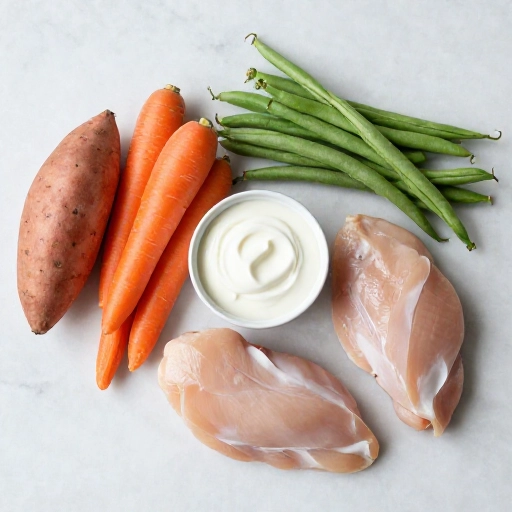
- Ideal protein: Novel proteins like salmon, duck, venison, or kangaroo (less likely to trigger allergies).
- Safe carbs: Sweet potatoes, peas, lentils, or brown rice (easy to digest).
- Healthy fats: Fish oil or flaxseed oil for omega-3s (reduces inflammation).
- Avoid: Corn, wheat, soy, artificial colors, preservatives, and unnamed meat meals.
- Substitution tip: If your dog reacts to chicken, try a fish-based formula. If grains bother them, go grain-free (but check with your vet first).
How to Transition Your Dog to a New Food Safely
Switching cold turkey can cause more tummy trouble. Follow these steps:
- Day 1-2: Mix 25% new food with 75% old food.
- Day 3-4: Use a 50/50 ratio.
- Day 5-6: Go 75% new, 25% old.
- Day 7: Serve 100% new food.
- Watch for loose stools or vomiting during transition—if it happens, slow down and extend each phase by a day or two.
- Add a tablespoon of plain pumpkin or bone broth to soothe their belly during the switch.
Feeding Guidelines, Serving Size & Storage Tips
Once you find the right food, proper storage and serving keep it effective:
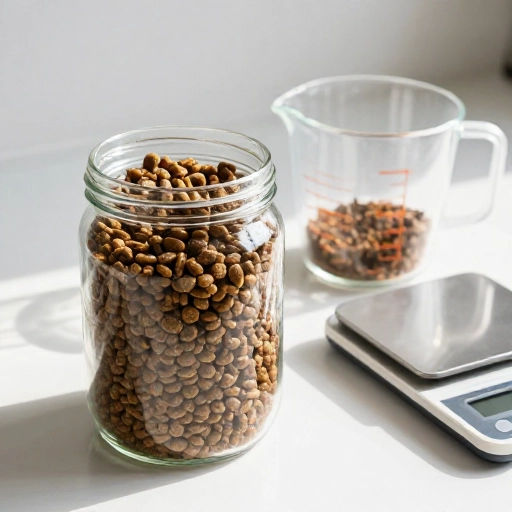
- Store kibble in an airtight container in a cool, dry place (not the garage or fridge).
- Divide daily portion into two or three smaller meals instead of one large one.
- Serving size varies by weight: a 20lb dog typically needs 1-1.5 cups per day. Check the bag and adjust based on activity.
- Wet food should be refrigerated after opening and used within 2-3 days.
- Add a little warm water to kibble to release aromas and improve digestion.
Final Verdict & Summary
After months of testing, my top picks are limited-ingredient salmon or duck formulas with prebiotics and no artificial junk. Brands like Purina Pro Plan Sensitive Skin & Stomach, Hill’s Science Diet Sensitive Stomach, and Blue Buffalo Basics have been game-changers.
Remember: every dog is different. What works for one might not work for yours. Start with a novel protein, transition slowly, and give it at least two weeks before judging results. Your pup’s happy belly will thank you—and so will your floors.
Frequently Asked Questions
Can I mix wet and dry food for my sensitive-stomach dog?
Yes, but introduce the wet food slowly. Stick to the same brand and formula to avoid confusing their system. Mixing can actually help with hydration and palatability.
How long does it take for a new food to settle a sensitive stomach?
Most dogs show improvement within 2 to 4 weeks. If symptoms persist longer, consult your vet to rule out underlying conditions like pancreatitis or food allergies.
Are grain-free foods better for sensitive stomachs?
Not always. Some dogs digest grains like rice or oatmeal just fine. Grain-free isn’t automatically better—focus on the protein source and overall digestibility instead.
What should I do if my dog still has loose stools after switching?
First, check portion sizes and rule out overfeeding. Try adding a probiotic supplement or plain pumpkin to their meal. If it continues for more than a week, see your vet.
Can I give my dog homemade food for a sensitive stomach?
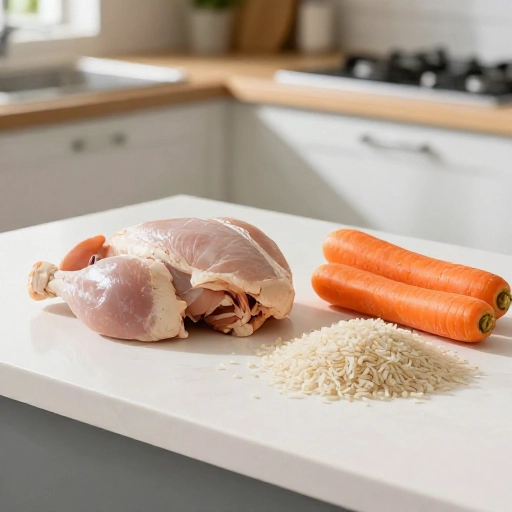
Absolutely, but it needs to be balanced. Work with a veterinary nutritionist to ensure they get all necessary nutrients. A simple boiled chicken and rice diet isn’t complete long-term.