10 Genius Dog Run Side Yard Transformations That Will Make You Love Your Narrow Space
Let me guess—you have that awkward, narrow strip of grass running along the side of your house. You know the one. It’s too skinny for a patio, too shady for a garden, and honestly, it just collects leaves and mud. But here’s the thing: if you have a dog, that thin slice of land is pure gold.
I’ve spent way too much time dreaming up ways to turn these forgotten spaces into functional, beautiful dog runs. And I’m not talking about a boring gravel path. I mean a space your pup will sprint down every single morning. Whether you have a tiny yard or a longer stretch, these ten transformations will give you a practical setup that looks intentional—not like an afterthought.
1. The Pea Gravel Path With a Purpose
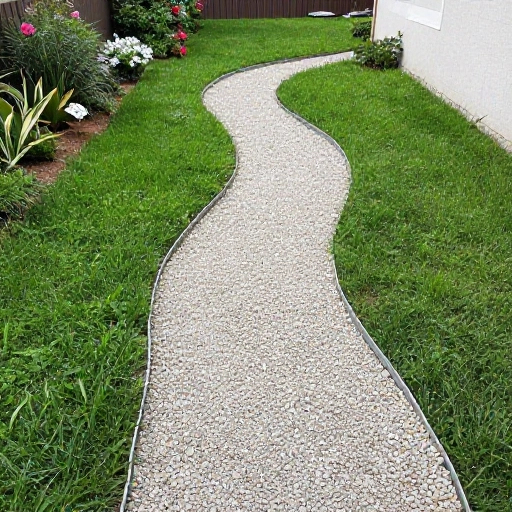
Pea gravel is my secret weapon for side yards. It drains fast, doesn’t get muddy, and feels nice under paw pads. I layered it about three inches deep over landscape fabric, then bordered it with large stepping stones so I could walk alongside my dog without stepping in the rocks.
The trick is to add a sturdy edging—think metal or stone—to keep the gravel from scattering into your lawn. My dog loves to sprint down this path first thing in the morning, and I love that I never have to hose off muddy paws after rain.
For a pop of green, I planted low-growing thyme along the edges. It smells amazing when you brush past it.
2. The Turf Tunnel That Never Needs Mowing
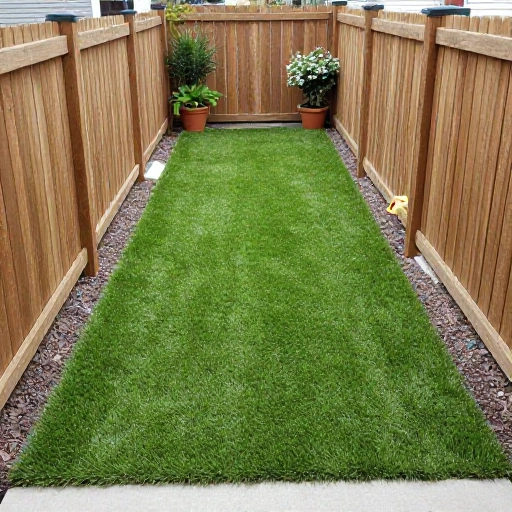
I know artificial turf can feel a little fake, but hear me out. For a narrow side yard, it’s a game-changer. You get a lush green runway that stays perfect year-round, and your dog gets a soft surface that won’t turn into a mud pit.
I chose a pet-friendly turf with built-in drainage. It took an afternoon to install with a few friends, and now my dog uses it as her personal race track. She does zoomies down the entire length, skids at the end, and runs back. Zero maintenance for me.
Just make sure you hose it down weekly if your dog uses it for bathroom breaks. It rinses clean in seconds.
3. The Agility Lane for High-Energy Dogs
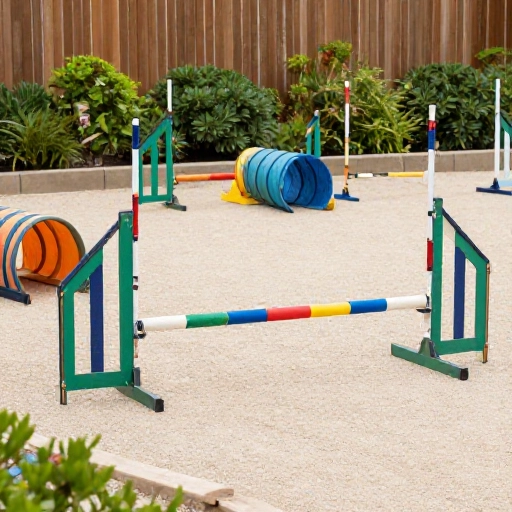
If your dog has energy to burn, turn that side yard into a mini agility course. I installed a low jump bar, a weave pole set made from PVC pipes, and a small tunnel. The whole setup fits in a space that’s only four feet wide.
My border collie mix learned the course in two days. Now we do a quick run-through before work, and she’s calm for hours. You don’t need fancy equipment—I made the weave poles from plumbing supplies and the jump from wooden dowels.
The best part? It folds up and stores against the house when I want the yard clear.
4. The Shade Canopy With a Cool Down Zone
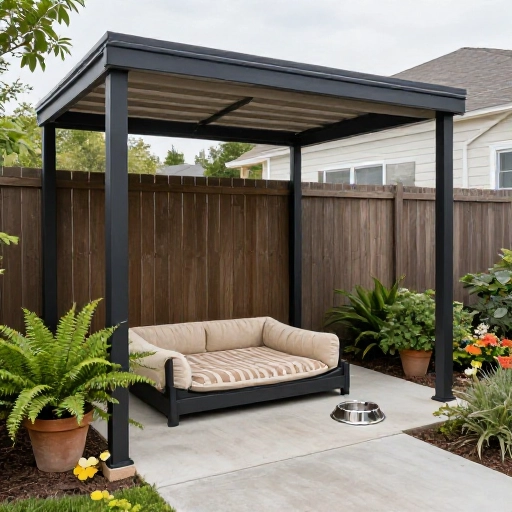
Side yards often get blasted by afternoon sun, especially if they run along the south side. I installed a simple shade sail from the house to the fence, creating a cool corridor for my dog. Underneath, I put a small kiddie pool and a raised cot bed.
My dog uses this spot as her summer lounge. She can sip water, lie on the elevated bed (which stays cool), and dip her paws in the pool. I added a few potted ferns for extra shade and a calm vibe.
This transformation is cheap, takes an hour to set up, and keeps your pup safe from heat.
5. The Dig Pit That Saves Your Garden
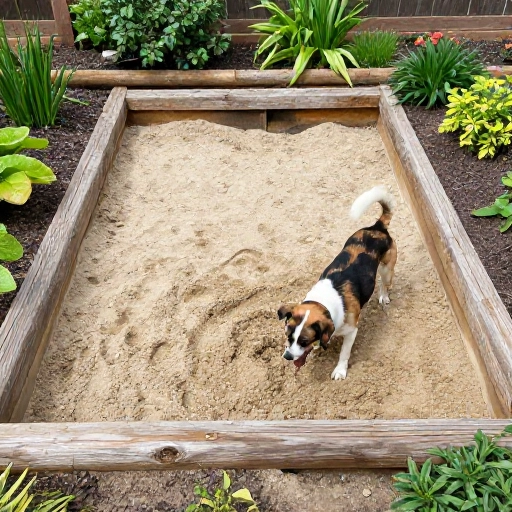
Does your dog dig holes in your flower beds? I solved this by building a dedicated dig pit at the far end of my side yard. I framed a 4×4 area with landscape timbers, filled it with play sand, and buried a few toys and bones just below the surface.
The first time my dog walked past, she smelled the hidden treasures and started digging like crazy. Now she goes straight to the pit and leaves my roses alone. I cover it with a tarp when it rains to keep the sand dry and fresh.
It’s ugly? No. I painted the timbers a dark green, and it blends right into the fence line.
6. The Pee Post Station for Marking Maniacs
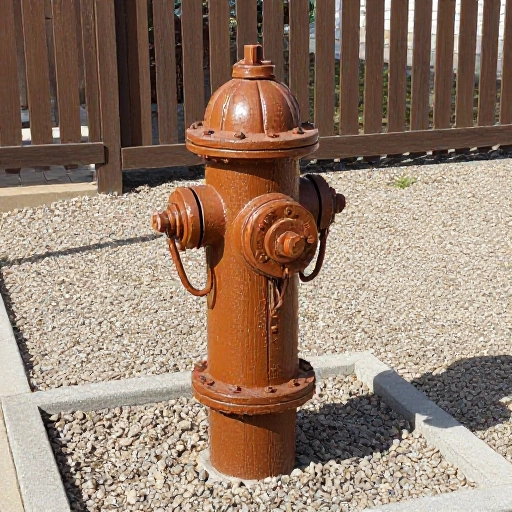
I know, it’s not glamorous, but it’s practical. My male dog loves to mark every bush and fence post. Instead of letting him kill all my plants, I installed a few treated wooden posts along the side yard. I placed them two feet apart, sunk into concrete.
He uses them constantly, and I don’t have to worry about dead grass or burned shrubs. I planted a ring of clover around each post—clover handles dog urine way better than regular grass. It stays green no matter what.
This one simple change saved my side yard from turning into a brown wasteland.
7. The Potty Patio With a Hidden Drain
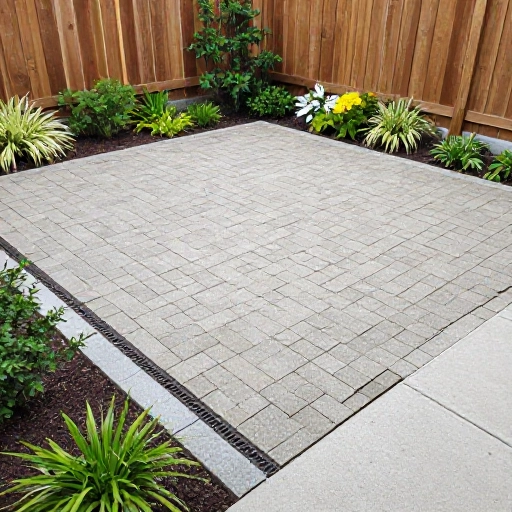
For small side yards, a potty patio is a lifesaver. I laid down a 3×8 section of concrete pavers with a slight slope toward a hidden gravel drain. On top, I put a patch of real sod that I swap out every two weeks.
My dog knows this is her bathroom spot. The urine drains through the sod and gravel, so there’s no smell or puddles. I hose it down every morning, and it’s fresh by noon. The rest of the side yard stays clean and usable for play.
If you’re handy, you can DIY this in a weekend. I used permeable pavers so water never pools.
8. The Vertical Garden Wall With Dog-Friendly Plants
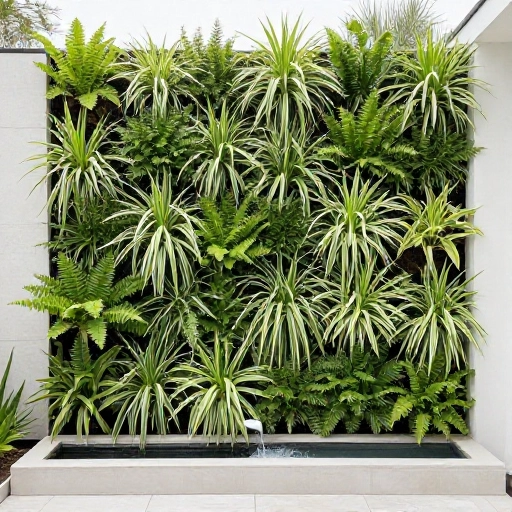
Narrow side yards feel cramped if you have bare fences on both sides. I turned one fence into a vertical garden with planter pockets. I filled them with dog-safe plants like spider plants, Boston ferns, and blueberry bushes.
My dog loves to sniff the herbs—I planted mint and basil at her nose level. The green wall makes the space feel twice as big, and it blocks the view of the neighbor’s trash cans. Drip irrigation keeps it watered automatically.
Fair warning: check every plant before you buy. Some popular garden plants are toxic to dogs. I stuck with confirmed safe options only.
9. The Nighttime Glow Run With Solar Lights
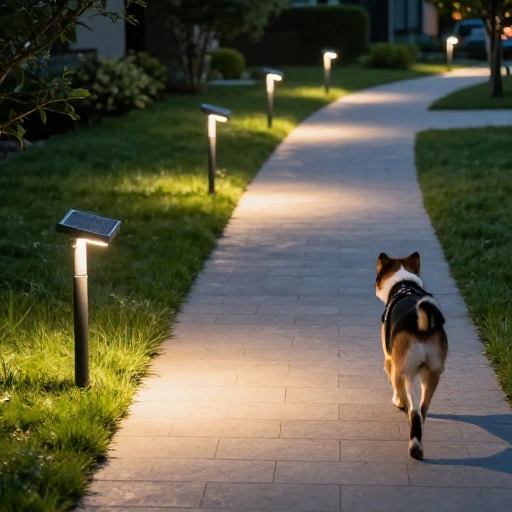
My dog needs her last potty break at 10 p.m., and the side yard was pitch black. I fixed it by lining the fence and path with solar stake lights. They charge during the day and cast a soft glow at night.
I also added a few motion-sensor lights near the house door. Now I can see exactly where my dog is, and she’s not scared of dark corners. The lights are warm white, so they look cozy, not like a football stadium.
Bonus: I never have to plug anything in or change batteries.
10. The All-Weather Run With Rubber Mulch
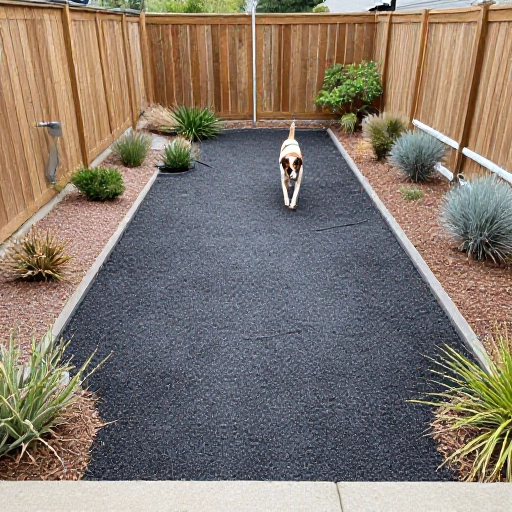
This is the upgrade I’m most proud of. I covered the entire side yard floor with rubber playground mulch. It’s soft, bounces back after rain, and never rots. My dog can run full speed without slipping, even when it’s wet.
I bordered it with pressure-treated lumber to keep the mulch contained. The whole thing took a weekend and cost less than a fancy dog bed. It stays clean, doesn’t attract bugs, and my dog’s joints thank me during cold months.
If you have a senior dog, this is the move. They get traction and cushioning without any effort from you.
Your Side Yard Can Be So Much More
I never expected my narrow side yard to become my dog’s favorite spot. But after these transformations, she honestly prefers it to the big backyard. It’s her private runway, her digging zone, her cool retreat. And for me, it’s one less space to mow, weed, or ignore.
Pick one idea that fits your dog’s personality and your budget. Start small. You can always add more later. The goal is to create a space you both actually want to use every single day.
Frequently Asked Questions
1. How wide does a side yard need to be for a dog run?
Most of these ideas work in spaces as narrow as three feet wide. Anything under two feet might feel too tight for your dog to turn around comfortably.
2. What’s the best surface for a side yard dog run?
It depends on your climate. Pea gravel and rubber mulch work well in wet areas. Artificial turf is great for dry climates. Avoid plain dirt or mud.
3. How do I keep my dog from digging under the fence?
Install a buried barrier—chicken wire or metal edging—six inches underground along the fence line. You can also use large rocks or concrete pavers at the base.
4. Can I grow plants in a side yard dog run?
Yes, but stick with dog-safe, hardy plants. Clover, thyme, and certain ferns hold up well to traffic and urine. Avoid toxic plants like lilies, azaleas, or sago palm.
5. Do I need a permit to build a dog run in my side yard?
Check your local zoning rules. Most simple changes like gravel, turf, or planter boxes don’t need permits. Structures like fences or permanent patios might. A quick call to your city office clears it up.