15 Designer Cat Trees You Can Make Yourself
Let’s be honest—cat trees are ridiculously expensive. You walk into a pet store, see a basic tower with a scratch post, and it costs more than your weekly grocery haul. And half the time, they look like they belong in a kids’ playroom rather than your living room. That’s why I started building my own. Not only do I save a ton of money, but I get to design something that actually matches my home decor.
Over the years, I’ve made everything from a minimalist wall-mounted shelf system to a full-on cat condo that looks like a piece of modern art. The best part? You don’t need to be a woodworking pro. Most of these projects use simple tools, basic lumber, and a little bit of creativity. If you can drill a hole and screw in a bracket, you can build your cat a palace.
Here are 15 designer-style cat trees you can DIY this weekend. Your cat will love them, your guests will be impressed, and your wallet will thank you.
1. The Minimalist Wall Shelf Climber
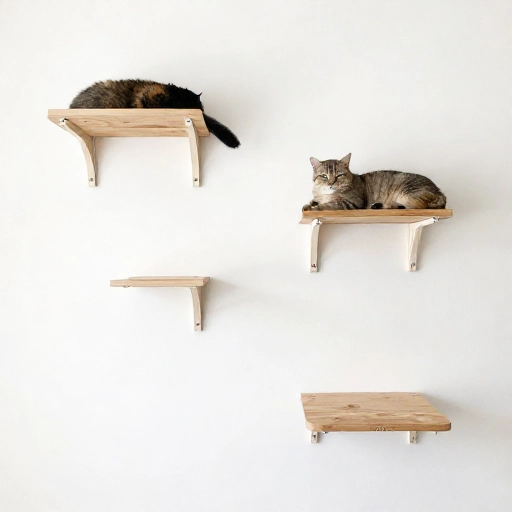
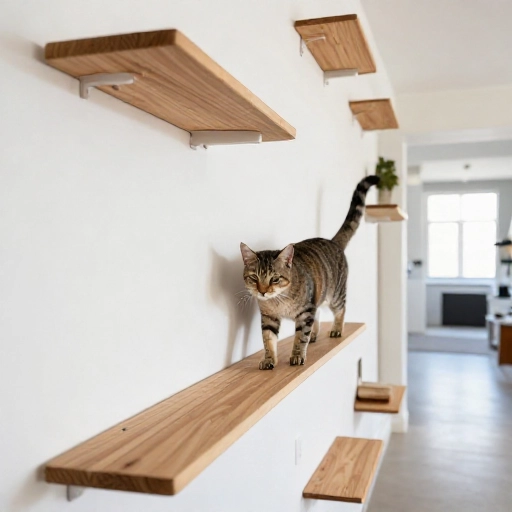
This is my absolute favorite for small apartments. Instead of a bulky floor tree, you mount floating shelves at staggered heights along a wall. Cats love to climb vertically, and this gives them a full playground without taking up floor space.
Use solid wood shelves (ikea Lack shelves work great) and cover each one with a carpet tile or sisal mat for grip. Mount them at different angles—some straight, some slightly offset—so your cat can jump and pivot between them. Make sure to use heavy-duty wall anchors, especially if you have a chunky cat.
The beauty of this design is that it’s completely customizable. You can add more shelves later, or swap out the carpet for a different texture. It looks clean, modern, and your cat will be doing parkour in no time.
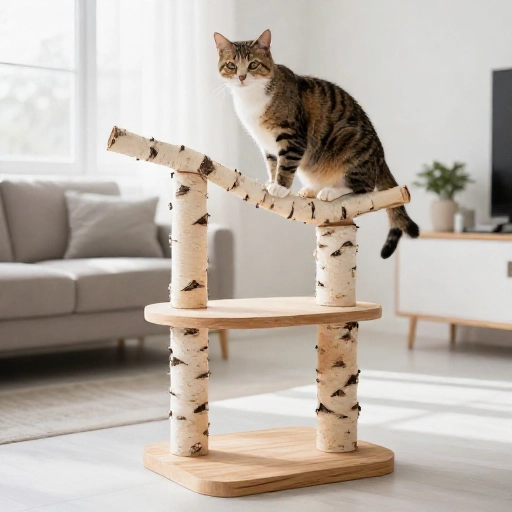
2. The Modern Birch Branch Tower
If you want a natural, Scandinavian vibe, this one is for you. Find a sturdy, thick branch (birch or manzanita works beautifully) and secure it to a heavy wooden base. Then, attach small platforms at various heights along the branch using metal brackets.
This looks like a piece of sculpture. I sanded my branch down to remove rough bark, then applied a clear coat to protect the wood. The platforms can be round or square—just make sure they’re at least 12 inches wide so your cat can comfortably lounge.
For the base, use a 2-foot square piece of plywood and add a second layer underneath for weight. You can also add a few large river stones on top for extra stability. Your cat will love the natural scratching surface of the branch, and it looks gorgeous in any room.
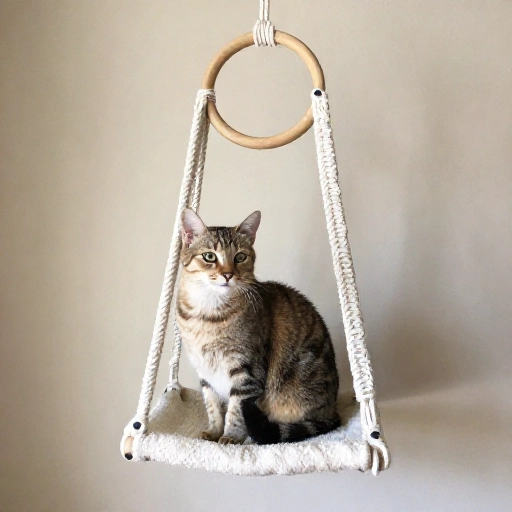
3. The Boho Macramé Hanging Perch
For the crafty cat parent, this hanging perch is a dream. You’ll need a wooden embroidery hoop (a large one, like 18 inches), some sturdy macramé rope, and a ceiling hook. Weave the rope in a pattern across the hoop to create a net-like surface, then hang it from the ceiling.
Make sure to use a thick rope (at least 6mm) and tie strong knots. Check the weight limit of your ceiling hook—it needs to hold your cat plus the momentum of them jumping in. Place a soft cushion or a folded blanket on top for comfort.
This is perfect for a sunny window spot. Cats love being up high, and the gentle swaying motion is oddly soothing for them. Plus, it’s a total conversation starter when friends come over.
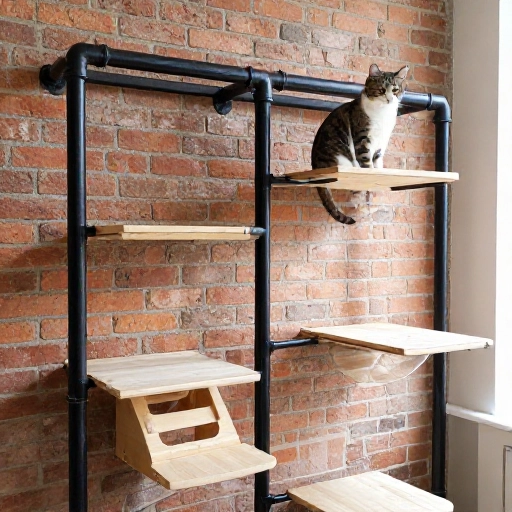
4. The Industrial Pipe & Wood Condo
This is the ultimate urban loft look. Use black iron pipes (available at any hardware store) as the vertical posts, and connect them with wooden platforms at different levels. The industrial vibe is chic, durable, and super sturdy.
You’ll need to plan out your design on paper first. Decide how high you want it, and buy the corresponding pipe lengths and flanges. Screw the flanges to your wooden platforms, then connect the pipes vertically. Add a solid plywood base at the bottom so it doesn’t tip over.
Wrap the lower sections of pipe with sisal rope to create scratching posts. The contrast of the dark metal with warm wood is stunning. This tree will last for years and can support even the heaviest of cats.
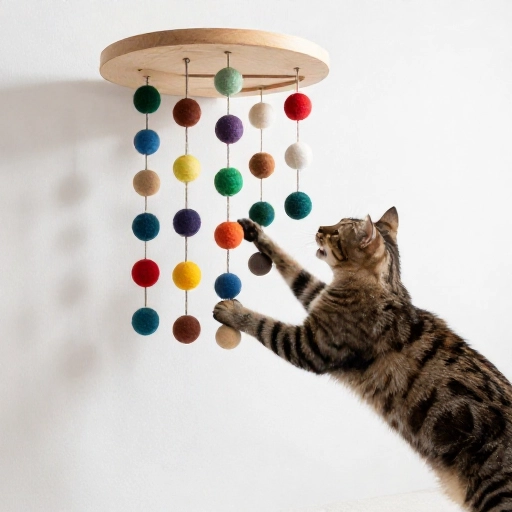
5. The Felt Ball Cascade Tree
If you love texture and color, this felt ball tree is a winner. Start with a simple wooden post anchored to a base. Then, hot glue hundreds of small wool felt balls all over the post. It creates a vibrant, tactile surface that cats love to rub against and scratch.
You can buy felt balls in bulk online or at craft stores. Choose a color palette that matches your room, or go wild with rainbow colors. Mix different sizes for a more organic look.
Add a round wooden platform at the top with a comfy cushion. This tree is lightweight but surprisingly durable. Just keep an eye on the felt balls—if one comes loose, glue it back on immediately.
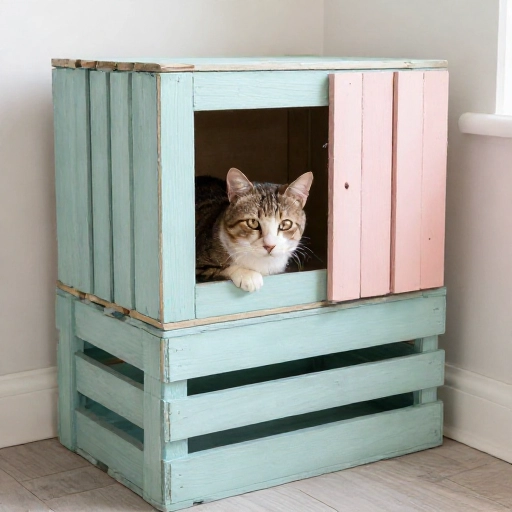
6. The Stacked Crate Condo
This is the budget-friendly champion. Grab a few wooden crates (the ones from craft stores or home decor shops) and stack them in a zigzag pattern. Secure them together with screws through the sides so they don’t slide.
Turn some crates on their sides to create cubby holes for hiding, and leave others open for perching. Line the bottom of each crate with a soft blanket or a piece of carpet. You can paint the crates to match your decor or leave them natural for a rustic look.
This is also a great project if you have multiple cats. Each cat gets their own little room. And when you move, you can disassemble the whole thing and stack the crates flat.
7. The Luxury Velvet Tower
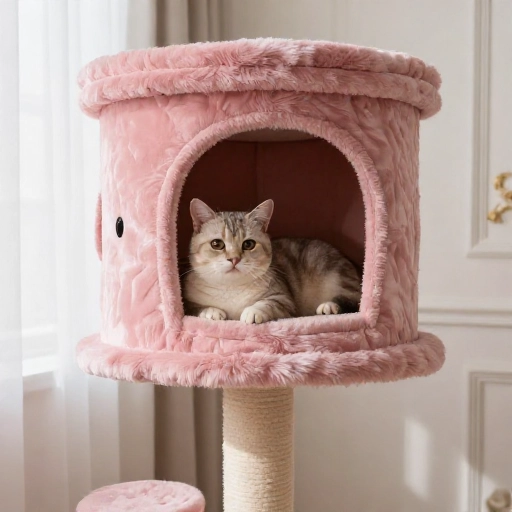
Who says cat furniture can’t be glamorous? This tower is all about the fabric. You’ll need a sturdy wooden frame (or a pre-made plain cat tree) and some high-quality velvet fabric. Reupholster the platforms and the base with the velvet.
Use a staple gun to attach the fabric, pulling it tight for a smooth finish. For the posts, wrap them in velvet too, or use a thick rope for contrast. Add a tufted cushion on the top platform for that extra designer touch.
This project takes a bit more time, but the result is a piece of furniture that looks like it belongs in a high-end boutique hotel. Your cat will be the most stylish feline on the block.
8. The Rope-Wrapped Floor Lamp Climber
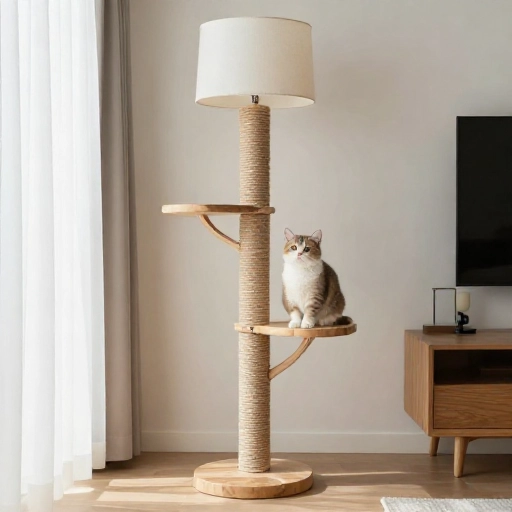
Here’s a clever hack: take an old floor lamp base (or an inexpensive one from a thrift store) and turn it into a cat tree. Remove the lampshade and wiring, leaving just the tall pole and the heavy base.
Wrap the entire pole tightly with sisal rope, securing the ends with hot glue. Then, attach a few small wooden platforms to the pole using round flanges. This gives your cat a spiraling climb up to the top, where you can place a cozy bed.
The heavy base keeps it stable, but you might want to add a bigger wooden base underneath for safety. This is a space-saving design that looks like a piece of functional art.
9. The Geometric Cat Cube
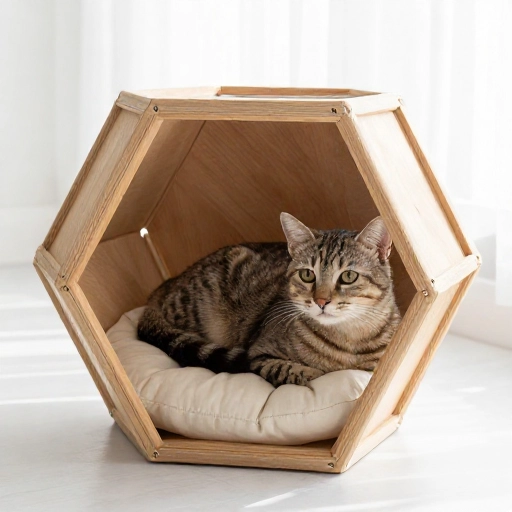
For a modern, architectural look, build a cat tree using wooden dowels and geometric shapes. Create a cube frame using dowels and corner joints, then add a diagonal platform inside. This is all about clean lines and negative space.
You’ll need to be precise with your measurements to get the angles right. Use wood glue and small screws to reinforce the joints. Add a sisal-covered post in the center for scratching.
This is a statement piece that will look amazing in a minimalist home. It’s also a great conversation starter because it doesn’t look like a typical cat tree at all.
10. The Repurposed Suitcase Perch
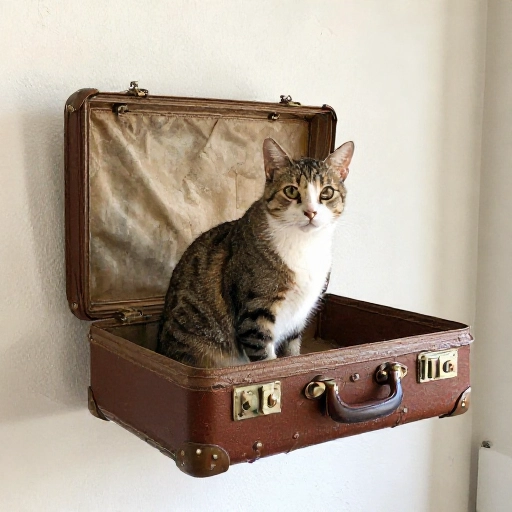
Do you have an old vintage suitcase lying around? Turn it into a charming cat perch. Open the suitcase and secure it against a wall at a comfortable height, or mount it on a sturdy wooden stand.
Line the inside with a soft blanket or a piece of memory foam. The hard shell of the suitcase provides a cozy, enclosed feeling that cats love. You can leave the suitcase closed and just place a cushion on top for a simple perch, or prop it open for a hideaway.
This is a quirky, unique piece that adds character to any room. Plus, it’s a great way to upcycle something you already own.
11. The Catwalk Wall Bridge
Take your wall-mounted shelves to the next level by adding a bridge. Install two shelves on opposite walls (or far apart on the same wall), and connect them with a wooden plank that spans the gap.
For a simple bridge, screw a thick plank into the wall studs. For a more adventurous design, create a plank with rope rails on the sides. This gives your cat a fun, slightly wobbly walkway.
This is perfect for high-ceiling rooms. It encourages your cat to explore and exercise, and it looks incredibly cool. Make sure the bridge is securely anchored—safety first.
12. The Cozy Box Fort Condo
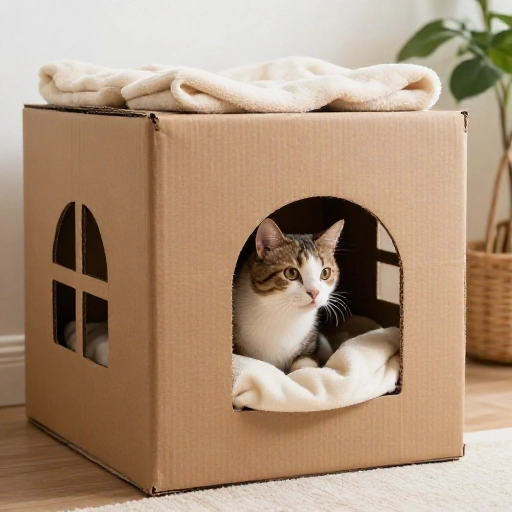
This one is all about comfort. Build a simple frame out of plywood, then create multiple compartments—some open, some closed. Think of it like a luxury cat apartment building.
Add circular holes to some of the walls so your cat can move between compartments. Line each section with a different texture: fleece, carpet, faux fur. Include a tall tower section with a top perch.
This is a bigger project, so set aside a weekend. But the result is a cat condo that your cats will fight over. It’s warm, secure, and personalized to their exact preferences.
13. The Plant Stand Cat Tree
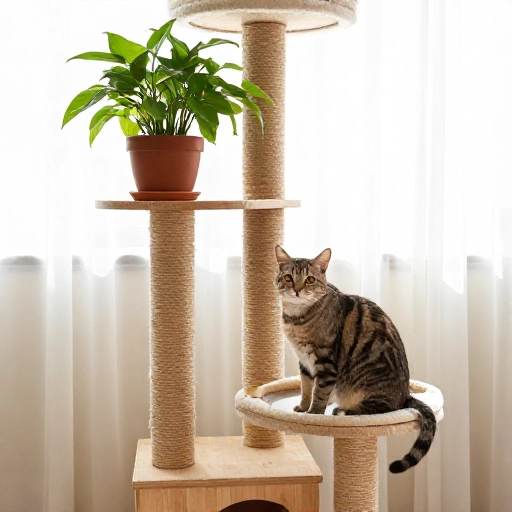
Combine your love of plants and cats with this clever design. Take a wooden plant stand (or build one) with multiple tiers. Replace the top tier with a cat perch, and use the lower tiers to hold your plants.
Make sure the plants you choose are non-toxic to cats. Your cat will love sitting among the greenery, and the plants add a fresh, natural element to the design. It’s a win-win for both of you.
You can also add a small sisal-wrapped post on one side for scratching. This piece blends seamlessly into a sunroom or living area.
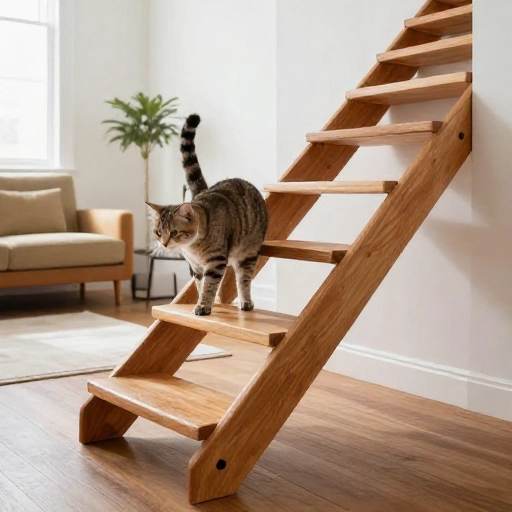
14. The Mid-Century Modern Staircase
If you have a staircase, this is a genius space-saver. Build a series of wooden platforms that attach to the wall along the staircase, following the angle of the steps. This creates a climbing wall for your cat.
Use a level to ensure each platform is flat, even though they’re at different heights along the stairs. Cover each one with a non-slip surface. Your cat will love racing up and down this vertical adventure path.
This design is sleek and modern, and it uses otherwise dead space. It looks like an intentional design feature, not just cat furniture.
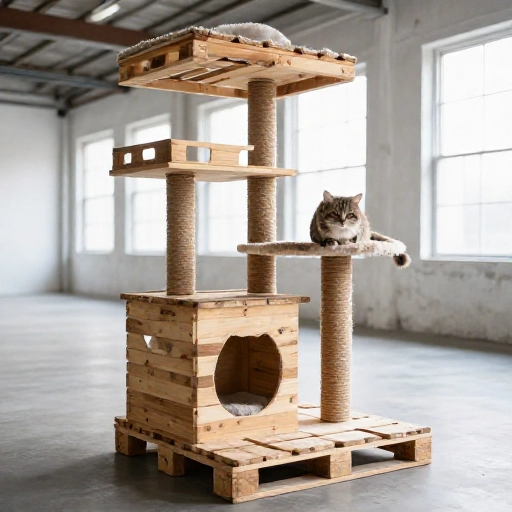
15. The Pallet Wood Rustic Tower
For the eco-conscious DIYer, this rustic tower is made from upcycled pallet wood. Break down a few pallets, sand the wood down, and build a sturdy multi-level tower. The wood has a beautiful, weathered texture that adds instant character.
Build a simple frame, then add platforms at varying heights. Use thick branches or dowels wrapped in sisal rope as the posts. This tree has a charming, farmhouse feel that fits perfectly in a rustic or industrial home.
Be sure to sand the wood thoroughly to avoid splinters. This is a durable, sturdy build that costs almost nothing if you can get pallets for free.
Final Thoughts
Building your own cat tree is one of the most rewarding projects you can do as a pet parent. You get exactly what you want, you save money, and you create something unique that your cat will love for years. Plus, there’s a special kind of pride when you see your cat lounging on something you made with your own two hands.
Start with a simple project like the wall shelves or the rope-wrapped lamp. Once you get the hang of it, you’ll be dreaming up bigger and more complex designs. Your cat doesn’t care about brand names—they just want a comfy, high-up spot to watch the world go by.
Frequently Asked Questions
What tools do I need to build a DIY cat tree?
You’ll need a drill, a screwdriver, a saw (or have wood cut at the store), a staple gun, and measuring tape. A level is also helpful for wall-mounted designs. That’s really it to get started.
How do I make sure the cat tree is stable?
Always use a wide, heavy base. Add extra weight to the bottom if needed, like sandbags or heavy stones. For wall-mounted designs, screw directly into wall studs, not just drywall.
What’s the best material for the scratching posts?
Sisal rope is the gold standard. It’s durable and satisfying for cats to scratch. Cover the posts tightly and secure the ends with hot glue or staples.
How high should the platforms be?
For adult cats, platforms should be at least 12-16 inches wide to allow comfortable lounging. For jumping gaps, keep distances under 18 inches for most cats, but adjust based on your cat’s age and agility.
Can I build a cat tree if I’m not handy?
Absolutely. Start with the simplest designs like the crate condo or the wall shelves. All you need is basic DIY confidence. As you build, you’ll get better and might even enjoy it.