Your Peaceful Night: A Puppy Sleep Training Routine That Works

Let’s be honest—those first few weeks with a new puppy can feel like you have a tiny, adorable, furry newborn. The midnight whimpers, the 3 AM potty trips, the restless energy when you just want to sleep. I’ve been there, and I know how exhausting it is.
But here’s the good news: puppies thrive on routine. A consistent nighttime ritual doesn’t just save your sanity; it teaches your pup when it’s time to wind down and sleep through the night. It’s about creating a predictable, calm environment that signals to their busy little brain, “Okay, the day is done.”
This routine transformed our nights from chaotic to calm, and I’m sharing every step that worked for us. Think of it less as strict training and more as creating a cozy, predictable evening that you’ll both love.
1. The Power of a Predictable “Last Call” for Potty
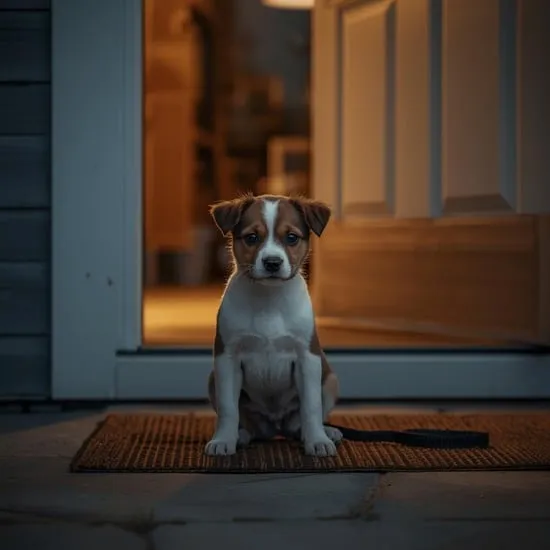
Timing is everything. About 30-60 minutes before bedtime, I take my puppy out for their final bathroom break of the night. This isn’t a play session; it’s all business. I use a specific phrase like “last call” or “go potty” so they learn to associate those words with this important pre-sleep task.
I make sure this trip happens after any evening play or training, giving their little system time to process. A truly empty bladder and bowels are the absolute foundation for a full night’s sleep—for both of us!
2. Create a Cozy, Dedicated Sleep Space
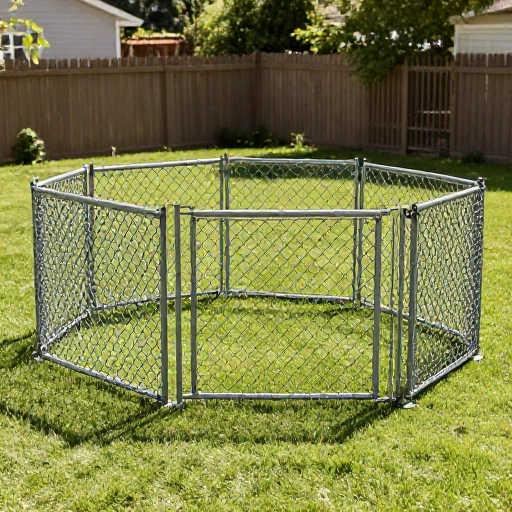
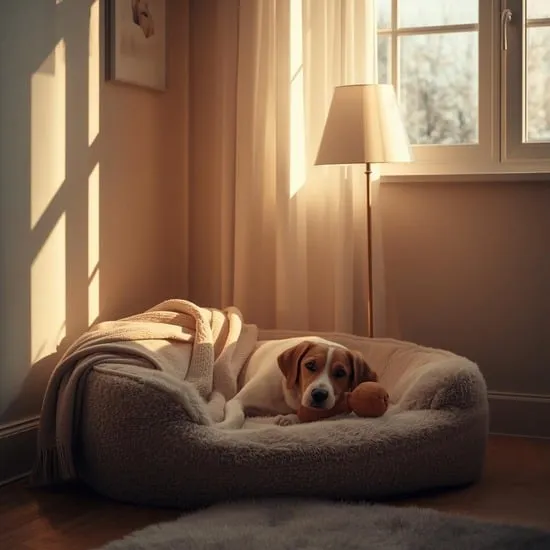
Your puppy needs a “den.” This could be a crate with a soft bed or a penned-off area in a quiet corner. I made ours super inviting with a soft blanket that smells like me (I slept with it for a night!) and a safe, snuggle-friendly toy.
The key is consistency. This space is for sleeping and quiet time only. It becomes their safe haven, a place they associate with calm and security, making it much easier for them to settle down.
3. Wind Down with Calm Evening Play
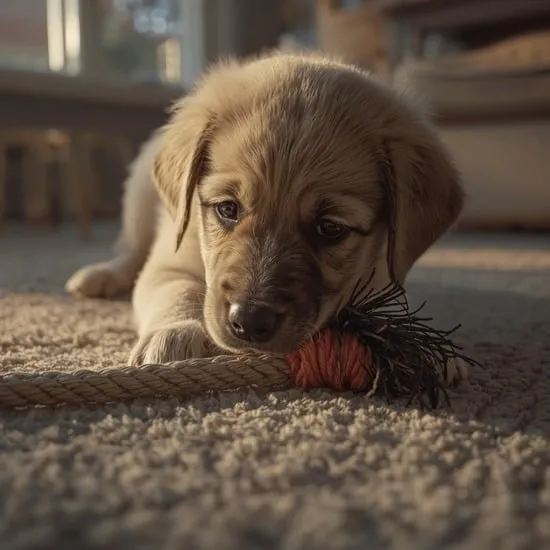
About an hour before bed, I switch from high-energy games like fetch to calm, engaging activities. Think gentle tug-of-war with a soft toy, a short training session focusing on “settle,” or a food puzzle toy.
This helps them mentally unwind and burn off that last bit of energy in a controlled way, preventing them from being over-tired and wired right at bedtime.
4. The Magic of a Bedtime Snack & Hydration Cut-Off
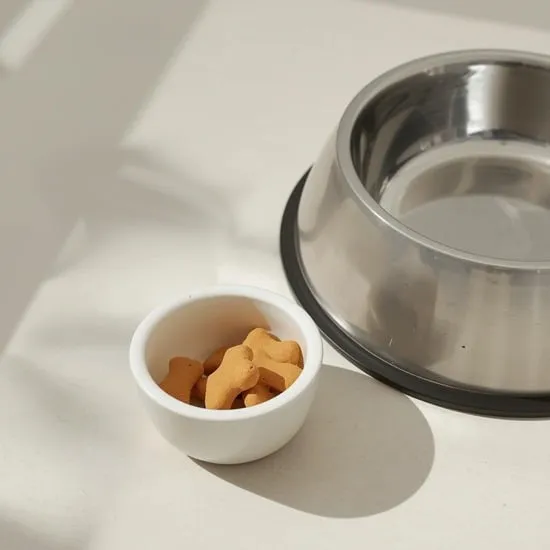
A small, boring bedtime snack about 30 minutes before bed can help settle their stomach. I use a few pieces of their regular kibble or a specific calming treat. The real trick? Picking up the water bowl about 1-2 hours before bedtime.
This simple step drastically reduces the chance of a middle-of-the-night potty emergency. They get plenty of water during the day, so a short evening cut-off is perfectly safe and incredibly effective for sleep training.
5. Master the Calm “Last Potty” Trip
Right before I put my pup in their crate for the night, we go out one final time. This trip is super quiet and boring. I stand still, use my “go potty” cue, and give quiet praise when they go. No play, no exploring.
This teaches them that nighttime potty breaks are quick and functional, not the start of a fun adventure. It’s the final clear signal that the day is officially over.

6. Use a Consistent “Lights Out” Cue
Dogs are cue masters. I use the same phrase every single night as I put my puppy in their crate, like “Time for bed” or “Goodnight.” I say it calmly, give a gentle pat, and then it’s lights out (or very dim).
This verbal cue, paired with the action, becomes a powerful signal. They quickly learn that after they hear those words, it’s time to get cozy and drift off.
7. Embrace the Silence (And a White Noise Machine)
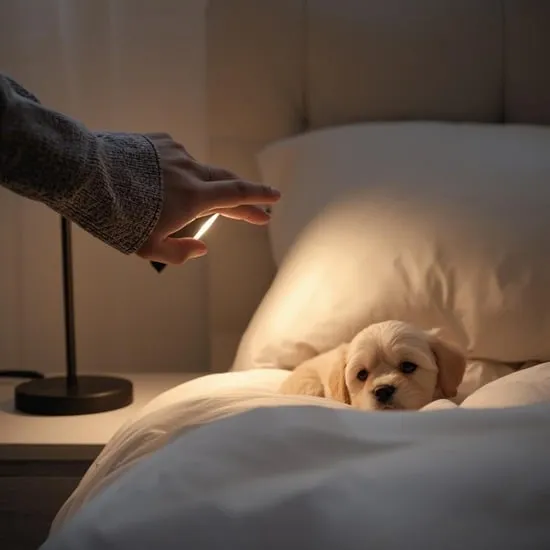
When it’s bedtime, I commit to being boring. I turn off the TV, stop talking loudly, and dim the lights in the room where my puppy sleeps. Sudden noises can startle a sleeping pup awake.
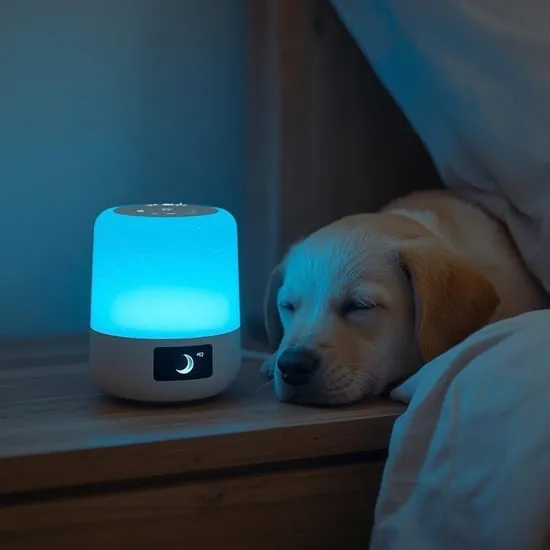
I also love using a white noise machine or a fan. It muffles household sounds and creates a consistent, soothing sound blanket that helps them stay asleep through minor disturbances.
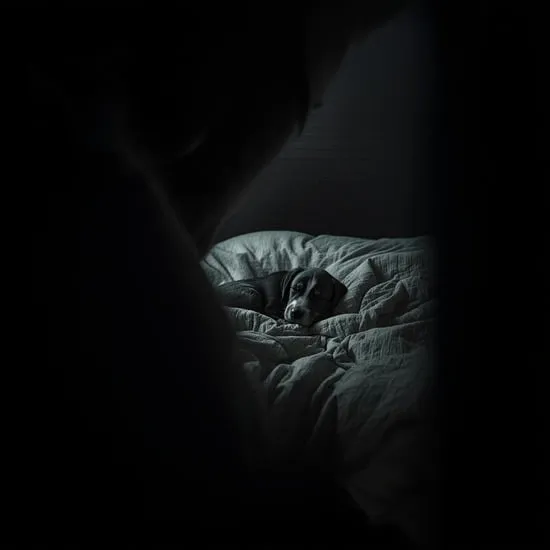
8. Resist the Midnight Whimper (Unless It’s Potty)
This is the hardest part. When your puppy whines or barks at night, you have to listen carefully. Is it a distressed “I need to go out NOW” cry, or a frustrated “I’m lonely” whimper?
If it’s been a few hours and it sounds urgent, I take them out quickly and quietly (no play, no talking), then straight back to bed. If it’s just complaining, I wait a few minutes. Often, they self-soothe and fall back asleep, learning they are safe alone.
9. Make Mornings Bright & Predictable Too
The routine starts again the moment they wake up! I take my puppy out immediately upon waking, using a happy, excited “Good morning!” cue. This reinforces that daytime is for fun and activity, and nighttime is for quiet.
After their morning potty, we have breakfast and some play. This clear contrast between calm nights and active mornings helps solidify their internal clock.

10. Patience & Consistency Are Your Best Tools
Some nights will be perfect; others will feel like a step back. That’s normal! Puppy sleep training isn’t linear. What matters is sticking to the routine as much as humanly possible, even on weekends.
Every puppy is different. What took my friend’s pup three days to learn took mine three weeks. Be patient with yourself and your furry friend. The consistency will pay off with years of peaceful nights.
Sweet Dreams Are Made of This
Building this puppy night routine was a game-changer for our household. It didn’t just give me back my sleep; it gave my puppy the security and structure she needed to feel confident and calm. Those quiet, predictable evenings became a special bonding time for us, a gentle way to end our day together. Stick with it—you’ve got this, and a full night’s sleep is closer than you think.
Puppy Sleep Training FAQ
Q: How long can my puppy hold it at night?
A: A general rule is their age in months plus one hour (e.g., a 3-month-old pup can hold it for about 4 hours). Be prepared for midnight potty trips initially.
Q: Should I put water in the crate?
A: I don’t recommend it for sleep training. It leads to more potty breaks. Ensure they are well-hydrated throughout the day and offer water immediately in the morning.
Q: What if my puppy cries all night?
A> First, ensure all needs are met (potty, comfort). If they’re safe, brief crying is often part of learning to self-settle. Start with the crate near your bed and gradually move it to its final location.
Q: Is it okay to let my puppy sleep in my bed?
A> That’s a personal choice! For solid sleep training, I recommend mastering the crate or pen routine first. It establishes independent sleep habits. You can always revisit bed-sharing later if you wish.
Q: When will my puppy start sleeping through the night?
A> Most puppies can consistently sleep 6-8 hours by 4-6 months of age. Sticking to a routine like this one will help them reach that milestone faster.