17 Modern Dog Park Designs That Turn Neighborhoods Into Happy Communities
You know that feeling when you walk into a dog park and instantly know it’s going to be a good day? The grass is lush, there’s shade for days, and the humans are actually chatting instead of staring at their phones. That’s not an accident—that’s thoughtful design. I’ve spent way too many weekends scouting parks with my own pup, and I’ve learned that the best ones do more than just give dogs room to run. They give people a reason to stay, connect, and come back.
Modern dog parks are no longer just fenced-in dirt lots. They’re becoming the heart of new neighborhoods, with features that make life easier for everyone—dogs, owners, and even the folks who don’t own a pet. If you’re dreaming up a park for your community or just love seeing what’s possible, these 17 ideas will totally change how you think about public spaces.
1. The “Splash Pad” Zone for Water-Loving Dogs
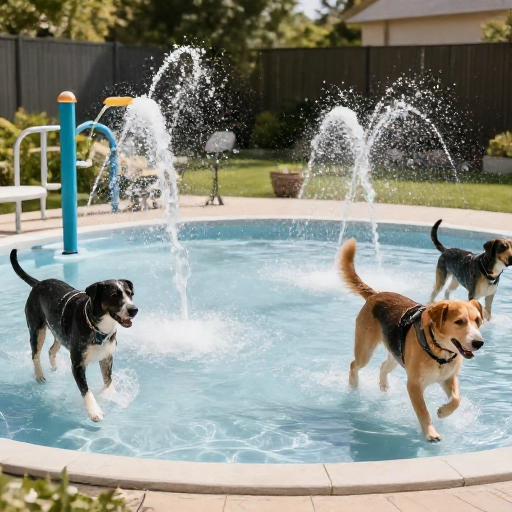
There’s nothing cuter than a dog trying to catch a water jet. Adding a dedicated splash pad with ground-level fountains and sprayers is a game-changer. It’s not a deep pool, so it’s safe for small breeds and puppies, but it’s enough to cool everyone off on a hot summer day.
I love that these pads are usually on a timer, so they’re not wasting water all day. Plus, they give dogs who don’t love swimming a chance to get wet and silly. It’s the ultimate social icebreaker, too—nothing brings owners together like watching their dogs do the “zoomies” through a spray.
2. Separate “Small Dog” Meadows with Big Views
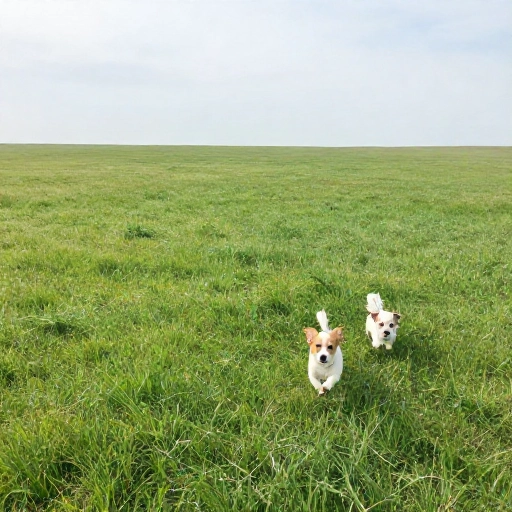
Let’s be real—small dogs need their own space. A modern park design that puts the small dog area on a slight hill with a clear view of the big dog field is genius. It lets tiny pups feel like they’re part of the action without getting bowled over by a 70-pound lab.
I’ve seen parks where the dividing fence is low enough for small dogs to see through but high enough to keep jumpers in. Adding a few agility mini-hurdles in the small dog zone makes it a destination, not just a safe corner. It’s about giving every dog the right kind of fun.
3. The “Mutt Mile” Walking Loop
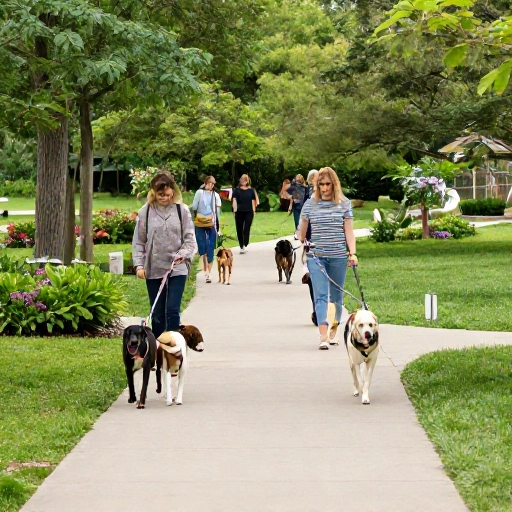
Not every visit to the dog park is about fetch. Sometimes, you just want a nice stroll. A dedicated walking loop that circles the entire park perimeter is a fantastic addition. It’s perfect for dogs who are still learning recall or for owners who prefer a leashed walk with a view of the action.
Designing this path with soft, shock-absorbing material (like wood chips or rubber) is kind to senior dog joints. I also love when there are little “sniffari” stations along the way—trees, bushes, and varied textures that let dogs be dogs. It turns a simple walk into a full sensory adventure.
4. Shade Structures That Actually Look Cool
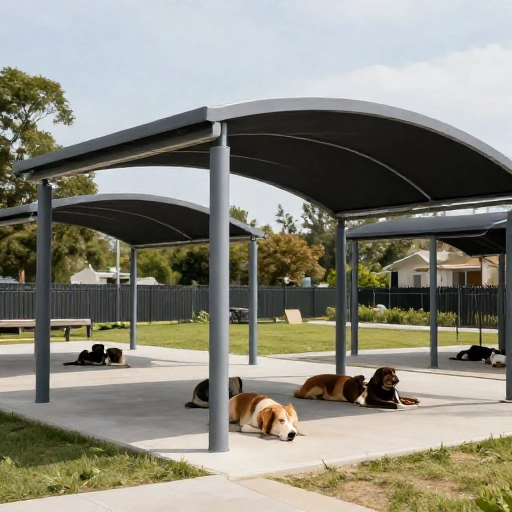
You know what’s not modern? A park with zero shade where you fry like an egg. The best new designs use sleek, geometric sail shades that look like art installations. They provide that crucial escape from the sun without making the park feel like a construction site.
I’ve seen parks with shade sails that are color-coded to match the different zones—blue over the water area, green over the main lawn. It’s practical and pretty. And let’s not forget the trees! Smart planting of native shade trees along the fence line gives natural relief and lowers the temperature of the whole park.
5. Double-Gated Entry with a “Bridging” Area
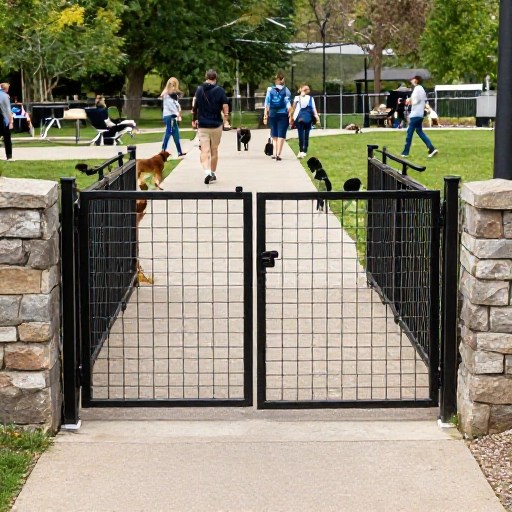
We all know the panic of a dog slipping out while you’re fumbling with the gate. Modern parks solve this with a double-gated airlock system. You enter the first gate, let your dog off-leash safely inside the small buffer zone, and then open the second gate to the main park.
This little buffer area is also a great spot to have a quick chat with other owners before you commit to the main party. It’s a safety feature that doubles as a social lobby. I always feel calmer entering a park when I know the gates are designed to prevent a jailbreak.
6. “Pup-Terior” Furniture for Humans
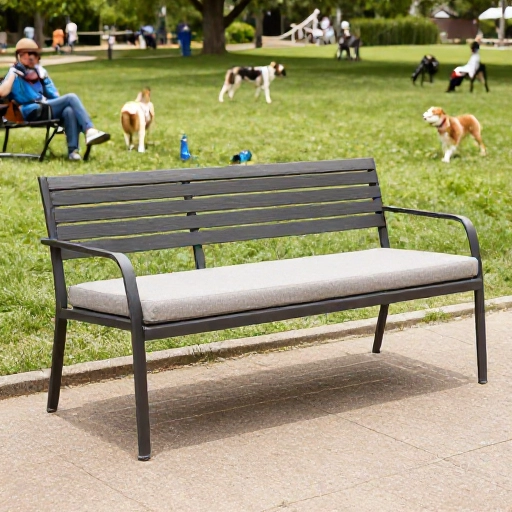
Forget those cold, hard metal benches. The new wave of dog parks includes comfortable seating that encourages people to linger. Think curved concrete benches with built-in planters, or even hammock stands in the shade. If the humans are comfortable, they stay longer, and that builds community.
I’m a big fan of “bistro-style” tables where you can put your coffee down while you toss the ball. Some parks even have a few charging ports on the benches now. It’s those little details that make a dog park feel like a living room, not just a cage.
7. The “Quiet Zone” for Anxious or Senior Dogs
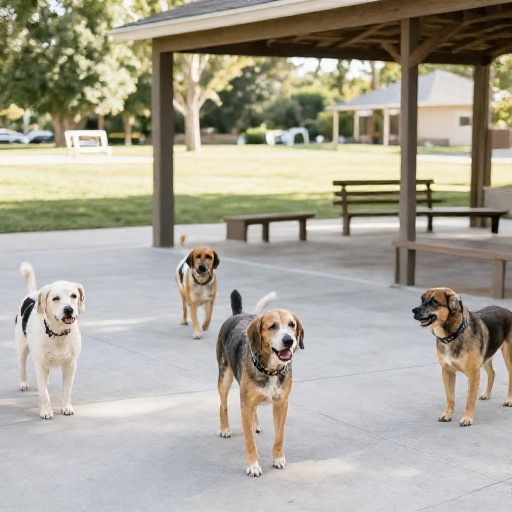
Not all dogs want to be in the middle of a wrestling match. A quiet zone is a separate, smaller enclosure with soft grass, low seating, and maybe a few gentle hills. It’s designed for senior dogs, shy pups, or those in training who need fewer distractions.
This is a brilliant community builder because it brings in a whole demographic that usually avoids dog parks. You get to meet the owners of the calm, gentle dogs. I’ve seen so many friendships start in the quiet zone between people who just want to sit and watch the world go by with their best friend.
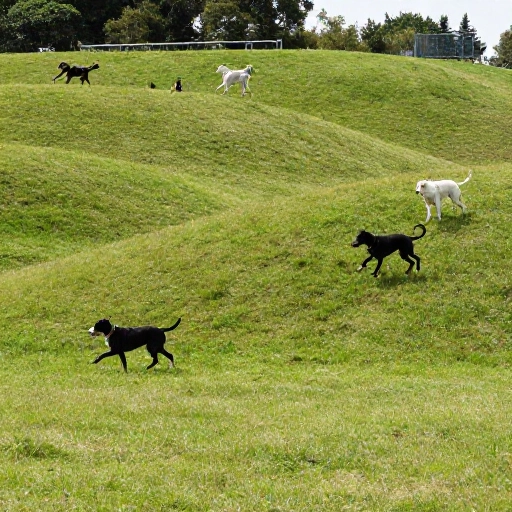
8. Natural Terrain with Hills and Berms
Flat, boring fields are a thing of the past. The most exciting parks use the existing landscape—or create new ones—with rolling hills, gentle slopes, and berms. These natural features are amazing for dog agility, as they provide a great workout for muscles and add a fun challenge to fetch.
Hills also create natural drainage, so you don’t get muddy puddles after a rainstorm. And from a design perspective, they make the park feel bigger and more interesting. Watching a dog run up and down a hill with pure joy is one of the best sights ever.
9. Paved Paths for All-Weather Access
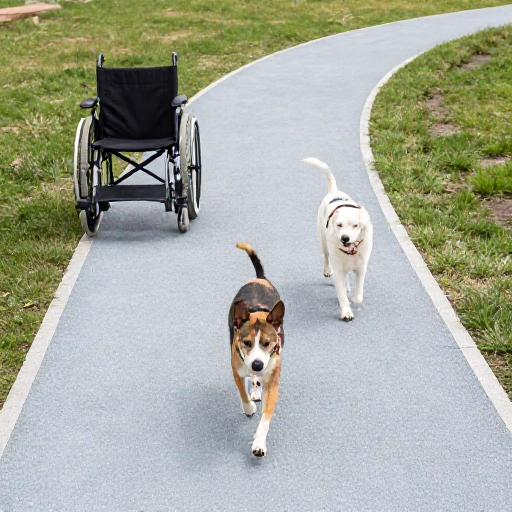
We all know the struggle of a muddy dog park. A modern design incorporates paved or permeable concrete paths that weave through the grassy areas. This gives you a clean route to walk on, while the dogs can still enjoy the grass. It’s a lifesaver in spring and fall.
These paths are also essential for accessibility. Parents with strollers, people in wheelchairs, or anyone with mobility issues can now enjoy the park too. It makes the park inclusive for the whole community, not just the able-bodied. Plus, it’s way easier to keep your sneakers clean.
10. Agility Equipment for All Skill Levels
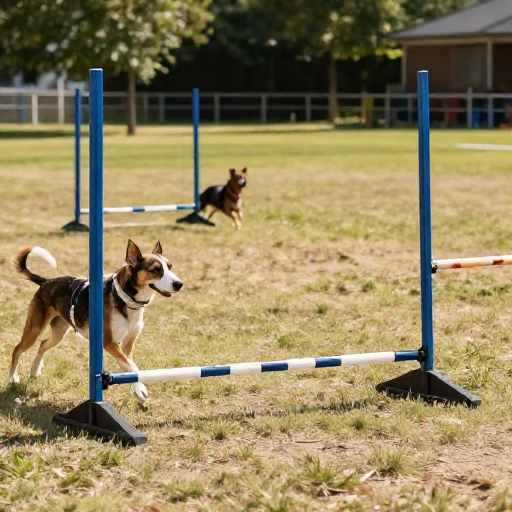
You don’t need to be a professional trainer to enjoy agility stuff. Modern parks are adding low-impact obstacles like tunnels, weave poles, and low jumps that are safe for the average dog. I love seeing a line of dogs waiting their turn for the tunnel—it’s organized chaos at its finest.
Having equipment gives owners a “job” to do with their dogs, which is fantastic for bonding. It also naturally breaks the ice. Before you know it, you’re helping a stranger’s puppy learn to jump a low hurdle. It’s a great way to burn off extra energy for high-drive dogs.
11. “Paw Wash” Stations at the Entrance
This is the feature that every apartment-dweller will thank you for. A designated paw wash station near the exit is a simple trough with foot-level sprayers and a drain. You can rinse off muddy feet before you let your dog back in the car or your apartment building.
It’s a small feature that shows the designers understand the real-life struggle of dog ownership. I’ve seen some stations with a little raised platform so you don’t have to bend over too far. It’s clean, simple, and keeps the community happy (and their floors cleaner).

12. Fenced Water Stations with Fresh Bowls
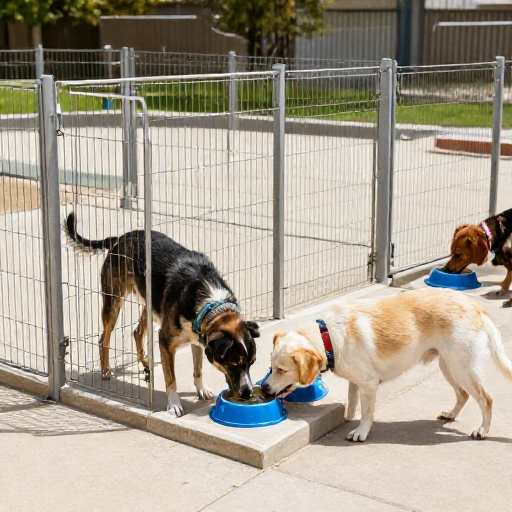
Hydration is key, but sharing a single metal bowl is gross. Modern designs include a dedicated water station with multiple bowls, a bottle filler for humans, and a fountain feature. Some even have a small “doggy drinking fountain” at dog height, which is equal parts hilarious and brilliant.
I appreciate when these stations are placed strategically in the shade, away from the main running path to prevent collisions. It’s a simple upgrade from the old “gallon jug and a bowl” approach, and it shows a level of care that makes the park feel premium.
13. The “Social Circle” for Humans
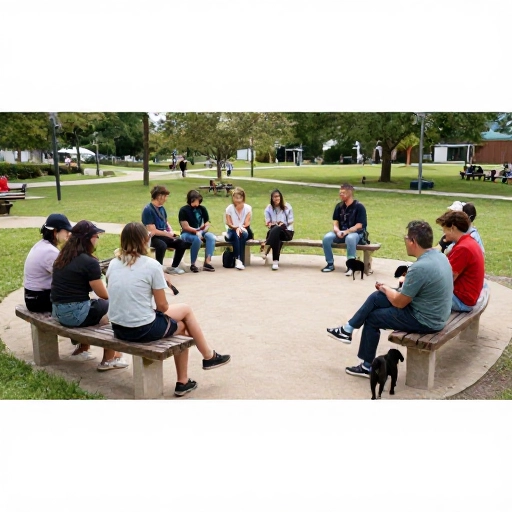
Let’s be honest, the dog park is as much for the humans as it is for the dogs. A modern design includes a central gathering area—maybe a circular patio with a pergola overhead—that’s visible from all parts of the park. It gives owners a home base where they can stand, chat, and keep an eye on their pups.
This design encourages interaction. You’re not just standing awkwardly by the fence; you’re part of a “village square.” Some parks even have a small chalkboard or bulletin board here for community events. It turns a dog run into a genuine social hub.
14. Sensory Gardens with Dog-Safe Plants
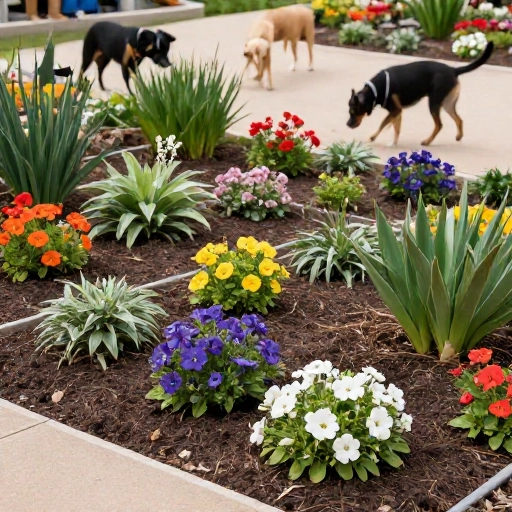
Who says a dog park can’t be beautiful? Sensory gardens filled with dog-safe, non-toxic plants like lavender, rosemary, and certain ornamental grasses add a whole new dimension. They smell amazing and provide interesting textures for the dogs to sniff and explore.
This is a huge step up from just having a dirt patch. It attracts pollinators, looks gorgeous in photos, and creates a calming atmosphere. I love watching a dog get lost in a patch of tall grass—it’s like their own little jungle gym. Just make sure all plants are verified safe for canine consumption!
15. Lighting for Evening “Yappy Hours”
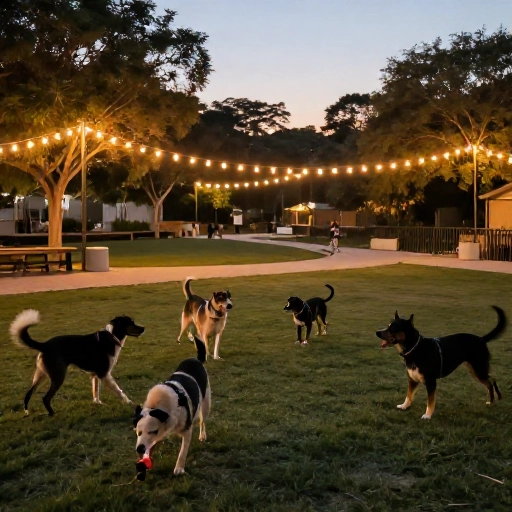
In the summer, it stays light late, but in the winter, it gets dark at 4 PM. Modern parks are adding soft, ambient lighting—think solar path lights and low-level pole lights—that keep the park safe and usable after sunset. This extends the hours of the park and allows for community events.
I love the idea of a “Yappy Hour” in the evening, where neighbors gather with their dogs and some snacks. Good lighting makes this possible. It’s also a safety feature that makes people feel comfortable walking home from the park in the dark.
16. Community Board & Lost & Found Hub
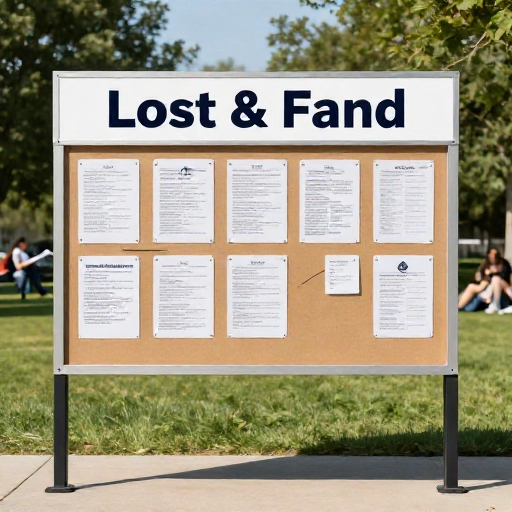
This isn’t a physical structure, but a design feature. A covered, weatherproof bulletin board near the entrance is a must. It can have a lost-and-found section, local vet cards, and flyers for community dog events. It makes the park feel like a real community resource.
I’ve seen these boards become the central nervous system of the neighborhood. People post photos of “found” harnesses, or advertise dog-walking services. It’s a low-tech solution in a high-tech world, but it works. It gives the park a sense of permanence and purpose.
17. The “Run-Free” Fence Line with a View
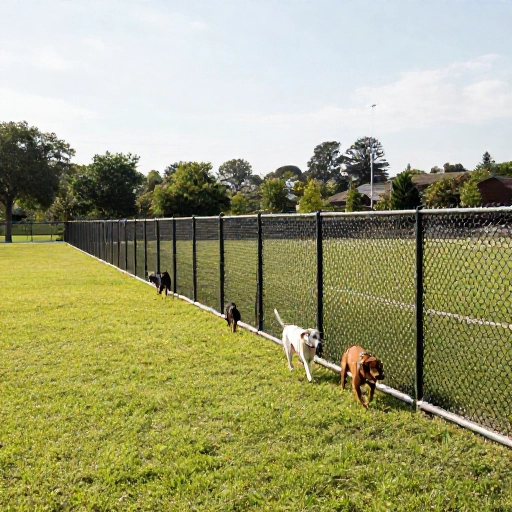
Finally, the fence itself matters. Instead of solid metal panels that block the view, modern parks use “see-through” mesh fencing or vertical bars that allow dogs to see out and people to see in. This reduces the “cage” feeling and makes the park feel more open and integrated with the neighborhood.
I also love when the fence line is designed with a slight curve or setback, so it feels less like a prison yard and more like a natural boundary. A beautiful fence line, maybe with climbing vines or a low hedge, makes the park an eyesore for no one. It’s the final piece in creating a space that truly belongs to the community.
Bringing It All Together
Designing a modern dog park is about so much more than just putting up a fence and throwing down some grass. It’s about creating a space that respects the needs of dogs, comforts the humans, and beautifies the neighborhood. When you get those elements right, you don’t just build a park—you build a community. Watching neighbors become friends over a shared love for their pups is the real magic. These design ideas are just the starting point; the best park is the one that fits the unique vibe of your town.
Frequently Asked Questions
What is the best surface for a modern dog park?
Most experts recommend a mix of surfaces. Natural grass is great for play but can get muddy. Many modern parks use a “sport turf” or a deep layer of engineered wood fiber for the high-traffic areas because it drains well and is gentle on paws. Paved paths are great for humans.
How big should a community dog park be?
It really depends on the space you have, but a good rule of thumb is at least 1 acre for a combined park. You want enough room for dogs to run without feeling cramped. Separate small and large dog areas should each be a decent size—ideally around 15,000 square feet each.
How can we fund a new dog park in our neighborhood?
It takes a village! Start with local government grants for parks and recreation. Many communities also do successful crowdfunding campaigns. Don’t forget to partner with local pet businesses—a plaque on a fence post can be a great sponsorship opportunity for a local vet or pet store.
What are the most important safety features to include?
Double-gated entry points are non-negotiable to prevent escapes. The fencing should be at least 4-5 feet high and securely anchored. You also need good visibility—no blind spots—and access to fresh water to prevent overheating.
How do we keep the dog park clean and maintained?
It’s a group effort! Provide plenty of waste bag dispensers and trash cans. Many successful parks have a “Friends of the Park” volunteer group that organizes monthly clean-up days. Clear signage about rules also helps keep things tidy and respectful.