15 Genius, Budget-Friendly Ways to Build a Dog-Proof Garden Fence
Let’s be honest—our dogs are adorable, but they are also tiny (or not-so-tiny) escape artists. You spend hours planting tulips only to find them dug up, or you turn your back for one second and your furry Houdini is sprinting down the street. I get it. Building a fortress sounds expensive, but it really doesn’t have to be.
I’ve spent way too much time researching and testing cheap fixes that actually hold up against determined paws and noses. Whether you have a digger, a jumper, or a leaner, these 15 affordable ideas will help you reclaim your yard without emptying your wallet. Let’s get started on making a safe space for your pup (and your petunias).
1. The Classic Chicken Wire Trench
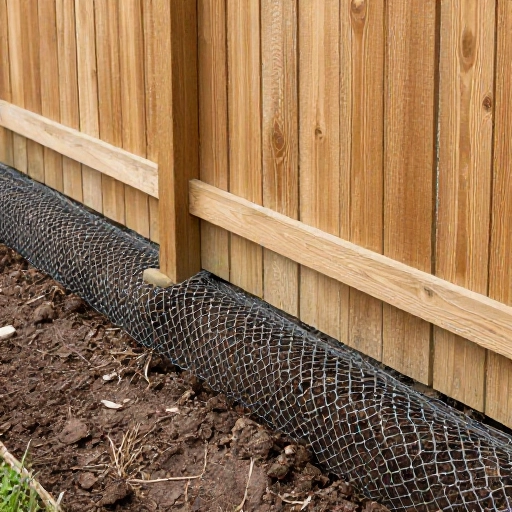
This is the gold standard for diggers. Instead of just placing the fence on top of the grass, you bury the bottom edge. It sounds like a lot of work, but it’s just a shallow trench.
Dig a trench about 6–8 inches deep along the fence line. Attach chicken wire to the bottom of your existing fence and let it curve into the trench in an “L” shape, pointing outward. Bury it with dirt.
This stops the “digging at the base” behavior because they hit the wire immediately. It’s cheap, discreet, and highly effective.
2. Use “Poultry Netting” for Temporary Runs
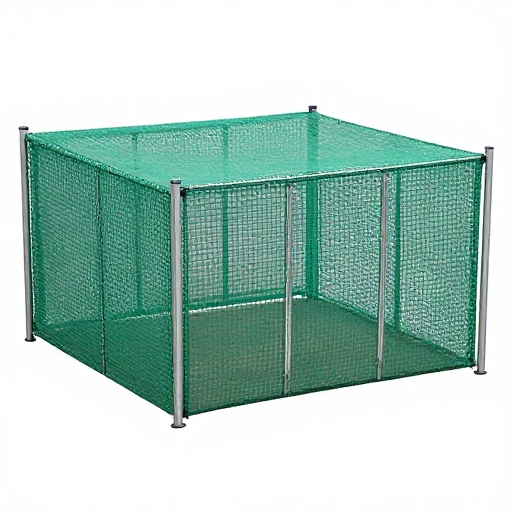
If you don’t need a permanent structure, go for poultry netting. It comes in rolls and is super lightweight. You can stake it into the ground with cheap metal garden stakes.
The key here is to make sure the mesh is small enough that they can’t get their snout through. It’s perfect for creating a quick “potty zone” or blocking off a specific flower bed.
When you need the space back, just pull up the stakes. It takes five minutes to set up and five to take down.
3. Tension Wire for the Leaners
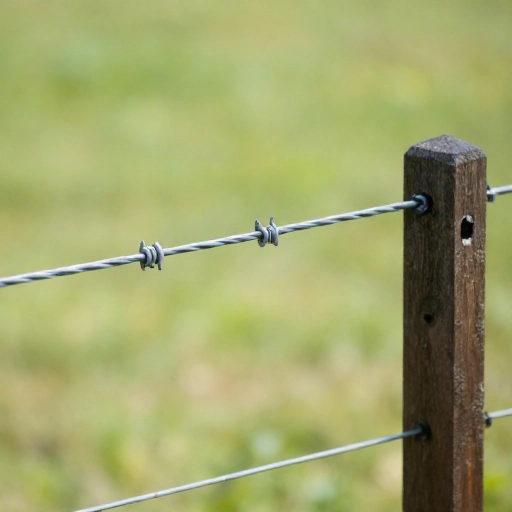
Some dogs don’t jump; they just lean their whole body weight against the fence until it pops open or bends. For these strong pups, add a tension wire.
Run a sturdy wire (like a clothesline or steel wire) horizontally across the middle of your fence panels. Pull it tight and secure it with turnbuckles.
This adds a ton of structural integrity for less than $10. It prevents the fence from bowing out over time.
4. The “Roll Bar” Extender
For the jumpers, making the fence taller is usually the answer, but buying a taller fence is expensive. Instead, add a “roll bar” at the top.
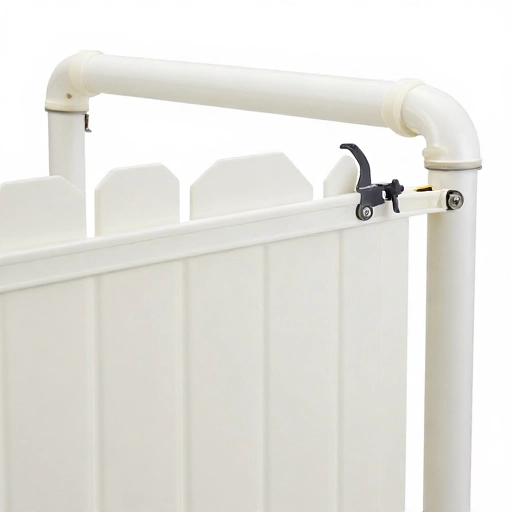
Attach a PVC pipe or a wooden dowel to the top of your fence posts using zip ties or brackets. Make it so it spins or rolls freely.
When your dog tries to hook their front paws on the top to hoist themselves over, the bar rolls and they lose their grip. It’s a clever psychological trick that works wonders.
5. Recycle Old Pallet Wood
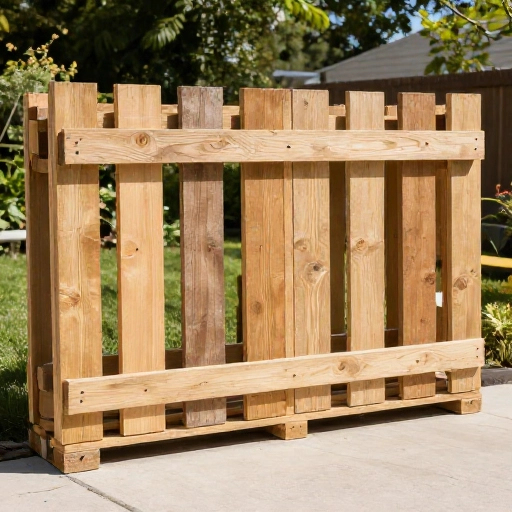
Pallets are a DIY-er’s best friend. If you can find them for free (check local grocery stores or hardware stores), you can create a rustic, solid fence.
Break down the pallets and attach the wood planks to your existing fence line. This creates a solid barrier so your dog can’t see through it, which reduces their urge to chase things on the other side.
It gives you total privacy and a solid barrier for the price of just a few screws.
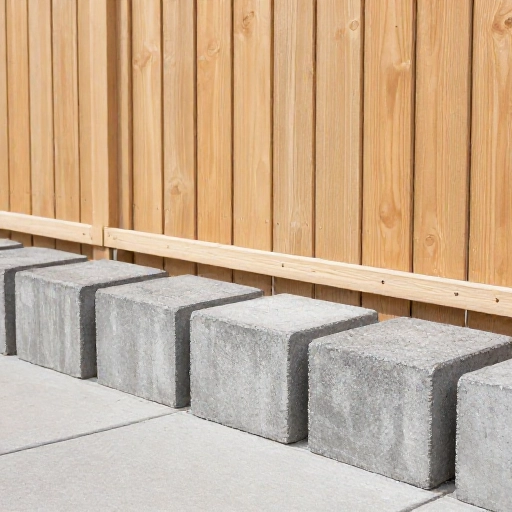
6. Concrete Pavers as a Digging Barrier
If digging is your main issue and you have a chain-link fence, lay concrete pavers flat on the ground along the inside of the fence.
Dogs hate walking on unstable surfaces, and they definitely don’t like digging through concrete. It creates a hard, stable “no-dig” zone.
You can often find mismatched or broken pavers at a discount at hardware stores, making this a very budget-friendly fix.
7. Plant a “Living Fence” of Dense Shrubs
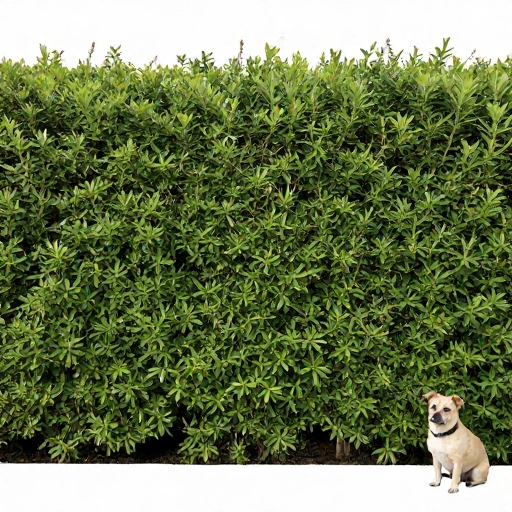
This one takes a little time to grow, but it’s the cheapest long-term solution. Plant dense, thorny shrubs like barberry or roses along the fence line.
These act as a natural deterrent. The thick branches physically block the view and make it unpleasant to try and push through.
Check with your local nursery for fast-growing varieties that are safe for pets. It turns your fence into a beautiful green hedge.
8. Upgrade to a “Deer Netting” Canopy
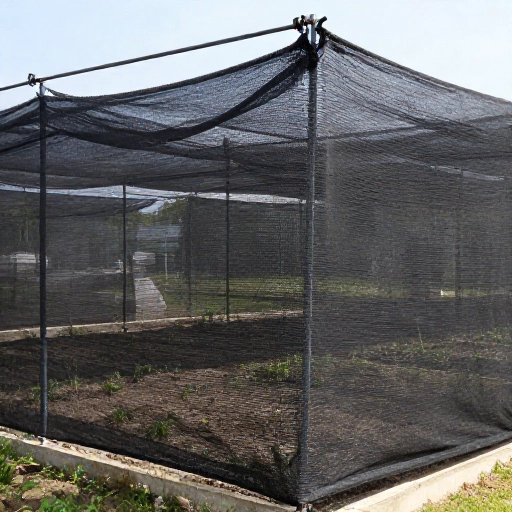
For the serious athletes who can clear a 4-foot fence easily, you might need to go vertical. Deer netting is cheap and nearly invisible.
Instead of building a huge wooden wall, run deer netting from the top of your fence and angle it inward, creating a sort of “coyote roller” effect.
You can also lay it flat over the top of a dog run. It’s lightweight and easy to staple up, but it stops the jump because they can’t get over the top edge.
9. Use “Garden Edging” for a Quick Fix
If you just need to close a small gap or block a specific corner, use metal or plastic garden edging. The kind that comes in rolls or interlocking pieces.
It’s usually only a few inches tall, but it’s perfect for blocking gaps under gates or between fence sections.
It’s not a full fence replacement, but it is an excellent gap filler that is super cheap and easy to cut with scissors.
10. The “Double Fence” Trick
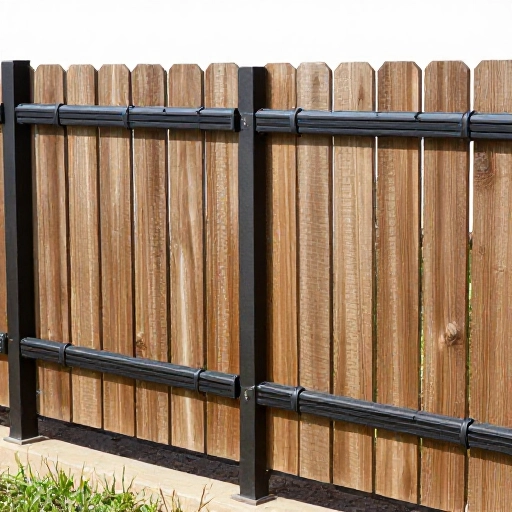
This is a psychological trick. Instead of one tall fence, build two shorter fences about 3-4 feet apart.
Dogs need a running start to jump. If they jump the first fence, they land in a narrow corridor and feel trapped. Most dogs will stop and turn back because they don’t have the space to get up the momentum for the second jump.
It uses less material than one giant fence, so it often ends up being cheaper.
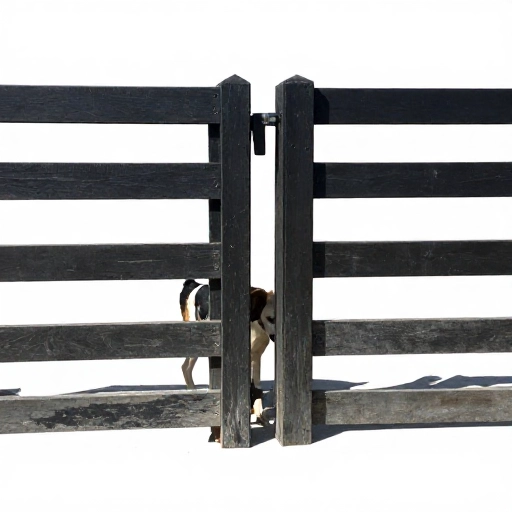
11. Reinforce with “T-Posts”
If your fence is wobbly, that’s an invitation for your dog to push it over. You don’t need to replace the whole fence; just reinforce it.
Drive a metal T-post into the ground next to your existing wooden posts. Secure them together with wire or heavy-duty zip ties.
This anchors the fence deep into the ground and prevents the leaning that leads to escape.
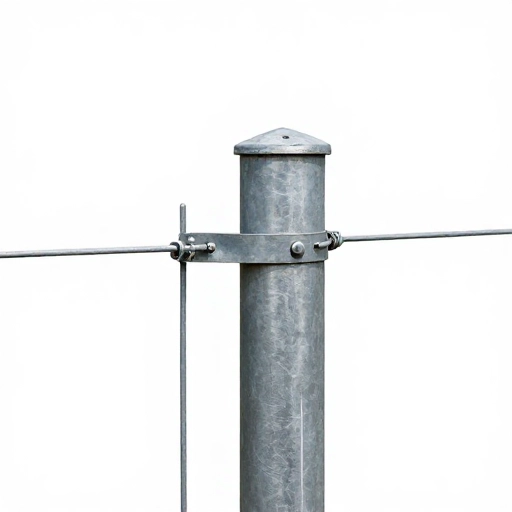
12. Use “Garden Netting” to Close Gaps
Check the bottom of your fence. Is there a gap between the ground and the wood? Even a 4-inch gap is enough for a determined dog to squeeze under.
Buy a roll of plastic garden netting (the kind used for peas) and staple it to the bottom of the fence, letting it lie on the ground.
Weigh it down with rocks or landscape staples. This creates a flexible apron that follows the contour of the ground, sealing off those sneaky gaps.
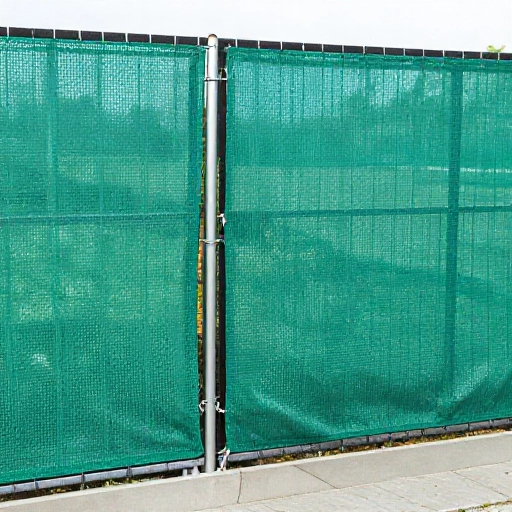
13. Create a “Dig Deterrent” with Pine Cones
This is my favorite lazy hack. If you have pine trees or can collect pine cones for free, spread them along the base of the fence.
Dogs hate the texture of pine cones on their paws. It’s uncomfortable and pokey, so they will quickly learn to avoid that area.
It’s not a permanent fix, but it’s a great, free way to break the habit of digging in that specific spot.
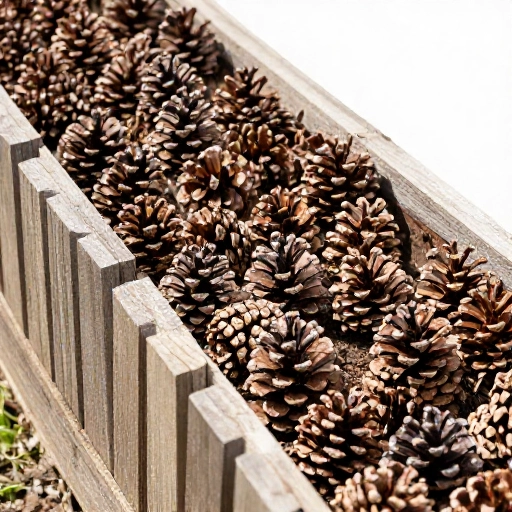
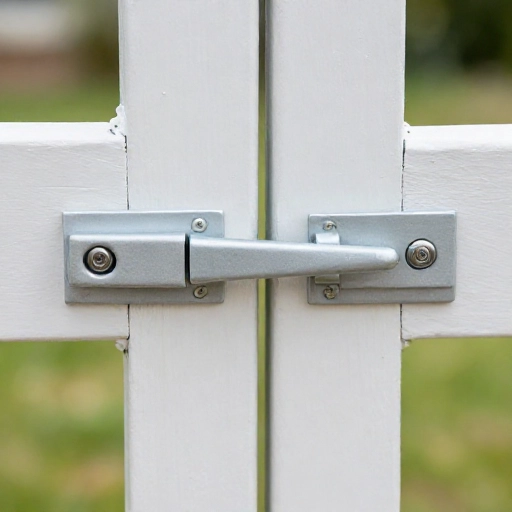
14. Install a “Gate Latch” Upgrade
Often, the fence isn’t the problem—it’s the gate. Clever dogs learn to lift latches with their noses or paws.
Swap out your simple hook-and-eye latch for a spring-loaded, self-closing latch. There are even “dog-proof” latches that require you to lift and pull at the same time.
This is a $10 fix that gives you total peace of mind that the gate isn’t the weak link in your security.
15. The “Visual Barrier” with Shade Cloth
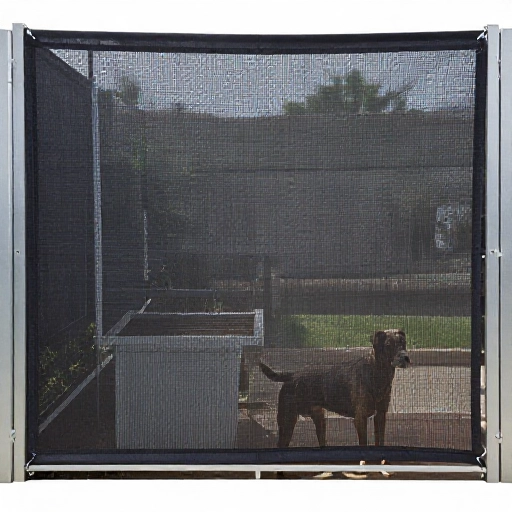
Some dogs are “barrier frustrators.” They see a squirrel or a person walking by and they get so excited they try to tear through the fence.
Fix this by blocking their view. Attach cheap shade cloth (usually $15-$20 for a big roll) to the inside of your fence.
It doesn’t need to be sturdy; it just needs to block the visual stimulation. A calm dog is much less likely to try and escape.
Conclusion
You don’t need to hire a professional or spend thousands of dollars to keep your dog safe. It just takes a little creativity and a trip to the hardware store. Assess what your dog is doing—digging, jumping, or leaning—and pick the solution that targets that specific behavior. Your garden will thank you, and your dog will have a safe, secure space to enjoy all year round.
Frequently Asked Questions
What is the cheapest fence to install for a dog?
Usually, chicken wire attached to existing wooden posts or T-posts is the cheapest. You can also use welded wire fencing, which is slightly sturdier but still very affordable per foot.
How do I stop my dog from digging under the fence?
The best way is to bury the bottom of the fence. Bury chicken wire or a roll of wire mesh at least 6 inches deep, and curve it outward in an “L” shape. This physically blocks the digging path.
Can a dog jump a 6-foot fence?
Yes, some athletic breeds like Huskies, German Shepherds, and Labradors can clear a 6-foot fence if they have a running start. That’s why adding a roll bar or an angled extension on top is often necessary.
Is it better to use a solid fence or a chain-link fence for dogs?
For most dogs, a solid fence is better. It blocks their view of the outside world, which reduces anxiety and the urge to chase or run. Chain-link can increase frustration because they can see things they can’t get to.
What is the best material to put on the ground to stop digging?
Concrete pavers, large flat rocks, or heavy gravel are great. They create an unstable and hard surface that dogs don’t like to walk on. You can also bury chicken wire just below the soil surface to make digging feel weird.