10 Puppy Care Mistakes New Owners Make Without Realizing (And How to Fix Them Fast!)
Bringing home a puppy is pure magic. That tiny wagging tail, the clumsy zoomies, the way they fall asleep in your lap mid-chew. I still remember the first week with my puppy—I was equal parts obsessed and terrified I’d mess everything up.
And honestly? I did make mistakes. Most new puppy owners do. The tricky part is that many puppy care mistakes don’t show up right away. They sneak up as behavior issues, health problems, or a puppy who seems anxious and out of sorts.
So I put together the 10 mistakes I see most often—and that I’ve made myself—so you can skip the guilt and get straight to enjoying your new best friend. Let’s dive in.
Mistake #1: Waiting to Puppy-Proof Your Home (I Learned This the Hard Way)
I thought I had time. Then my puppy chewed through a phone charger in about four seconds flat. Puppies explore the world with their mouths, and they’re faster than you think.
Puppy-proof before they arrive, not after. Get down on the floor at their eye level and look for wires, small objects, toxic plants, and tempting trash cans.
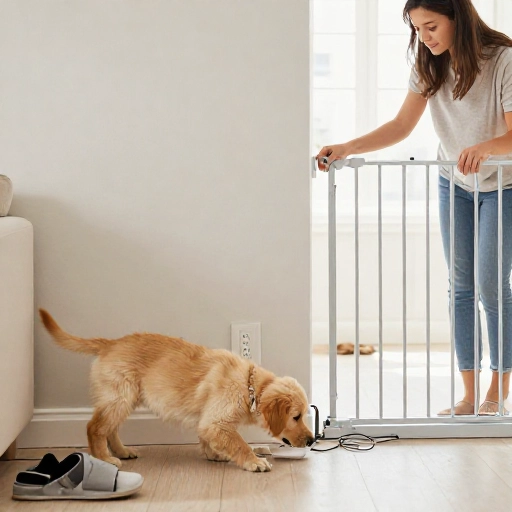
Use baby gates, cord covers, and closed doors. It’s not about being paranoid—it’s about setting your puppy up to win. A safe space means fewer emergency vet trips and way less stress for both of you.
Mistake #2: Free-Feeding Instead of Scheduled Meals
Leaving food out all day feels kind and easy. But it makes potty training harder and can lead to picky eating or weight gain down the road.
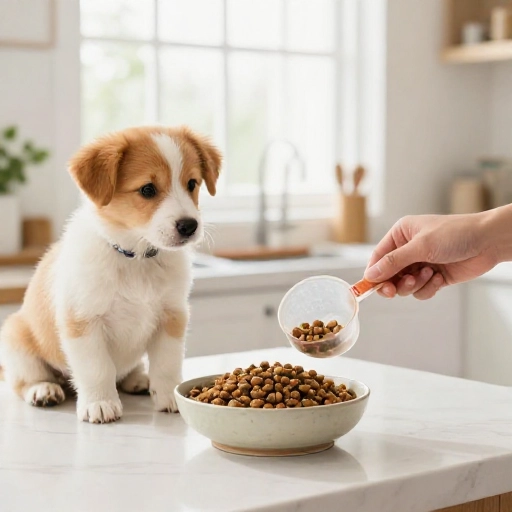
Puppies do better with three to four small meals at the same times every day. This creates a predictable potty schedule too, which is a lifesaver.
I learned that when I knew exactly when my puppy ate, I could predict when they’d need to go out. Total game changer. Set a timer if you need to—consistency is everything.
Mistake #3: Overexercising a Growing Puppy
Those long walks seem healthy, but puppy joints aren’t ready for that kind of mileage. Too much high-impact exercise can damage growing growth plates.
A good rule of thumb is five minutes of structured exercise per month of age, twice a day. So a three-month-old puppy gets about 15 minutes per walk.
Free play in a safe yard is different—let them self-regulate. If they plop down, it’s time for a break. Puppies need rest as much as they need movement.
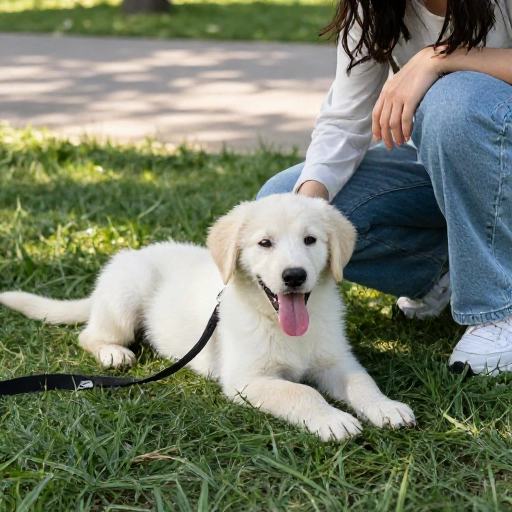
Mistake #4: Missing the Critical Socialization Window
Between three and 14 weeks, puppies are little sponges. What they experience now shapes their adult personality in a big way.
But socialization isn’t just meeting other dogs. It’s new sounds, surfaces, people in hats, umbrellas, wheelchairs, vacuum cleaners—you name it.
I carried my puppy in a sling before vaccines were done. We watched the world from a safe distance. That small habit made a huge difference in how confident he is today.
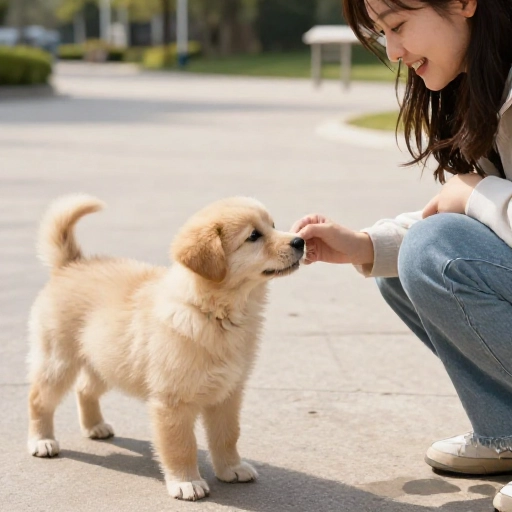
Mistake #5: Punishing Potty Accidents
I get it. You just cleaned that rug. But yelling or rubbing their nose in it only teaches them to hide accidents from you.
Puppies don’t connect punishment with something they did 10 minutes ago. They just learn that you’re scary sometimes. That’s the opposite of what you want.
Instead, take them out every one to two hours, after meals, naps, and play. Reward like crazy when they go outside. Accidents are information, not defiance.
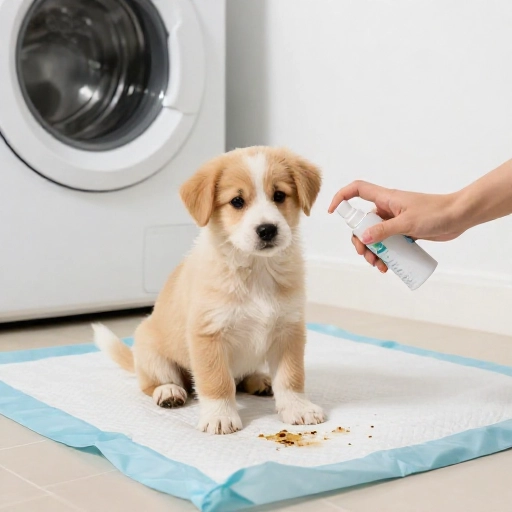
Mistake #6: Sharing Human Food Without Checking Safety
Those puppy eyes at dinner are lethal. But some human foods are toxic—grapes, onions, garlic, chocolate, xylitol. Even small amounts can be dangerous.
Even safe foods can upset their stomach. Rich, fatty, or spicy scraps can cause pancreatitis, which is painful and expensive to treat.
I keep a printed list on my fridge and ask guests not to sneak treats. One bite of the wrong thing can mean an emergency vet visit. Better safe than sorry.
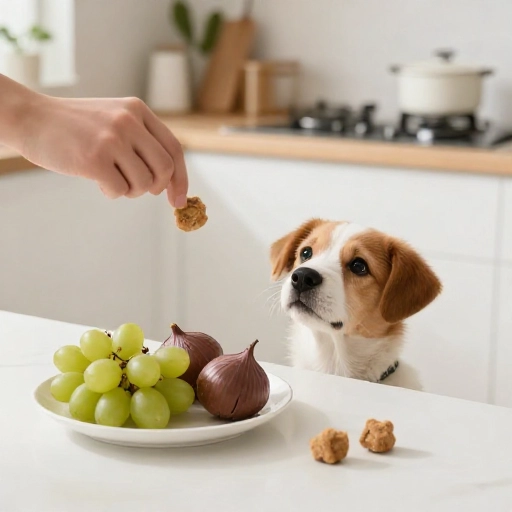
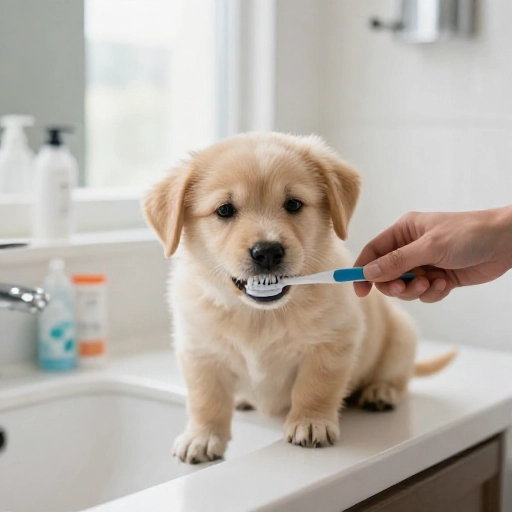
Mistake #7: Ignoring Dental Care Until It’s a Problem
Puppy breath is one thing. But dental disease starts early and can lead to pain, infections, and costly cleanings later in life.
Start by touching their mouth and gums gently. Use a finger brush and puppy-safe toothpaste. Make it a happy, treat-filled experience.
Even a few seconds a day makes a difference. I wish I had started earlier with my first dog. Now it’s just part of our nightly routine—no drama.
Mistake #8: Skipping a Consistent Sleep Routine
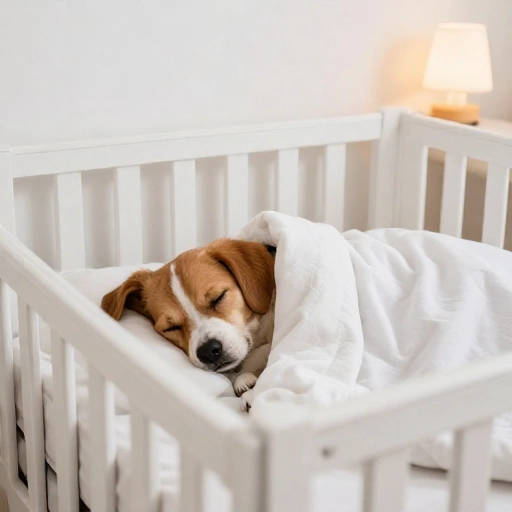
Puppies need 16 to 20 hours of sleep a day. Without a routine, they get overtired and turn into tiny biting sharks. It’s not aggression—it’s exhaustion.
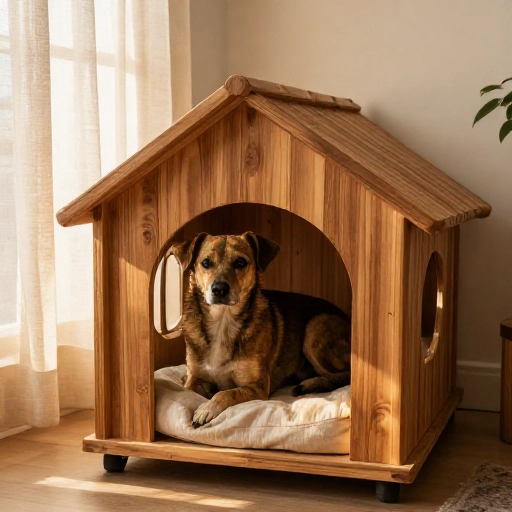
Crate training or a safe pen helps them learn to settle. It’s not cruel—it’s giving them a cozy den where they feel secure.
I cover the crate with a light blanket and play white noise. Now my puppy puts himself to bed when he’s tired. Best trick I ever learned.
Mistake #9: Delaying Early Vet Visits
Puppies need a vet check within the first few days home. Then a vaccine and deworming schedule follows. It’s not optional—it’s essential.
I know it’s tempting to wait until they’re “settled in.” But early visits catch parasites, heart murmurs, and other issues before they become serious.
Plus, happy vet visits now prevent fear later. Bring treats and make it a party. Your future self will thank you.

Mistake #10: Forgetting Mental Stimulation
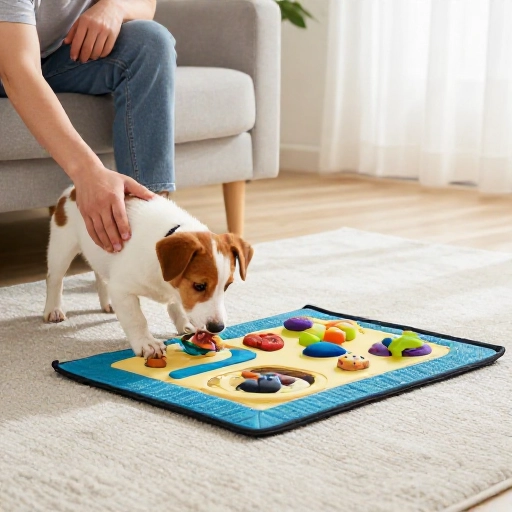
A tired puppy is a good puppy—but tired doesn’t just mean physical. Their brain needs a workout too, and that’s where the real magic happens.
Puzzle feeders, snuffle mats, training games, and chew toys save my sanity. A bored puppy is a destructive puppy. I learned that the hard way with my first pair of sneakers.
Even five minutes of “find the treat” burns more energy than a walk around the block. Trust me on this one.
Final Thoughts: You’re Not Failing, You’re Learning
If you’ve made any of these puppy care mistakes, welcome to the club. I’ve made almost all of them. The difference is what you do next.
The beautiful thing about puppies is that they’re forgiving. Every day is a new chance to build trust, set routines, and laugh at the chaos together.
Focus on progress, not perfection. Your puppy doesn’t need a perfect owner—they need you, showing up with treats, patience, and a whole lot of love.
Frequently Asked Questions About Puppy Care
Q: How do I know if I’m feeding my puppy enough?
A: Check the bag for age and weight guidelines, but also look at your puppy’s body condition. You should feel their ribs easily but not see them. Ask your vet to confirm.
Q: When can my puppy meet other dogs?
A: After their first set of vaccines and with your vet’s okay. Safe, vaccinated adult dogs in a controlled environment are usually fine. Avoid dog parks until fully vaccinated.
Q: What if my puppy has an accident right after I took them out?
A: It happens. Don’t punish. Take them out again, wait, and reward if they go. Clean with an enzymatic cleaner to remove the scent so they don’t return to the same spot.
Q: How long can I leave my puppy alone?
A: A good rule is one hour per month of age, up to four hours max. Puppies under six months need frequent potty breaks and companionship.
Q: Is crate training mean?
A: No—when done right, it’s a safe, cozy space. Never use it for punishment. Feed meals in the crate, add comfy bedding, and keep sessions short and positive.