14 Homemade Cat Treat Recipes Your Feline Will Beg For
Let’s be real—our cats are professional beggars. They stare at you while you eat toast, weave through your legs when you open the fridge, and act like they haven’t eaten in three years. But store-bought treats? They’re full of fillers, weird preservatives, and stuff I can’t even pronounce. So I started making my own cat treats at home. And wow—did my cats lose their little minds.
These 14 recipes are all made with simple, cat-safe ingredients you probably already have in your kitchen. No fancy gadgets. No weird supplements. Just real food that your cat will actually go nuts for. Plus, making them yourself means you control exactly what goes in. Ready to become your cat’s favorite human? Let’s bake (or just mix).
1. Simple Salmon Crunchies
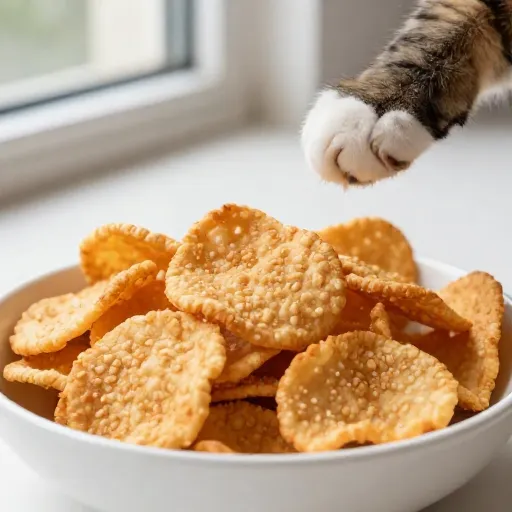
These are the easiest treats I’ve ever made. Grab a can of salmon (in water, no salt added), drain it well, and mash it up. Spread the salmon thin on a parchment-lined baking sheet. Bake at 350°F for about 10–12 minutes until it’s dry and flaky. Let it cool, then break into tiny pieces.
Your cat will hear the crinkle of the parchment paper and come running. These are packed with omega-3s, which keep their coat shiny. Store leftovers in an airtight jar in the fridge for up to a week. If they last that long.
2. Tuna and Catnip Bites
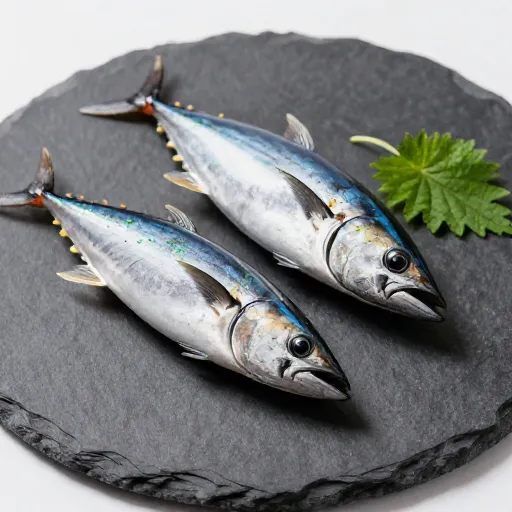
One can of tuna (again, in water, no salt), one egg, and a sprinkle of dried catnip. Mix it all together in a bowl. Scoop tiny teaspoon-sized blobs onto a baking sheet. Bake at 350°F for 8–10 minutes. You want them firm but not burnt.
The catnip adds an extra layer of fun. My cat does this little happy dance when I bring these out. Just don’t overfeed—tuna every day isn’t great for cats. These are a special occasion treat. But they’re so worth it.
3. Chicken Liver Freeze-Dried Bites
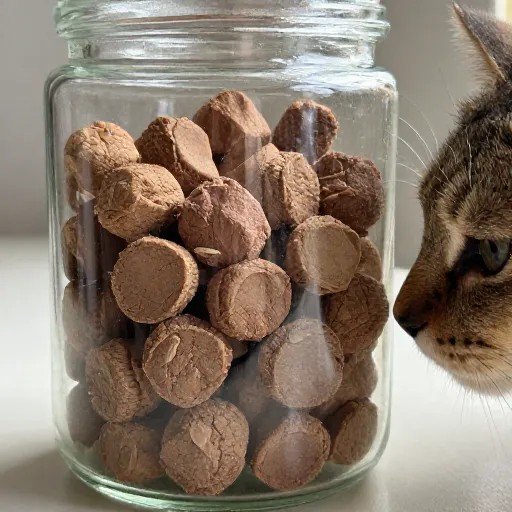
Chicken liver is like cat crack. And it’s cheap. Get a small piece of chicken liver (about the size of your thumb), boil it in water for 5 minutes until cooked through. Let it cool completely. Slice it into tiny cubes—like the size of a pea. Lay them on a paper towel and let them air dry for a few hours. Or pop them in a dehydrator if you have one.
These are super high in vitamin A, so only give one or two per day. But oh boy, the purring. My cat literally drools. Keep them in the fridge and use within a week.
4. Pumpkin and Oat Crunchies
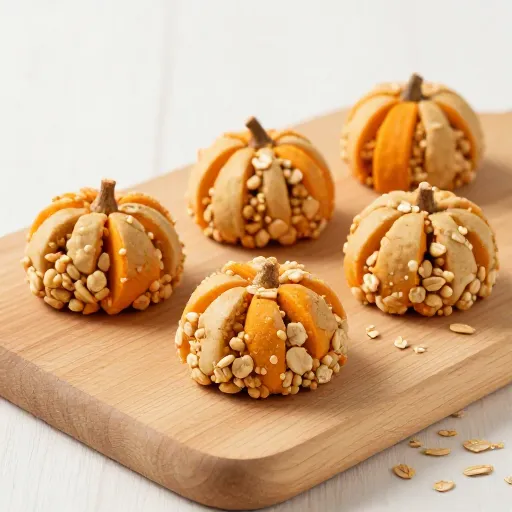
Got a cat with tummy troubles? Pumpkin is your best friend. Mix one tablespoon of plain canned pumpkin (not pumpkin pie filling) with two tablespoons of oat flour. Add a splash of water until it forms a dough. Roll out and cut into tiny shapes—or just pinch off little bits. Bake at 350°F for 10 minutes.
These are great for digestion and low in calories. My picky eater actually loves these. And they smell like fall, which is cozy for you too. Store in an airtight container for up to two weeks.
5. Sardine Smash Patties
Sardines are tiny nutritional powerhouses. Drain a can of sardines in water (no salt, no oil). Mash them with a fork. Add one egg and a tablespoon of whole wheat flour or oat flour. Mix until it’s a thick paste. Drop tiny spoonfuls onto a baking sheet and flatten slightly. Bake at 350°F for 8 minutes.
These smell strong—like, really strong. So maybe warn your family. But your cat will follow you around for hours. Sardines are packed with taurine, which is essential for cat heart health. Win-win.
6. Cheese and Chive Minis
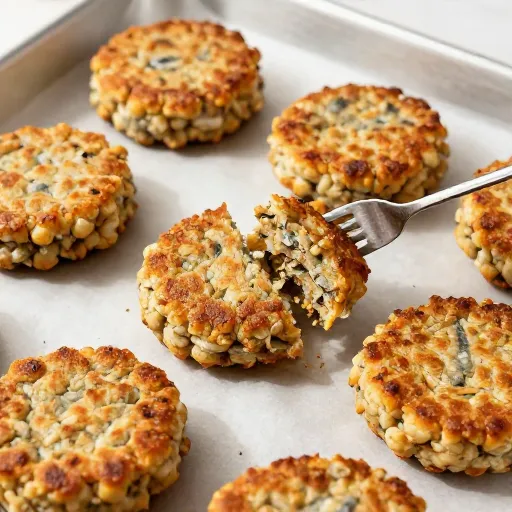
Wait—can cats have cheese? In small amounts, yes. Use a low-lactose cheese like cheddar or parmesan. Grate about a quarter cup. Mix with one egg and a pinch of dried catnip (not chives—just catnip). Drop tiny bits onto a parchment-lined sheet. Bake at 350°F for 6–8 minutes until golden.
These are super crispy and cheesy. My cat goes wild for the smell. But remember: cheese is a sometimes food. Not for everyday. One or two of these as a training reward is perfect.
7. Baby Food Bliss Bites
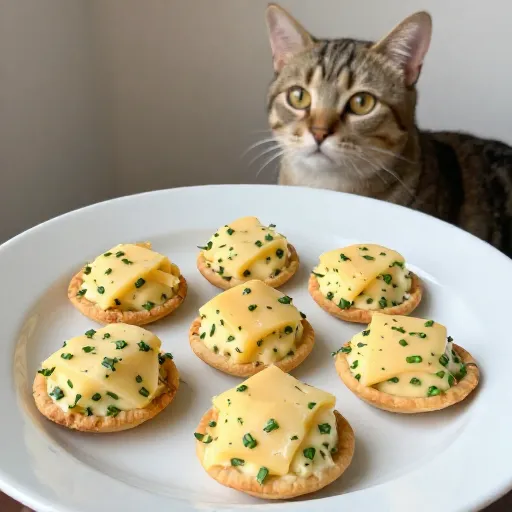
This is literally the easiest recipe ever. Get a jar of meat-based baby food—chicken or turkey, no onions or garlic added. Spoon out tiny pea-sized blobs onto a parchment sheet. No baking needed if you serve fresh. But you can freeze them for later.
These are perfect for sick cats or senior cats with no teeth. My old lady cat, who normally ignores everything, licked the bowl clean. Just check the label to make sure there’s no onion powder. That’s toxic for cats.
8. Shrimp and Coconut Coins
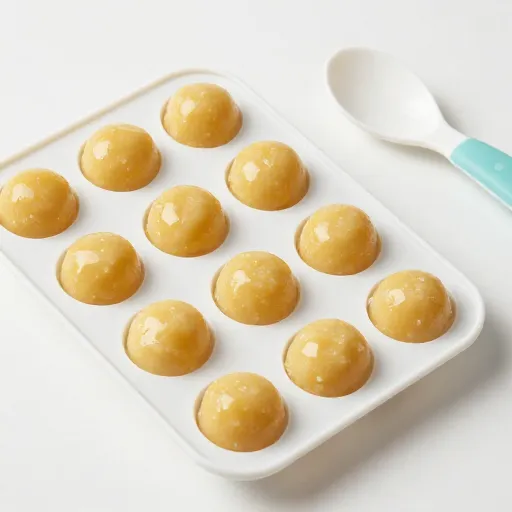
Shrimp is a huge hit in my house. Cook a few raw shrimp (no seasoning) until pink. Let them cool, then chop super fine. Mix with a tablespoon of unsweetened shredded coconut and one egg white. Form tiny flat discs. Bake at 325°F for 8–10 minutes.
The coconut adds a little fiber and a tropical smell. Your cat might do a double take. These are crunchy on the outside, soft inside. Store in the fridge and use within five days. Or freeze for up to a month.
9. Turkey and Rice Meatballs
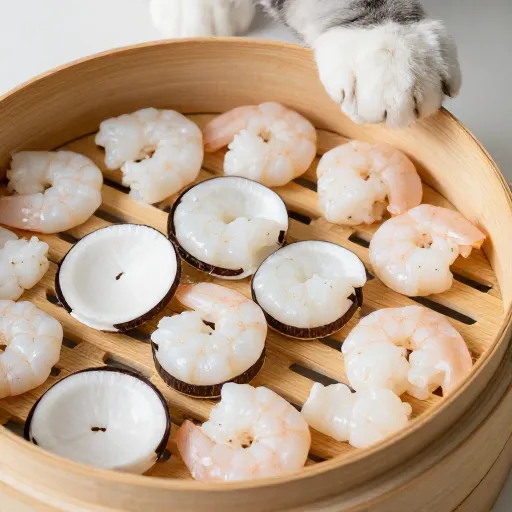
Leftover turkey? Perfect. Mix a quarter cup of cooked, unseasoned ground turkey with two tablespoons of cooked white rice and one egg yolk. Roll into tiny meatballs—like marble-sized. Bake at 350°F for 10 minutes. Let cool completely before serving.
These are hearty and filling. Great for cats who need a little extra protein. My cat pretends they’re actual meatballs from my plate. I just let her believe that. Store in the fridge for up to a week.
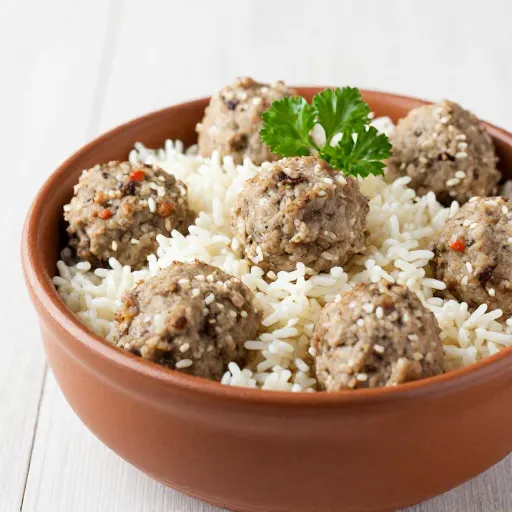
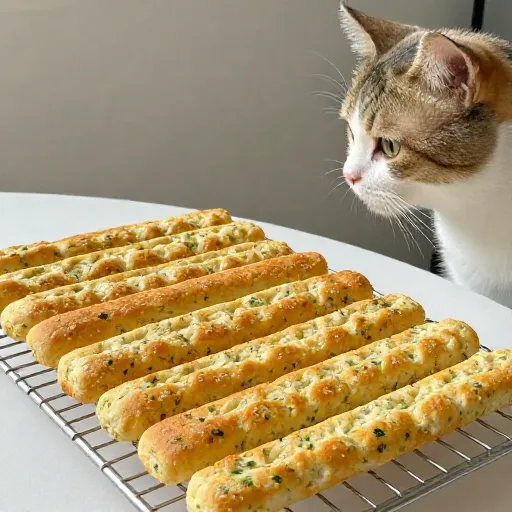
10. Egg and Parsley Crunch Sticks
One hard-boiled egg (cooled and peeled), a teaspoon of fresh parsley (chopped fine), and a tablespoon of oat flour. Mash the egg with a fork, mix in parsley and flour until it forms a dough. Roll into little stick shapes. Bake at 350°F for 8 minutes until firm.
Parsley is actually good for cat breath—not that your cat cares. But you’ll appreciate the difference. These are soft enough for older cats too. My cat likes to bat them around before eating them. Entertainment and snack in one.
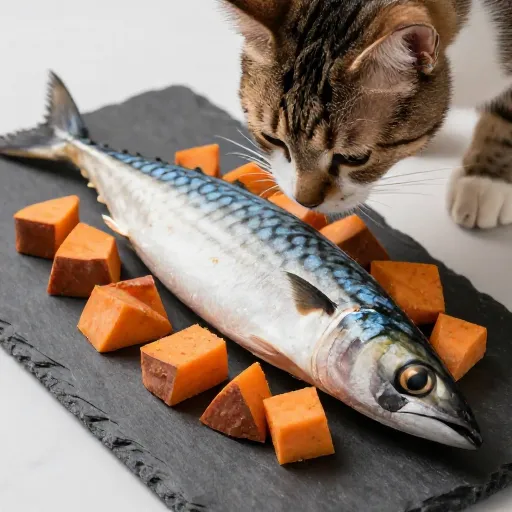
11. Mackerel and Sweet Potato Cubes
Mackerel is oily and delicious (to cats). Drain a can of mackerel in water. Mash it with a fork. Add two tablespoons of mashed, cooked sweet potato (no butter or salt). Mix well. Spread into a thin layer on parchment. Freeze for an hour, then cut into tiny cubes. No baking needed.
These are like little frozen fish bites. Great for hot days or teething kittens. My cat licks them slowly like a popsicle. Sweet potato adds fiber and vitamins. Just don’t overdo it—too much sweet potato can upset their tummy.
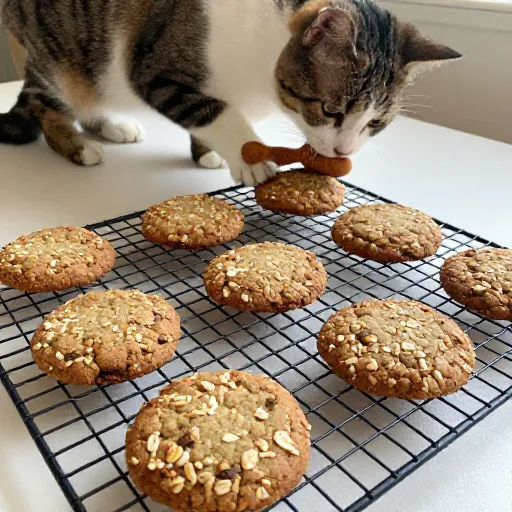
12. Catnip and Oatmeal Cookies
Yes, cookies for cats. Mix half a cup of oat flour, one tablespoon of dried catnip, one egg, and a splash of water. Roll into tiny balls and flatten with a fork. Bake at 350°F for 8 minutes. They should be golden and firm.
These are basically cat crack. The catnip makes them irresistible. My cat acts like she’s found gold. They’re grain-free if you use oat flour, and super simple. Store in a jar for up to two weeks. Or hide them from your cat. Good luck.
13. Beef Broth Frozen Lickies
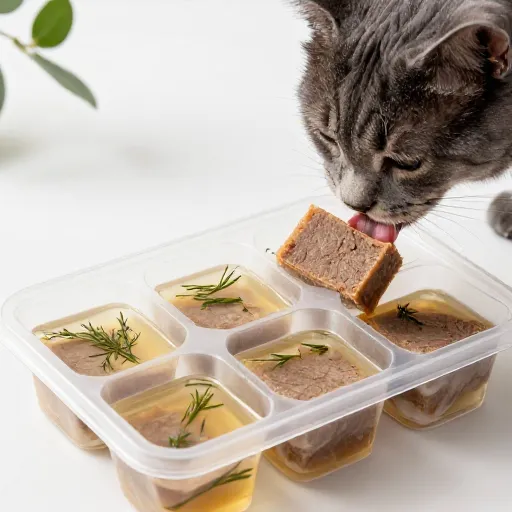
Not a bake recipe, but trust me. Get low-sodium beef broth (no onions or garlic). Pour into an ice cube tray. Freeze until solid. Pop out one cube and let it sit for a minute to soften slightly. Then let your cat lick it like a popsicle.
These are amazing for hot summer days or for cats who don’t drink enough water. My cat chases the cube around the floor. It’s adorable. Plus, it keeps them hydrated. Only use broth with no added salt or flavorings.
14. Chewy Chicken and Carrot Bites
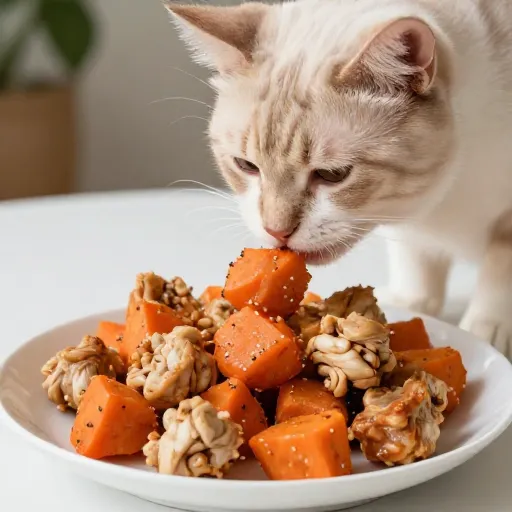
Cook a small boneless, skinless chicken thigh (no seasoning). Shred it fine. Grate a baby carrot and mix with the chicken. Add one egg and a tablespoon of oat flour. Form into tiny chewy nuggets. Bake at 350°F for 10 minutes. They should be soft but not raw.
The carrot adds a little sweetness and crunch. My cat thinks she’s getting a gourmet meal. These are great for hiding medication too—just stuff a pill inside. Store in the fridge for up to a week. Or freeze for later.
Conclusion
Making homemade cat treats is easier than you think, and your cat will definitely appreciate the effort. You control the ingredients, avoid weird additives, and get to bond with your furry friend through food. Start with one or two recipes and see which ones your cat goes wild for. Every cat is different—some love fish, others prefer poultry. Experiment, have fun, and don’t forget to store treats properly. Your cat will thank you with purrs, headbutts, and maybe even a little drool.
Frequently Asked Questions
Can I use regular flour instead of oat flour?
Yes, but oat flour is easier on a cat’s digestion. Whole wheat flour works too. Avoid white flour—it has no nutritional value for cats.
How many homemade treats can I give my cat per day?
Stick to 2–3 small treats per day. Homemade treats are still food, and too many can upset their diet or cause weight gain. Treats should be 10% of their daily calories max.
Do I need to refrigerate homemade cat treats?
Most of them, yes. Since they have no preservatives, they spoil faster. Keep them in an airtight container in the fridge for up to a week. Freeze for longer storage.
Can I use canned tuna in oil for treats?
No, use tuna packed in water with no salt added. Oil can upset your cat’s stomach and adds unnecessary fat. Stick to plain, simple ingredients.
What if my cat doesn’t like a treat I made?
Don’t force it. Cats are picky. Try a different protein or texture. Some cats love fish, others prefer chicken. You can also add a pinch of catnip to make any treat more tempting.