18 Purr-fect Plants That Won’t Harm Your Cats
Let’s be real—our feline friends have a knack for nibbling on our houseplants. You turn your back for one second, and suddenly your prized fern looks like a salad bar. As a plant lover and a cat mom, I know the struggle of wanting a jungle home without turning it into a danger zone.
The good news? You don’t have to choose between a green thumb and a healthy kitty. There are tons of gorgeous, vibrant plants that are totally safe for your furry companion. I’ve rounded up my absolute favorites that are both stylish and non-toxic, so you can breathe easy and let your cat explore to their heart’s content.
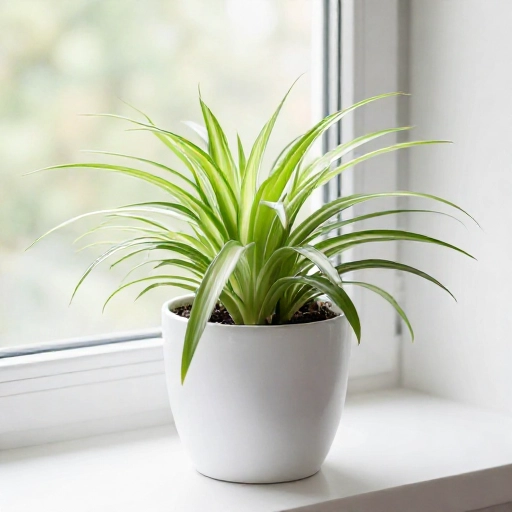
1. Spider Plant (Chlorophytum comosum)
This is the ultimate beginner plant and a favorite among cat owners. Its arching, variegated leaves add a fun, cascading element to any shelf or hanging basket. They’re incredibly forgiving if you forget to water them occasionally.
Here’s the funny thing: cats are often obsessed with spider plants. They might even nibble on the leaves, which is totally fine (and non-toxic). Don’t be surprised if your cat treats it like a toy, especially when it sends out those little baby “spiderettes.”
Just keep it in a bright spot with indirect light, and it will thrive—even with a little feline attention.
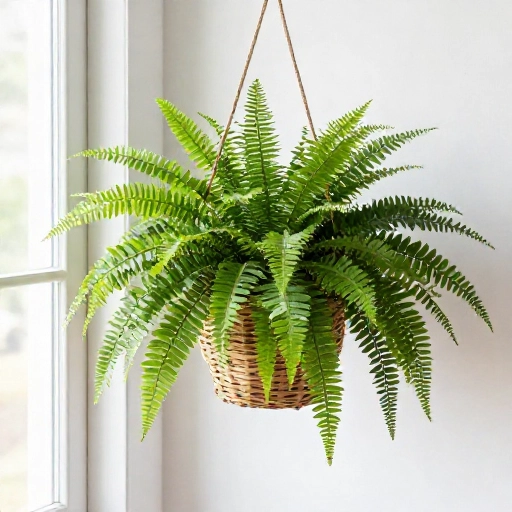
2. Boston Fern (Nephrolepis exaltata)
If you want to add a touch of lush, forest-like greenery to your home, a Boston fern is the way to go. Its frilly fronds are soft and inviting, making it a cozy addition to a bathroom or reading nook. It’s perfectly safe for your cat to sniff and bat at.
These ferns do love humidity and consistent moisture, so don’t let the soil dry out completely. A pebble tray with water underneath can help keep it happy in drier climates.
They’re a bit more high-maintenance than other plants on this list, but the lush payoff is totally worth it for that dramatic, fluffy look.
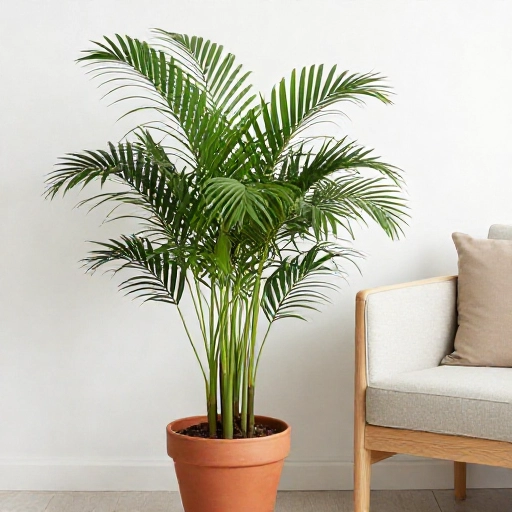
3. Areca Palm (Dypsis lutescens)
Want a big, bold statement piece? The Areca palm is your answer. With its feathery, arching fronds, it brings a slice of the tropics right into your living room. It’s one of the best non-toxic options for adding height and a relaxed vibe to a space.
This palm is a safe bet for cats who like to hide or weave through tall grass-like plants. It’s also a fantastic air purifier, which is a win-win for everyone in the house.
Give it bright, indirect light and water when the top inch of soil feels dry. It’s a slow grower, but it will eventually fill out a corner beautifully.
4. Calathea (Calathea spp.)
Also known as the “Prayer Plant,” the Calathea family is famous for its stunning, intricate leaf patterns. From the deep purples of the ‘Misto’ to the pink stripes of the ‘Orbifolia,’ these plants are living art. And yes, they are completely safe for your whiskered friends.
They do have a bit of a reputation for being divas, as they need high humidity and filtered water to avoid crispy leaf edges. But their beauty makes them worth the extra effort.
Place them in a well-lit bathroom or near a humidifier. Your cat might just love checking out the moving leaves as they fold up at night.
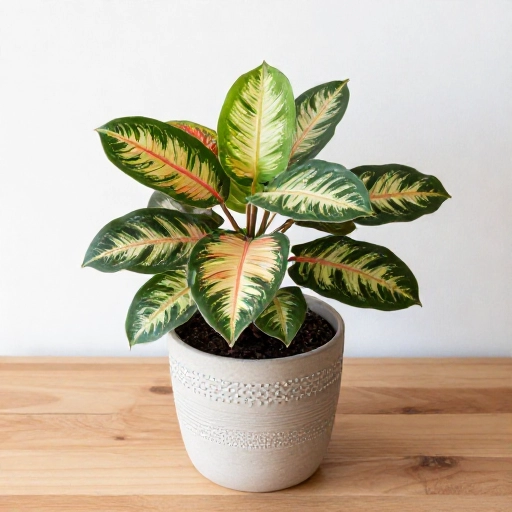
5. Haworthia (Haworthia spp.)
Succulent lovers, rejoice! If you’re looking for a safe alternative to the popular (but toxic) Aloe vera, the Haworthia is your best friend. These little zebra-plant succulents have spiky, textured leaves, but they are completely harmless to cats.
They are incredibly low-maintenance and thrive on neglect, making them perfect for busy plant parents. Just give them plenty of bright, direct sunlight and water sparingly.
Their small size makes them perfect for desks, windowsills, or little terrarium setups that your cat can safely investigate.
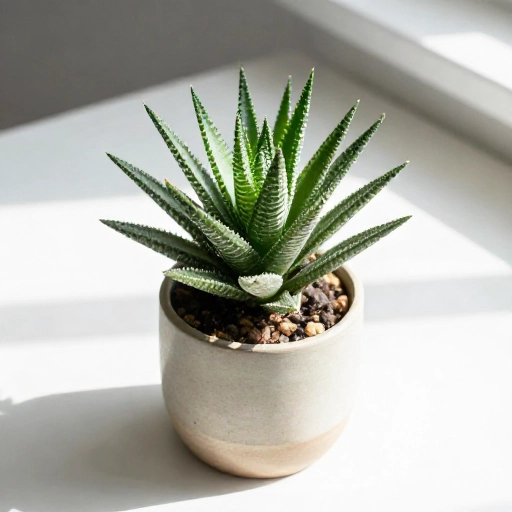
6. Parlor Palm (Chamaedorea elegans)
Another fantastic palm option, the Parlor Palm is a classic houseplant that’s been popular for centuries. It’s compact, elegant, and very tolerant of lower light conditions, making it perfect for rooms that don’t get a ton of sun. It’s a safe bet for a curious kitty.
Unlike the Areca, this one stays a bit more manageable in size, making it a great tabletop or floor plant. It’s slow-growing but very resilient, even if your cat rubs against it or takes a tiny nibble.
Keep the soil slightly moist but not soggy, and it will reward you with a fresh, tropical look for years.
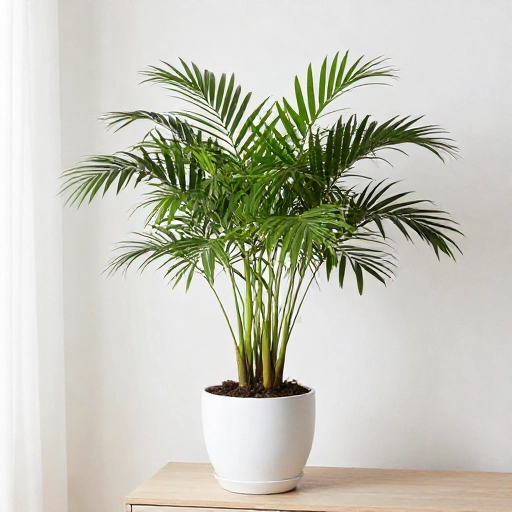
7. Pilea Peperomioides (Chinese Money Plant)
The Chinese Money Plant is a trendy, adorable addition to any home. It features unique, coin-shaped leaves that are said to bring good luck and wealth. For us cat owners, it brings peace of mind knowing it’s safe.
These plants are super easy to propagate, so you can share them with friends. They love bright, indirect light and well-draining soil. The stems are long and elegant, which might intrigue your cat, but there’s no risk if they decide to give a leaf a little chomp.
Rotate it regularly to keep the stems growing straight and tall toward the light.
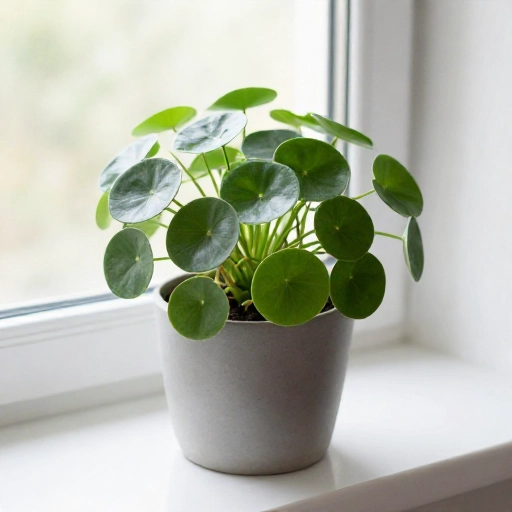
8. Friendship Plant (Pilea involucrata)
If you’re a fan of textured leaves, the Friendship Plant is a must-have. It has deeply quilted, bronze-green leaves that are absolutely gorgeous. This is a low-growing, spreading plant that looks lovely in a hanging basket or as ground cover in a larger pot.
It’s named for how easily it can be shared between friends, and it’s 100% safe for your furry friends. It does enjoy higher humidity and consistently moist soil.
Place it in a spot with medium to bright indirect light and watch it trail beautifully over the edges of its pot.
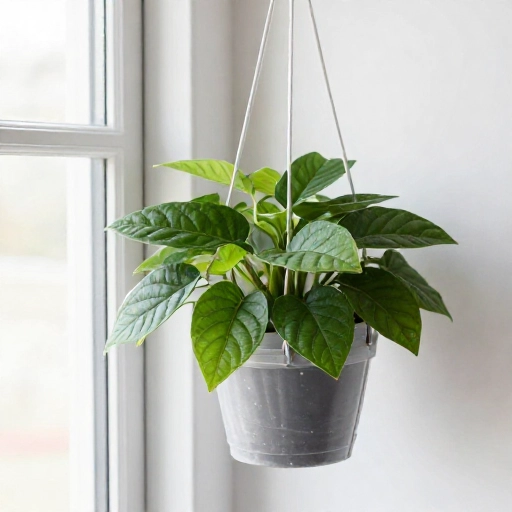
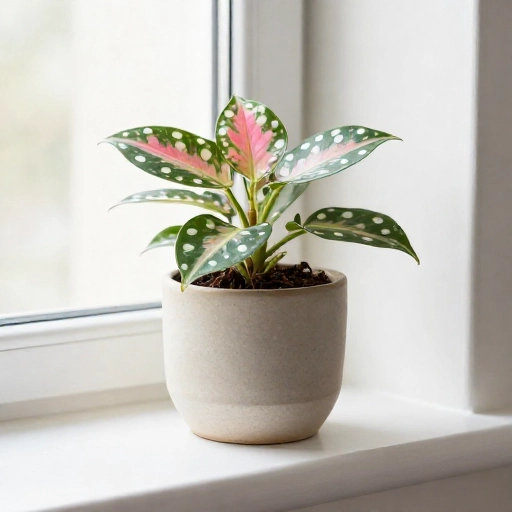
9. Polka Dot Plant (Hypoestes phyllostachya)
Add a pop of color to your collection with the Polka Dot Plant! Its foliage is splashed with pink, red, or white spots, making it a cheerful and safe choice for cat households. It’s a fun, vibrant plant that adds a playful vibe to any shelf.
These plants are pretty easy to care for. They like bright light to keep their colors vibrant, but they can get a bit leggy if they don’t get enough sun. Pinching back the stems encourages fuller growth.
If your cat loves to play with moving things, the delicate, mottled leaves are fun to bat at, but they’re totally non-toxic if ingested.
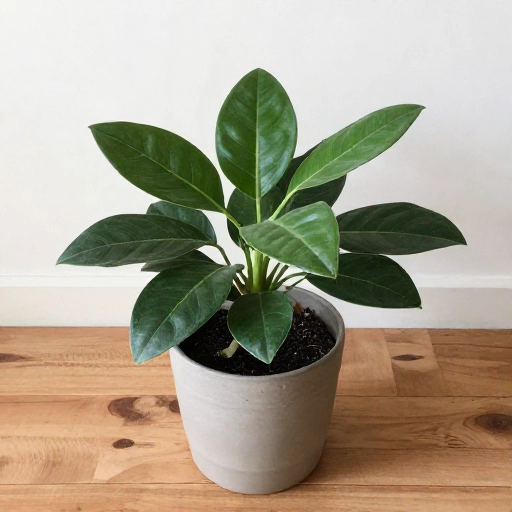
10. Cast Iron Plant (Aspidistra elatior)
True to its name, the Cast Iron Plant is practically indestructible. It can withstand low light, neglect, and temperature fluctuations, making it a champion for those who don’t have a green thumb. It’s a tough, sturdy plant that’s safe for cats.
Its tall, dark green leaves are elegant and architectural. Even if your cat decides to use it as a hiding spot, it will bounce back without any issue. This is the ultimate worry-free plant.
Water it only when the soil is completely dry. It’s a slow grower, but it will add a stately presence to your space.
11. Peperomia (Peperomia spp.)
The Peperomia family is huge and diverse, offering everything from the round, coin-like leaves of the Peperomia ‘Hope’ to the funky, ridged leaves of the Watermelon Peperomia. The best part? They are all non-toxic to cats. This is a great group to collect!
They have shallow root systems, so they don’t need huge pots and are happy in smaller containers. They thrive in medium to bright indirect light and appreciate having their soil dry out between waterings.
With so many varieties, you can create a mini jungle of different textures, all while keeping your cat safe.
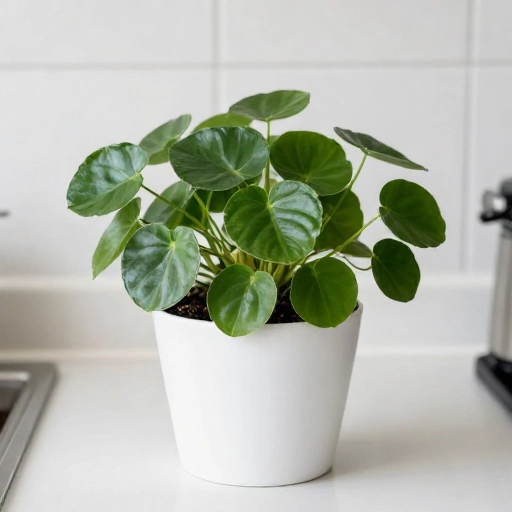
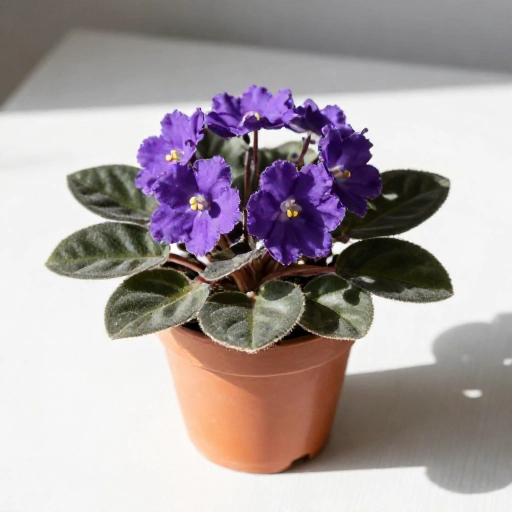
12. African Violet (Saintpaulia ionantha)
If you’re looking for a plant that actually flowers indoors, the African Violet is a gorgeous and safe option. They produce beautiful clusters of purple, pink, or white blooms that can brighten up a windowsill. They are completely safe if your cat decides to swat at the petals.
They can be slightly particular about water—they prefer bottom watering to avoid getting their fuzzy leaves wet, which can cause spots. They also love bright, indirect light.
Despite their delicate look, they are quite hardy and will bloom on and off all year long with the right care.
13. Rattlesnake Plant (Goeppertia insignis)
Another member of the prayer plant family, the Rattlesnake Plant is a showstopper. Its long, wavy-edged leaves are a beautiful deep green with lighter green and purple patterns. It’s a visual treat and perfectly safe for your cat to be around.
Like other Calatheas, it enjoys humidity and dislikes dry air. A bathroom or kitchen window is usually a happy place for it. It also has those fascinating movements where the leaves rise and fall with the day-night cycle.
The purple underside of the leaves adds a fun pop of color that your cat might find intriguing.
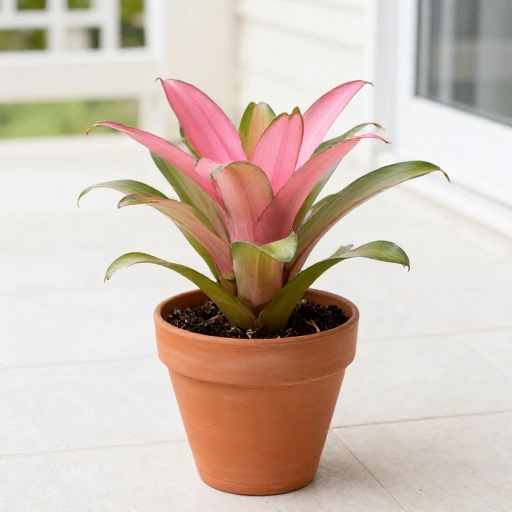
14. Bromeliads (Bromeliaceae spp.)
Bromeliads are exotic, vibrant, and surprisingly easy to care for. They have stunning, sword-like leaves and often produce a colorful central “cup” or flower spike. They are totally safe for pets, which makes them a fantastic choice for adding a tropical punch to your home.
One of the coolest things about them is that you water them by filling the central cup with water, not the soil. This might be a fascinating drinking fountain for your cat, but it’s safe if they take a sip.
They love bright, indirect light and will thrive as a low-maintenance statement piece.
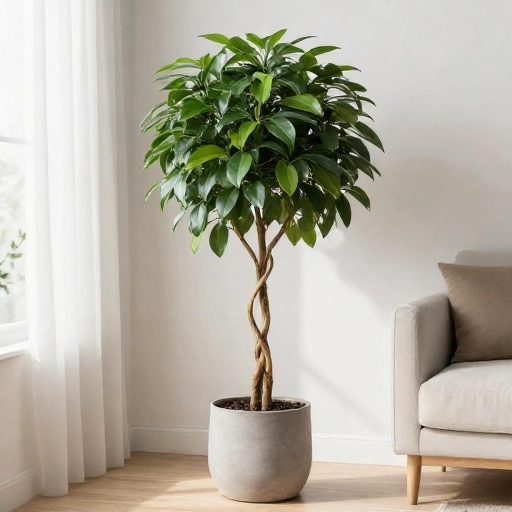
15. Money Tree (Pachira aquatica)
The Money Tree is a popular houseplant known for its braided trunk and lush, palmate leaves. It’s believed to bring good fortune and positive energy, and it’s completely non-toxic to cats. It’s a beautiful, hardy plant that survives even with a bit of neglect.
It’s a great floor plant that can grow quite tall, making it a fantastic natural divider or corner filler. Your cat might enjoy rubbing against the braided trunk! It prefers bright, indirect light and doesn’t like to be overwatered.
This is a plant that makes a statement and is a safe bet for any pet-friendly home.
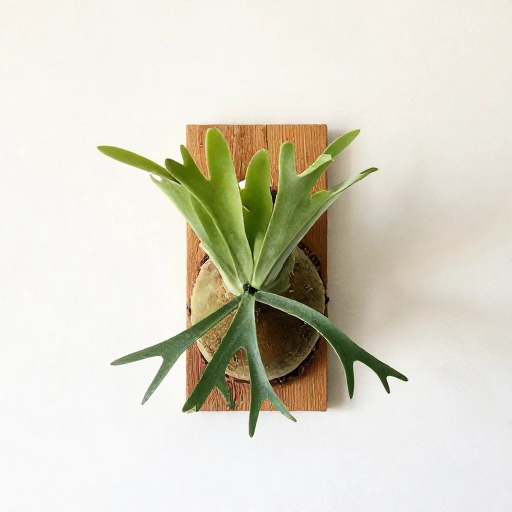
16. Staghorn Fern (Platycerium spp.)
For a truly unique display, you can’t beat a Staghorn Fern. Instead of growing in a typical pot, these epiphytes look incredible mounted on a piece of wood or hanging in a wire basket. Their fronds look like antlers, which is visually stunning and safe for your cat.
They are a bit more of a project plant, but they are very rewarding. They love bright, indirect light and need to be watered thoroughly, letting the mount dry out between waterings.
If you have a wall space that needs some living art, this is the perfect cat-safe option.
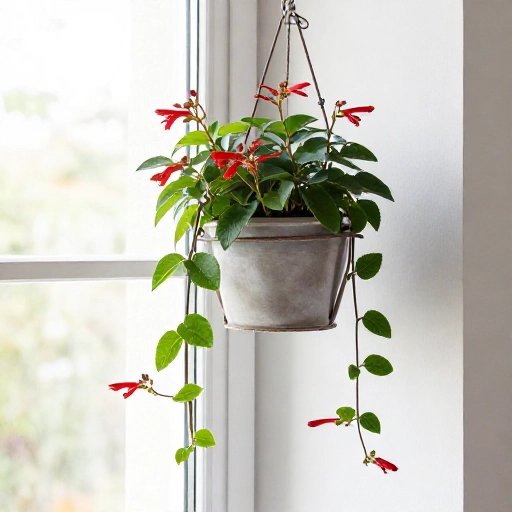
17. Lipstick Plant (Aeschynanthus radicans)
This trailing beauty gets its name from its unique, tube-shaped flowers that emerge from dark calyces, resembling a lipstick tube. It’s a stunning hanging basket plant with glossy, dark green leaves. And yes, it’s completely safe for your feline friend.
It’s an epiphyte, meaning it grows on trees in the wild, so it loves well-draining soil and consistent moisture. It also loves bright, indirect light to encourage blooming. The long, trailing vines are a magnet for playful cats, but they’re totally harmless.
Hang it up high where the vines can cascade down, and watch your cat happily bat at the safe, dangling leaves.
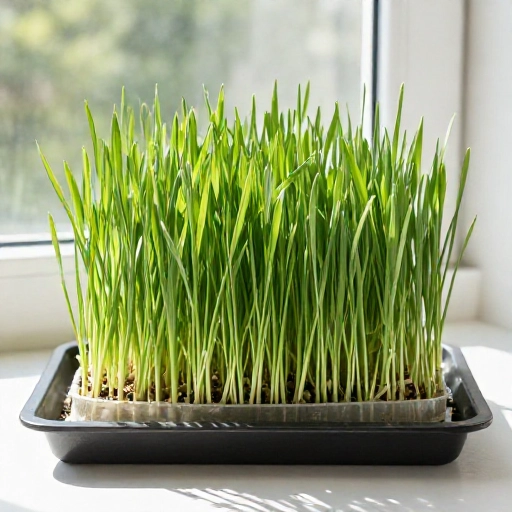
18. Cat Grass (Dactylis glomerata)
Okay, this one is a bit of a cheat code. Cat grass isn’t just safe; it’s actually good for them! It’s typically a mix of wheat, barley, or oat grass that’s grown specifically for cats to munch on. Providing this gives your cat a healthy outlet for their grazing instincts.
It helps with digestion and can prevent them from nibbling on your other (potentially harmful) houseplants. It’s super easy to grow in a shallow dish of soil, and it sprouts in just a few days.
Keep a pot of this fresh grass available, and your cat will be too busy enjoying their own snack bar to bother with anything else.
Conclusion
Creating a vibrant, green home doesn’t mean you have to compromise your cat’s safety. With this list of 18 wonderful, non-toxic plants, you can have the best of both worlds. From the easy-going Spider Plant to the majestic Areca Palm, there’s a safe plant out there for every corner of your home.
Remember to always do a quick double-check on any new plant you bring home, as common names can be tricky. And even with safe plants, it’s a good idea to discourage excessive nibbling, as too much roughage can upset your cat’s tummy. Happy planting, and happy, healthy cats!
FAQ
Q1: What should I do if my cat eats a plant that is safe?
Even with non-toxic plants, ingesting a large amount can cause mild stomach upset or vomiting. Monitor your cat and remove the plant if they are overdoing it. Providing cat grass is a great way to redirect that chewing behavior.
Q2: Are all succulents safe for cats?
No! While my list includes Haworthia, many popular succulents like Aloe vera, Jade plants, and Kalanchoe are toxic to cats. Always check the scientific name of a succulent before bringing it home.
Q3: How can I get my cat to stop eating my plants?
The best method is to offer a safe alternative like cat grass. You can also try placing plants in areas your cat can’t reach, like high shelves or hanging planters, and using citrus scents (which cats dislike) as a deterrent.
Q4: Is it normal for my cat to eat grass and plants?
Yes, it’s a very natural behavior for cats. They may do it to help with digestion, to get rid of hairballs, or simply out of curiosity. This is why providing safe, non-toxic plants is so important.
Q5: Where can I double-check if a plant is safe for my cat?
The ASPCA (American Society for the Prevention of Cruelty to Animals) has an excellent, comprehensive online database of toxic and non-toxic plants. It’s one of the best resources to use before making a new plant purchase.