The Ultimate Step-by-Step Yorkshire Terrier Training Guide: 13 Proven Tips That Actually Work

When I brought home my first Yorkshire Terrier, I quickly realized that training this tiny, spirited breed requires a special approach. Yorkies are brilliant, stubborn, and full of personality—which means traditional training methods don’t always cut it. After years of experience and plenty of trial and error, I’ve put together a simple, proven guide that will help you and your Yorkie thrive together.
Whether you’re dealing with potty training, excessive barking, or teaching basic commands, this step-by-step approach will transform your training sessions from frustrating to fun. Let’s dive into what actually works for these big dogs in tiny bodies.
1. Start with Trust and Bonding Before Formal Training
Before you teach a single command, spend quality time building a strong bond. Yorkies are people-oriented and respond best when they feel safe and connected. Sit on the floor at their level, offer gentle pets, and speak in a calm voice. Let them explore you and their new environment without pressure. This foundation makes everything else easier because your Yorkie will want to please you.
Use this time to learn their personality—is your Yorkie food-motivated, toy-crazy, or praise-driven? This knowledge is your secret weapon for all future training sessions.
2. Master Potty Training from Day One
Potty training is the number one challenge for new Yorkie owners. Their tiny bladders mean more frequent breaks. Take your puppy out every two hours, first thing in the morning, after meals, and after naps. Pick a designated potty spot outside and always go there. Use a consistent phrase like “go potty” while they’re eliminating, then reward immediately with a treat and praise.
Inside, use puppy pads near the door as a backup. Never punish accidents—just clean thoroughly with an enzyme cleaner to remove all traces. Accidents happen, but consistency will get you there faster than you think.
3. Crate Training Creates Security and Routine
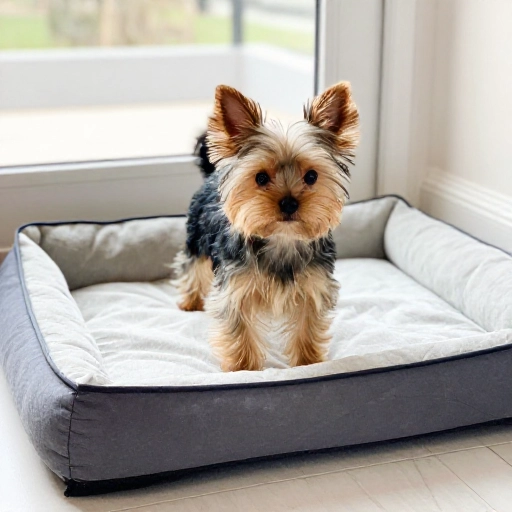
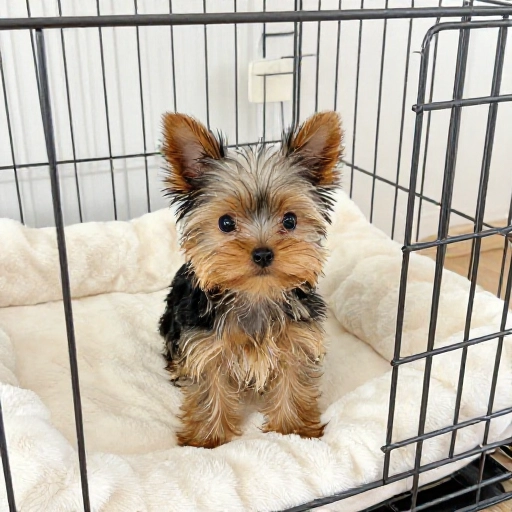
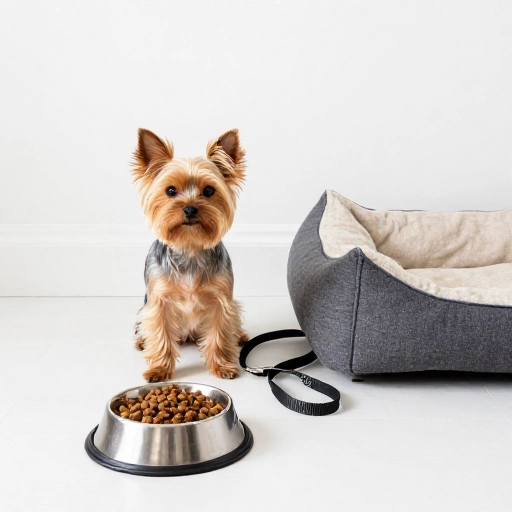
Crate training is a lifesaver for Yorkies. Make the crate cozy with a soft bed and a toy. Never use it as punishment. Feed meals inside the crate and leave the door open during the day so they can explore it on their own terms. Start with short periods—five to ten minutes—while you’re home, then gradually increase the time. Your Yorkie will learn that the crate is their safe den, not a cage.
Crate training also helps with potty training because dogs naturally avoid soiling their sleeping area. Just make sure the crate isn’t too big or they’ll use one corner as a bathroom.
4. Use Positive Reinforcement Every Single Time
Yorkies thrive on positive reinforcement. Reward good behavior with small, soft treats, excited praise, or a favorite toy. Keep training sessions short—five minutes max, three times a day. These little dogs have short attention spans, and forcing longer sessions will frustrate both of you. When they do something right, mark it immediately with a “yes” or a clicker, then reward. This clear communication helps them understand exactly what you want.
Never yell or use harsh corrections. Yorkies are sensitive and can become fearful or stubborn if you’re too intense. Gentle guidance works wonders.
5. Teach “Sit” as Your Foundation Command
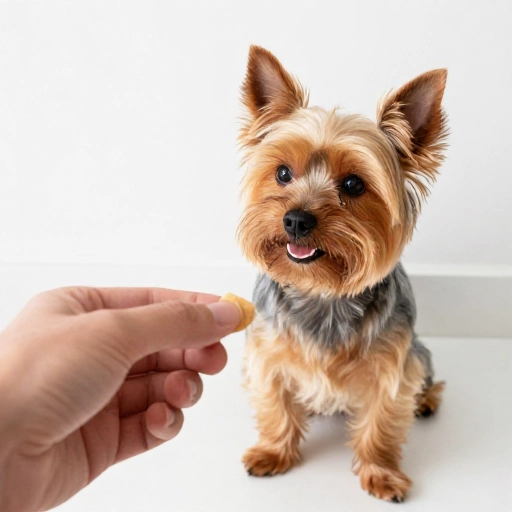
“Sit” is the gateway to all other commands. Hold a treat close to your Yorkie’s nose, then slowly move it up and back over their head. As their head follows the treat, their bottom will naturally lower. The moment they sit, say “yes” and give the treat. Repeat this several times, then add the verbal cue “sit” just before the movement. Practice in different rooms and with distractions to solidify the behavior.
This simple command builds focus and self-control. Plus, it’s a great way to calm an excited Yorkie before meals or greetings.
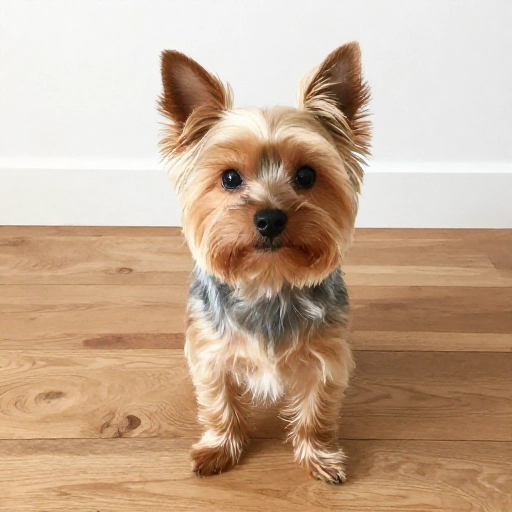
6. Leash Training Without the Pulling Battle
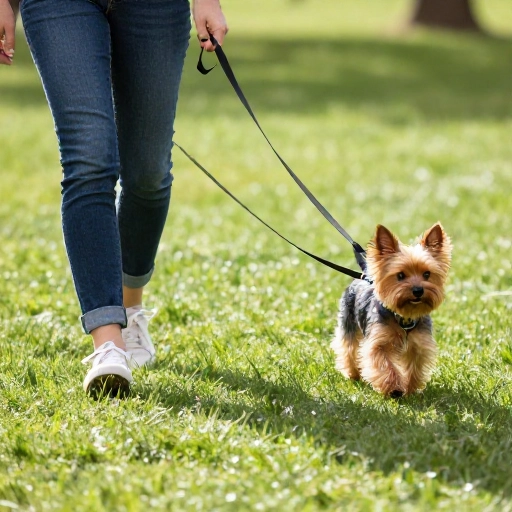
Yorkies often pull or stop dead in their tracks on walks. Start leash training indoors where there are fewer distractions. Let your Yorkie wear the harness and drag the leash around the house to get comfortable. Hold a treat at your side and encourage them to walk next to you. Reward every few steps. If they pull, stop walking completely. Wait until they look back at you or loosen the leash, then reward and continue.
Be patient—leash training takes time. Short, positive walks will teach your Yorkie that staying close equals treats and forward movement. Never yank the leash, as Yorkies have delicate necks.
7. Stop Nipping and Biting with Gentle Redirection
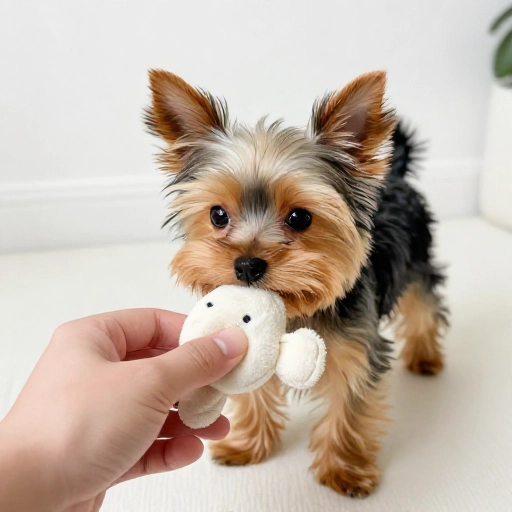
Puppy nipping is normal but needs to be addressed early. When your Yorkie mouths your hands or clothes, let out a high-pitched “ouch” and immediately stop playing. Turn away and ignore them for a few seconds. Then redirect to an appropriate chew toy. This teaches that biting ends fun time, while chewing toys keeps the game going. Consistency is key—everyone in the family must follow the same rule.
Never use your hands as toys or play rough games that encourage biting. Gentle play builds trust and prevents biting habits from sticking.
8. Socialize Early and Often
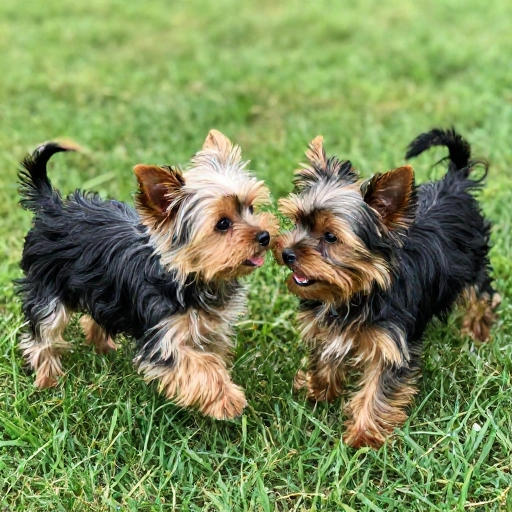
Socialization is critical for Yorkies, who can become territorial and anxious without proper exposure. Introduce your puppy to different people, friendly dogs, various surfaces, and everyday sounds like vacuum cleaners or doorbells. Keep experiences positive—bring treats and let your Yorkie approach new things at their own pace. Puppy classes are fantastic for structured socialization.
A well-socialized Yorkie is confident and less likely to develop fear-based behaviors like excessive barking or snapping. Start before 16 weeks for the best results.
9. Curb Excessive Barking with the “Quiet” Command
Yorkies are natural alarm clocks, but constant barking can drive you crazy. Teach “quiet” by waiting for a moment of silence during a barking episode. Say “quiet” in a calm, firm voice, then immediately reward the silence. Practice this consistently. You can also remove the trigger—if they bark at the window, close the curtains. Reward calm behavior throughout the day, not just when they stop barking.
Never yell over your barking Yorkie—they’ll think you’re joining in. Stay calm, be patient, and reward the quiet moments.
10. Master “Leave It” for Safety
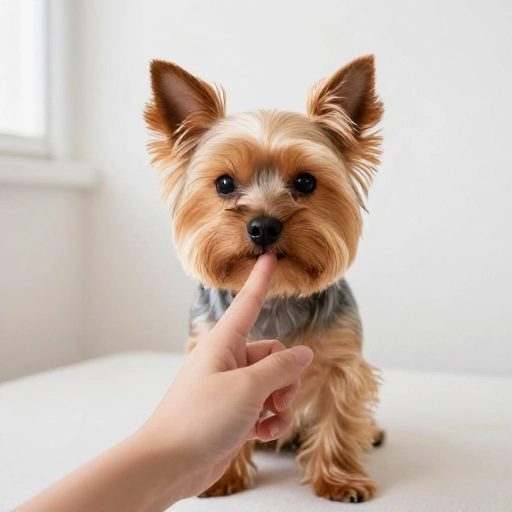
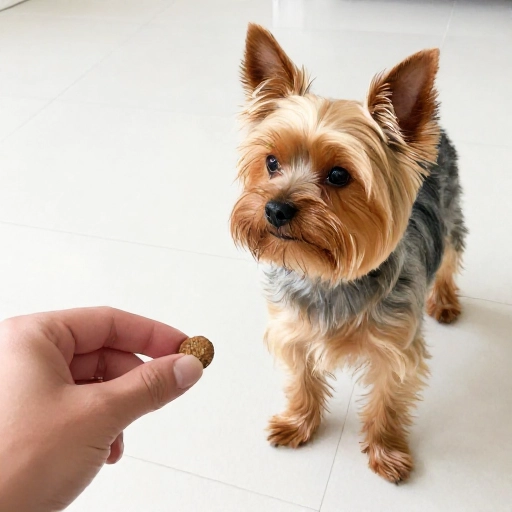
“Leave it” can prevent your Yorkie from eating something dangerous. Start with a treat in your closed fist. Let them sniff, lick, and paw at your hand. The moment they pull away or stop trying, say “yes” and reward them with a different treat from your other hand. Gradually increase difficulty—open your palm, then use items on the floor. Always reward them for choosing to ignore the item.
This command is a lifesaver for dropped pills, toxic foods, or random things on the sidewalk. Practice daily until it becomes automatic.
11. Use Mental Stimulation to Prevent Boredom
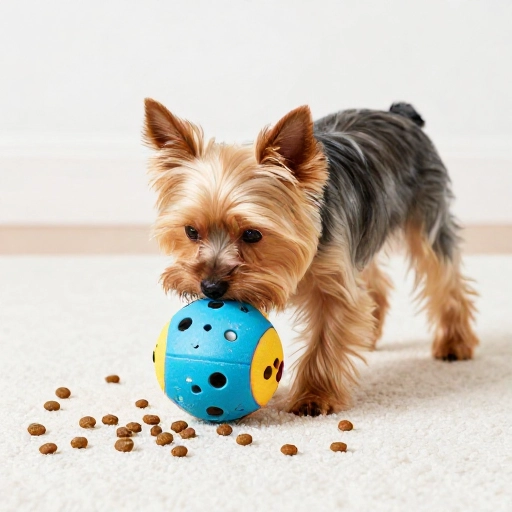
Yorkies are smart and need mental challenges. Use puzzle toys, snuffle mats, or hide treats around the house for them to find. Teach tricks like spin, shake, or roll over. Training sessions themselves are great mental exercise. A bored Yorkie is a destructive Yorkie—they’ll chew shoes, dig in trash, or bark nonstop. Fifteen minutes of mental work equals an hour of physical exercise for this breed.
Rotate toys to keep things fresh. Mental stimulation tires them out and strengthens your bond.
12. Be Consistent with Rules and Routine
Consistency is the backbone of Yorkie training. Decide on rules—like no jumping on furniture or no begging at the table—and enforce them every time. If you let them on the couch sometimes but not others, they’ll be confused and push boundaries. Use the same commands, the same rewards, and the same schedule every day. A predictable routine makes your Yorkie feel secure and cooperative.
Write down your rules and share them with everyone in the household. Mixed signals create stubborn, anxious dogs.
13. Celebrate Small Wins and Stay Patient
Training a Yorkie is a marathon, not a sprint. Celebrate every small victory—a successful potty trip, a perfect sit, a quiet moment. Keep a journal of progress if it helps. Some days will feel like two steps forward and one step back. That’s normal. Your attitude directly affects your Yorkie’s confidence. Stay positive, use lots of praise, and remember that this little dog loves you and wants to make you happy.
Patience and consistency will turn your Yorkie into a well-mannered, joyful companion. You’ve got this.
Conclusion
Training your Yorkshire Terrier is one of the most rewarding journeys you’ll take as a pet parent. These 13 steps are designed to work with your Yorkie’s unique personality, not against it. Start slow, stay consistent, and always lead with love and patience. Before you know it, you’ll have a confident, well-behaved little friend who makes every day brighter.
Remember, every Yorkie learns at their own pace. Trust the process, celebrate the progress, and enjoy the bond you’re building one training session at a time.
Frequently Asked Questions
How long does it take to potty train a Yorkie?
Most Yorkies are fully potty trained between 4 to 6 months, but some take up to a year. Their tiny bladders mean more frequent accidents at first. Stay consistent with scheduled potty breaks and rewards, and you’ll see steady progress.
Are Yorkies hard to train?
Yorkies can be stubborn, but they’re also intelligent and eager to please. The key is using positive reinforcement, keeping sessions short, and being more patient than they are persistent. With the right approach, they learn quickly.
What is the best age to start training a Yorkie puppy?
Start basic training like potty training and “sit” as early as 8 weeks old. Socialization should begin immediately after vaccinations. The earlier you start, the easier it is to shape good habits before bad ones form.
How do I stop my Yorkie from biting everything?
Redirect biting to appropriate toys, use the “ouch” method to signal discomfort, and ensure your Yorkie gets enough exercise and mental stimulation. Biting often decreases as they lose puppy teeth and learn bite inhibition.
Can older Yorkies learn new tricks?
Absolutely! Yorkies of any age can learn new behaviors. Older dogs may have ingrained habits, but with patience and positive reinforcement, they can master new commands and unlearn unwanted behaviors. Training is a lifelong gift you give your dog.