Is Your Dog Scratching More Than Usual? 10 Signs of Allergies You Shouldn’t Ignore

I remember the first time I noticed my dog, Buster, licking his paws obsessively. I thought it was just a habit, maybe boredom. But when the redness and smell showed up, I knew something was off. That’s when I started learning about dog allergies—and honestly, it changed everything.
Allergies in dogs are way more common than most people realize. They can show up in so many weird ways, from itchy ears to upset stomachs. The tricky part? Dogs can’t tell us what’s bothering them. So we have to play detective. Here are 10 signs that your pup might be dealing with allergies, straight from my own experience and what I’ve learned along the way.
1. Constant Scratching and Biting at the Skin
If your dog is scratching like there’s no tomorrow, allergies might be the culprit. It’s not just the occasional scratch—it’s the kind that keeps them up at night or distracts them from playing.
Look for areas they focus on a lot: the belly, armpits, paws, and face. If you notice them chewing or biting at their skin repeatedly, that’s a big red flag. I’ve seen dogs bite themselves raw just from the itchiness.
Sometimes it’s seasonal, sometimes it’s food-related. Either way, if your dog can’t stop scratching, it’s time to pay attention.
2. Red, Inflamed, or Stinky Ears
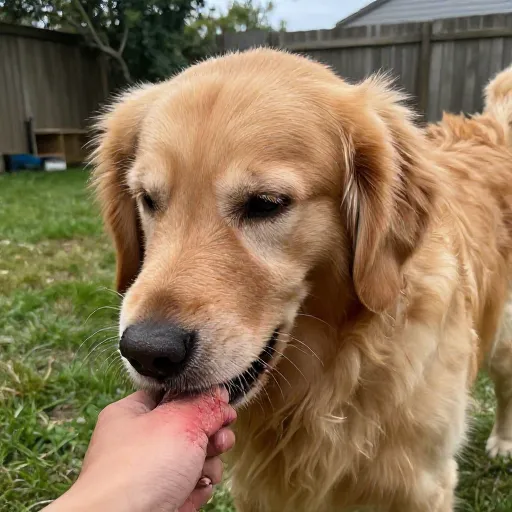
Ear issues are one of the most common signs of allergies in dogs. If your dog is shaking their head a lot or scratching at their ears, don’t brush it off.
Take a peek inside. If you see redness, swelling, or a dark, waxy buildup, that could be an allergic reaction. And if there’s a funky smell? Yeah, that’s often a sign of a yeast or bacterial infection, which allergies can trigger.
Some dogs get recurrent ear infections, and the root cause is often undiagnosed allergies. Cleaning won’t fix it if the allergy is still there.
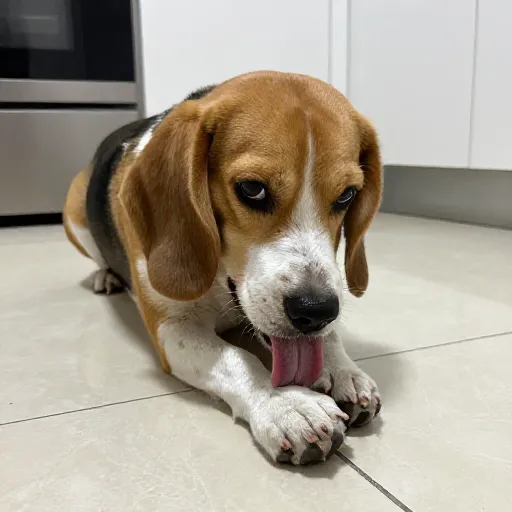
3. Excessive Licking of the Paws
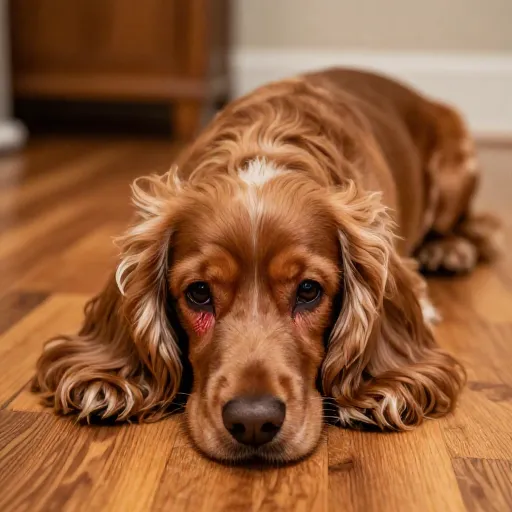
Paw licking is a classic allergy sign. Dogs don’t just lick for no reason—when they lick their paws constantly, it’s usually because they’re itchy or irritated.
Check between their toes and pads. Is the fur stained a reddish-brown? That’s from saliva. Is the skin red or swollen? Those are all clues. I’ve had dogs that licked their paws so much they developed “lick granulomas,” which are hard, raised sores that take forever to heal.
If your dog’s paws always seem damp or smell like corn chips, that’s a yeast overgrowth, which often goes hand-in-hand with allergies.
4. Runny Eyes or Nose
Just like humans, dogs can get watery eyes and runny noses from allergies. If your dog’s eyes look goopy, red, or have that “sad” look with tear stains, it might be more than just dust.
Some dogs get a clear discharge from their nose or eyes. Others develop a thicker, yellowish discharge if there’s a secondary infection. Pay attention to how often you’re wiping their face.
It can be environmental—like pollen or mold—or something in their bowl. Either way, those drippy eyes are telling you something.
5. Hives or Bumpy Skin
Hives are raised, round bumps that can show up suddenly on your dog’s skin. They might appear on the face, belly, or legs. They’re often itchy and can come and go quickly.
I’ve seen dogs get hives after eating a new treat or rolling in the grass. Sometimes it’s a reaction to a bug bite or medication too. If you run your hand over your dog’s back and feel little bumps, that’s worth investigating.
Hives usually aren’t an emergency unless your dog has trouble breathing, but they’re a clear sign that something triggered an allergic reaction.
6. Hair Loss or Bald Patches
If your dog is losing hair in patches, allergies could be the reason. Constant scratching and licking can damage the hair follicles, leading to thinning or bald spots.
Look for areas where the fur looks thinner, especially on the flanks, tail, or around the ears. Sometimes the skin underneath looks dark or thickened.
Hair loss from allergies usually happens gradually, but once you notice it, it’s a signal that the itching has been going on for a while. Don’t wait until they’re bald to get help.
7. Frequent Ear or Skin Infections
Allergies weaken the skin’s natural defenses, making it easier for bacteria and yeast to take over. If your dog keeps getting ear infections, hot spots, or skin infections, allergies are often the underlying cause.
Hot spots are those angry, wet, red sores that appear out of nowhere. They’re painful and can spread fast. I’ve seen dogs go from fine to a full-blown hot spot in just a few hours.
If your vet keeps treating infections but they keep coming back, it’s time to look at what’s triggering the allergic reaction in the first place.
8. Scooting or Licking the Rear End
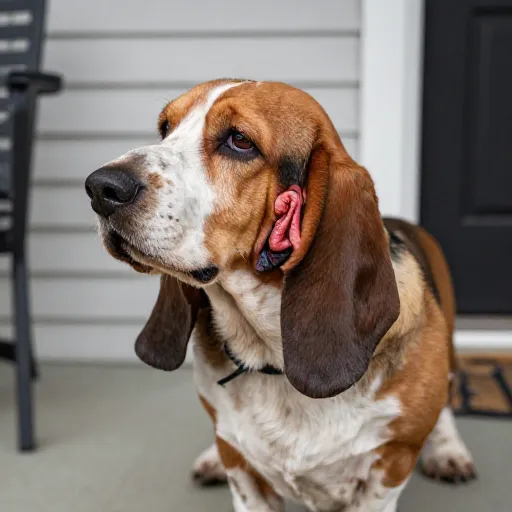
Yes, that classic butt scoot across the carpet. While it can mean your dog needs their anal glands expressed, it’s also a sign of allergies.
Allergies can cause inflammation in the anal area, leading to itchiness and discomfort. If your dog is scooting, licking their rear, or chasing their tail more than usual, consider allergies as a possibility.
Food allergies especially can cause GI issues that affect the anal glands. So don’t just assume it’s a gland problem—it might be what’s going into their bowl.

9. Vomiting or Diarrhea Without an Obvious Cause
Not all allergy symptoms are on the skin. Some dogs react to allergens in their digestive system. If your dog has chronic loose stools, gas, or occasional vomiting, food allergies could be the reason.
I’ve seen dogs that throw up after certain proteins or grains. Others get gassy or have soft poop after treats. It’s not always immediate—sometimes the reaction builds up over days.
If your dog’s tummy troubles don’t have a clear cause, keep a journal of what they eat and when symptoms show up. You might spot a pattern.
10. Chronic Itching That Worsens at Certain Times
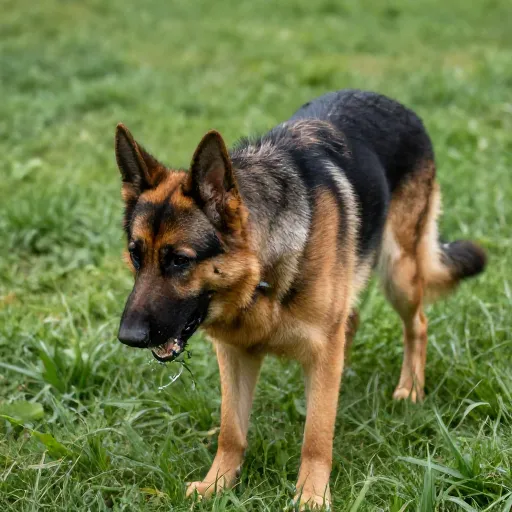
Some dogs only itch during spring or fall. That’s a big hint that environmental allergies—like pollen, grass, or mold—are to blame. If your dog seems fine indoors but gets itchy after walks or playing outside, pay attention.
Seasonal itching often comes with red eyes, sneezing, or paw licking. You might notice it gets worse after a trip to the park or a day in the yard.
Keeping a log of when symptoms flare up can help you and your vet narrow down the triggers. It’s not always easy, but knowing the pattern is half the battle.
Conclusion: You Know Your Dog Best
If any of these signs sound familiar, don’t panic. Allergies are manageable, and you can help your dog feel so much better. Start by talking to your vet about what you’re seeing. They can help you figure out if it’s food, environment, or something else.
In the meantime, keep an eye on your dog’s skin, ears, and behavior. You’re their advocate, and noticing these signs early can save them a lot of discomfort. Trust your gut—if something seems off, it probably is.
Frequently Asked Questions
Can dogs develop allergies suddenly, even as adults?
Yes, absolutely. Dogs can develop allergies at any age, even if they’ve never had issues before. It’s not uncommon for a 5-year-old dog to suddenly show signs of food or environmental allergies.
What are the most common things dogs are allergic to?
The most common allergens are proteins like chicken, beef, dairy, and eggs, as well as environmental triggers like pollen, dust mites, mold, and grass. Flea allergies are also very common.
Should I change my dog’s food if I suspect allergies?
Don’t switch food without consulting your vet first. They can help you do an elimination diet to figure out exactly what’s triggering the reaction. Guessing can make things worse or leave you chasing the wrong culprit.
Can dog allergies go away on their own?
Sometimes seasonal allergies improve with the weather change, but most allergies don’t just disappear. Without management, they often get worse over time or lead to secondary infections.
How can I relieve my dog’s itchy skin at home?
Try wiping your dog’s paws after walks, using a humidifier indoors, and giving them a soothing oatmeal bath. Always check with your vet before trying new treatments, especially if the skin is broken or infected.