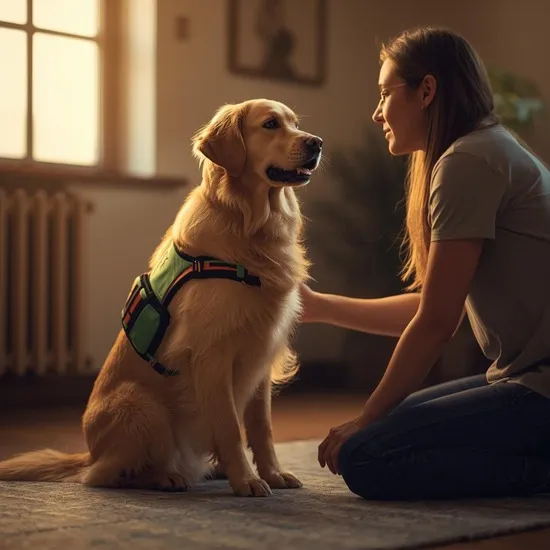
10 Best Dog Harnesses for Every Breed: The Ultimate Guide to Comfort & Control
Let’s be real—finding the right dog harness can feel like a never-ending quest. I’ve been there, standing in the pet aisle, holding up a harness that looks perfect but somehow turns my pup into an escape artist. The truth is, one size (or style) definitely does not fit all. Whether you have a tiny teacup Chihuahua or a giant Great Dane, the right harness makes walks easier, safer, and way more enjoyable for both of you.
I’ve tested dozens of harnesses over the years, and I’ve learned that the best choice depends on your dog’s unique build, energy level, and walking style. In this guide, I’m breaking down the 10 best harnesses for every breed—from no-pull designs for strong pullers to padded options for sensitive skin. Let’s find your dog’s perfect match.
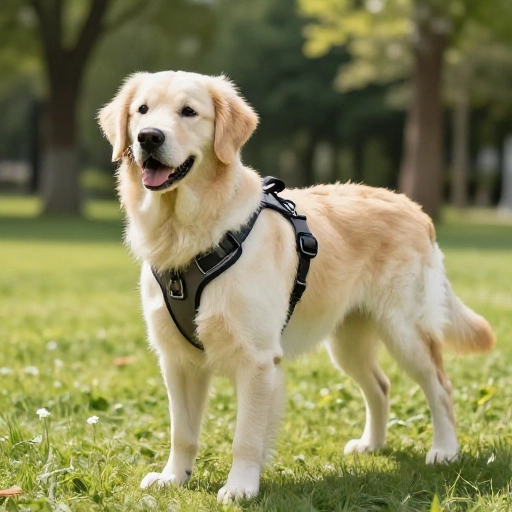
1. The Best All-Around Harness for Medium to Large Breeds
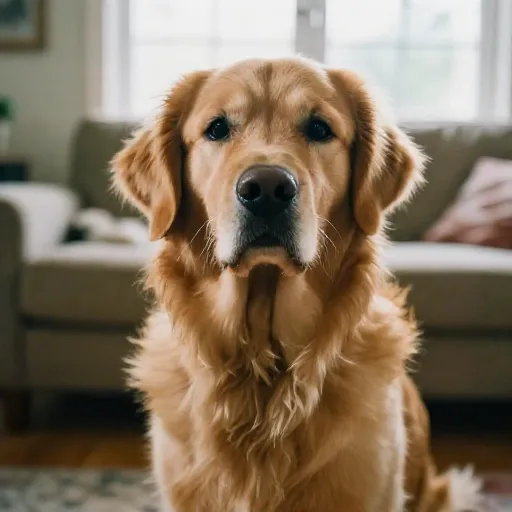
If you have a Labrador, Golden Retriever, or Boxer, you need a harness that balances comfort with control. This style typically has a padded chest plate and a sturdy back handle. I love that it gives you a little extra grip for helping your dog into the car or over a muddy puddle.
Look for a harness with a front clip and a back clip. The front clip gently discourages pulling, while the back clip is perfect for calm, loose-leash walks. It’s the “one harness to rule them all” for active, medium-to-large dogs.
Make sure the padding is breathable mesh, not thick foam that holds heat. Your Lab will thank you on summer walks.
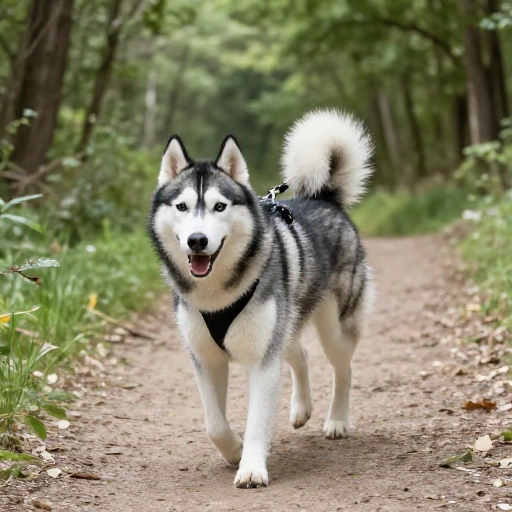
2. The Best No-Pull Harness for Strong, Determined Pullers
Does your dog think every walk is a sled race? I’ve been there. For breeds like Huskies, German Shepherds, or even a strong Pit Bull, a no-pull harness with a front chest ring is a game-changer. When your dog pulls, the harness gently turns them back toward you—no choking, just gentle redirection.
Pro tip: the best no-pull harnesses have two attachment points. Use the front clip for training and the back clip for everyday walks. This gives you total flexibility.
Avoid anything with flimsy plastic clips—your strong puller needs heavy-duty metal hardware that won’t snap mid-walk.
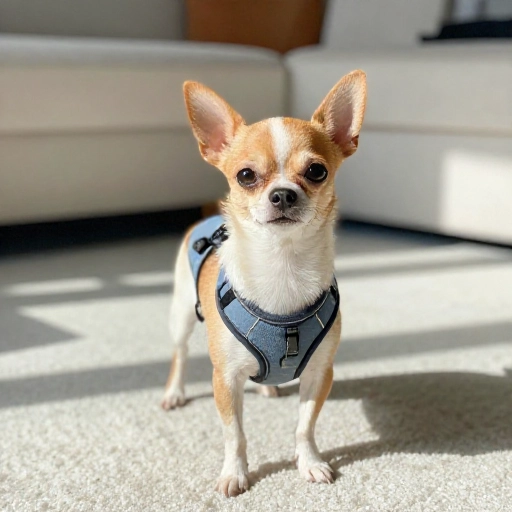
3. The Best Lightweight Harness for Tiny Breeds (Chihuahuas, Yorkies, Toy Poodles)
Small dogs have delicate necks and tracheas, so a step-in harness is often the safest choice. I recommend a vest-style harness made from soft, lightweight nylon. It slips on like a little jacket, which is way less stressful for a nervous pup.
Look for one with a narrow, soft strap that sits comfortably across the chest, not the throat. And please, avoid anything that has a lot of bulky padding—it can weigh them down and restrict movement.
Bonus points for reflective stitching so you can spot your tiny friend during evening potty breaks.
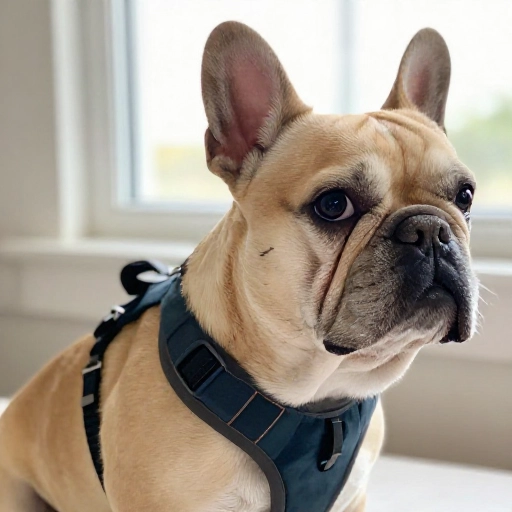
4. The Best Padded Harness for Dogs with Sensitive Skin (Dachshunds, French Bulldogs, Greyhounds)
Some dogs just have tender skin. I’ve had a Frenchie who would get rub marks from anything scratchy. For breeds with short coats or sensitive skin, a harness with soft, plush padding is essential. Look for a design that uses a smooth, lined interior—no rough edges or exposed seams.
French Bulldogs and other brachycephalic breeds also benefit from a harness that avoids pressure on the neck and chest. A padded vest style distributes pressure evenly and keeps them comfortable.
I always check that the padding is machine washable. Dirty dogs happen, and a clean harness means happy skin.
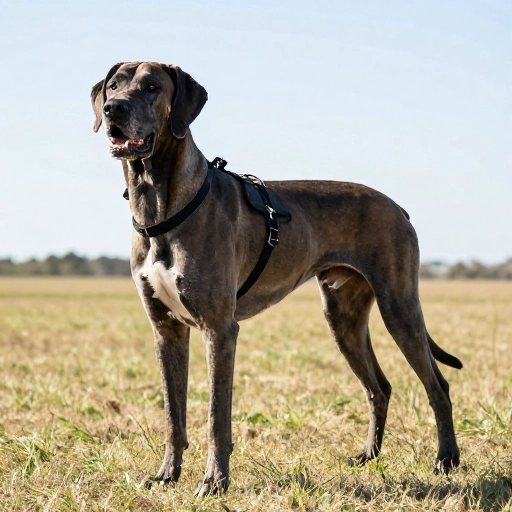
5. The Best Heavy-Duty Harness for Giant Breeds (Great Danes, Mastiffs, Saint Bernards)
When your dog weighs more than you do, you need serious gear. Giant breeds need a harness with wide, thick straps and heavy-duty metal buckles. I look for a model with a handle on the back—it’s a lifesaver for helping your gentle giant stand up in the car or navigate stairs.
Make sure the chest strap is long enough to fit a deep chest. Many standard “large” harnesses are too short for a Great Dane’s barrel chest. Always measure your dog’s girth before buying.
A harness with a padded back panel also helps prevent chafing when your big buddy is pulling on a leash. Trust me, you’ll both be more comfortable.
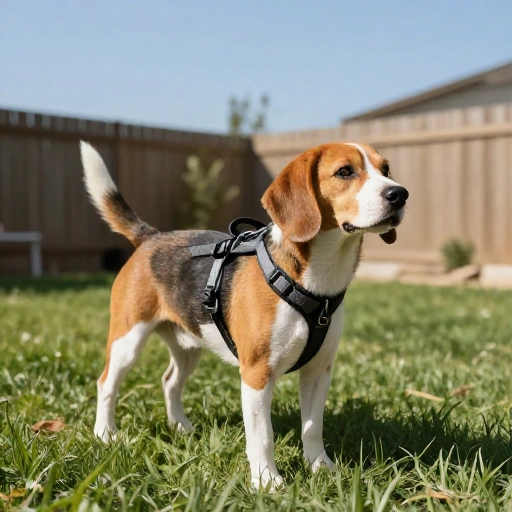
6. The Best Escape-Proof Harness for Houdini Dogs (Hounds, Terriers, Beagles)
Some dogs are just escape artists. I once had a Beagle who could back out of any harness in seconds. For these clever pups, a harness with a third belly strap is your best bet. This “double-strap” design makes it nearly impossible for a dog to slip out.
Look for a harness that has a martingale loop on the back—the more they pull, the tighter it gets (safely). It’s the same concept as a martingale collar but on a harness.
Also, check that the straps are adjustable in multiple places. A snug fit at the neck, chest, and belly is key to keeping your Houdini secure.
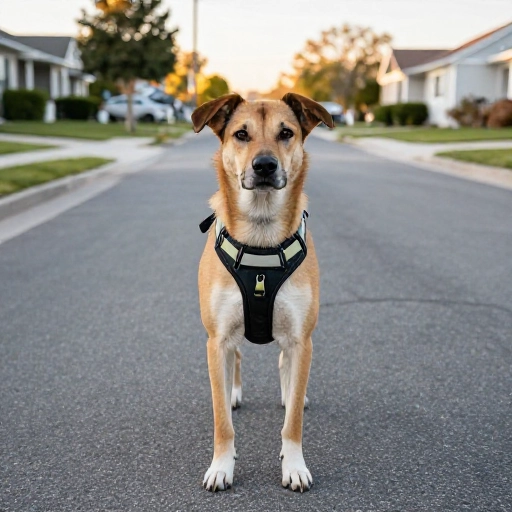
7. The Best Reflective Harness for Night Walkers (All Breeds)
If you walk your dog early in the morning or after dark, visibility is everything. I love harnesses that have wide reflective strips sewn into the fabric, not just a tiny trim. You want to be seen from every angle—side, front, and back.
Some high-visibility harnesses even come in bright neon colors like lime green or safety orange. Pair that with a clip-on light, and you’re set for safe evening strolls.
This is a great choice for any breed, but especially for black or dark-coated dogs who disappear into the night.
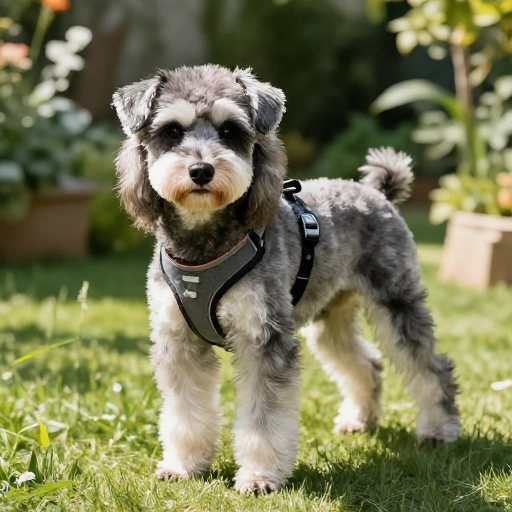
8. The Best Step-In Harness for Senior Dogs (All Breeds)
Older dogs often have stiff joints and limited mobility. Lifting a harness over their head can be painful. A step-in harness is the easiest option—just lay it flat, have your dog step in, and clip it on their back. No lifting required.
I love these for arthritic dogs because they’re also very gentle on the body. No pressure on the neck or spine. Look for one with a soft, padded interior for extra comfort.
Bonus: many step-in harnesses have a gentle, padded handle so you can help your senior dog up curbs or stairs without straining their back.
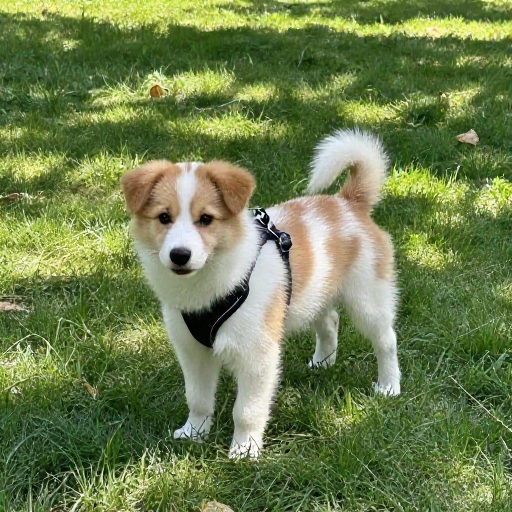
9. The Best Adjustable Harness for Growing Puppies (All Breeds)
Puppies grow fast—like, impossibly fast. I recommend an adjustable harness with multiple points of adjustment (neck, chest, and belly). This lets you loosen or tighten the fit as your pup grows. Some even have four adjustment points, which means you can get months of use before sizing up.
Look for a lightweight, breathable material that won’t weigh down a wiggly puppy. Also, a front clip is great for early loose-leash training.
Avoid anything that’s too bulky or has a lot of straps that can tangle. Simple and comfortable is key for a puppy’s first harness.
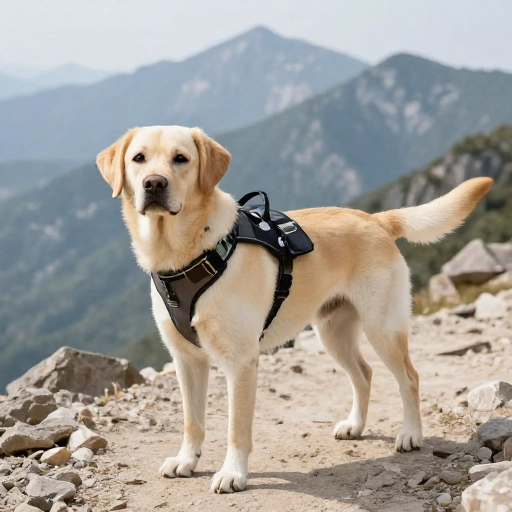
10. The Best Multi-Functional Harness for Adventurous Dogs (Hiking, Camping, Swimming)
For the active dog who goes everywhere with you—hiking, swimming, camping—you need a harness that can handle it all. Look for a rugged, quick-dry material like a nylon or polyester blend. It should have a sturdy handle for lifting over obstacles and a metal D-ring that won’t rust.
Some adventure harnesses even have a built-in poop bag holder or a small pocket for a treat—super handy on long trails.
Make sure it has reflective details for low-light hikes. Your adventure buddy deserves gear that’s as tough as they are.
[[IMG:IMG11]]
Conclusion
Finding the perfect harness doesn’t have to be a struggle. The key is matching the design to your dog’s breed, size, and personality. Whether you’re dealing with a tiny escape artist or a gentle giant, there’s a harness out there that will make walks safer and more fun. I hope this guide helps you find the one that fits your pup like a glove. Happy walking!
Frequently Asked Questions
1. How do I measure my dog for a harness?
Use a soft measuring tape. Measure around the widest part of their chest (just behind the front legs) and around the base of their neck. Always check the size chart for the brand you’re buying—sizes vary.
2. Should I get a front-clip or back-clip harness?
Front-clip harnesses are great for training and discouraging pulling. Back-clip harnesses are easier for calm walks and for dogs who don’t pull. Many harnesses have both clips for maximum versatility.
3. Can I leave a harness on my dog all day?
No, it’s best to remove the harness when your dog is at home. Constant wear can cause chafing, matting, and discomfort. Only use it for walks, training, or outdoor activities.
4. My dog hates wearing a harness. What should I do?
Start slowly. Let them sniff the harness first, then reward them with treats for putting their head through. Practice clipping it on for short periods indoors. Make it a positive experience with lots of praise and treats.
5. How do I clean a dog harness?
Most harnesses can be hand-washed with mild soap and warm water. Some are machine washable—check the care label. Always air dry, never put it in the dryer, as heat can damage the hardware and fabric.