10 Genius Professional Dog Yard Design Tricks You’ll Want to Steal
Let’s be honest—our yards take a beating when we share them with a dog. What was once a tidy patch of grass can quickly turn into a muddy track, a digging zone, or a spot where the fence line just doesn’t feel secure anymore. I’ve been there, staring at my backyard and wondering how to make it work for both my pup and my sanity.
The good news? You don’t need a landscape architect or a massive budget to create a yard that’s both dog-friendly and beautiful. After testing these tricks myself and chatting with a few professional landscapers who specialize in pet-friendly spaces, I’ve rounded up the ten best design ideas that actually work. These aren’t just pretty concepts—they’re practical, durable, and designed to make your dog’s outdoor time safer and more fun.
1. Create a Dedicated Digging Pit
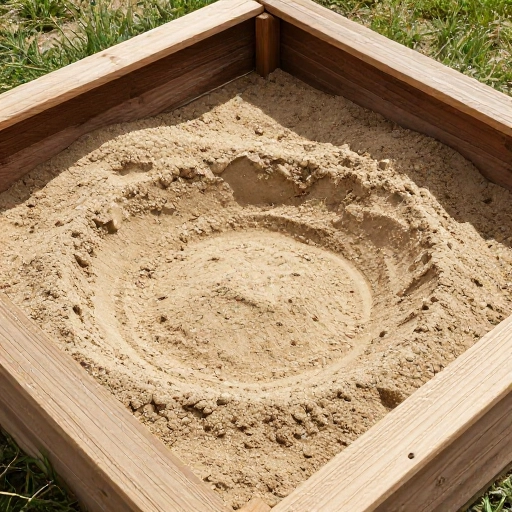
Dogs dig because it’s in their DNA. Instead of fighting that instinct, give them a spot where digging is totally allowed. Choose a corner of the yard that’s already a bit bare and fill it with soft sand or loose soil. Bury a few toys or treats just under the surface to encourage them to use that area. Over time, they’ll learn that this is their digging zone, and the rest of the yard stays intact.
To make it feel intentional, edge the pit with small stones or a low wooden border. This keeps the sand contained and makes the area look like part of the design rather than an afterthought. You can even add a small shade sail above it for hot days.
2. Use a Gravel “Moat” Along Fences
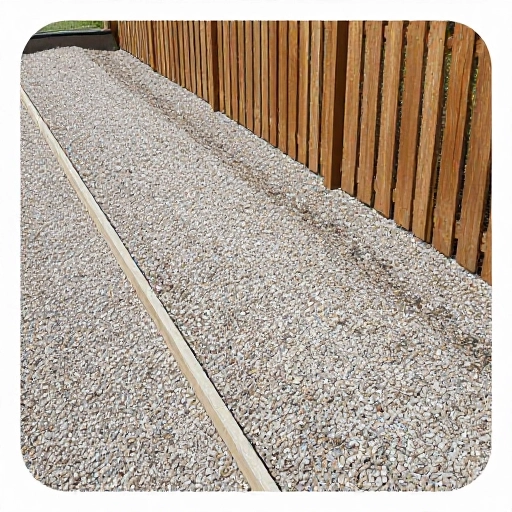
If your dog loves to run the fence line, you’ve probably seen the dirt path they wear down over time. A simple fix is to install a two-foot-wide strip of pea gravel right along the base of the fence. Dogs don’t enjoy digging in gravel, and it drains water beautifully, so you won’t get muddy puddles after rain.
The gravel also acts as a visual barrier, making the yard feel more structured. Choose a gravel color that complements your home’s exterior, and lay down landscape fabric underneath to prevent weeds from pushing through.
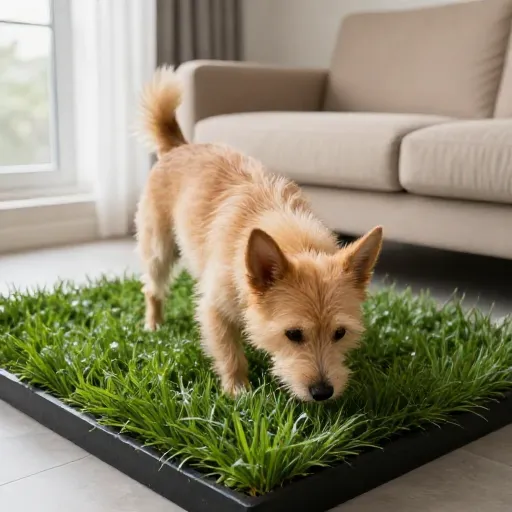
3. Install a Pet-Friendly Artificial Turf Patch
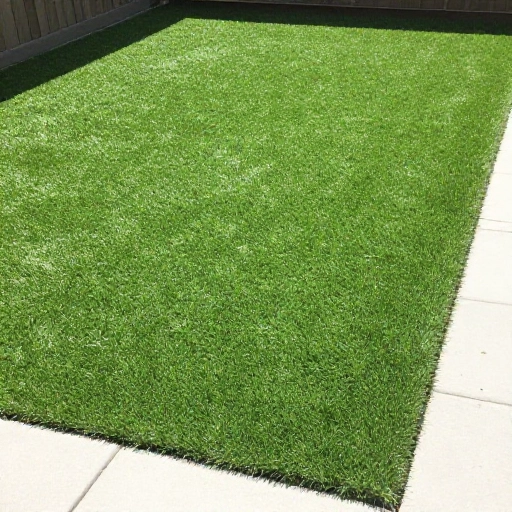
Real grass is lovely, but it doesn’t always hold up to urine spots and constant running. A small section of high-quality pet turf gives your dog a soft, clean place to play without the maintenance. Look for turf with drainage holes built in, so liquids pass through rather than sitting on top.
Don’t cover the whole yard—just create a dedicated play zone. This keeps costs down and still leaves room for plants, pathways, or a seating area. Rinse it with a hose once a week to keep it fresh.
4. Build a Shaded Rest Station
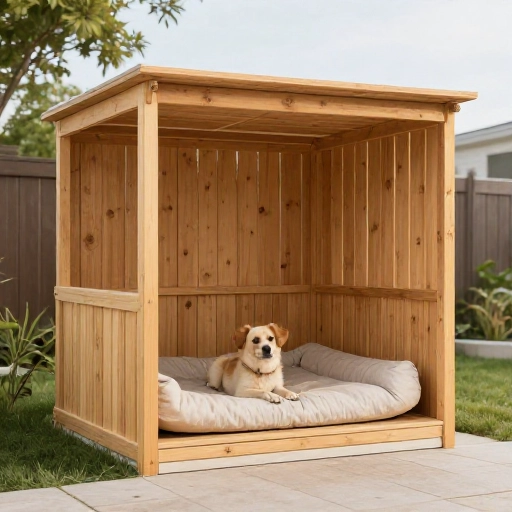
Dogs overheat faster than we do, and they often don’t know when to stop playing. A shaded rest station gives them a cool spot to take a break. This can be as simple as a large patio umbrella anchored into a heavy base, or a small pergola with a climbing vine for extra shade.
Place a raised dog bed or a cooling mat underneath. If you have room, add a small water bowl station nearby. Your dog will naturally gravitate there when they need a break, and you’ll feel better knowing they’re staying safe.
5. Choose Durable, Non-Toxic Plants
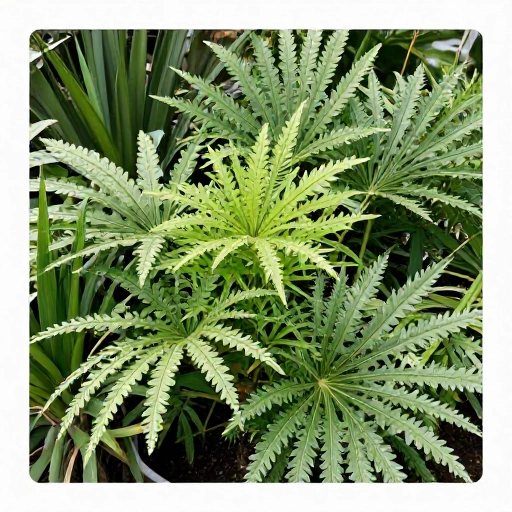
Not all plants are safe for dogs, and some common garden favorites can cause real problems if chewed. Stick with dog-safe options like rosemary, lavender, sunflowers, and snapdragons. These are tough enough to handle a bit of trampling and won’t harm your pup if they take a curious nibble.
Avoid plants like azaleas, lilies, and sago palms. If you’re unsure, check the ASPCA’s list of toxic plants before buying anything new. Grouping plants in raised beds also helps keep them out of reach of enthusiastic paws.
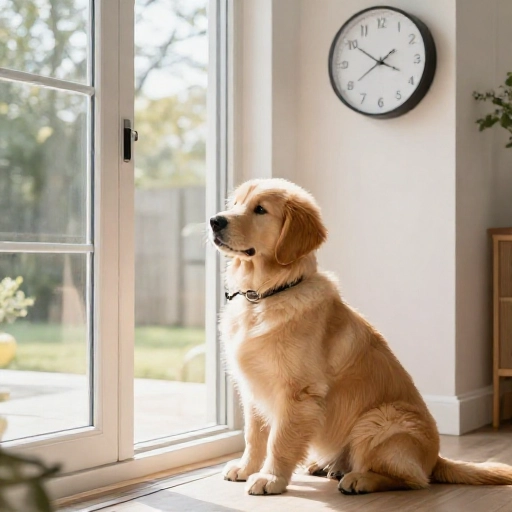
6. Install a Low-Profile Pet Door with a Tunnel
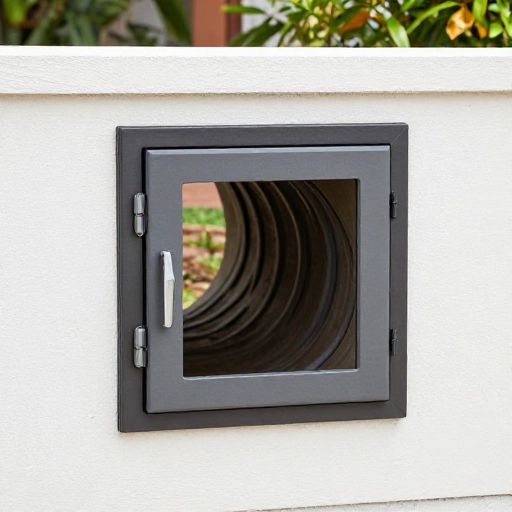
A pet door that leads directly into a fenced run or a small enclosed patio area gives your dog freedom without letting them roam the whole yard unsupervised. The tunnel-style doors are great because they keep out drafts and pests, and they’re easy for dogs of all sizes to use.
Position the door near a wash station or a muddy-paw mat so they can be cleaned off before entering the house. This simple addition can dramatically reduce the amount of dirt tracked inside.
7. Use Stepping Stones for High-Traffic Paths
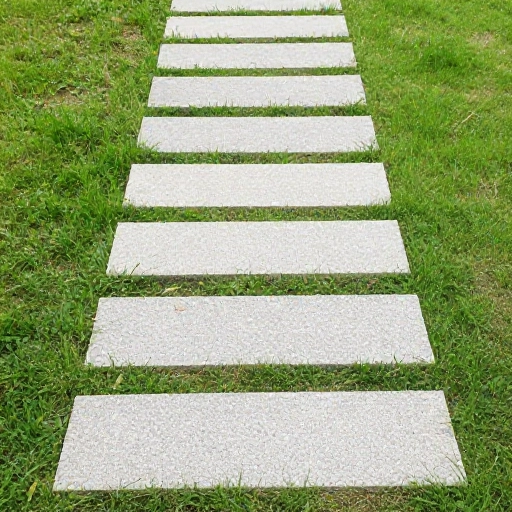
Dogs tend to follow the same routes every time they run from the house to the gate or from the deck to their favorite sniffing spot. Those repeated paths are what turn into muddy trenches. Laying down stepping stones along those natural routes solves the problem instantly.
Flagstone or concrete pavers work well and look natural. Space them so your dog’s paws fit comfortably between them. Over time, the grass around the stones will stay healthier because the traffic is concentrated on the hard surface.
8. Add a Splash Zone for Hot Days
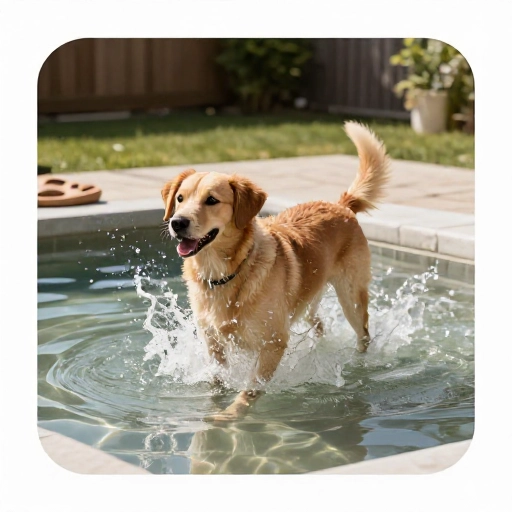
A small kiddie pool is fine, but a dedicated splash zone feels much more intentional. You can create a shallow water feature using a large ceramic basin or a pre-formed pond liner. Keep the water depth under six inches so it’s safe for small dogs and puppies.
Place it on a gravel or stone base so splashes don’t create mud. In summer, toss in a few ice cubes or floating toys. When the weather cools, just drain it and cover it until next year.
9. Design a “Sniffari” Path Around the Yard
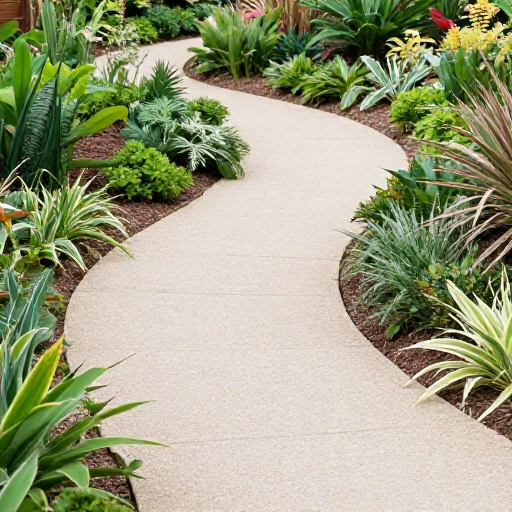
Dogs experience the world through their noses, and a boring yard gives them nothing to explore. Create a designated sniffing path by planting different textures and scents along a winding route. Think ornamental grasses, mint, thyme, and even a small patch of catnip.
Let the path meander rather than go straight. You can mark it with low edging or small stakes. Walk your dog along this path on a loose leash and let them stop and sniff as long as they want. It’s mentally enriching and tiring in the best way.
10. Install a Wash Station Near the Door
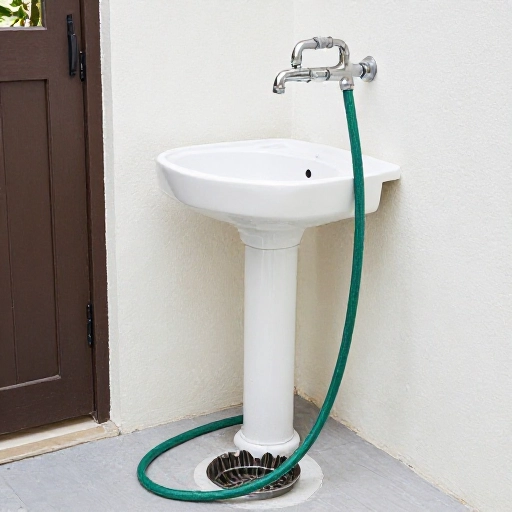
Muddy paws are the number one reason I used to dread letting my dog inside after rain. A simple outdoor wash station changes everything. It can be as basic as a hose attachment with a spray nozzle and a drain nearby, or you can build a small tiled area with a handheld shower head.
Add a hook for a towel and a rubber mat for your dog to stand on. Even a shallow plastic tub with a grate works. The goal is to make cleaning paws quick and easy so you don’t skip it.
Conclusion
Your dog’s yard doesn’t have to be a constant battle between what looks good and what works. With a few smart design choices, you can create an outdoor space that feels like a retreat for both of you. Start with one or two of these ideas and see how your dog responds—they’ll let you know what’s working.
The best yards grow over time. You don’t need to do everything at once. Pick the trick that solves your biggest headache first, and build from there. Your dog will thank you, and your yard will finally look the way you’ve always wanted.
Frequently Asked Questions
What is the best ground cover for a dog yard?
It depends on your dog’s habits. For heavy runners, pet turf or gravel works best. For dogs that dig, a designated sand pit plus durable grass in other areas is ideal. Clover is another option that holds up well and stays green.
How can I stop my dog from digging under the fence?
Bury chicken wire or hardware cloth a few inches below the soil along the fence line. You can also place large rocks or concrete pavers at the base. The gravel moat trick mentioned above is also very effective.
Are there plants that dogs won’t destroy?
Dogs tend to avoid plants with strong smells like lavender, rosemary, and marigolds. Ornamental grasses are also less tempting. Raised beds or strong metal edging can help protect anything you’re worried about.
How do I keep my dog cool in the yard during summer?
Provide constant access to shade and fresh water. A splash zone or a shallow kiddie pool helps. You can also freeze treats in ice cubes and scatter them around the yard for a fun cooling activity.
Can I make my yard look nice even with a large dog?
Absolutely. Choose durable materials like stone, gravel, and pet turf. Use raised planters for delicate flowers. Stick to a simple, intentional layout with clear pathways. A tidy yard is possible—it just requires smart material choices.