Common Dog Allergy Symptoms Explained
If you’ve ever watched your furry best friend scratch endlessly, lick their paws, or develop mysterious red patches, you know how stressful it can be. Trust me, I’ve been there—wondering if it was the food, the grass outside, or maybe that new scented candle. The truth is, dog allergies are incredibly common, and they show up in ways we don’t always expect.
Unlike people who get sneezy and watery-eyed, dogs usually react to allergens through their skin. That’s why figuring out what’s going on can feel like a puzzle. But once you learn the classic signs, you’ll be so much closer to helping your pup feel comfortable again. Let’s break down the most common dog allergy symptoms so you know exactly what to look for.
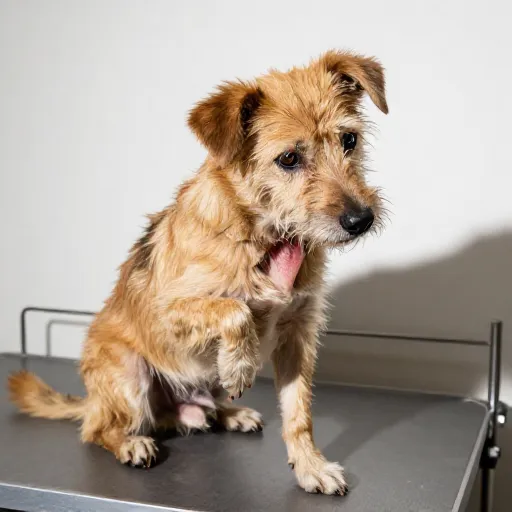
1. Constant Scratching and Itching
The most obvious and frustrating symptom is persistent scratching. If your dog is biting, scratching, or rubbing against furniture more than usual, that’s a red flag. Allergies trigger histamine release, which makes the skin intensely itchy.
You might notice your dog scratching right after a walk or after meals. This isn’t just a bad habit—it’s their way of telling you something is bothering them.
Pay attention to the timing. If it happens year-round, it could be a food or indoor allergen. If it worsens in spring or fall, pollen might be the culprit.
2. Excessive Paw Licking and Chewing
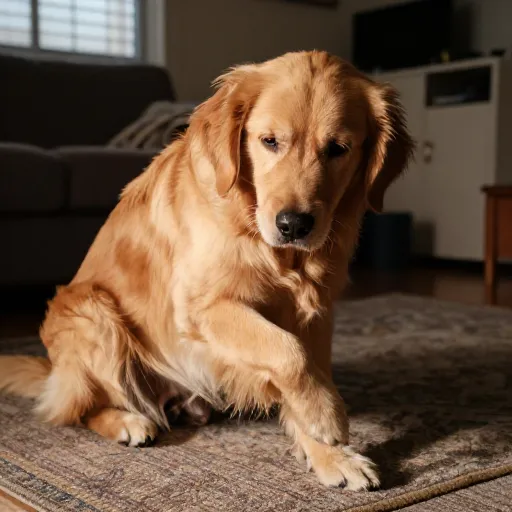
Dogs with allergies often focus on their paws. You’ll see them licking nonstop, sometimes to the point where the fur turns rusty brown from saliva. This is a huge clue, especially for environmental allergies.
Paw licking can also lead to moisture buildup, which creates the perfect breeding ground for yeast or bacteria. If your dog’s paws smell a bit like corn chips, that’s a yeast infection—often secondary to allergies.
Try wiping their paws after walks with a damp cloth. It’s a simple habit that can reduce allergens like grass and pollen.
3. Red or Inflamed Skin
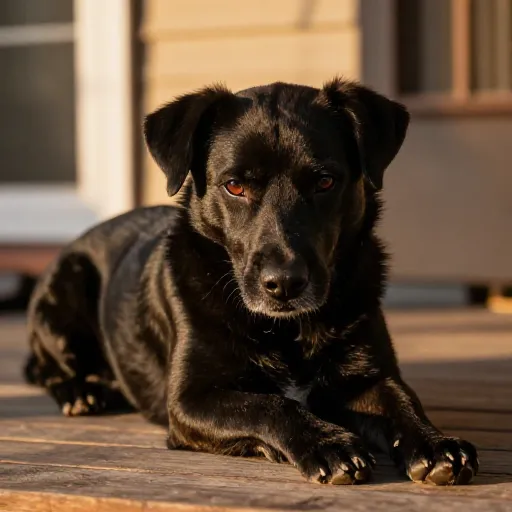
If you part your dog’s fur and see redness, bumps, or hot spots, allergies are very likely the reason. This inflammation is called allergic dermatitis. It often appears on the belly, armpits, ears, and around the eyes.
Hot spots are especially painful—they’re moist, red, and quickly become raw. These can escalate fast, so don’t ignore them.
Antihistamines or a vet-prescribed spray can help, but first you need to find the trigger. Red skin is your dog’s skin screaming for relief.

4. Ear Infections That Keep Coming Back
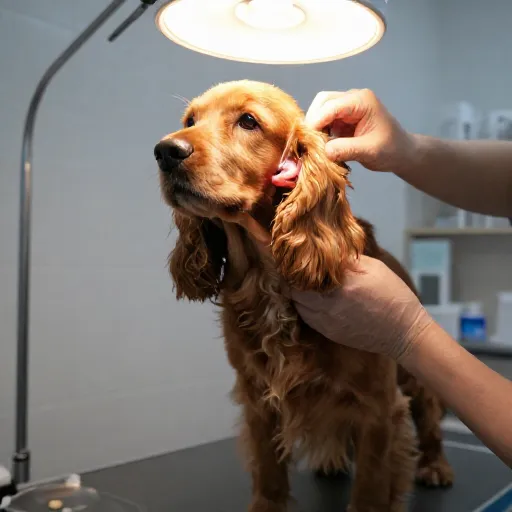
Repeated ear infections are a major allergy warning sign. If your dog is shaking their head, scratching their ears, or you notice a yeasty or foul smell, allergies might be the root cause.
The ear canal in dogs is quite L-shaped, which means fluid and debris get trapped easily. Allergies cause the lining to swell and produce more wax.
Don’t just treat the infection with drops over and over. That’s like mopping the floor without fixing the leak. Managing the underlying allergy is key.
5. Itchy, Runny, or Red Eyes
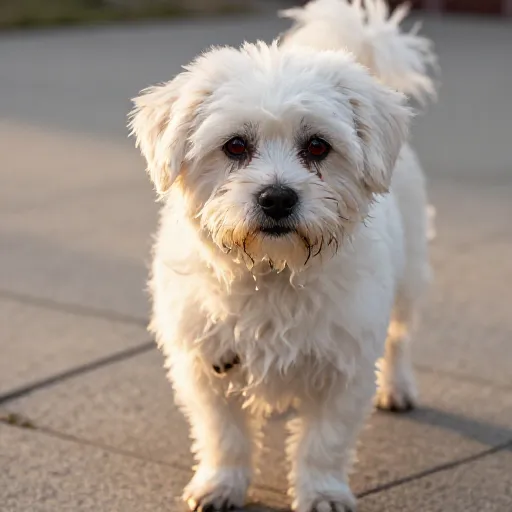
While less common than skin issues, some dogs get watery or red eyes from allergies. You might see them squinting, pawing at their eyes, or rubbing their face on the carpet. This is similar to hay fever in humans.
Discharge can be clear or yellowish. If it’s yellow or green, that might indicate an eye infection, so a vet visit is smart.
Keep the eye area clean and mention it to your vet—especially if you notice the eyes looking a little swollen.
6. Sneezing and Reverse Sneezing
Dogs don’t usually sneeze a lot from allergies, but it can happen. More often, you’ll see reverse sneezing—that weird snorting, honking sound that freaks everyone out. It’s usually triggered by dust or strong smells.
Reverse sneezing looks scary but is rarely dangerous. Gently rubbing your dog’s throat or blowing in their face can help stop the episode.
If sneezing comes with nasal discharge, it could still be allergies. But don’t assume it’s a cold—dogs rarely get colds like we do.
7. Vomiting or Diarrhea After Meals
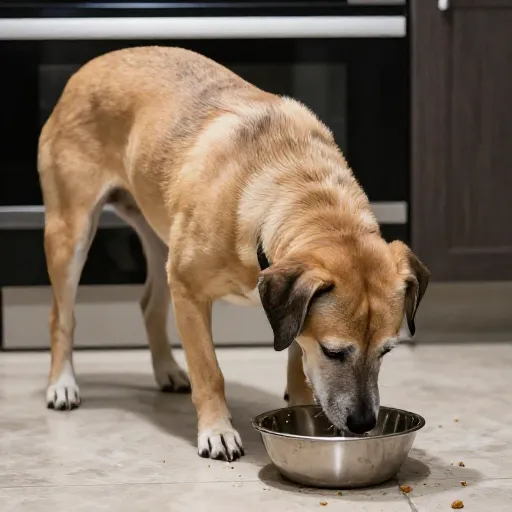
Food allergies and sensitivities often show up as digestive issues. If your dog vomits, has loose stools, or seems gassy after eating, their food might be the problem. The good news is that food allergies are less common than environmental ones.
Typical culprits include chicken, beef, dairy, or wheat. It’s not always immediate—sometimes it takes hours or even days to appear.
An elimination diet is the best way to pinpoint the trigger. It takes patience, but it can completely change your dog’s quality of life.
8. Hair Loss or Bald Patches
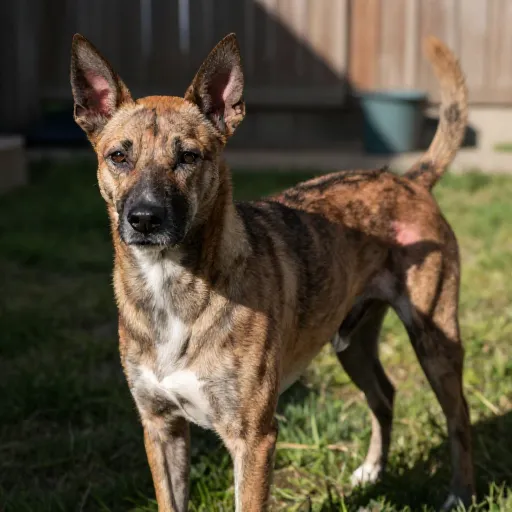
Excessive scratching and inflammation can lead to hair loss. You might see thinning patches, especially on the back, tail, or sides. This is often due to constant licking or chewing at the same spot.
Bald patches can also develop from a bacterial infection that started because of broken skin. Allergies broke down the skin barrier, and now there’s an infection.
Your vet might need to do a skin scrape to rule out mange or fungal infections. But if allergies are the cause, treating the itch will stop future hair loss.
9. Facial Swelling, Especially Around the Lips and Eyes
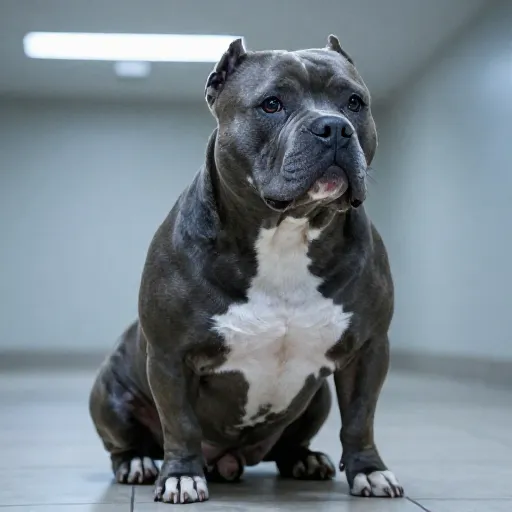
A sudden allergic reaction can cause facial swelling, known as angioedema. The muzzle, eyelids, or ears might puff up. This is more serious and usually happens quickly after exposure to a specific allergen, like an insect bite or a new food.
If this happens, take a photo and call your vet right away. It’s not an emergency unless the throat swells, but it’s definitely a sign to act.
Sometimes the swelling goes down on its own, but you’ll want an antihistamine from your vet to prevent a worse reaction next time.
10. Scratching the Belly or Groin Area
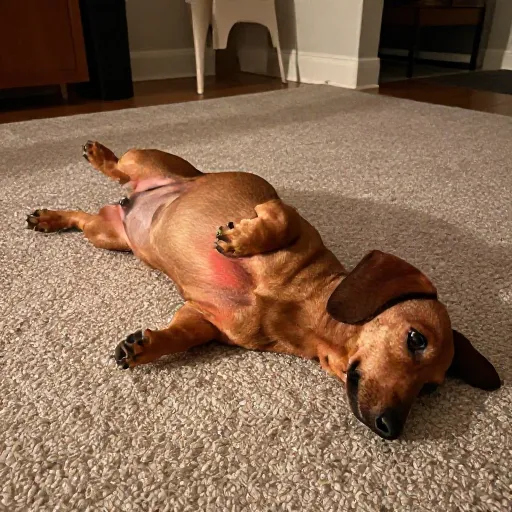
Your dog rolling on their back and rubbing their belly on the grass might look cute, but it’s often a huge allergy clue. The belly and groin have thinner skin and absorb allergens more easily.
Contact allergies to grass, carpet cleaners, or laundry detergents can show up right there. If the skin looks red or bumpy, that’s further proof.
Try using fragrance-free, hypoallergenic products for your dog’s bedding and bathing routine. Simple changes can make a big difference.
What To Do Next? My Final Thoughts
Dealing with allergies can feel like a game of trial and error. But you don’t have to panic or guess alone. Start by tracking your dog’s symptoms—when they happen, what they ate, where they played. That little notebook will become your best tool.
Your vet can help you figure out whether it’s fleas, food, or something in the environment. With a little detective work, you can reduce your dog’s itchy days and bring back those happy, relaxed tail wags. You’ve got this, and your pup is lucky to have you paying attention.
Frequently Asked Questions
Can dog allergies appear suddenly, even in older dogs?
Yes. Allergies can develop at any age, even if your dog has been fine for years. Sometimes it’s a cumulative effect of exposure, or a new allergen enters their life.
Are some dog breeds more prone to allergies?
Absolutely. Breeds like Golden Retrievers, French Bulldogs, Boxers, and Terriers tend to have more skin allergies. But any dog can develop them, regardless of breed.
Can I give my dog human allergy medicine?
Some human antihistamines are safe, but never guess the dose. Always confirm with your vet. Some medications contain ingredients that are toxic to dogs.
How can I tell the difference between food allergies and environmental allergies?
Food allergies often cause year-round itching plus stomach issues. Environmental allergies might be seasonal and flare up after spending time outdoors. Your vet can guide you through an elimination diet to be certain.
Will changing my dog’s shampoo help with allergies?
Yes, using a hypoallergenic or oatmeal-based shampoo can soothe itchy skin and wash off allergens. Just make sure you don’t over-bathe your dog, as that can dry out their skin even more.