15 Budget-Friendly Outdoor Cat House Solutions
I love giving my cats a cozy spot to enjoy the fresh air without breaking the bank. You don’t need to spend a fortune to build a safe, warm outdoor shelter. Over the years, I’ve discovered simple, clever ways to repurpose everyday items into cat houses that look good and keep your feline friends happy.
Whether you’re caring for a community cat or just want your indoor kitty to have a sunbathing spot, these 15 ideas are practical, cheap, and easy to make. Let’s dive into my favorite budget-friendly outdoor cat house solutions.
1. Repurposed Plastic Storage Bin Shelter
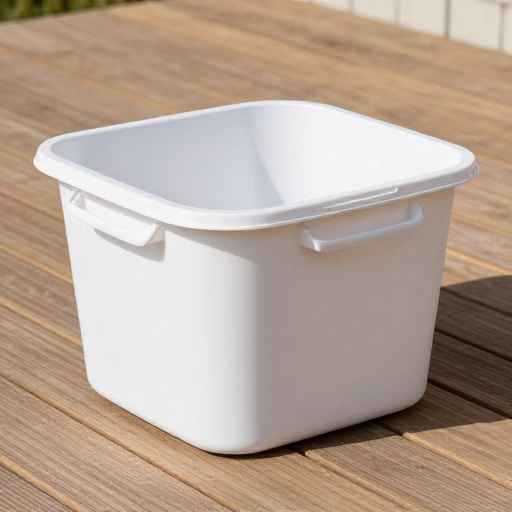
A large storage tote is one of the easiest places to start. I took a 50-gallon bin, cut a small entry hole in the side, and lined the inside with straw (not hay – straw is drier and warmer). The lid keeps rain out, and the plastic holds in body heat. For extra insulation, I taped a piece of rigid foam board inside the lid. It’s waterproof, windproof, and costs under $20 if you already have the bin.
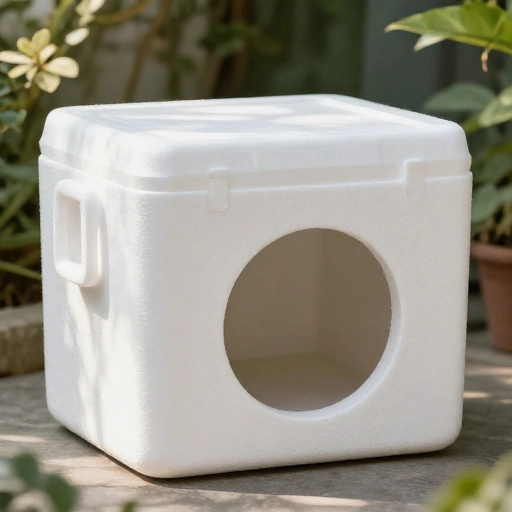
2. Styrofoam Cooler Cat Condo
Don’t toss that old cooler from your last camping trip. I turned a large Styrofoam cooler into a two-room cat house by cutting an entry hole on one side and a small exit on the other. The thick foam is naturally insulating. I added a layer of straw inside, and the lid still closes tight. It’s light enough to move around the yard, and the price tag is basically zero.
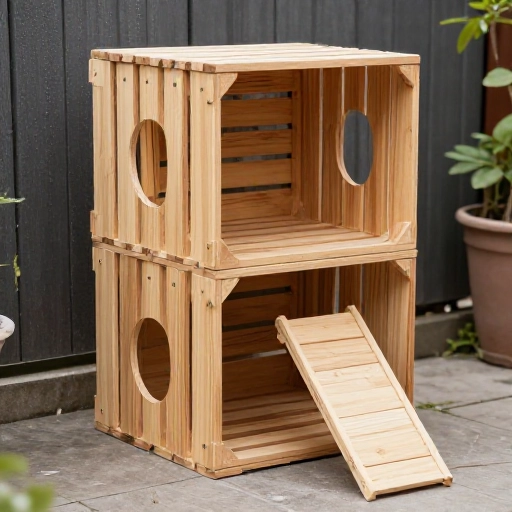
3. Wooden Crate Stack House
I found three old wooden crates at a garage sale. I stacked them in a pyramid shape, secured them together with screws, and cut a cat-sized opening in the bottom crate. The top crate became a lookout perch. I painted it with leftover exterior paint to weatherproof it. It cost me about five dollars and looks rustic and charming against the fence.
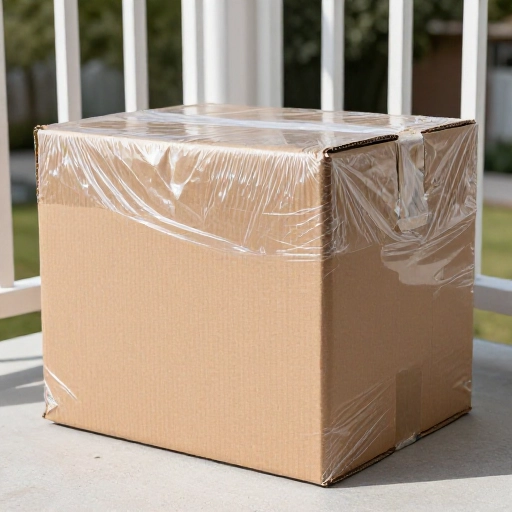
4. Reused Cardboard Box with Weatherproofing
Cardboard boxes are free, but they need a little help outside. I wrapped a large moving box in a heavy-duty trash bag and then covered it with an old shower curtain. I cut a small door and lined the inside with a fluffy blanket inside a plastic bin liner. It’s not permanent, but it works for a few months or as a quick shelter during a cold snap. Total cost: just the tape and a garbage bag.
5. Painted Pallet Cat House
Pallets are everywhere for free. I took one pallet, removed a few boards to create an opening, and built a simple lean-to against the side of my shed. I added a piece of plywood on top for a roof and stuffed straw between the pallet slats for insulation. It’s sturdy, elevated off the ground, and gives a cat a dry, private hideout. Just sand down any rough edges.
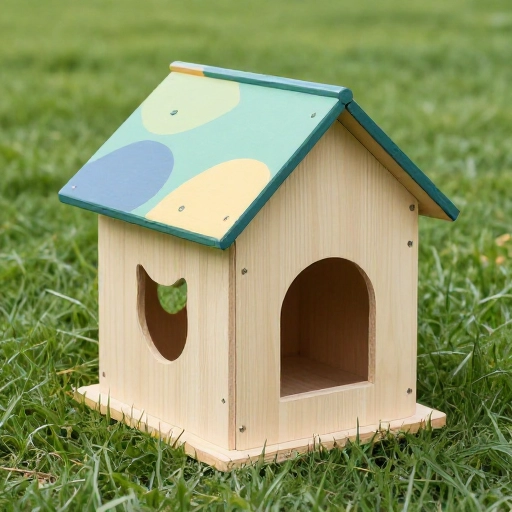
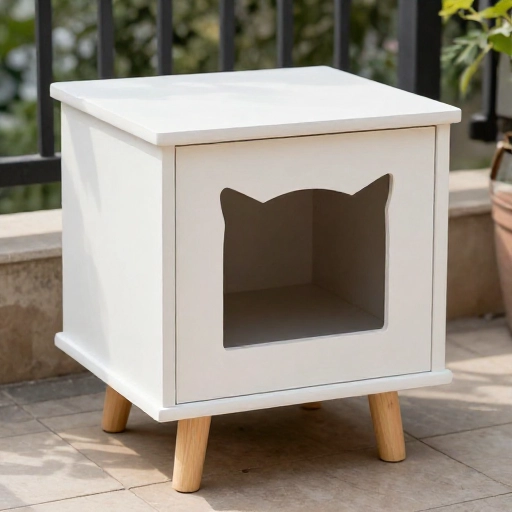
6. Upcycled Nightstand or End Table
I found an old wooden nightstand on the curb. I removed the drawer fronts, cut a cat door in the side panel, and placed a soft cushion inside. The top surface is perfect for a plant or a water bowl. I sealed it with a coat of outdoor varnish. It looks like a piece of patio furniture but functions as a cozy cat house.
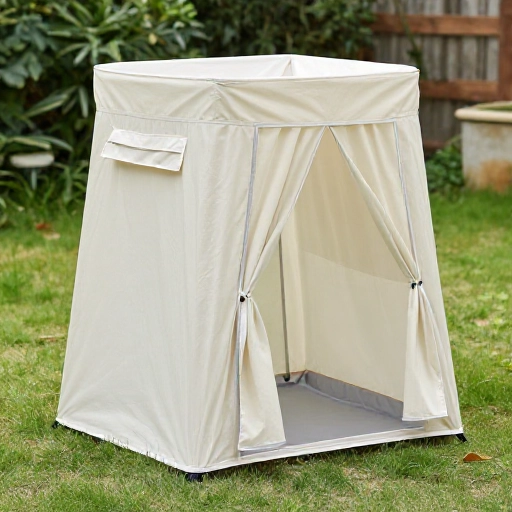
7. Foldable Laundry Basket Tent
This is the easiest temporary solution. I took a large mesh laundry basket, turned it upside down, and draped an old towel over the top. I tucked the towel under the basket’s edges to keep it from blowing away. I put a small bed inside. It’s not winter-proof, but for a shaded summer spot or a quick rain shelter, it takes two minutes and costs nothing.
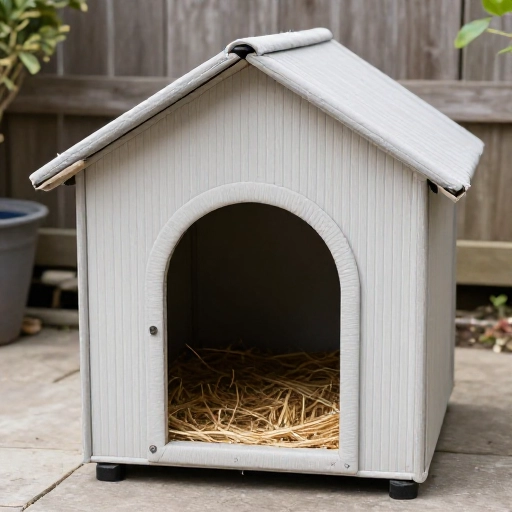
8. Insulated Dog House Renovation
I bought a cheap, used plastic dog house at a yard sale for ten bucks. I added a flap door made from an old vinyl placemat, and I stuffed the inside with straw and a small self-warming cat bed. The plastic shell is already weather-resistant. I elevated it on bricks to keep the floor dry. A simple upgrade that works like a charm.
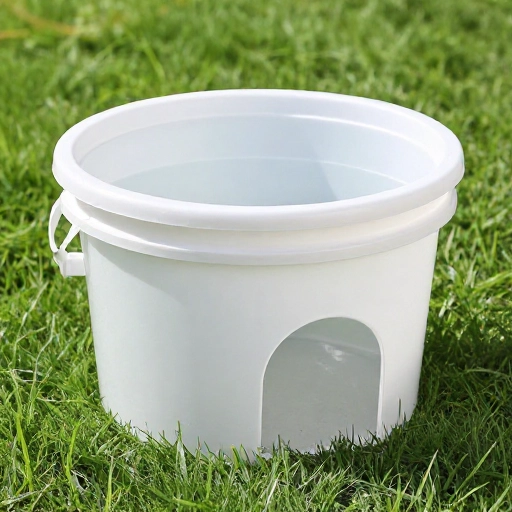
9. Bucket and Tub Cat Igloo
I collected several five-gallon buckets from a local bakery. I stacked them in a circle, cut a door in the side of the front bucket, and filled the gaps with straw. I topped it with a plastic tub lid and weighted it with a rock. It looks a bit like an igloo, and the round shape helps keep wind out. Each bucket was free, so this was a zero-cost project.
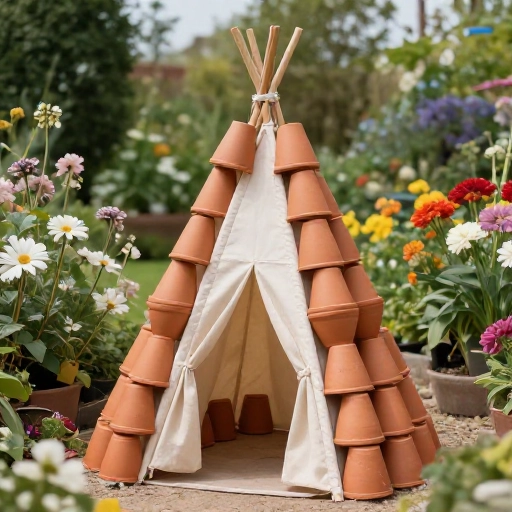
10. Garden Pot Teepee
I flipped a large terracotta pot on its side, propped it up with a couple of bricks, and placed a soft blanket inside. I put the pot in a sheltered corner of the patio. The clay stays cool in summer and holds some warmth in winter. I sealed the pot with a waterproof spray to prevent cracking. It’s simple, looks cute, and cost me just the price of the pot from a thrift store.
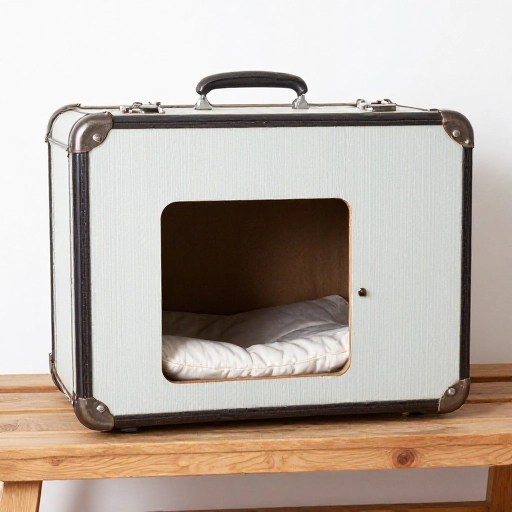
11. Old Suitcase Cat Bungalow
I found a beat-up vintage suitcase at a flea market. I cut a cat-sized door in one side using a utility knife, lined the inside with a fleece blanket, and left the lid slightly open for ventilation. The suitcase is already weather-resistant. I placed it on a small table to keep it off the damp ground. It’s quirky and gives a cat a private, dark den.
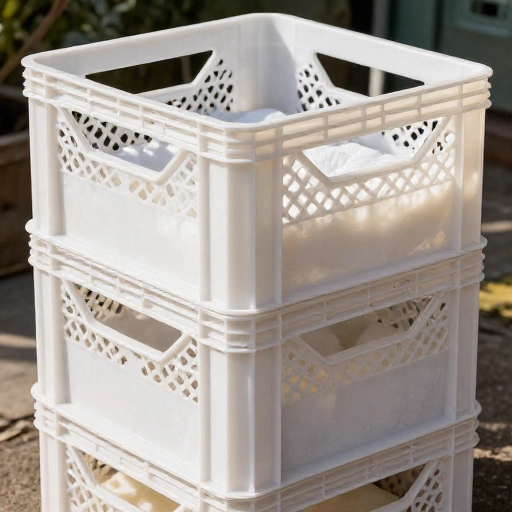
12. Plastic Milk Crate Fort
Milk crates are sturdy and free from many grocery stores. I stacked four crates in a two-by-two pattern, securing them with zip ties. I cut a piece of corrugated plastic for the roof and tied it down. Inside, I placed a thick towel. The open grid lets air flow, but the structure provides shade and a sense of security. It’s also easy to move around the yard.
13. DIY Straw Bale House
This is a natural, insulating option. I made a small square with four straw bales, leaving a gap for a door. I placed a piece of plywood on top for a roof and piled a few loose bales on top. Straw is excellent at trapping heat and stays dry. The bales cost about five dollars each, and the whole project took twenty minutes. Just make sure the bales are dry when you set them up.
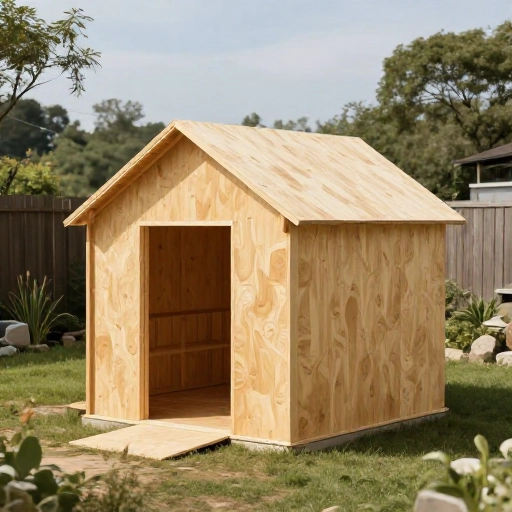
14. PVC Pipe and Tarp Frame
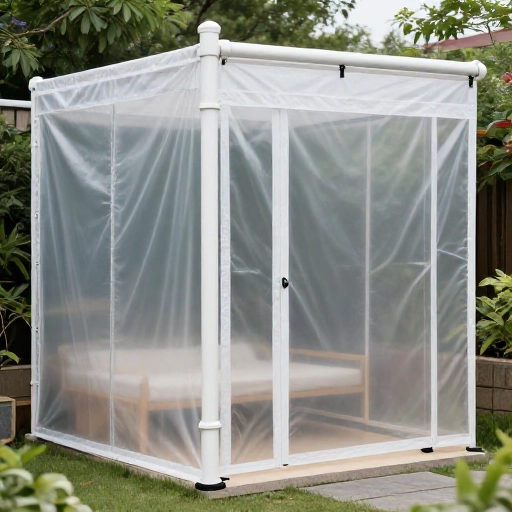
I built a simple frame using PVC pipes and elbows, then draped an old blue tarp over it. I cut a cat door in the tarp and used binder clips to keep it secure. Inside, I placed a plastic tote filled with straw. The frame is lightweight and can be taken down in minutes. It’s not the prettiest, but it’s waterproof and costs under fifteen dollars for the pipe.
15. Repurposed TV Cabinet
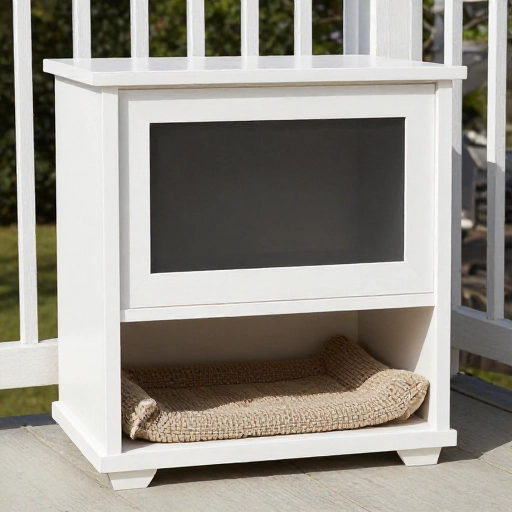
An old bulky TV cabinet was headed to the dump. I removed the glass doors, cut a small opening in the back panel, and painted it with exterior paint. The enclosed space is perfect for a cat bed, and the top shelf works as a perch. I added a small flap made from a heavy piece of fabric. It’s a solid, long-lasting shelter that looks like a piece of furniture.
Conclusion
Building an outdoor cat house doesn’t have to be expensive or complicated. With a little creativity and items you already have, you can create a safe, warm space for any cat in your life. I hope these ideas inspire you to start your own project. Your cat will thank you with plenty of purrs.
Frequently Asked Questions
1. What is the best material for insulation in an outdoor cat house?
Straw is my go-to. It doesn’t absorb moisture like hay does, and it traps body heat well. Avoid blankets or towels in very cold weather because they can freeze. For walls, rigid foam board is cheap and effective.
2. How do I keep the cat house dry during rain?
Make sure the entrance is raised off the ground using bricks or a wooden base. Use a flap door made from vinyl or heavy plastic. Also, angle the roof slightly so water runs off, and seal any cracks with caulk or tape.
3. Should I put the cat house in direct sunlight?
Not in summer. Place it in a shaded spot or under a porch overhang. In winter, a little morning sun can help warm it up, but afternoon shade keeps it from overheating. A north-facing wall is often a good balance.
4. How do I keep fleas and bugs out of the cat house?
Use cedar chips inside the bedding – they naturally repel fleas. Also, clean the house regularly by removing old straw and replacing it. You can sprinkle diatomaceous earth (food grade) around the base for extra protection.
5. Can I use a heated cat bed in a homemade shelter?
Yes, but only if it’s designed for outdoor use and has a chew-resistant cord. I prefer self-warming beds that use reflective material instead of electricity. If you use a heated pad, make sure the house is well-ventilated and the cord is protected from weather and curious teeth.