Safe Materials to Use for DIY Dog Toys (and What to Avoid)
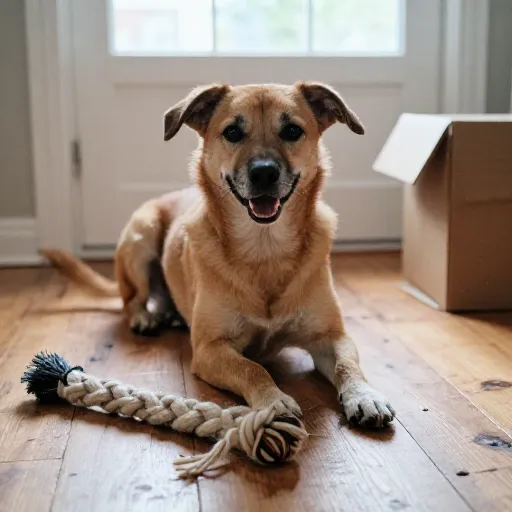
I am a total sucker for a happy dog with a little toy in their mouth. When I first started making DIY dog toys, I learned pretty quickly that not everything is safe just because it looks fun. Dogs chew hard, tug hard, and sometimes swallow things they probably shouldn’t, so choosing materials needs some real thought.
The good news? You don’t need fancy supplies or lots of money to make awesome toys. T-shirts, cotton rope, old jeans, cardboard tubes, and a few natural finds can become the safest homemade dog toys ever. The key is keeping things simple and staying away from parts that can break off or get stuck.
Before you grab scissors and fabric, just ask yourself one question: would this hurt my dog if they swallowed it? If the answer is yes, leave it out. Here are my favorite safe materials for DIY dog toys that are fun, easy to find, and way cheaper than buying brand new.
1. Cotton Rope for Tough Tugs
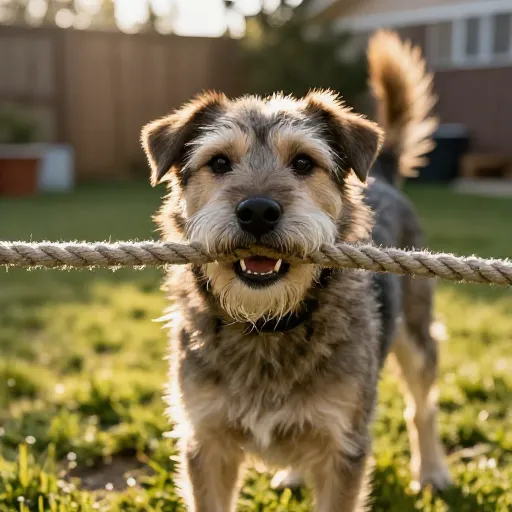
Thick cotton rope is one of my go-to safe materials for DIY dog toys. It’s strong, soft, and much gentler on teeth than synthetic ropes. You can find natural cotton rope at craft stores or hardware shops. Look for terms like “100% cotton” so you know there are no hidden plastic bits.
I like to cut about thirty inches of rope, tie a big knot on one end, and knot the other end into a loop. This makes a simple tug toy that’s easy for you to hold. If you’re better at knots than I am, try a monkey knot or a chain of square knots.
Check the rope after every play session. Rope can break down into fibers that look like worms, and those can cause tummy troubles if your dog chews and swallows them. When a rope starts shredding, toss it or turn it into a new braid.
2. Old Cotton T-Shirt Fabric
An old T-shirt might be the easiest safe material to transform into a dog toy. Cotton shirts are soft, breathable, and easy to wash, which makes them perfect for a small or gentle chewer. I keep a basket of ratty tees just for dog projects.
Cut the shirt across the body to create long strips, then stretch each strip so the edges curl. Braid three strips together and knot the ends. You can also weave strips into a fat round pillow for fetch.
Steer clear of shirts with large plastisol prints, iron-on patches, buttons, or snaps. Those extras can break off and become a choking hazard. Plain colored cotton tees with no hardware are ideal.
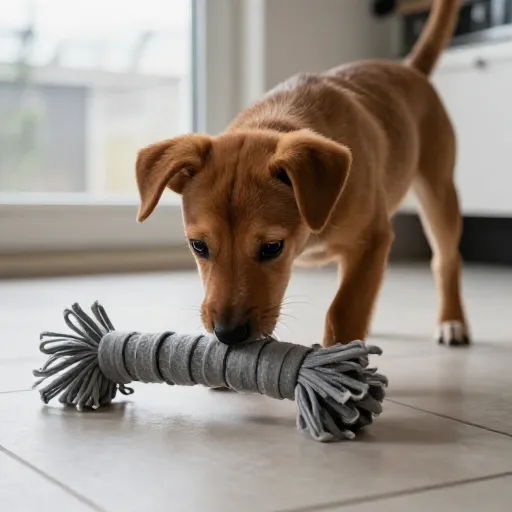
3. Upcycled Denim Strips
Jeans get really soft after years of washing, but the fabric stays surprisingly strong. That makes denim one of the best safe materials for DIY dog toys if your dog likes to tug and shake. Skip any parts with zippers, rivets, or heavy seams because those metal bits are no good for chewing.
Cut the legs into long strips and braid them with cotton rope or T-shirt strips. Denim adds texture, and the rough edges feel nice on a teething pup. I often use one denim strip and two T-shirt strips for a toy that doesn’t get too stiff.
A softer denim toy won’t last forever, but it’s safer than a very hard chew. If your dog is a power chewer, save this toy for fetch and supervised tug, not all-night chewing.
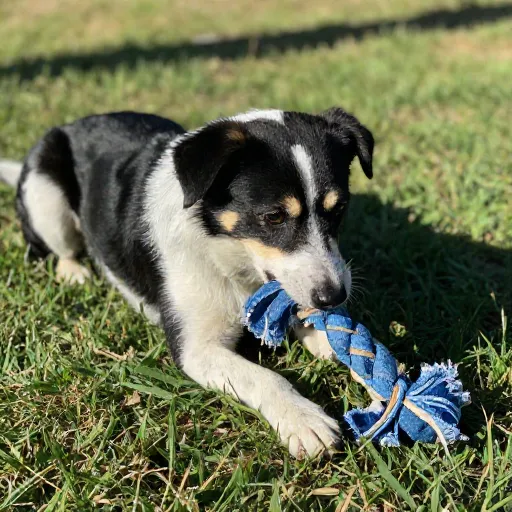
4. Fleece Scraps for Tied Toys
Fleece is another one of those safe materials that doesn’t fray as much as other fabrics. It’s lightweight, easy to tie, and comes in all kinds of fun colors. I pick up fleece remnants from thrift stores whenever I need an inexpensive afternoon craft.
For a classic twist toy, cut fleece into two or three long strips and tie a small knot at the top. Braid the strips, then knot the other end. The knots stay put without any glue or sewing, which is wonderful because pets shouldn’t chew on most adhesives.
Just remember that fleece is often polyester or a blend, so it’s less “all natural” than cotton. It’s still commonly used for dog toys, but watch for loose threads and replace the toy at the first sign of damage.
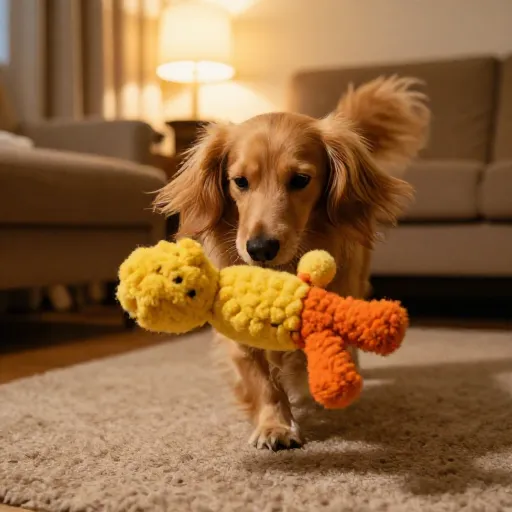
5. Cardboard Boxes for Treat Puzzles
Cardboard is a safe material for DIY dog toys when you use it the right way. Wait, not for aggressive chewers. But for dogs who like to sniff and dig, a simple treat box is a great nose-work toy. I save shipping boxes, egg cartons, and paper towel rolls for this exact reason.
Fill a small box with shredded paper, then hide a few crunchy treats inside. Fold the flaps over loosely without tape or staples. Your dog will have a blast pawing and nudging the box to earn the goodies.
Supervise the whole game and clean up any pieces that break off. Cardboard can be ingested in huge chunks, which can be dangerous, so this toy is best for session-based fun, not leave-alone chewing.
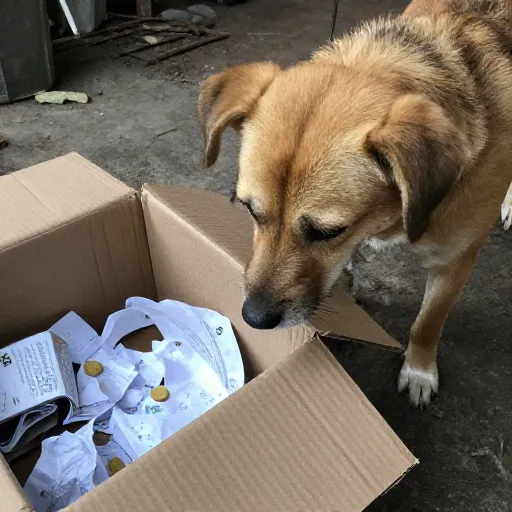
6. Natural Rubber for Springy Chews
Natural rubber comes from rubber trees and feels a bit like a stiff eraser. It offers a little bounce and squish, which makes it a great safe material for fetch toys and gentle chew toys. I choose natural rubber balls, rings, and discs for toys that will touch my dog’s mouth.
You can make a simple DIY “rubber ring on a rope” by threading a cotton rope through the center of a rubber ring and knotting it securely. Another idea is to place treats inside a natural rubber puzzle ball and tie it to a rope for easy tossing.
Watch out for rubbery products that say “latex” or “thermoplastic rubber” because they may contain synthetic additives. Natural rubber should say exactly that on the label, and it shouldn’t have that strong plastic-y smell.
7. Untreated Wood for Gnawing
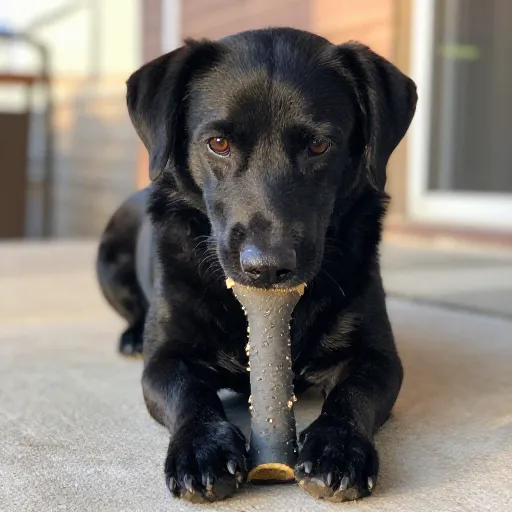
Dogs love to chew on natural wood, but not all wood is dog-safe. I stick with untreated hardwood branches from safe species like maple, apple, and birch. Never use pressure-treated lumber, cedar, or pine from a yard because those can have chemicals or splinters.
Find branches that are dry and free of bark, then cut them to a safe length for your dog. Sand the ends smooth with fine sandpaper so there are no sharp points. Some owners like to make simple notched logs that are easier for dogs to hold.
Wood toys are for supervised chewing only. If your dog splinters off large pieces, take the toy away and serve up a softer option. Always check the wood for cracks before and after play.
8. 100% Wool Felt for Soft Play
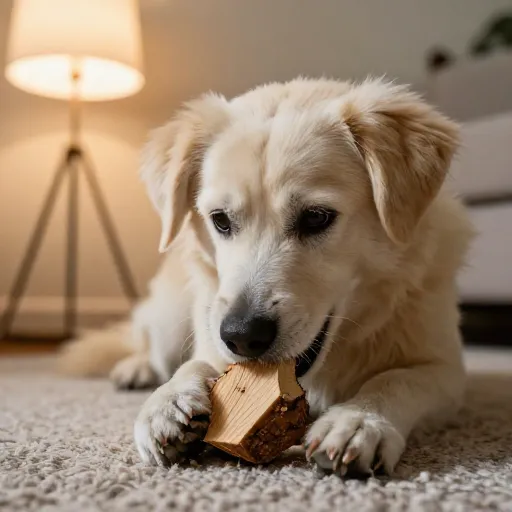
Wool felt is a soft, natural material that’s gentle on teeth and gums. It’s also wonderful for DIY dog toys because it doesn’t fray as easily as thin woven cotton. I use wool felt to make simple little bones and discs for small dogs and puppies.
Cut two matching bone shapes from the felt and sew them together with cotton thread. Leave a little opening, stuff it with a folded strip of cotton fabric, then stitch it shut. If you don’t sew, you can use strong cotton knots to join the edges.
Wool is also naturally breathable and easy to spot-clean. If your dog is a super aggressive chewer, wool won’t hold up forever, but it’s a super safe choice for calm play and comfort.
9. Cotton Fabric Scraps for Tied Bundles
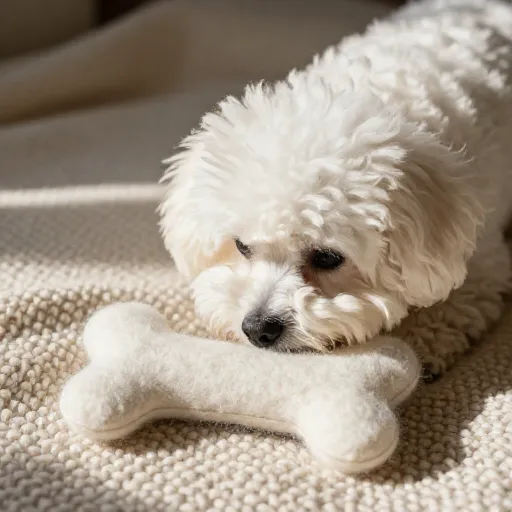
Sometimes the simplest safe material is a square of cotton fabric. You can turn a scrap into a fun treat-dispensing toy by placing a few pieces of kibble in the center, gathering the edges, and tying them with a strip of cotton cloth. It’s like a little pinata for your dog.
I like to use old cloth napkins, cut up pillowcases, or plain cotton kitchen towels. Wash and dry them before crafting so they’re free of dust and detergents. Tie the bundle loosely enough that treats can roll out with a little work.
This toy is great for mental stimulation, but it’s not meant to be chewed apart. Stay close while your dog plays and remove the fabric once it starts to tear or become soggy.
10. Cardboard Tubes for Treat Rolls
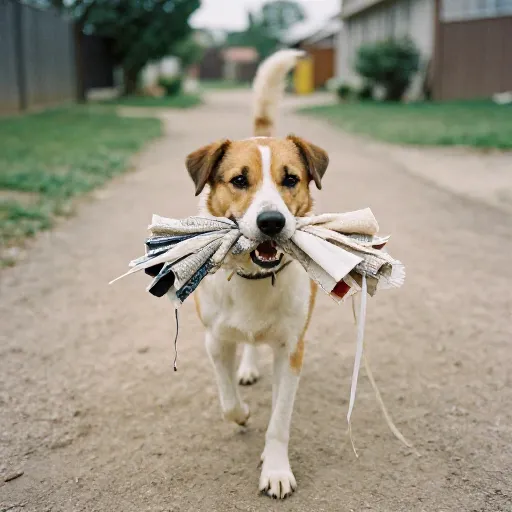
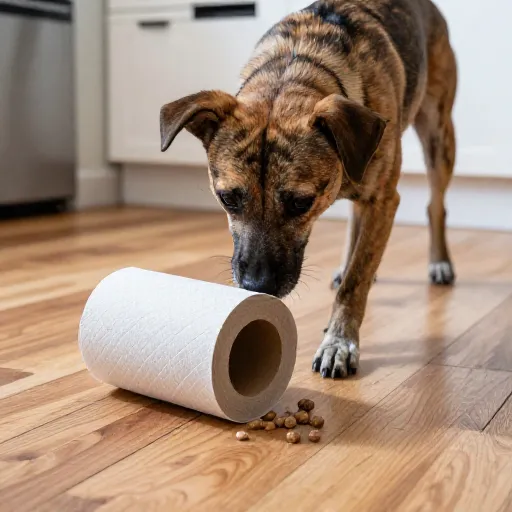
Paper towel and toilet paper tubes are one of my favorite cheap safe materials for DIY dog toys. They’re lightweight, so a dog can toss them around, and they’re easy to refill. Just flatten one end, add a few treats, and fold the other end shut.
You can also poke small holes in the tube and slide it onto a cotton rope for a dangling treat toy. The cardboard will crinkle and bend, which catches your dog’s attention without being loud or heavy.
Like other cardboard toys, paper tubes should not become long-term chew toys. Some shredding is okay, but make sure your dog doesn’t swallow big chunks. When the tube looks like it’s falling apart, recycle it and make a new one in seconds.
Final Thoughts
When it comes to safe materials for DIY dog toys, the most important rule is to keep it simple. Natural fabrics, untreated wood, cardboard, and natural rubber are all great starting points. Avoid glue, staples, buttons, and anything that could snap off and get swallowed.
No matter which toy I make, I always think about my dog’s chewing style. A gentle sniffer can enjoy cardboard puzzles, while a power chewer needs extra supervision and sturdier materials. There’s no one-size-fits-all, so just pay attention and adapt.
I hope these ideas give you something fun to make this weekend. Your dog won’t care if the toy is a little wonky; they’ll just be happy you made it with love.
Frequently Asked Questions
What materials should I avoid in homemade dog toys?
Skip glue, sticky tape, plastic eyes, buttons, zippers, and small foam pellets. Those can crack, break apart, or get swallowed. Also avoid pressure-treated wood, toxic plants, and fabric with large prints or heavy dyes.
How long should I let my dog play with a DIY toy?
It depends on the toy and your dog. I usually do short supervised sessions of ten to fifteen minutes for fabric or cardboard toys. Rope and rubber toys can stay out longer, but you should still inspect them after each playtime.
Can I use hot glue to make dog toys?
Hot glue dries hard and can break into sharp pieces, and it’s also not digestible. It’s safer to avoid glues altogether. Tie knots, stitch fabric, or use interlocking shapes instead.
Are toilet paper rolls safe for dogs?
Yes, if they’re plain cardboard with no tape, labels, or leftover toilet paper. Let your dog shred them under supervision. Some dogs chew off big pieces, so take the toy away before anything large gets swallowed.
What should I do if my dog swallows a piece of a toy?
If it’s a tiny piece, monitor your dog for any sign of distress, like drooling, vomiting, or trouble pooping. For anything bigger or if you’re worried, call your vet right away. It’s always better to be safe.